
Loading HealthVerse
Loading\u2026
Loading\u2026
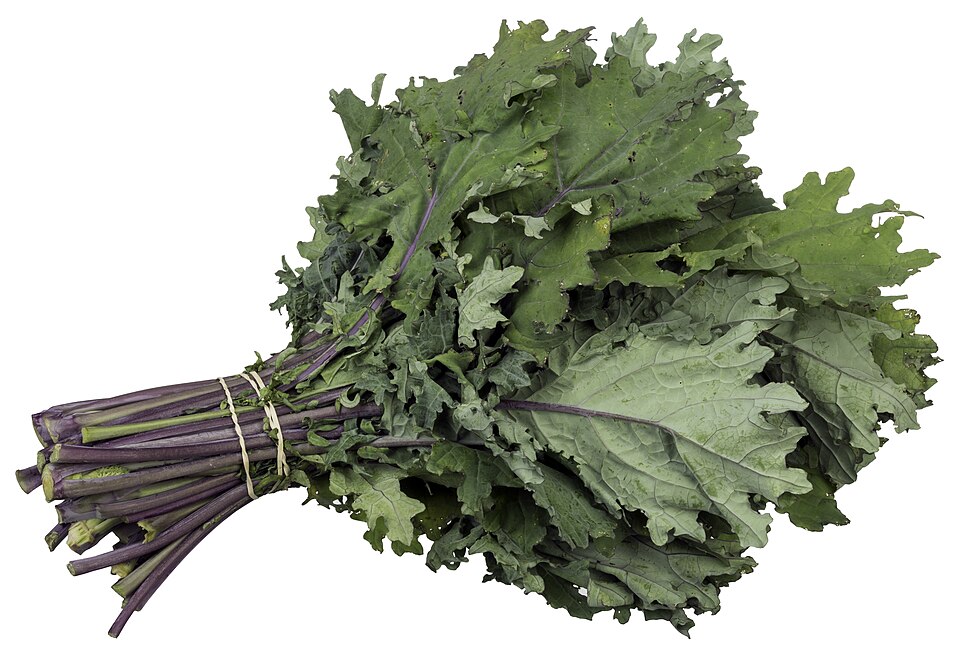
Kale is a nutrient-rich leafy green vegetable that belongs to the Brassica family, which also includes cabbage, broccoli, and cauliflower. It is a superfood, rich in vitamins A, C, and K, as well as minerals like calcium and iron. Kale is also high in fiber and antioxidants, making it a valuable addition to a healthy diet.

Blueberries are small, sweet berries often labeled a superfood due to their exceptional concentration of antioxidants, particularly anthocyanins. Rich in vitamin C, vitamin K1, manganese, and fiber, blueberries support brain health, cardiovascular function, eye health, and may help reduce the risk of age-related cognitive decline and chronic diseases.
Fruits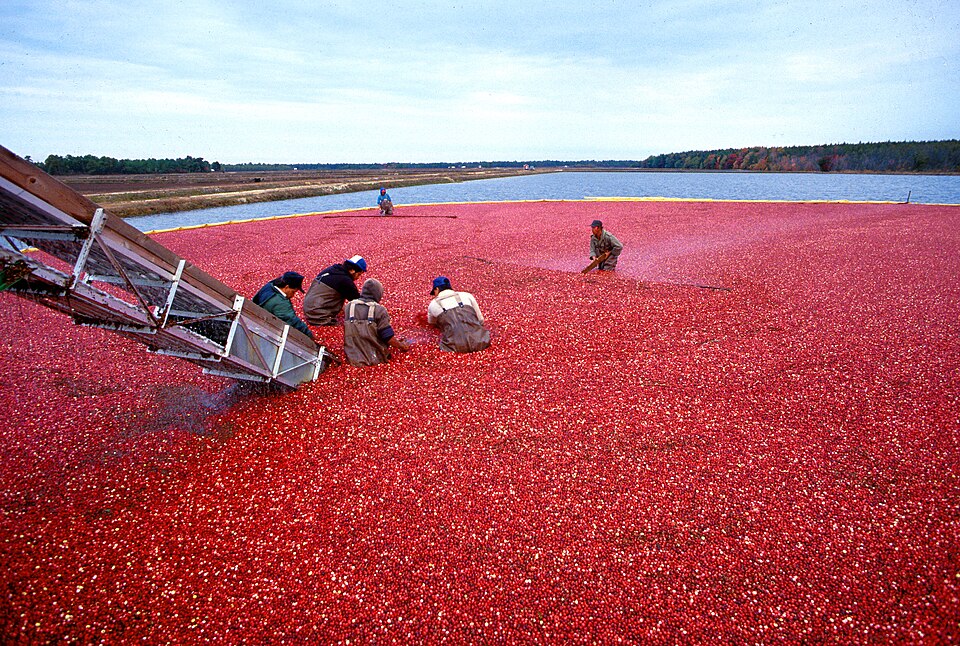
Cranberries are a type of small, round fruit that are native to North America. They are a rich source of antioxidants and have been traditionally used to support urinary tract health. Additionally, cranberries have been shown to have anti-inflammatory properties and may help to support heart health.
Fruits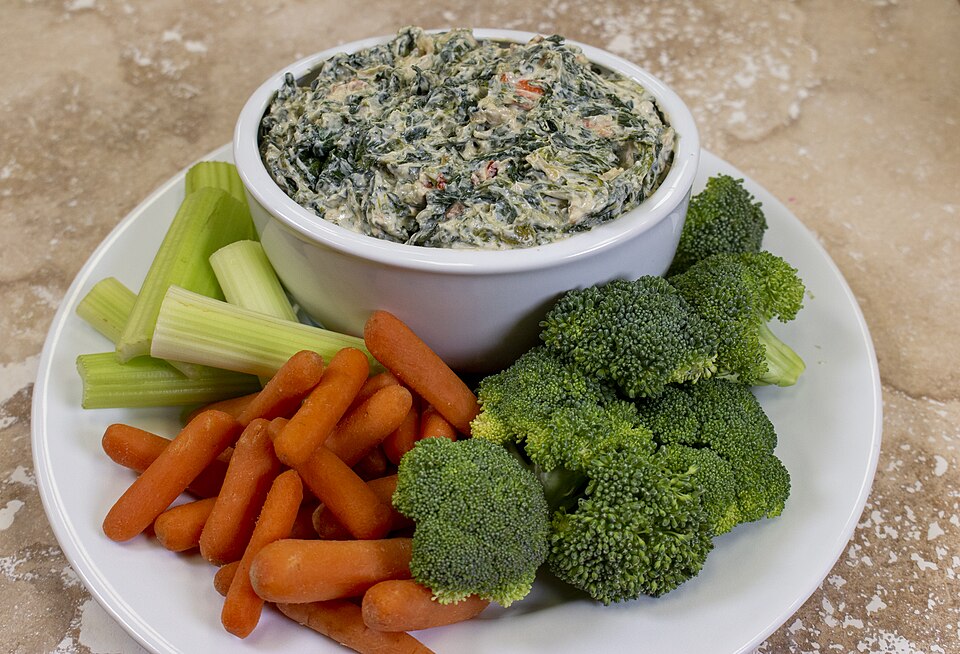
Spinach (Spinacia oleracea) is a highly nutritious leafy green vegetable packed with vitamins A, C, K1, folate, iron, calcium, and powerful antioxidants including lutein and zeaxanthin. Known for its anti-inflammatory properties and role in eye health, bone health, and cardiovascular protection, spinach is one of the most nutrient-dense foods available per calorie.
VegetablesContextually connected pathways expanding from Kale
Investigate detailed biochemical breakdown, RDA values, and nutrient density for Kale.
Evaluate Kale side-by-side with related whole foods on an identical 100g reference basis.
Discover culinary preparations and nutrient-rich meals featuring Kale.
⚠️ Disclaimer: This information is for educational purposes only. Always consult a healthcare professional for medical advice.