Loading HealthVerse
Loading\u2026
Loading\u2026
Iron deficiency is a common nutritional disorder in women, particularly during menstruation and pregnancy, leading to fatigue and other symptoms.
Iron deficiency is a common nutritional disorder in women, particularly during menstruation and pregnancy, leading to fatigue and other symptoms. Women of reproductive age lose approximately 15-25 mL of blood per menstrual period, depleting iron stores over time. Approximately 10-15% of women of childbearing age are iron deficient. Iron is essential for hemoglobin production, oxygen transport, and energy metabolism. Severe deficiency can lead to iron deficiency anemia, causing significant fatigue, weakness, and impaired cognitive function.

A highly nutritious food rich in high-quality protein, healthy fats, vitamins, and minerals, especially choline and vitamin D.
Beneficial Context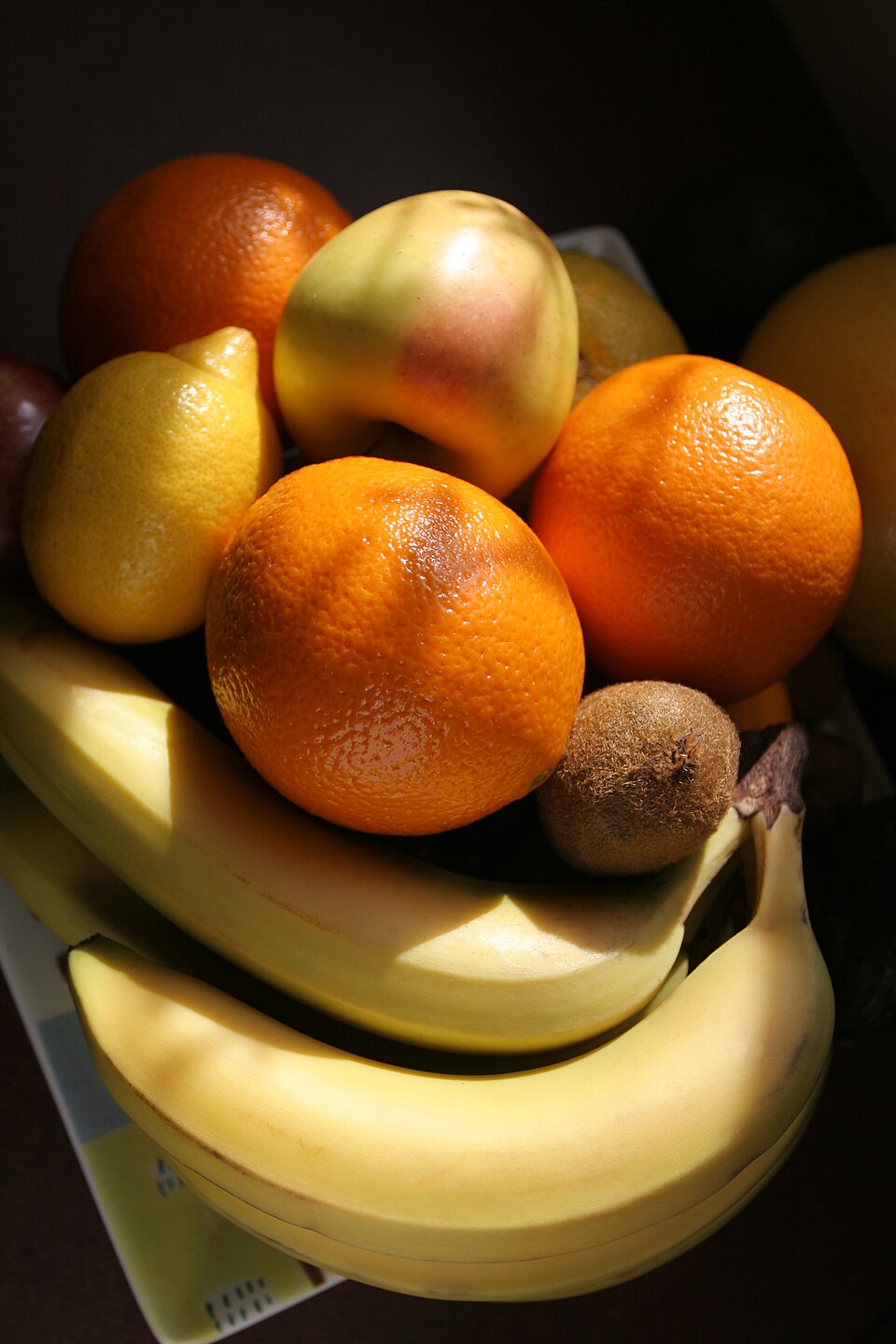
Orange is a naturally sweet fruit packed with essential vitamins, minerals, and dietary fiber. it supports immune function, digestive health, and provides natural energy.
Beneficial Context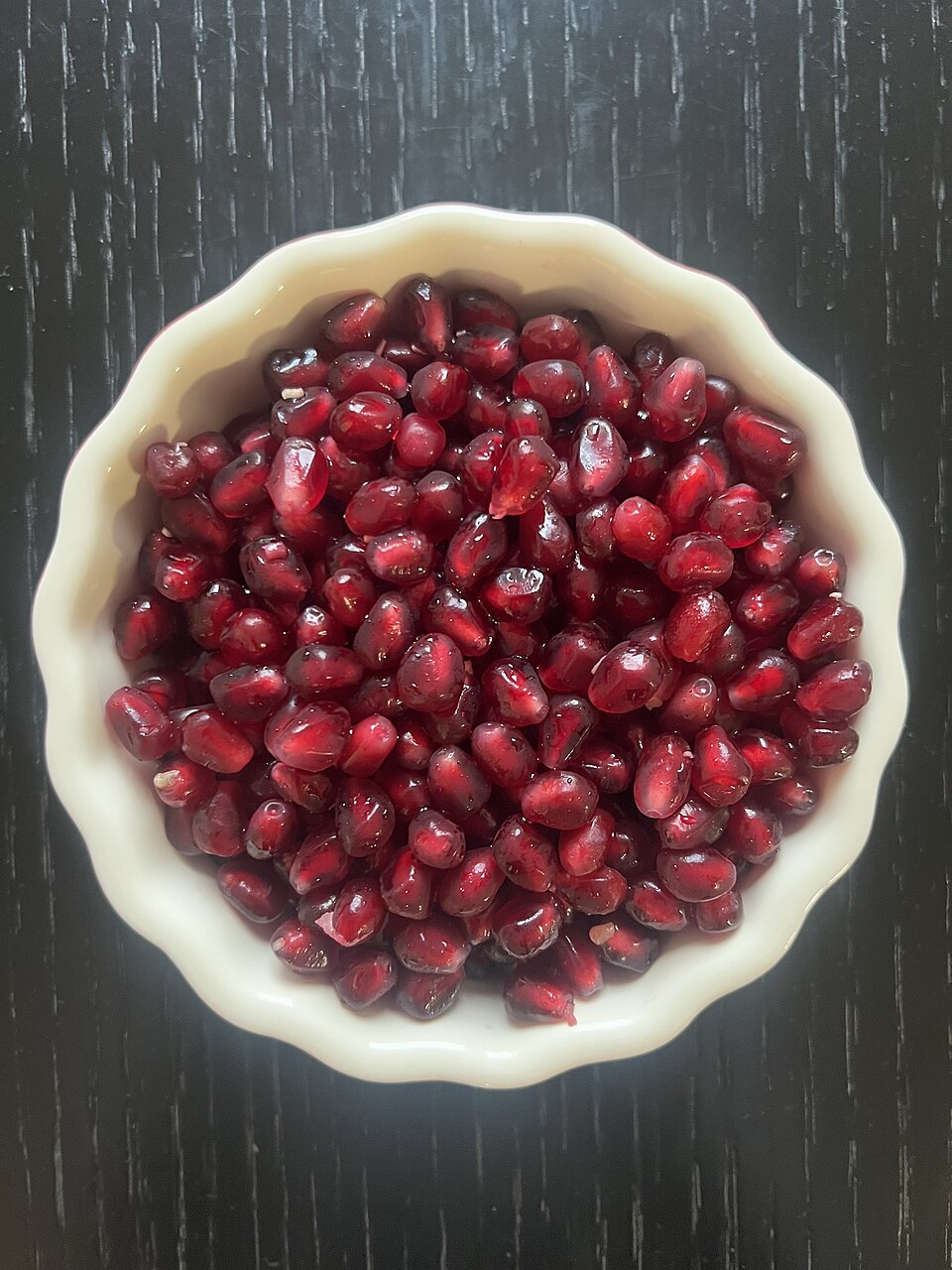
A round fruit with a tough rind filled with juicy, ruby-red arils.
Beneficial Context
Beetroot is a versatile vegetable rich in vitamins, minerals, and phytonutrients. Notable for its beetroot, vegetable content, it is a valuable component of a healthy diet, supporting digestion and overall wellness.
Beneficial Context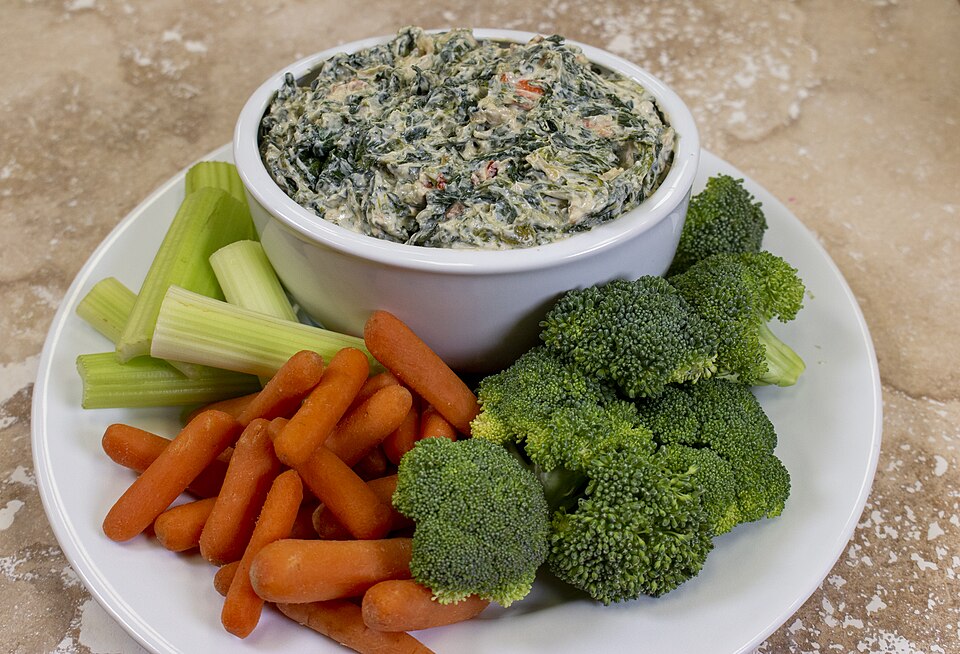
Spinach (Spinacia oleracea) is a highly nutritious leafy green vegetable packed with vitamins A, C, K1, folate, iron, calcium, and powerful antioxidants including lutein and zeaxanthin. Known for its anti-inflammatory properties and role in eye health, bone health, and cardiovascular protection, spinach is one of the most nutrient-dense foods available per calorie.
Beneficial Context10 min/day
30 min/day
30 min/day
30 min/session
Contextually connected pathways expanding from Iron Deficiency in Women
Browse the central knowledge graph to discover interconnected topics and lifestyle guides.
Search across 560+ canonical health entities, nutrients, and anatomical models.
Take interactive quizzes, explore 3D anatomy, and study evidence-based health courses.
⚠️ Disclaimer: This information is for educational purposes only. Always consult a healthcare professional for medical advice.