Loading HealthVerse
Loading\u2026
Loading\u2026
ADHD is a neurodevelopmental disorder characterized by persistent patterns of inattention, hyperactivity, and impulsivity that interfere with a child's functioning and development.
ADHD is a neurodevelopmental disorder characterized by persistent patterns of inattention, hyperactivity, and impulsivity that interfere with a child's functioning and development.

A highly nutritious food rich in high-quality protein, healthy fats, vitamins, and minerals, especially choline and vitamin D.
Beneficial Context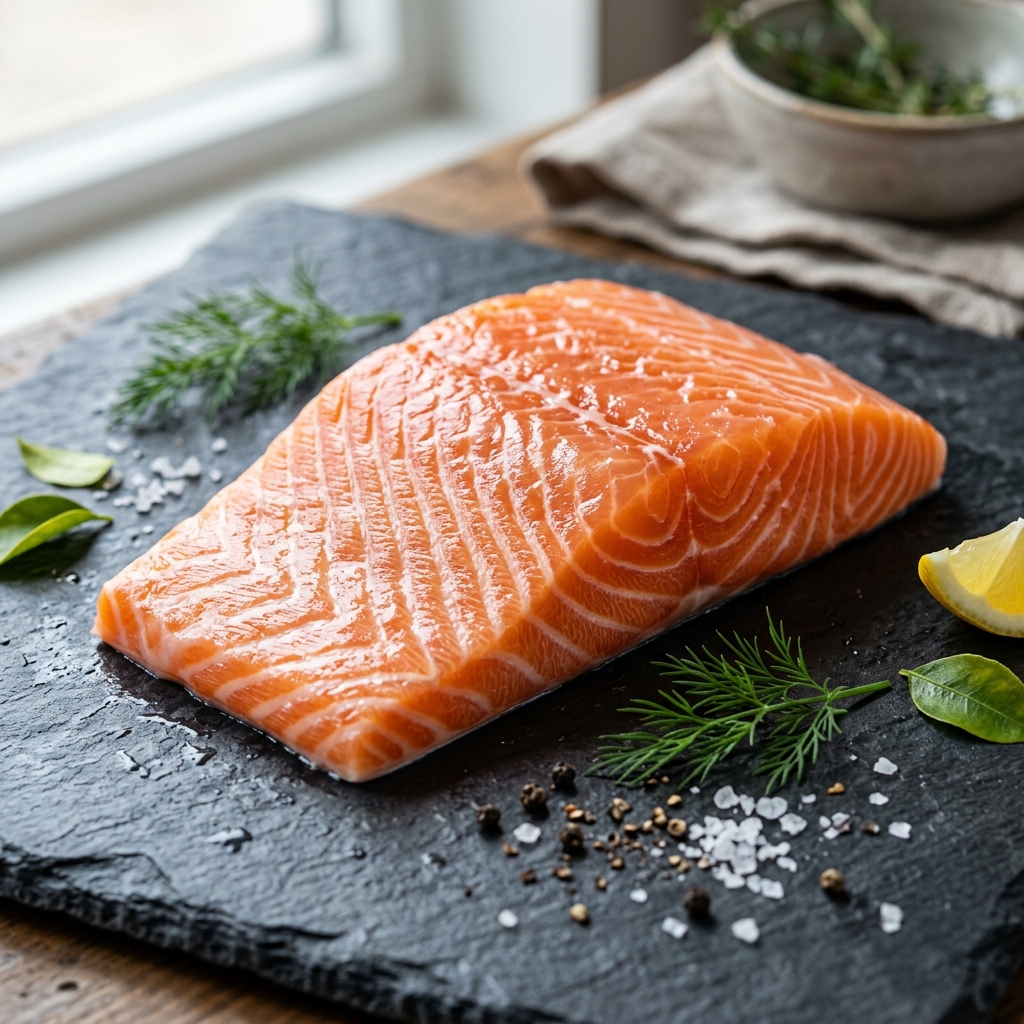
Salmon is one of the most nutrient-dense foods available, providing exceptional levels of omega-3 fatty acids (EPA and DHA), high-quality complete protein, vitamin D, B vitamins, selenium, and astaxanthin. Regular consumption supports cardiovascular health, brain function, eye health, reduces inflammation, and may lower the risk of heart disease, cognitive decline, and certain cancers.
Beneficial Context
Tree nuts rich in omega-3 fatty acids (alpha-linolenic acid), antioxidants, and various essential minerals.
Beneficial Context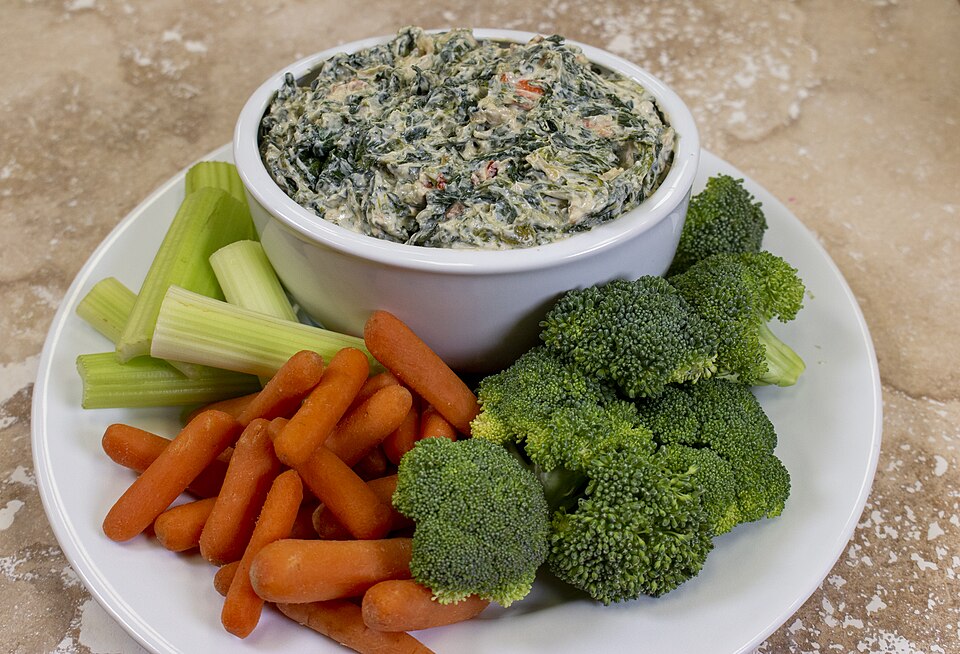
Spinach (Spinacia oleracea) is a highly nutritious leafy green vegetable packed with vitamins A, C, K1, folate, iron, calcium, and powerful antioxidants including lutein and zeaxanthin. Known for its anti-inflammatory properties and role in eye health, bone health, and cardiovascular protection, spinach is one of the most nutrient-dense foods available per calorie.
Beneficial Context60 min/day
30 min/session
45 min/session
60 min/session
Contextually connected pathways expanding from ADHD in Children
Browse the central knowledge graph to discover interconnected topics and lifestyle guides.
Search across 560+ canonical health entities, nutrients, and anatomical models.
Take interactive quizzes, explore 3D anatomy, and study evidence-based health courses.
⚠️ Disclaimer: This information is for educational purposes only. Always consult a healthcare professional for medical advice.