
Loading HealthVerse
Loading\u2026
Loading\u2026
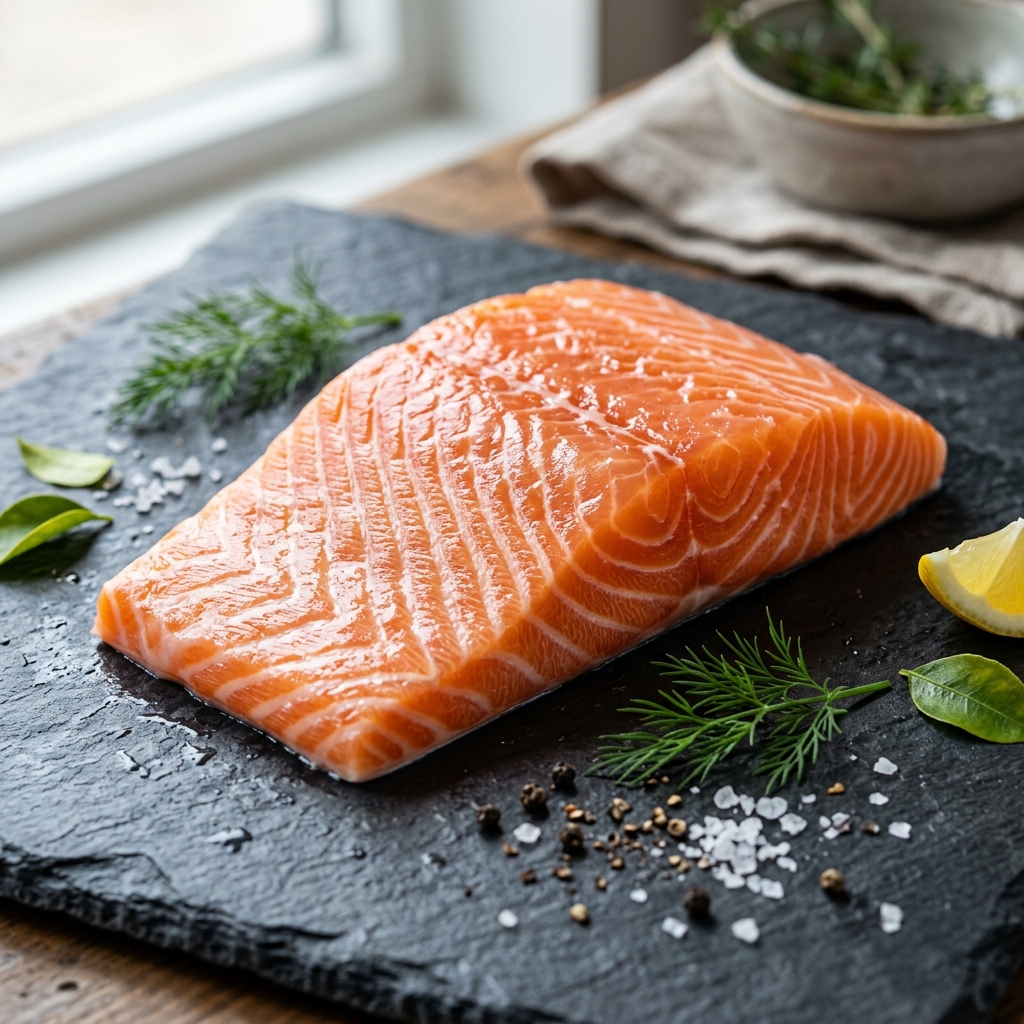
Salmon is one of the most nutrient-dense foods available, providing exceptional levels of omega-3 fatty acids (EPA and DHA), high-quality complete protein, vitamin D, B vitamins, selenium, and astaxanthin. Regular consumption supports cardiovascular health, brain function, eye health, reduces inflammation, and may lower the risk of heart disease, cognitive decline, and certain cancers.
Comprehensive nutritional guide to salmon: omega-3 content, health benefits, wild vs farmed considerations, and preparation methods
Omega-3 Fatty Acids (EPA & DHA)
Salmon is one of the richest dietary sources of EPA and DHA omega-3 fatty acids. These essential fats reduce systemic inflammation, lower triglycerides, reduce blood pressure, decrease arrhythmia risk, and slow the progression of atherosclerosis. The American Heart Association recommends fatty fish at least twice weekly for cardiovascular protection.
Heart Health
Regular salmon consumption reduces triglycerides by 15-30%, modestly lowers blood pressure, improves arterial flexibility, and reduces the risk of heart attack, stroke, and heart failure. A meta-analysis found that each 1-serving-per-week increment of fish consumption was associated with a 4% lower risk of fatal coronary heart disease.
Brain Function and Mental Health
DHA constitutes 40% of polyunsaturated fats in the brain and is essential for cognitive function throughout life. Higher fish consumption is associated with slower cognitive decline, reduced risk of dementia and Alzheimer's disease, and improved mood. Studies show omega-3 supplementation from fish sources reduces symptoms of depression.
Vitamin D Status
Wild salmon is one of the few significant dietary sources of vitamin D (11mcg per 3oz serving = 55% DV). Vitamin D is essential for calcium absorption, immune function, and bone health. Many populations have insufficient vitamin D levels, making fatty fish an important dietary source.
Eye Health
The DHA in salmon is a structural component of the retina. Adequate intake helps protect against age-related macular degeneration (AMD), the leading cause of blindness in adults over 50. The astaxanthin in salmon (which gives it its pink color) also provides potent antioxidant protection for the eyes.

Apples are one of the most popular and widely consumed fruits globally, known for their crisp texture, sweet-tart flavor, and impressive nutritional profile. Rich in fiber, vitamin C, potassium, and various antioxidants including quercetin and catechin, apples support digestive health, cardiovascular function, immune defense, and may help reduce the risk of chronic diseases including type 2 diabetes and certain cancers.
Fruits
Avocados (Persea americana) are unique fruits exceptionally rich in heart-healthy monounsaturated fats (primarily oleic acid), fiber, potassium, vitamin K1, folate, vitamin E, and lutein. Unlike most fruits, they are low in sugar and high in healthy fats, supporting cardiovascular health, nutrient absorption from other foods, weight management, eye health, and cognitive function.
Fruits
Bananas are one of the world's most popular fruits, valued for their natural sweetness, convenient packaging, and exceptional potassium content. Rich in vitamin B6, vitamin C, fiber, magnesium, and natural energy in the form of easily digestible carbohydrates, bananas support heart health, digestive function, exercise performance, and mood regulation through their unique nutritional and prebiotic properties.
Fruits
Blueberries are small, sweet berries often labeled a superfood due to their exceptional concentration of antioxidants, particularly anthocyanins. Rich in vitamin C, vitamin K1, manganese, and fiber, blueberries support brain health, cardiovascular function, eye health, and may help reduce the risk of age-related cognitive decline and chronic diseases.
FruitsA condition in which the blood lacks adequate healthy red blood cells due to insufficient iron.
ConditionsArthritis is a broad term encompassing over 100 conditions affecting joints and surrounding tissues. The most common forms are osteoarthritis (OA) and rheumatoid arthritis (RA). Arthritis causes joint pain, swelling, stiffness, and reduced range of motion, significantly impacting quality of life and functional capacity.
ConditionsA progressive lung disease characterized by chronic respiratory symptoms due to airway and alveolar abnormalities.
ConditionsCoronary Artery Disease (CAD), also known as ischemic heart disease or coronary heart disease, is a condition characterized by reduced blood flow to the heart muscle due to atherosclerotic plaque buildup in the coronary arteries. It is the leading cause of death worldwide, responsible for approximately 9.4 million deaths annually.
ConditionsA common and serious mood disorder that causes persistent feelings of sadness, hopelessness, and loss of interest in daily activities.
ConditionsA chronic inflammatory skin condition characterized by dry, itchy, and inflamed skin, often starting in childhood.
ConditionsContextually connected pathways expanding from Salmon
Investigate detailed biochemical breakdown, RDA values, and nutrient density for Salmon.
Evaluate Salmon side-by-side with related whole foods on an identical 100g reference basis.
Discover culinary preparations and nutrient-rich meals featuring Salmon.
⚠️ Disclaimer: This information is for educational purposes only. Always consult a healthcare professional for medical advice.