
Loading HealthVerse
Loading\u2026
Loading\u2026
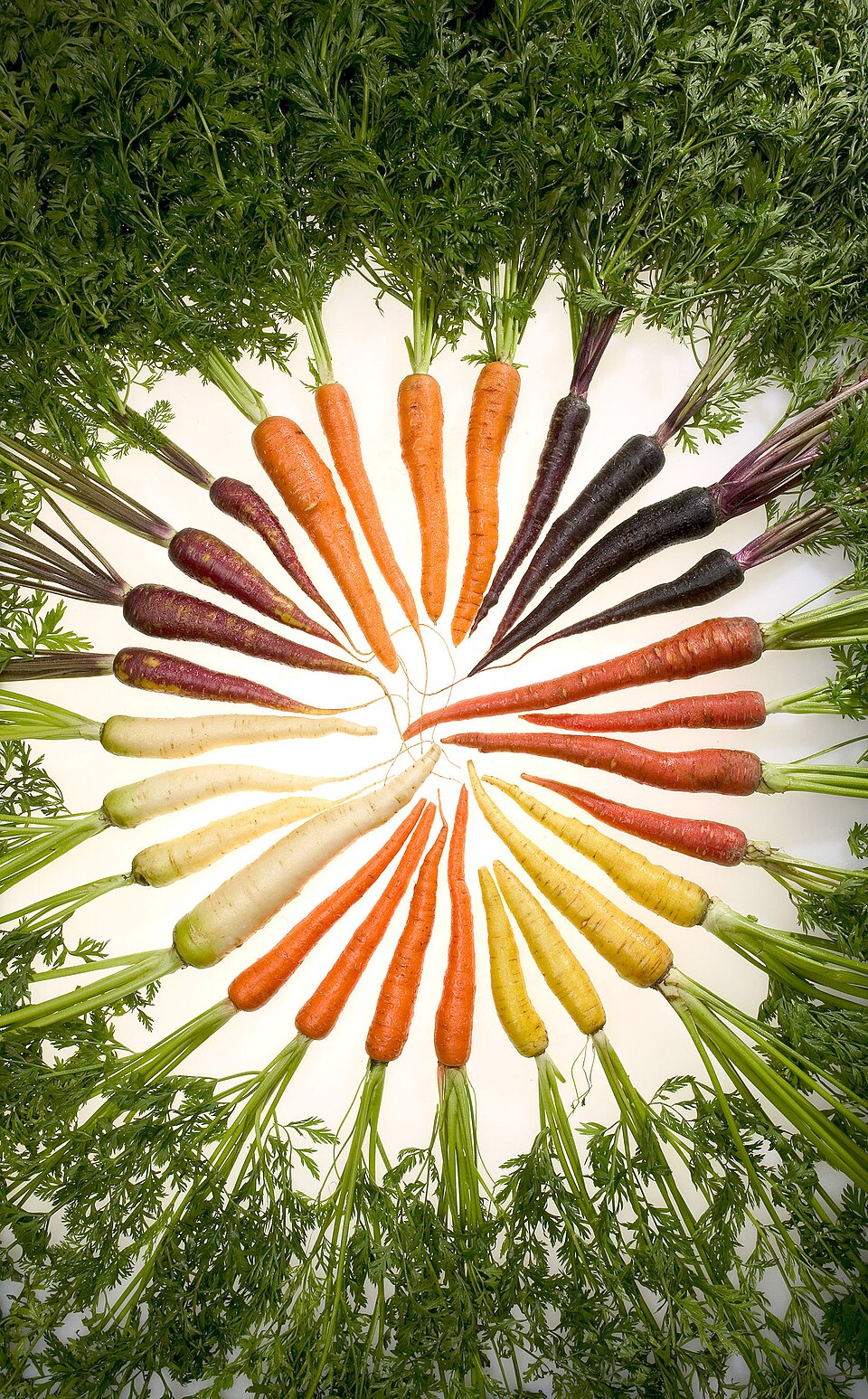
Carrots (Daucus carota) are root vegetables renowned for their exceptional beta-carotene content, which the body converts to vitamin A. Rich in fiber, vitamin K1, potassium, and antioxidants including lutein and anthocyanins (in purple varieties), carrots support eye health, immune function, skin health, cardiovascular health, and digestive wellness.
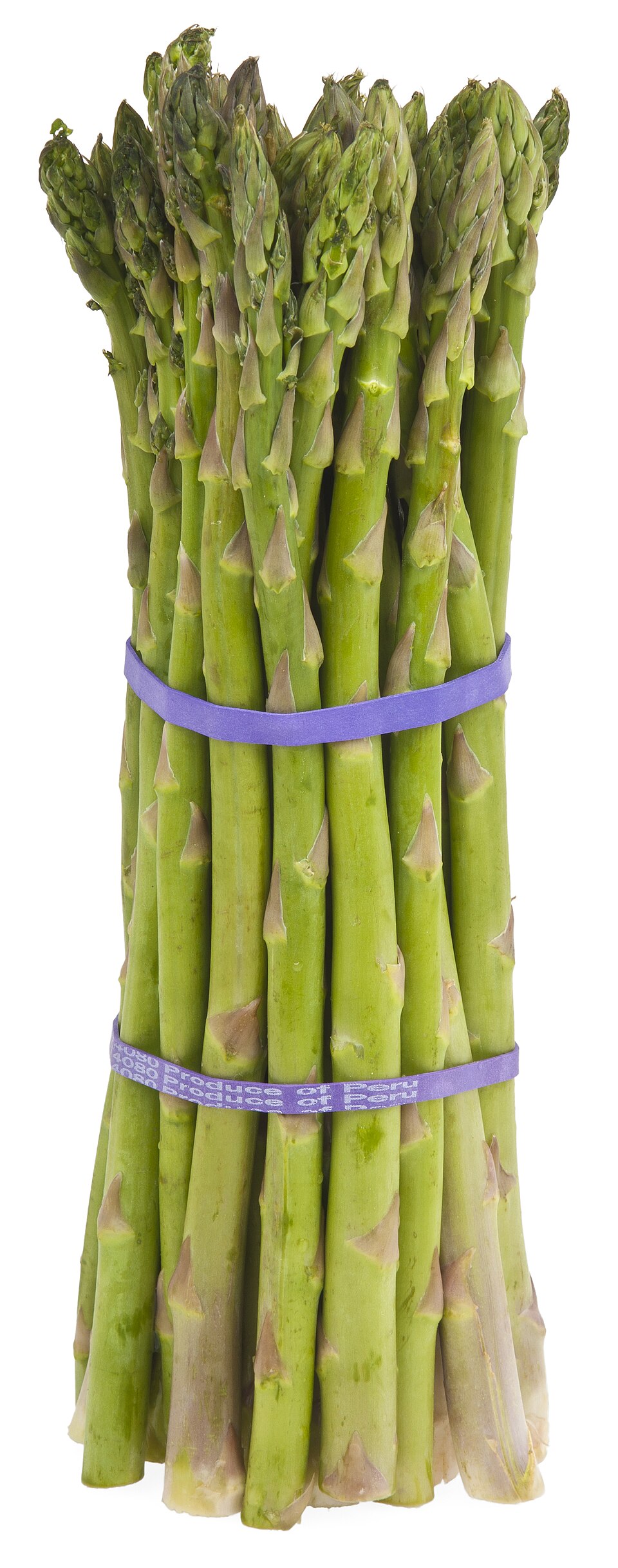
A green spear-shaped vegetable rich in folate and vitamins A, C, and K.
Foods
A deep red root vegetable rich in folate, manganese, and dietary nitrates.
Foods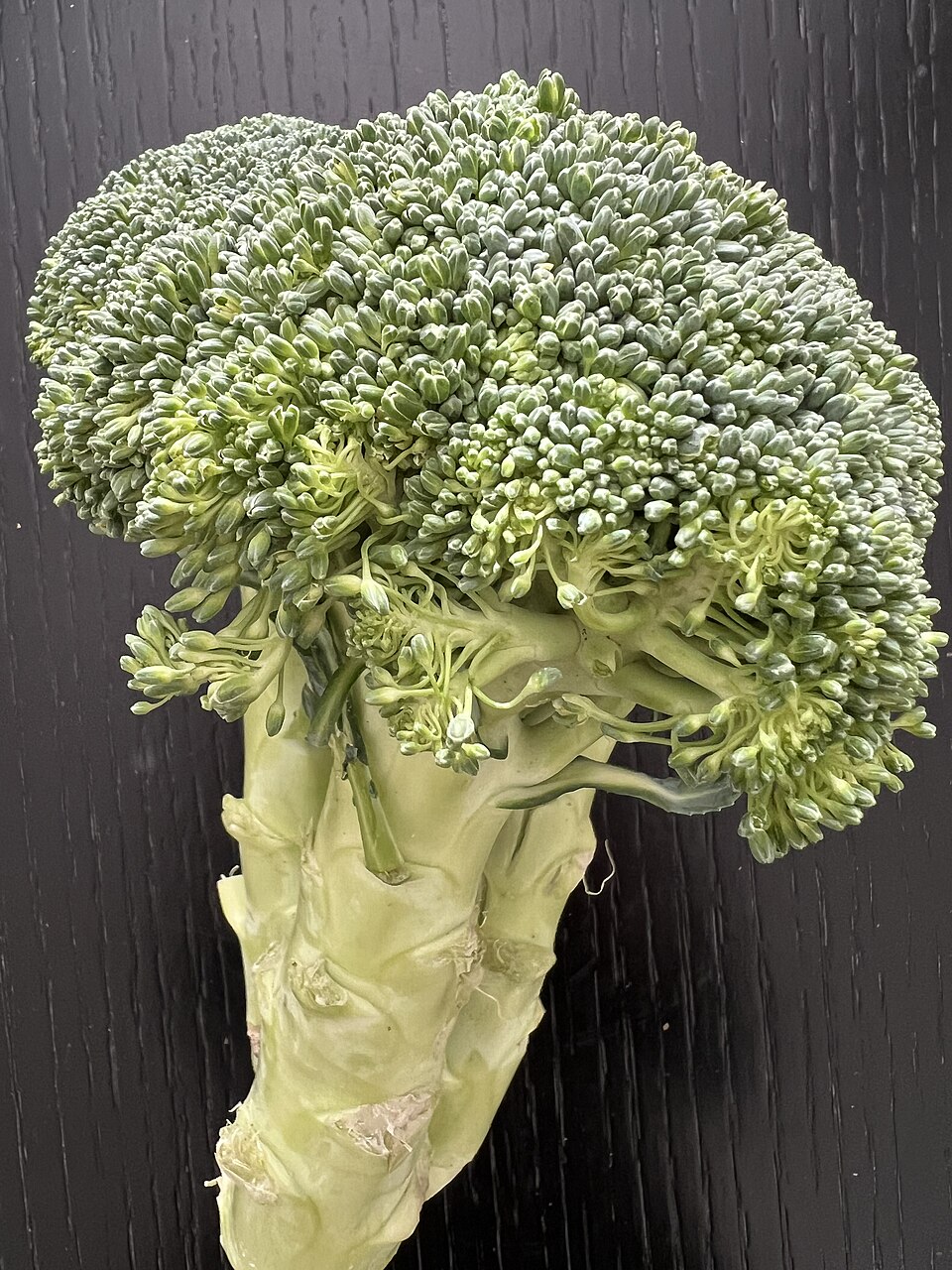
A green cruciferous vegetable rich in vitamin C, vitamin K, and sulforaphane.
Foods
Small green cruciferous vegetables resembling mini cabbages, rich in vitamin K and vitamin C.
Foods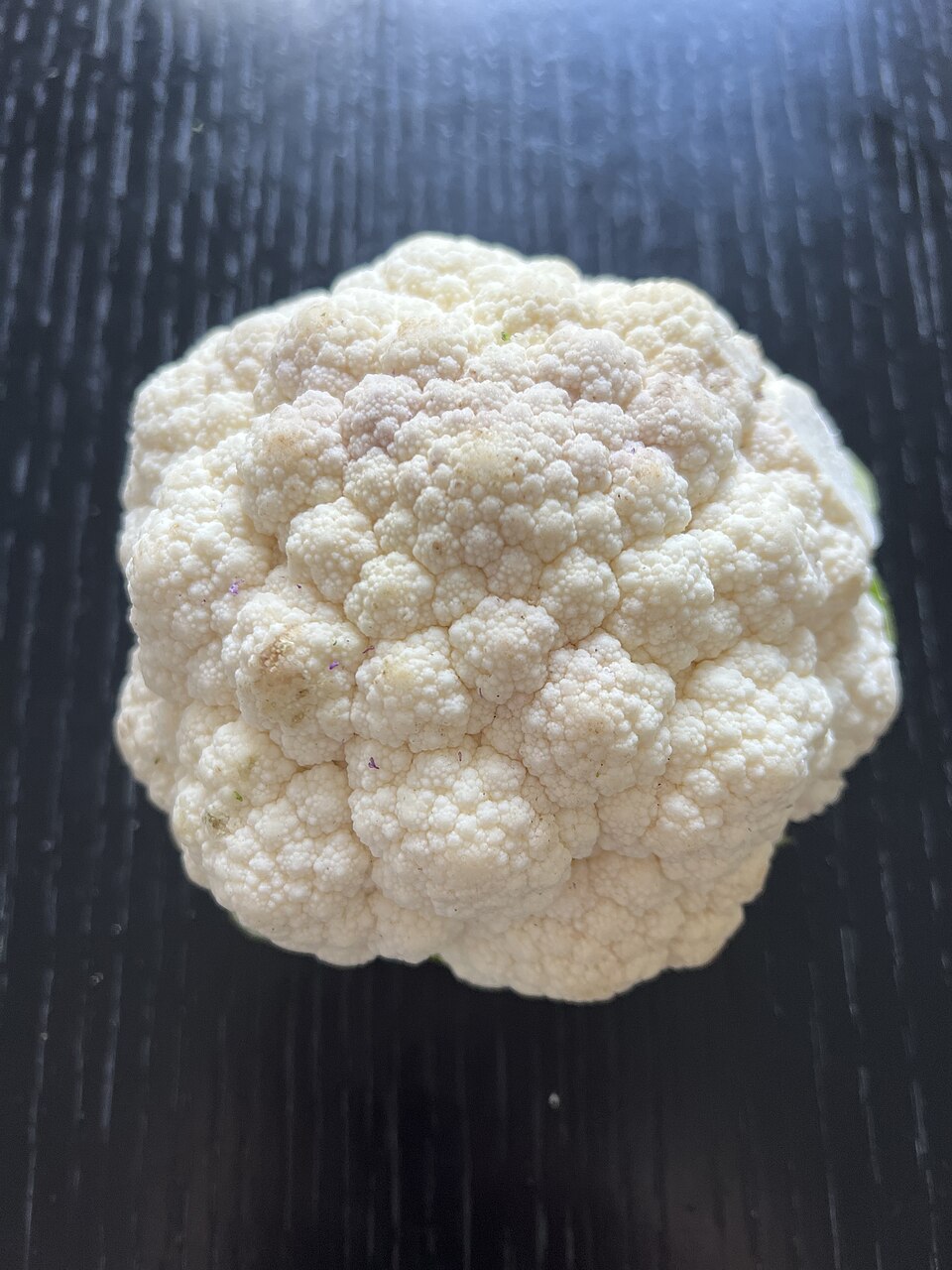
A white cruciferous vegetable low in calories and rich in vitamin C and fiber.
Foods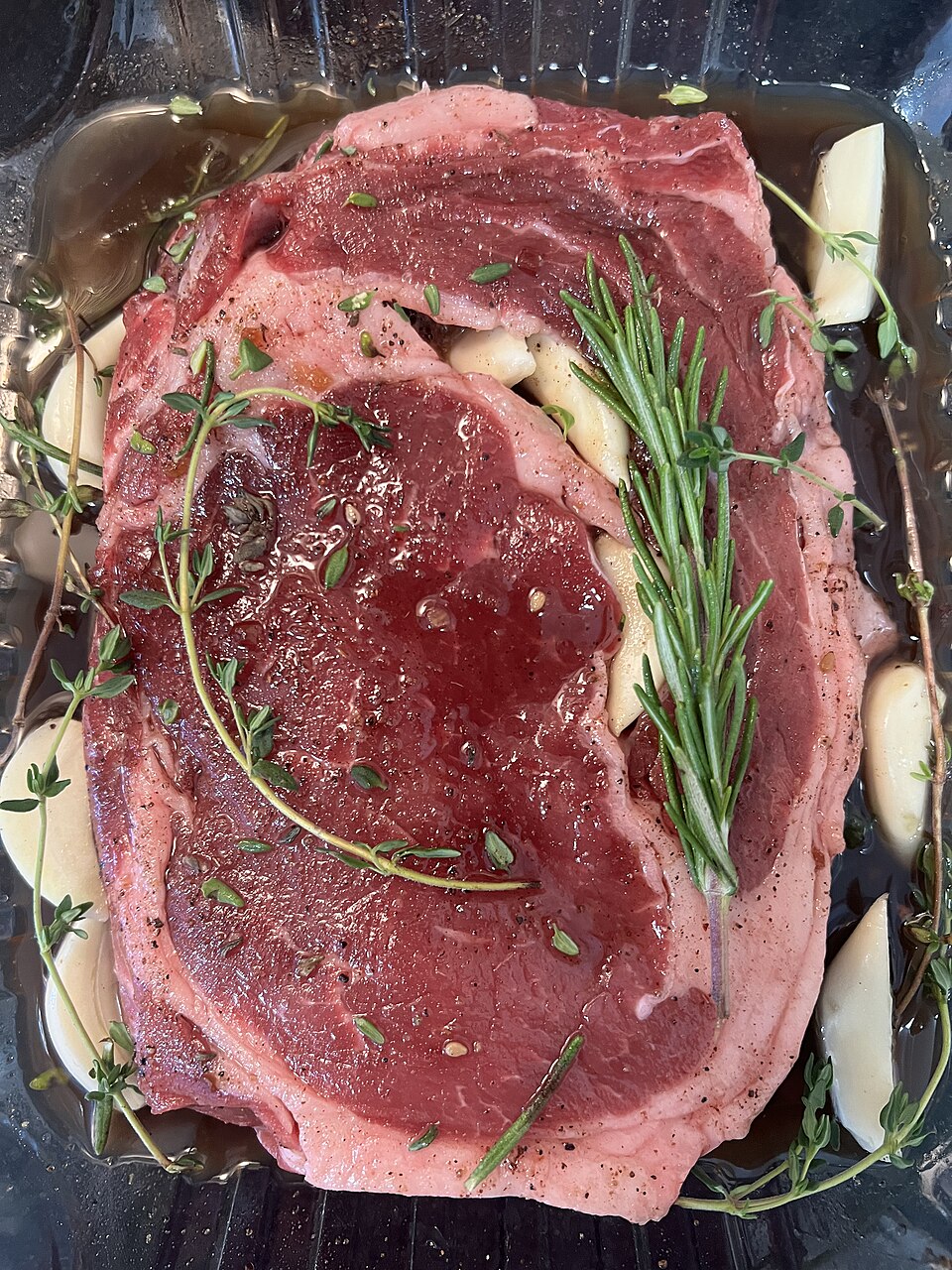
Garlic, Raw is a nutrient-dense food providing approximately 149 calories per serving. It offers notable garlic, food benefits. Regular consumption as part of a balanced diet contributes to overall health and wellbeing.
FoodsContextually connected pathways expanding from Carrot
Investigate detailed biochemical breakdown, RDA values, and nutrient density for Carrot.
Evaluate Carrot side-by-side with related whole foods on an identical 100g reference basis.
Discover culinary preparations and nutrient-rich meals featuring Carrot.
⚠️ Disclaimer: This information is for educational purposes only. Always consult a healthcare professional for medical advice.