
Loading HealthVerse
Loading\u2026
Loading\u2026
Complete food nutrition database
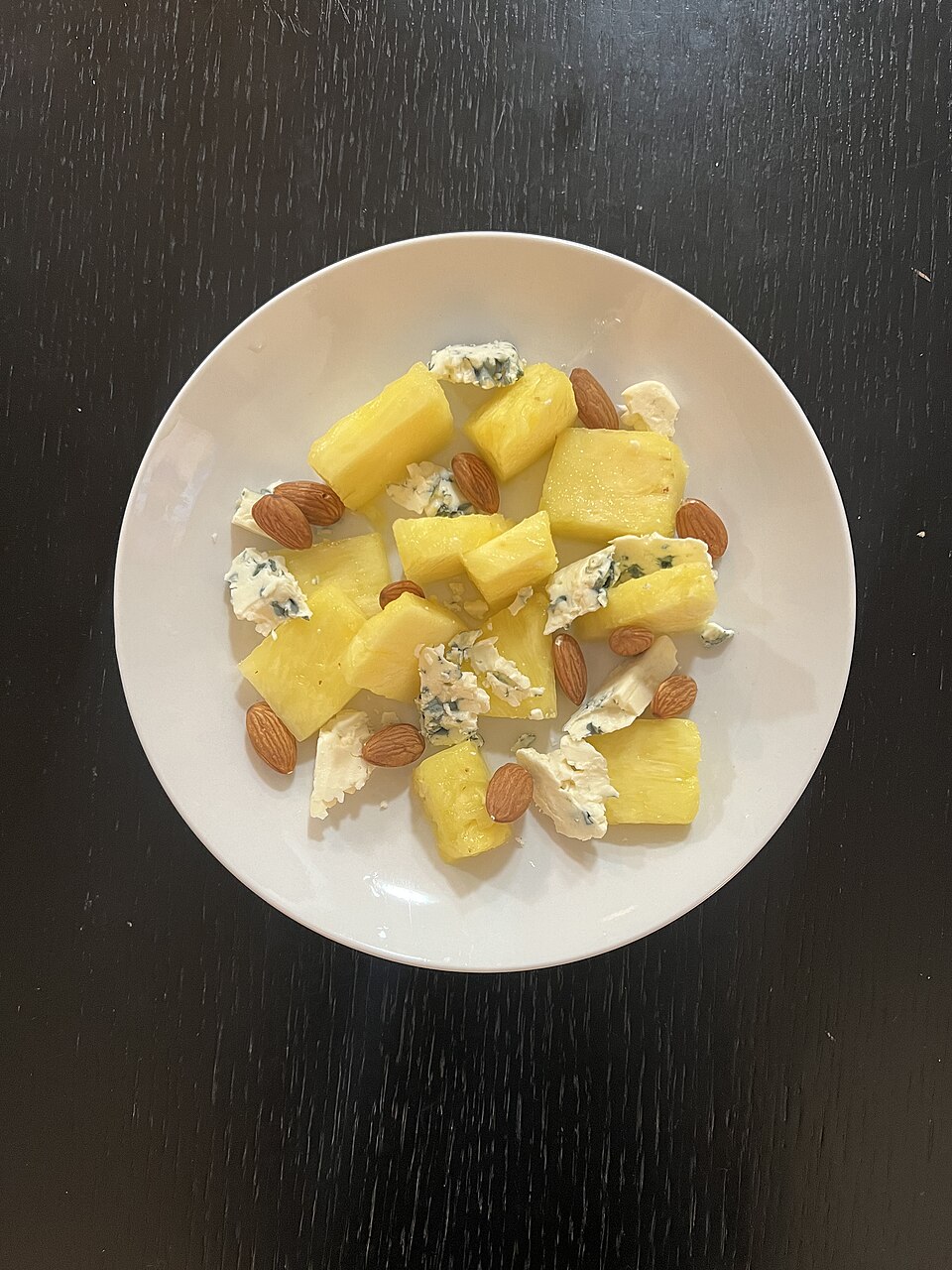
Nutrient-rich tree nuts packed with healthy fats, protein, fiber, and vitamin E.

A round fruit with red or green skin and crisp white flesh, commonly eaten raw.
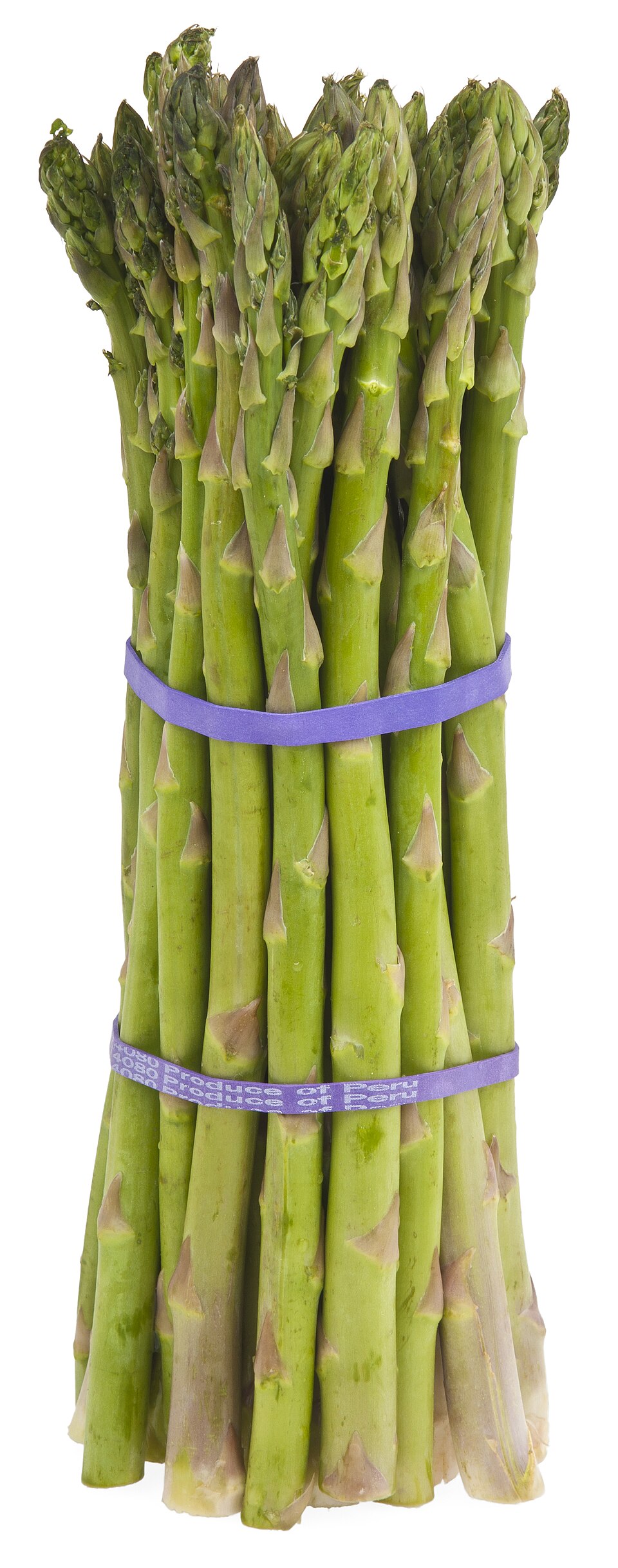
A green spear-shaped vegetable rich in folate and vitamins A, C, and K.

An aromatic herb from the mint family commonly used in Mediterranean and Asian cuisines.

Lean cuts of beef provide high-quality protein, iron, zinc, and B vitamins.
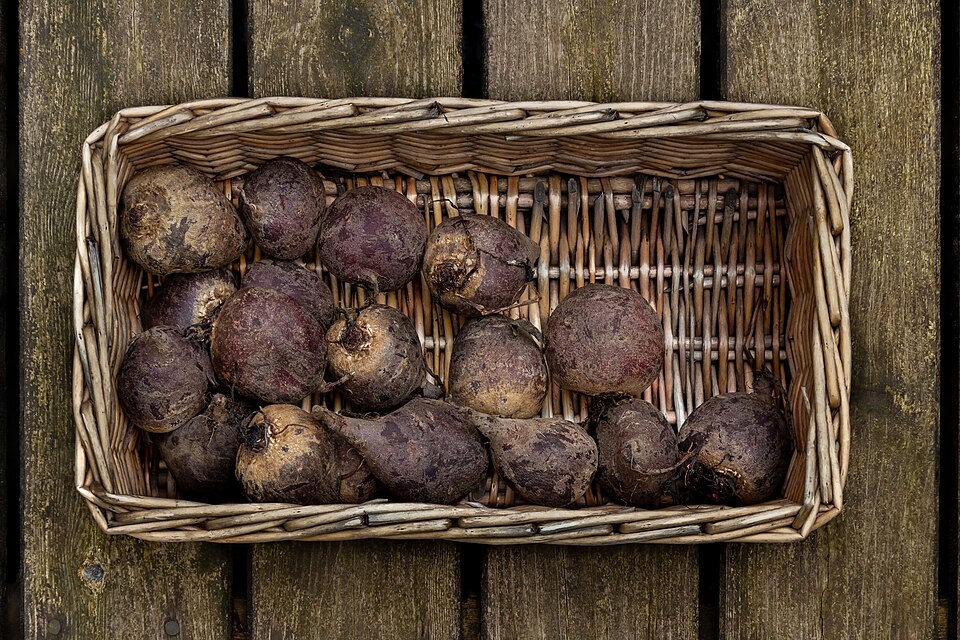
A deep red root vegetable rich in folate, manganese, and dietary nitrates.
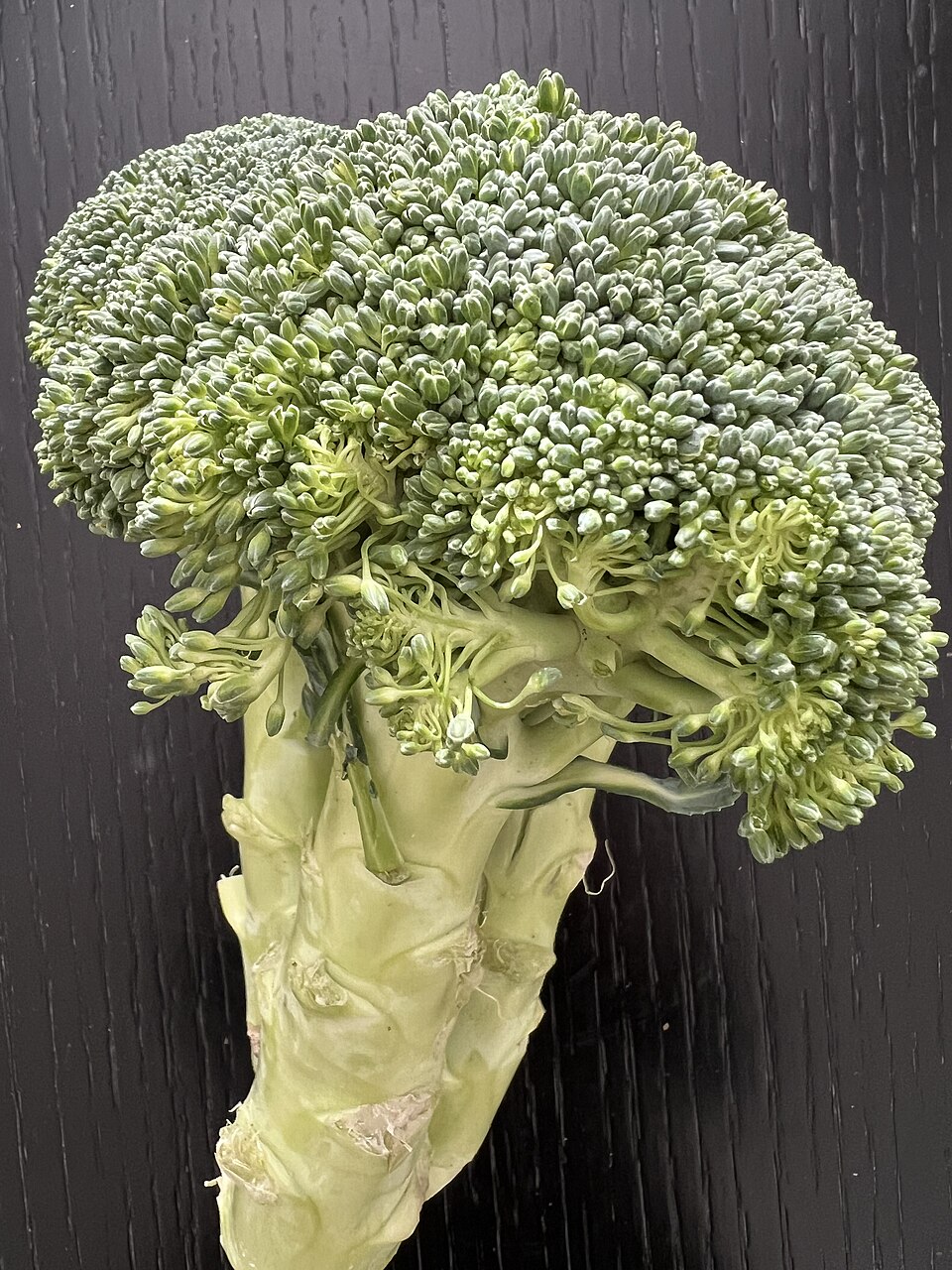
A green cruciferous vegetable rich in vitamin C, vitamin K, and sulforaphane.
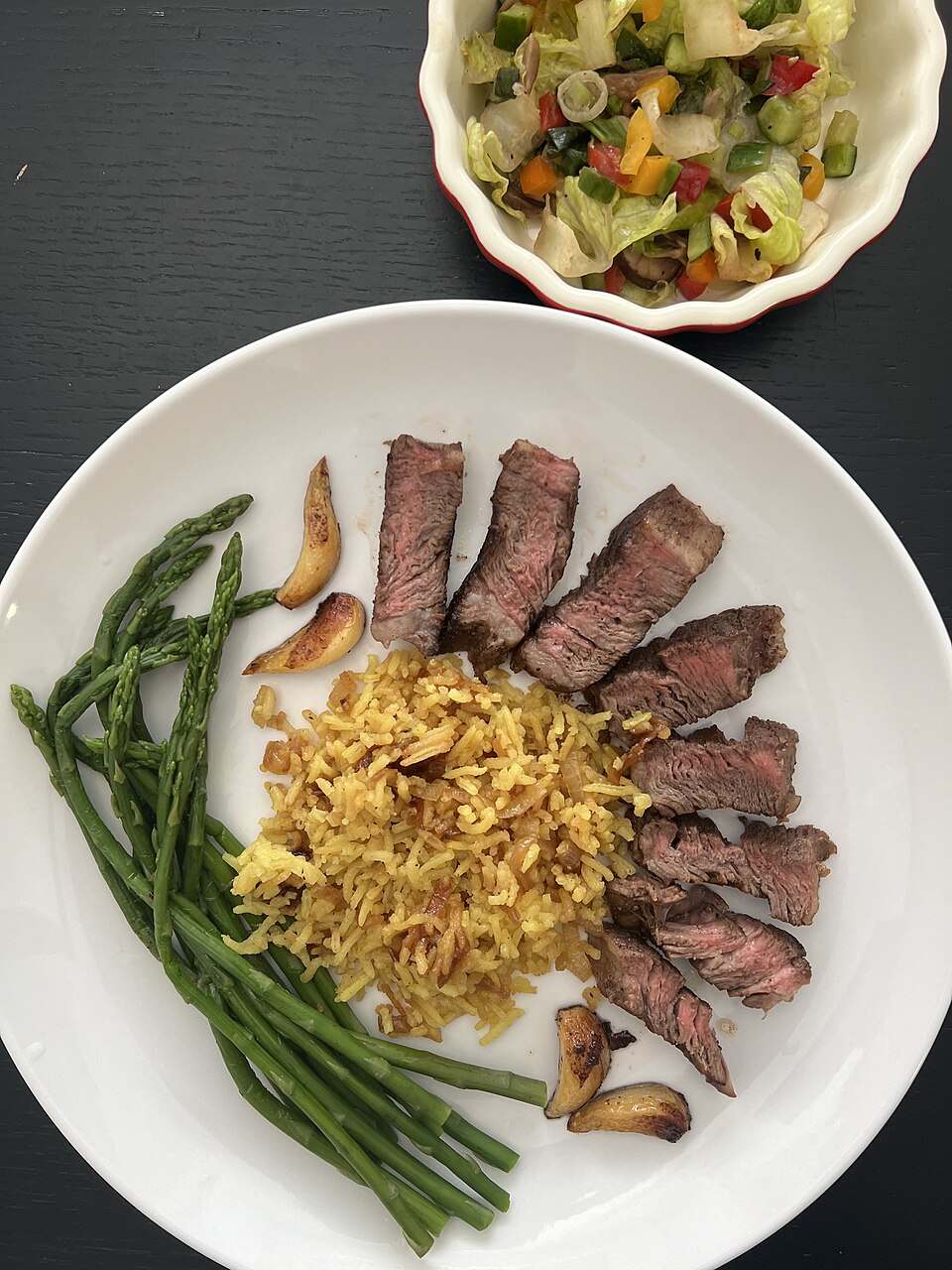
A whole grain rice with the bran layer intact, providing fiber, magnesium, and B vitamins.

Small green cruciferous vegetables resembling mini cabbages, rich in vitamin K and vitamin C.
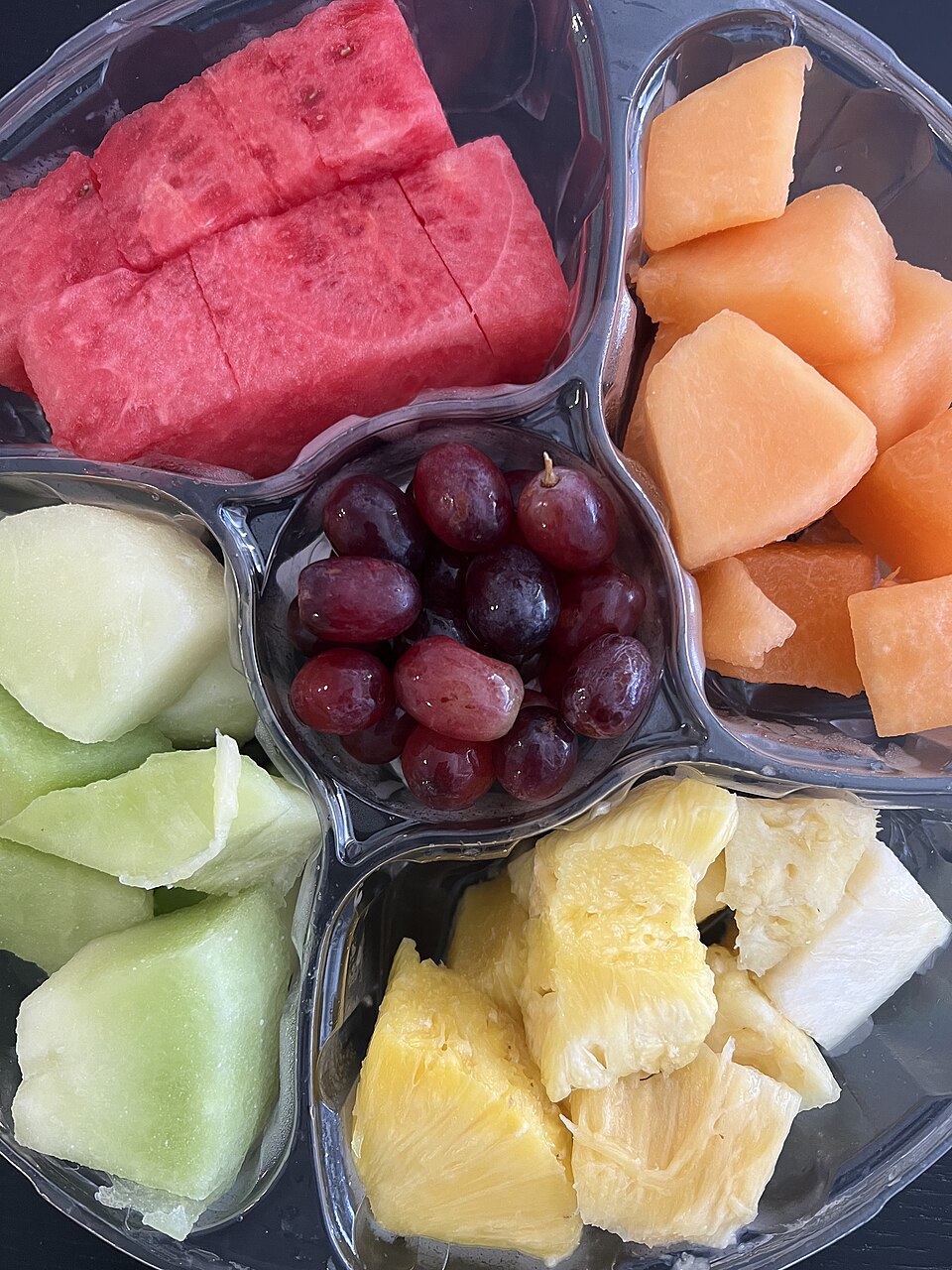
A sweet, orange-fleshed melon rich in vitamin A and vitamin C.
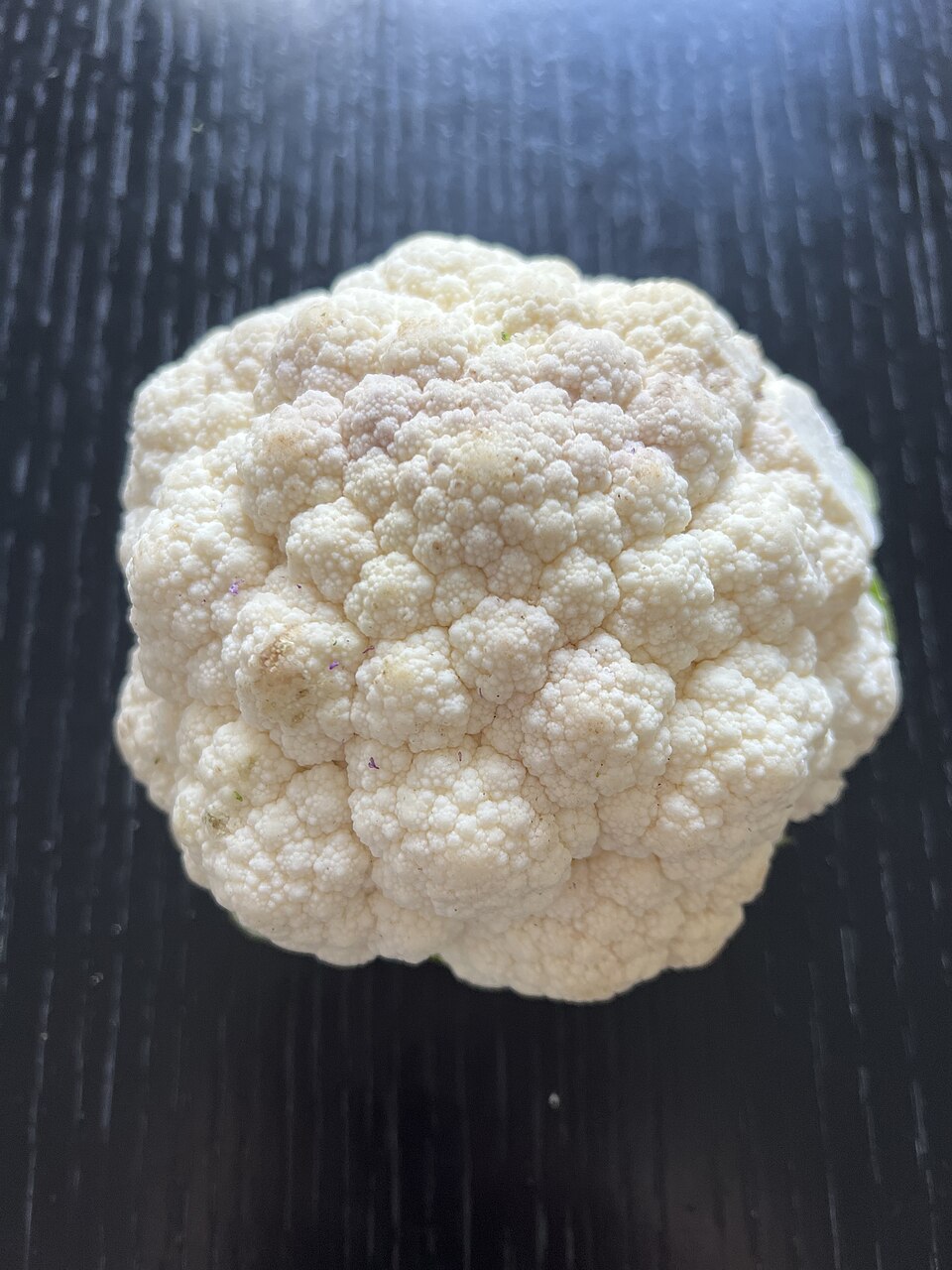
A white cruciferous vegetable low in calories and rich in vitamin C and fiber.

A hard, aged cow's milk cheese with a sharp flavor, rich in calcium and protein.

A lean, high-protein meat from the breast of chickens, widely consumed as a healthy protein source.
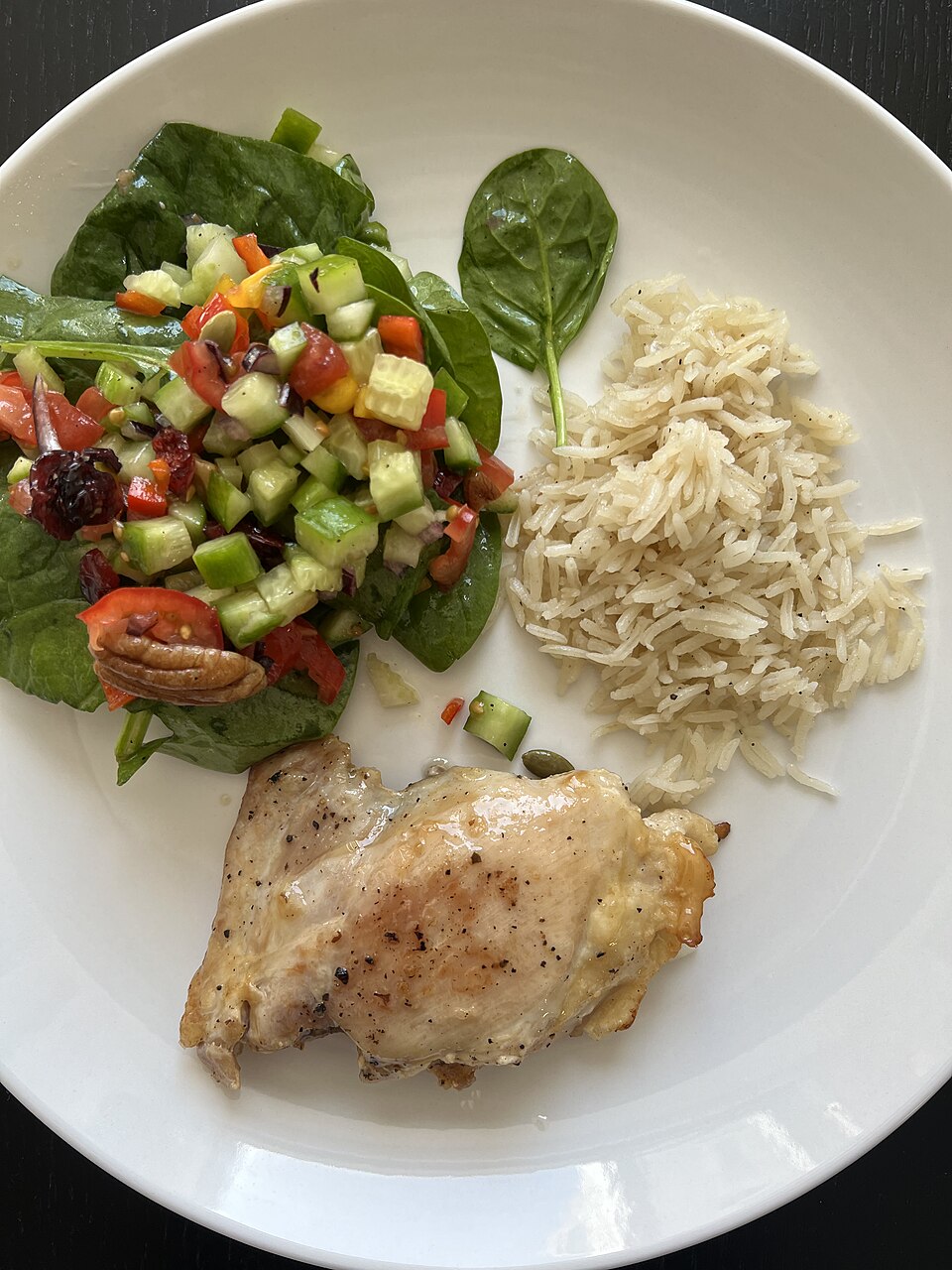
A dark meat cut from the upper leg of the chicken, tender and flavorful with higher fat than breast.
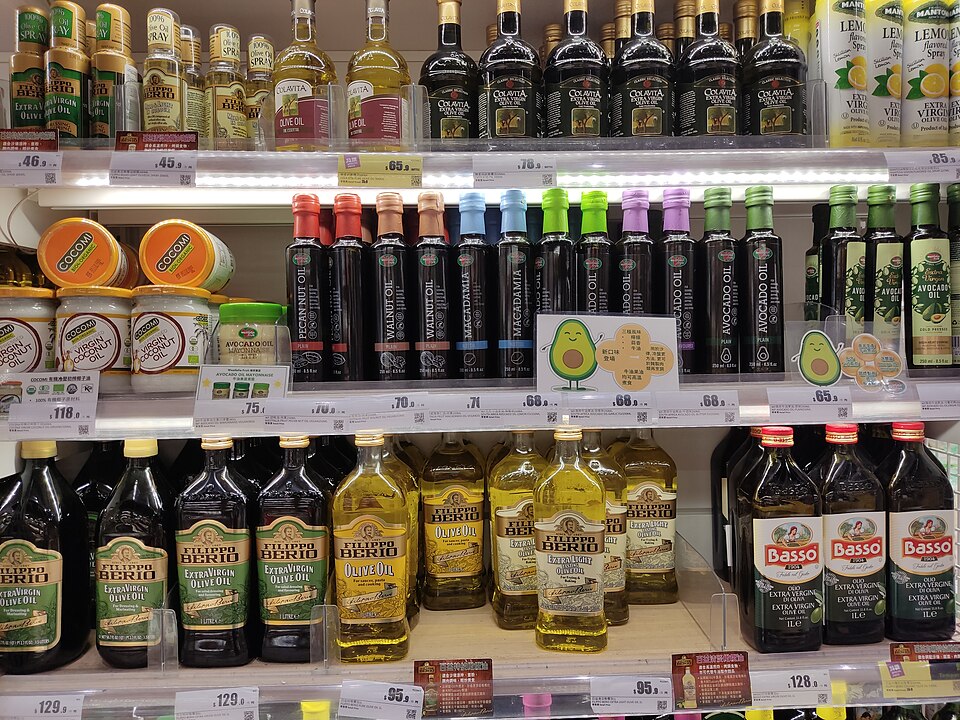
A tropical oil extracted from coconut meat, composed almost entirely of saturated fats.

A brewed beverage made from roasted coffee beans, virtually calorie-free and rich in antioxidants.
A brewed beverage made from roasted coffee beans, virtually calorie-free and rich in antioxidants.
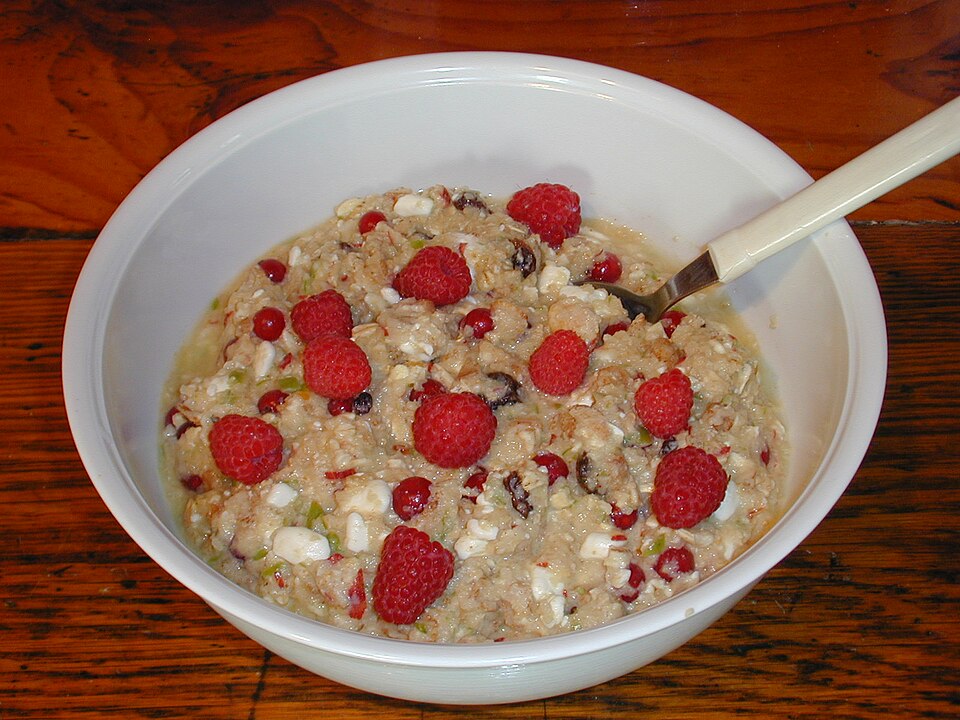
A fresh, soft cheese made from curdled milk, high in protein and low in fat.

Tart red berries packed with antioxidants and vitamin C, often consumed dried or as juice.

A cocoa-rich chocolate with at least 70% cacao solids, high in antioxidants and minerals.
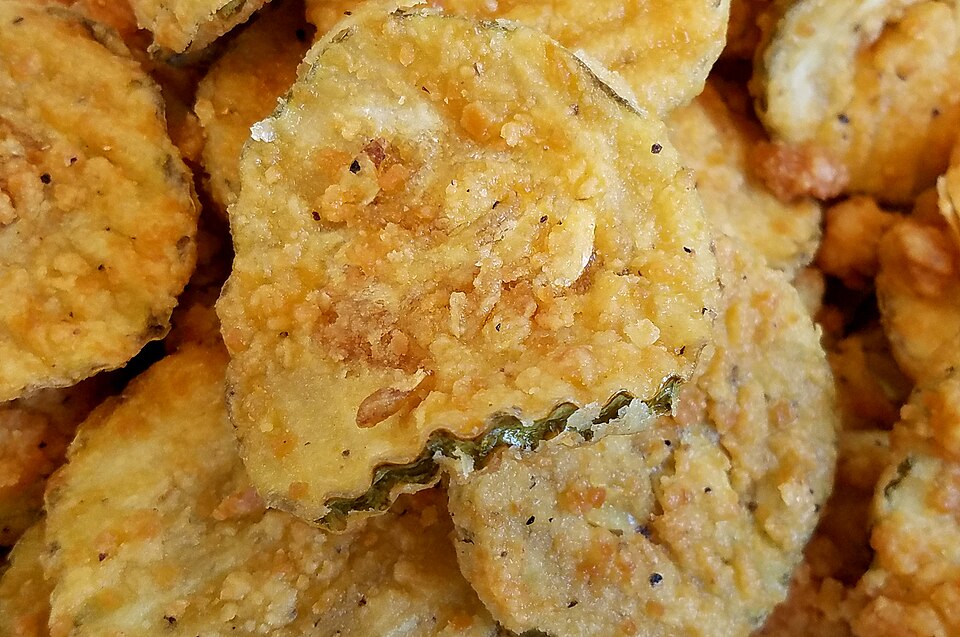
A feathery herb with a distinctive flavor used in pickling and Mediterranean dishes.
Young soybeans steamed or boiled in the pod, rich in plant protein and fiber.

A highly nutritious food rich in high-quality protein, healthy fats, vitamins, and minerals, especially choline and vitamin D.

Processed foods are products made from ingredients that have been altered from their natural state through various methods, such as cooking, freezing, or adding preservatives. While some processed foods may be nutritious, many are high in added sugars, salt, and unhealthy fats, which can increase the risk of chronic diseases like heart disease and diabetes. Consuming a diet rich in whole, minimally processed foods is generally recommended for optimal health.

Refined sugar, also known as white sugar, is a highly processed form of sucrose derived from either sugarcane or sugar beets. It is characterized by its high glycemic index, which can cause a rapid spike in blood sugar levels, and its lack of nutritional value. Consuming refined sugar in excess has been linked to various health problems, including obesity, type 2 diabetes, and tooth decay.

Small brown or golden seeds rich in omega-3 fatty acids, lignans, and soluble fiber.
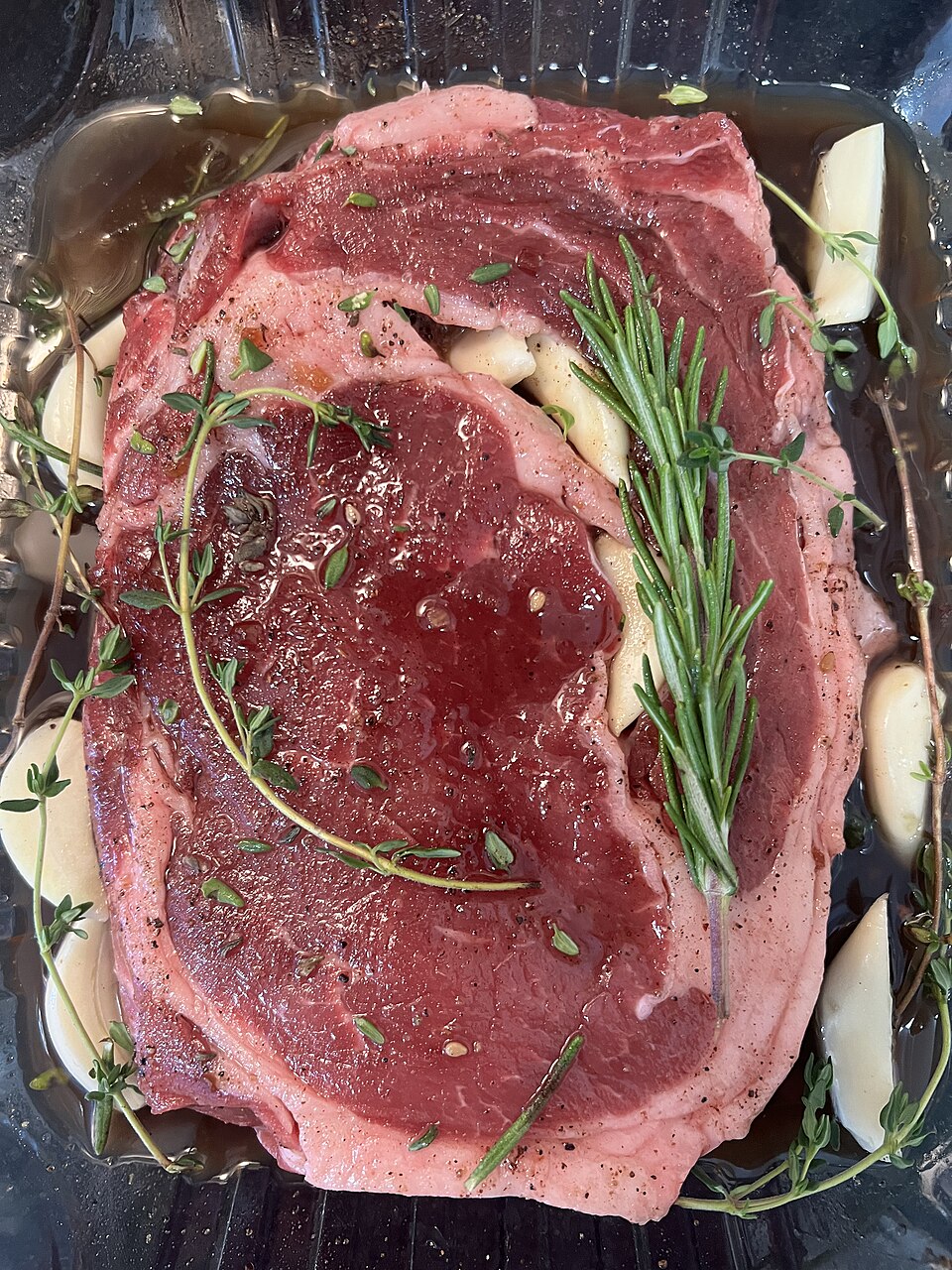
Garlic, Raw is a nutrient-dense food providing approximately 149 calories per serving. It offers notable garlic, food benefits. Regular consumption as part of a balanced diet contributes to overall health and wellbeing.
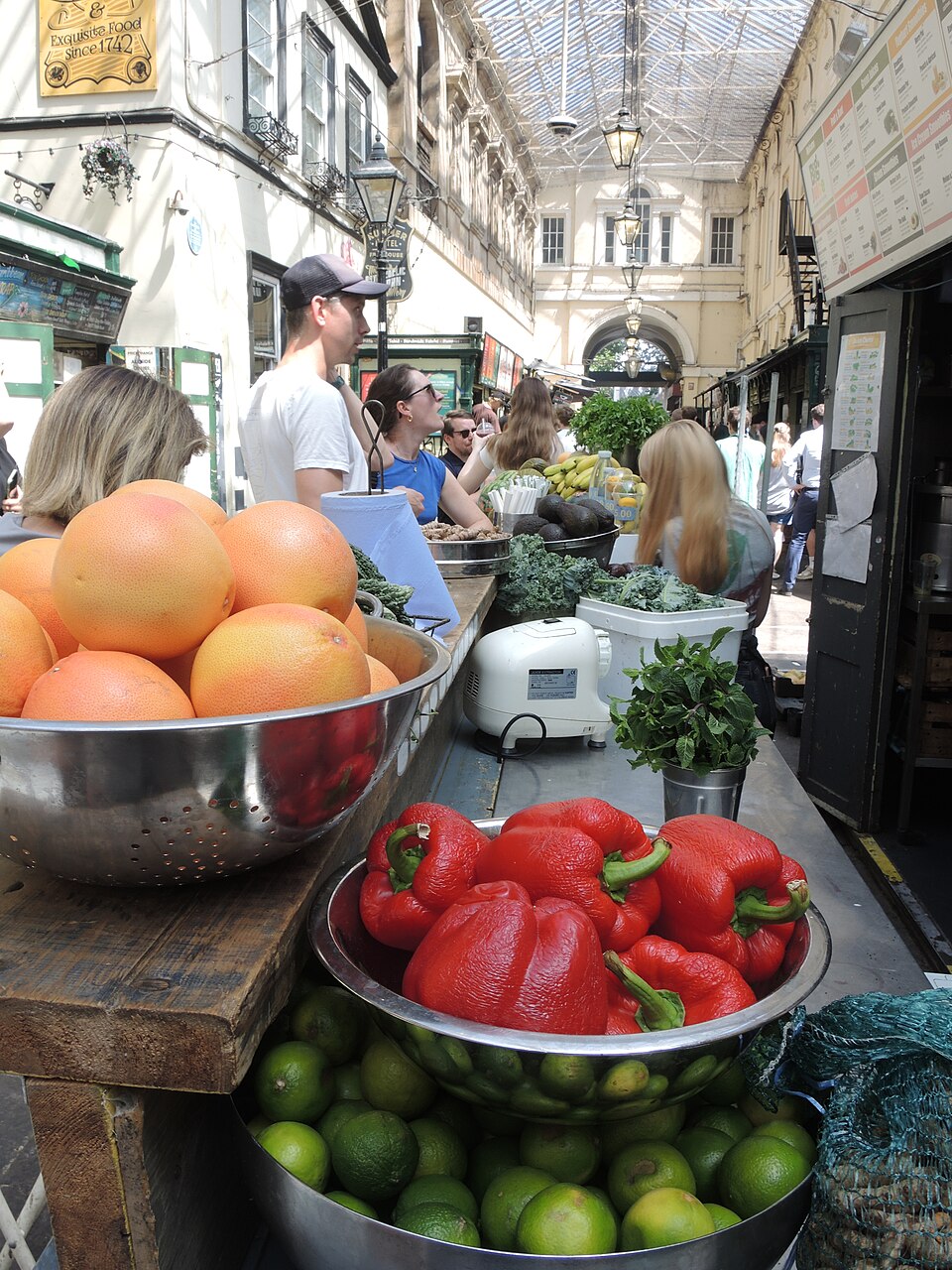
A tangy citrus fruit with pink or white flesh, rich in vitamin C and antioxidants.
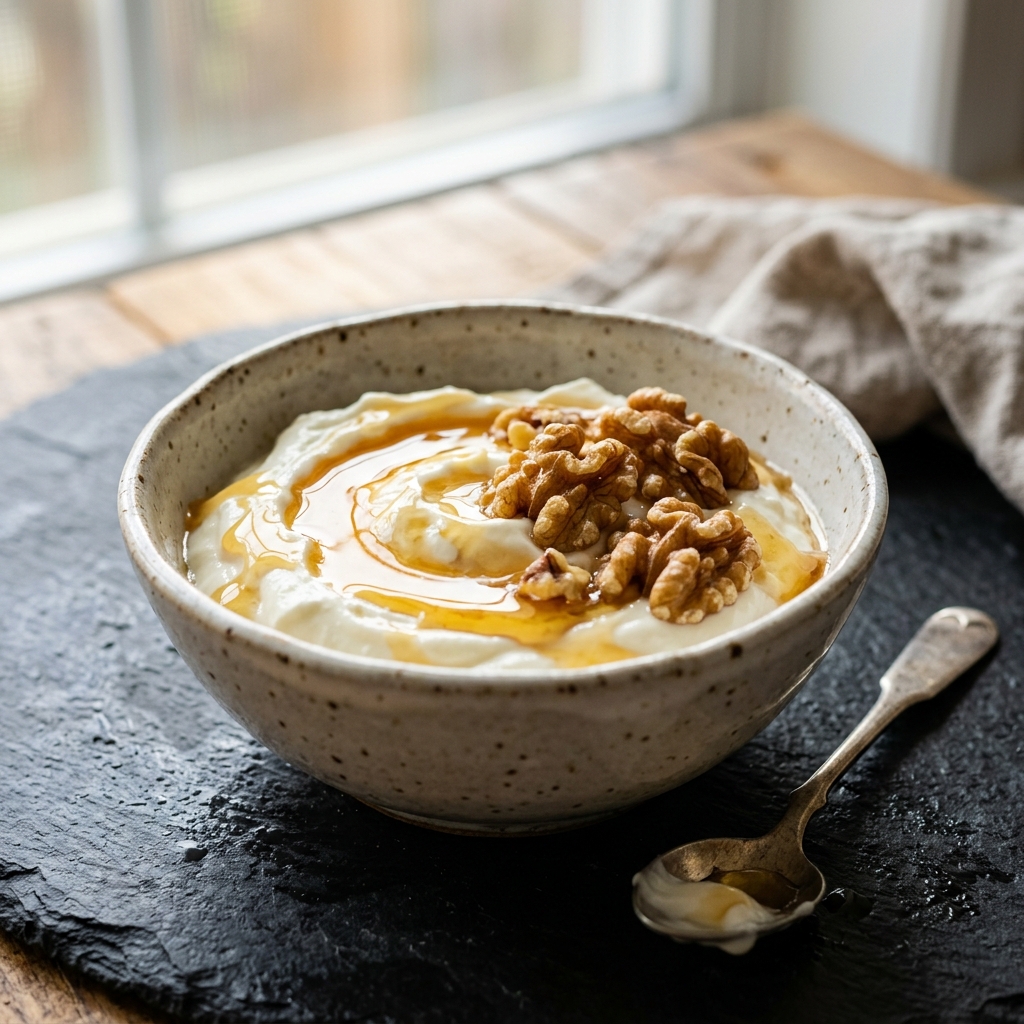
A strained yogurt with a thick, creamy texture and higher protein content than regular yogurt, rich in probiotics and calcium.
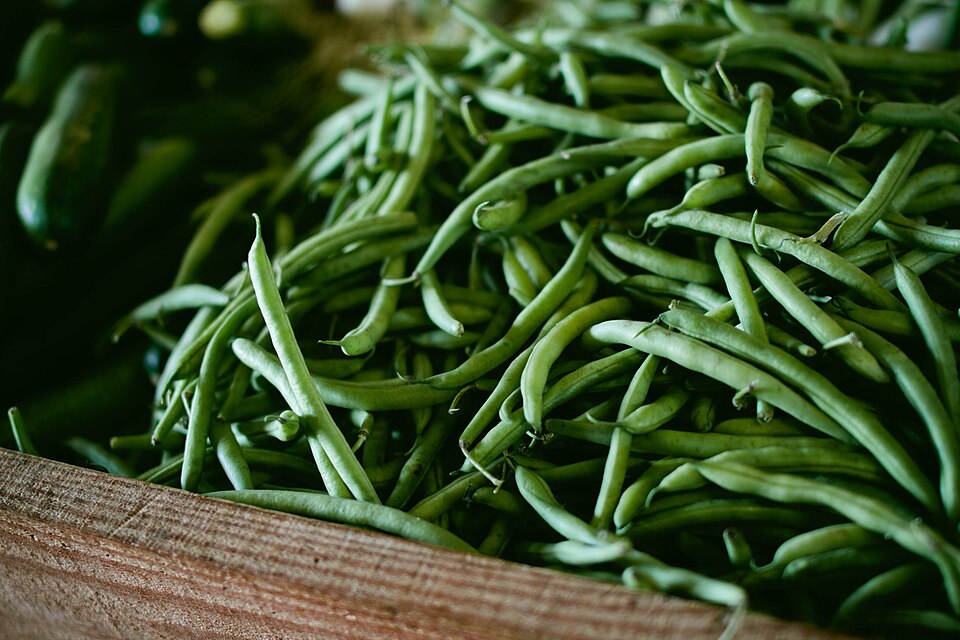
Long, slender edible pods of the common bean plant, low in calories and rich in vitamins.
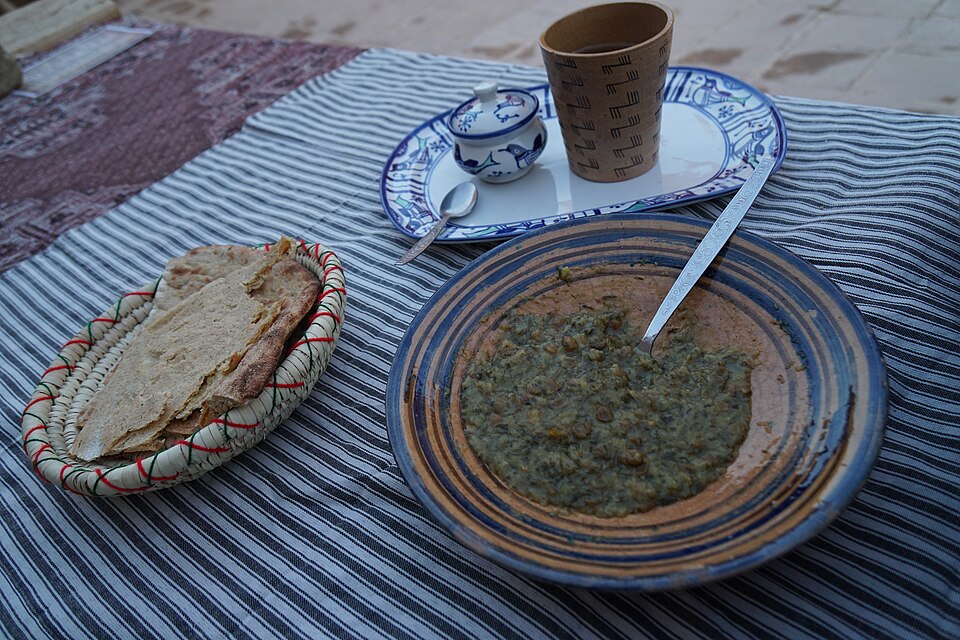
A beverage made from Camellia sinensis leaves, rich in antioxidants, particularly catechins, with numerous health benefits.
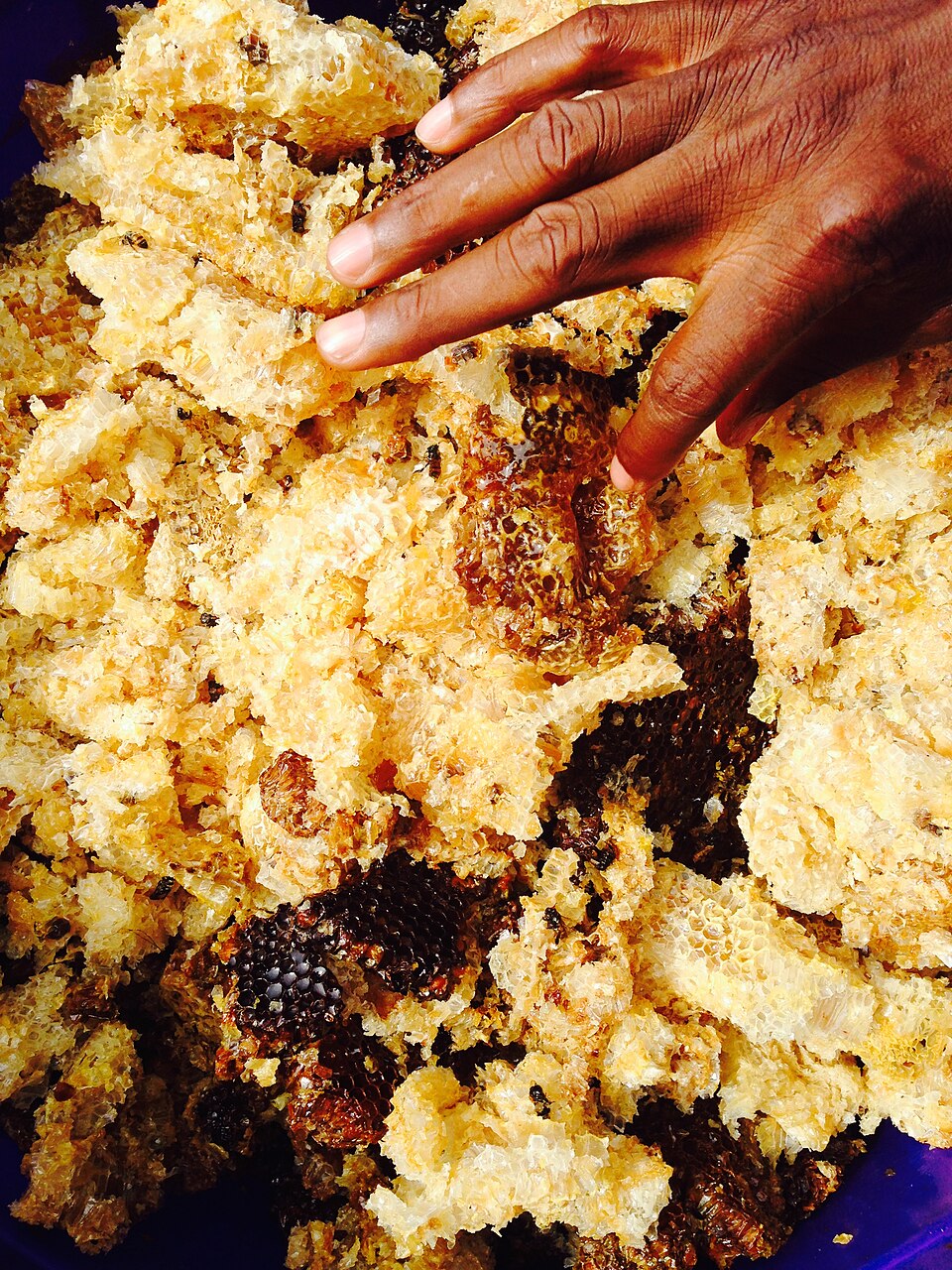
A sweet, viscous syrup produced by bees from flower nectar, rich in natural sugars and antioxidants.
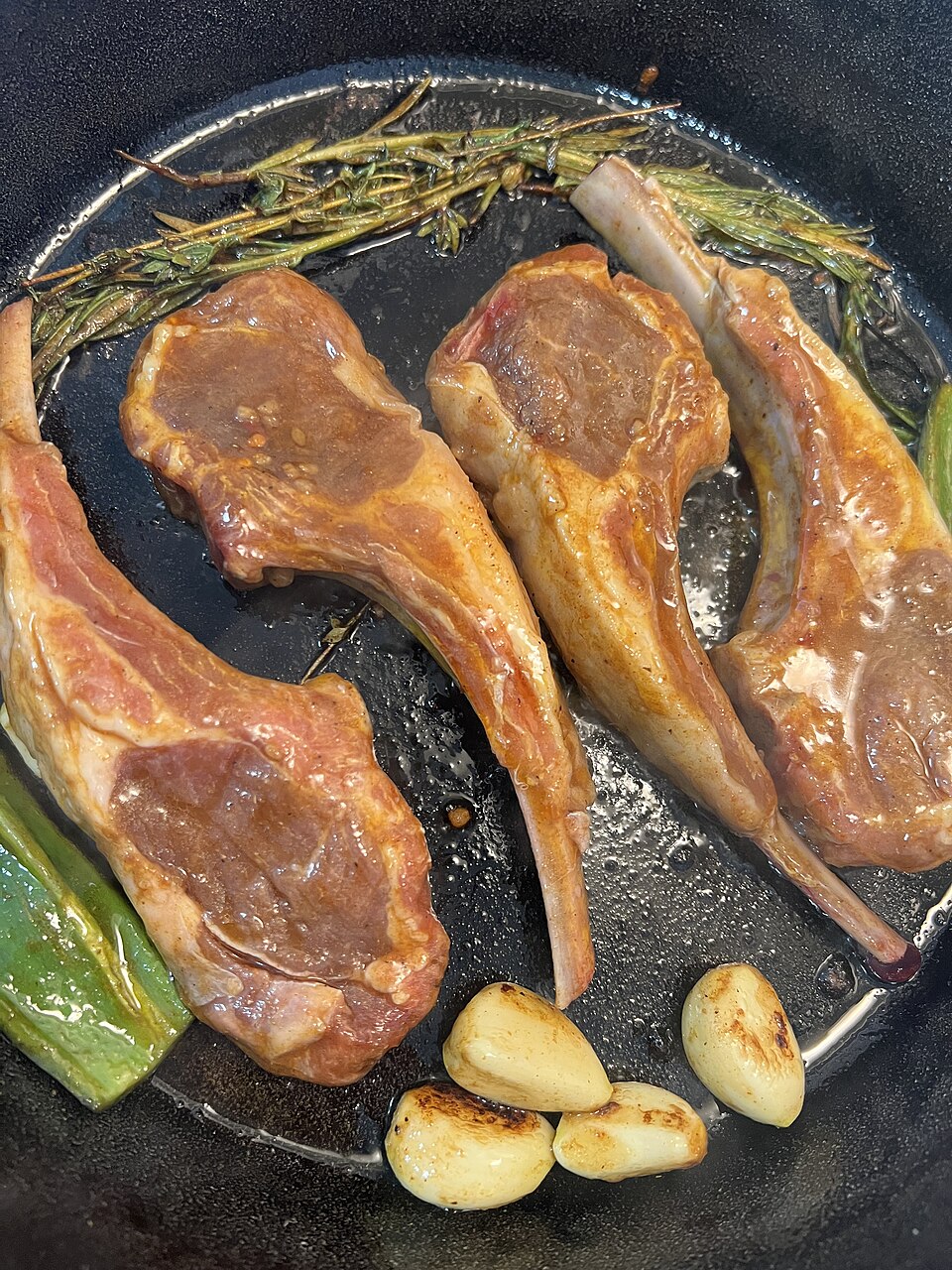
The meat of young sheep, rich in high-quality protein, iron, zinc, and B vitamins.

A bright yellow citrus fruit with tart juice, exceptionally high in vitamin C.
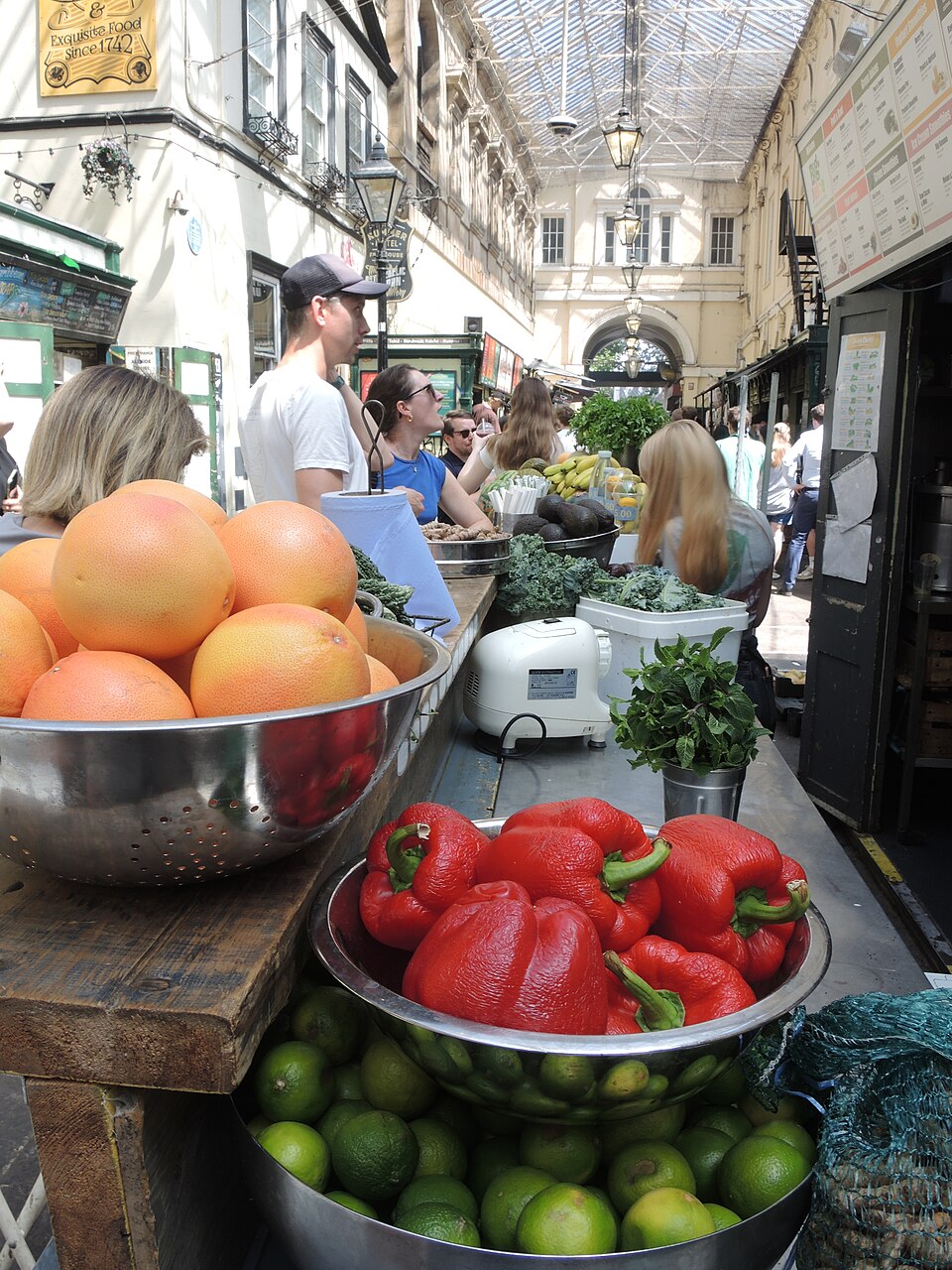
A small green citrus fruit with tart juice, rich in vitamin C and citric acid.
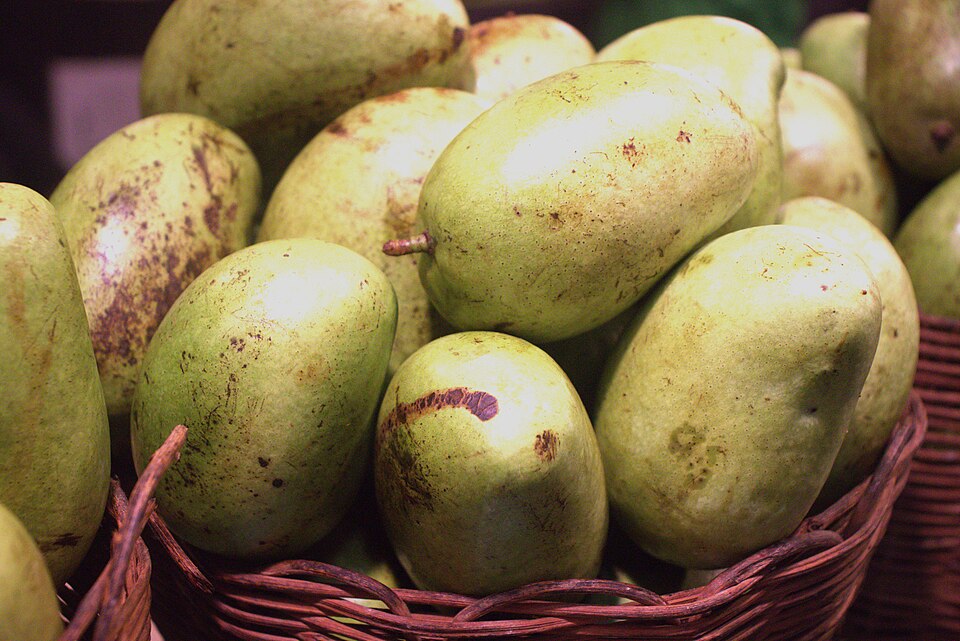
A sweet tropical fruit with juicy yellow flesh, high in vitamin C and vitamin A.
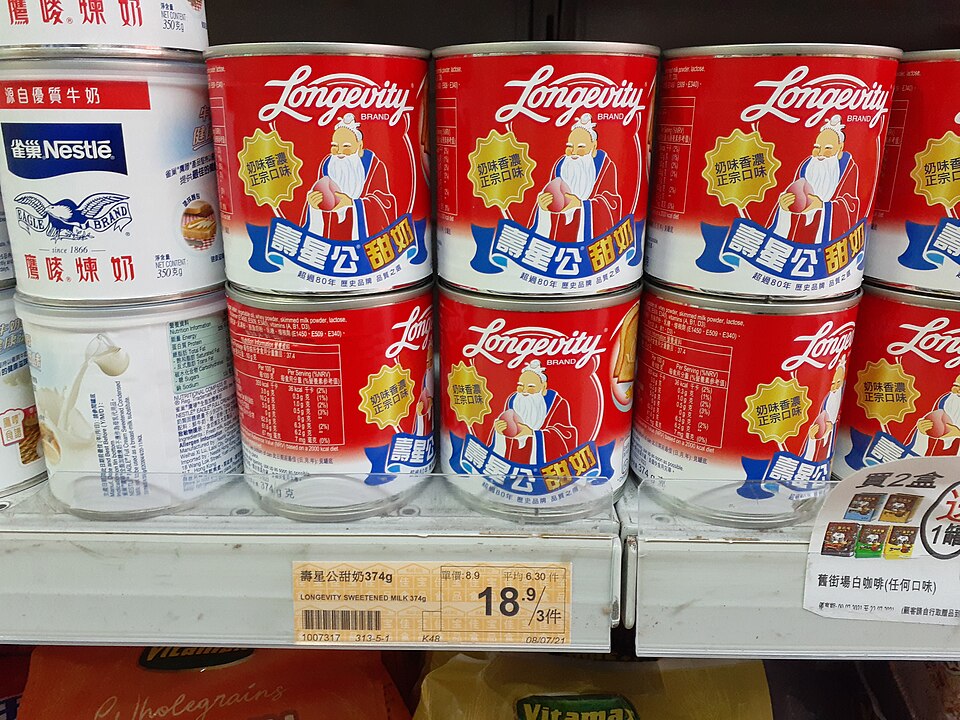
A nutrient-rich liquid food produced by mammals, an excellent source of calcium, protein, and vitamin D.
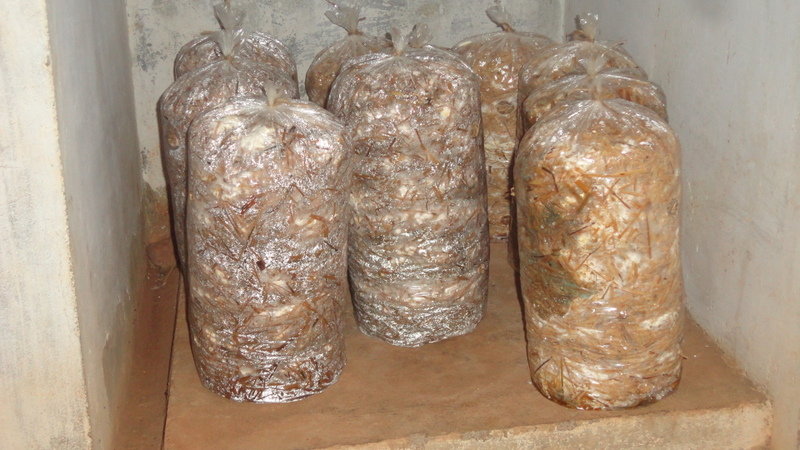
Common button mushrooms with a mild flavor, low in calories and a source of B vitamins and selenium.
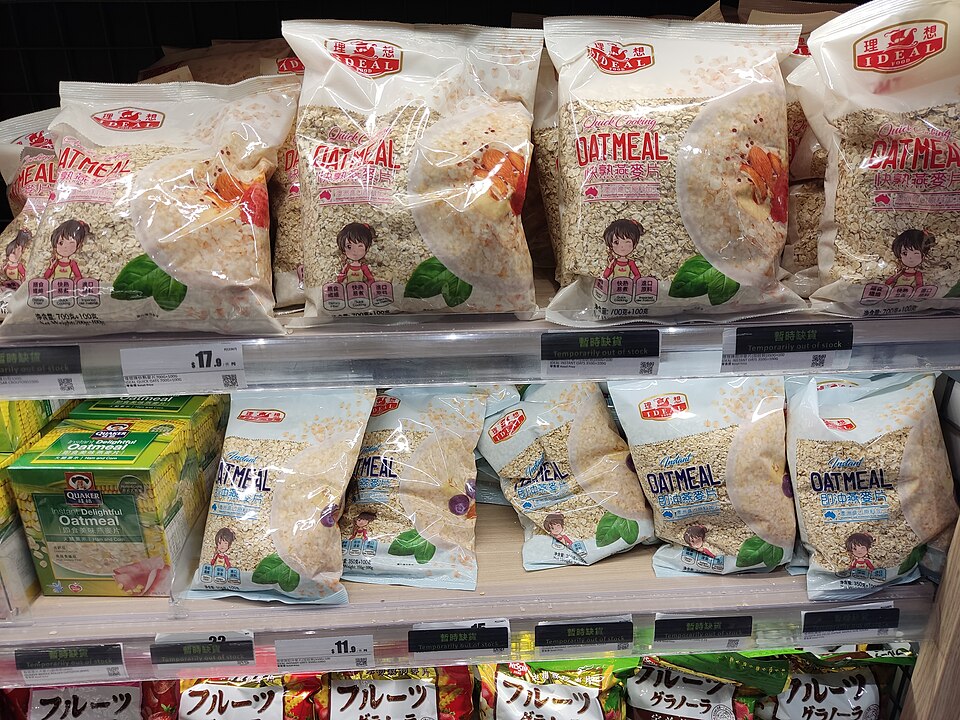
A whole-grain breakfast food made from oats, rich in soluble fiber (beta-glucan), which supports heart health and blood sugar regulation.
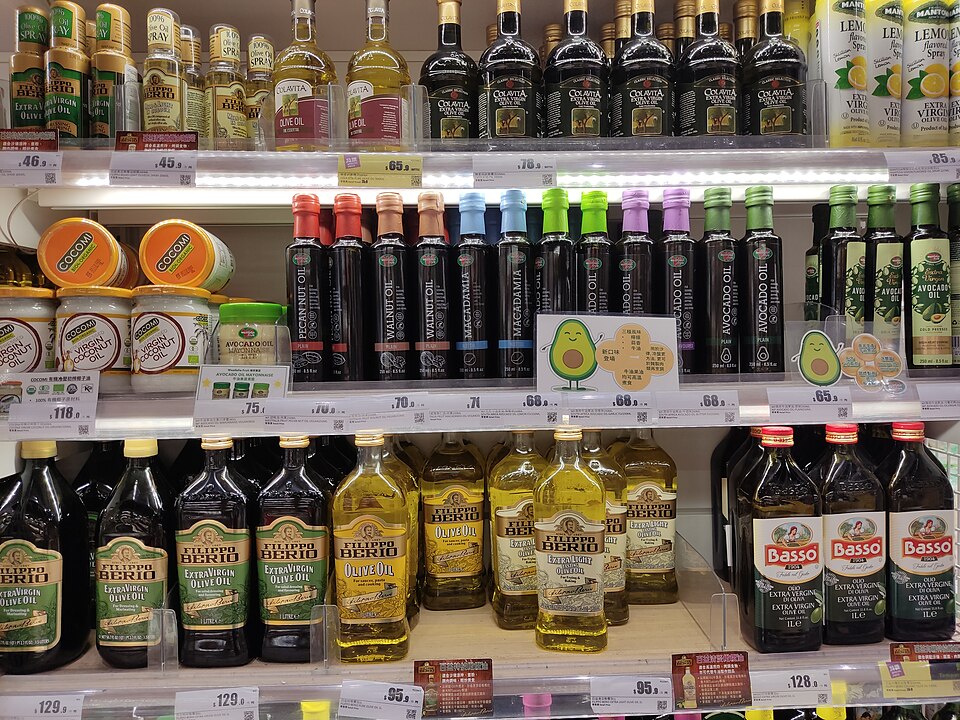
A fat-rich oil extracted from olives, a staple of the Mediterranean diet, high in monounsaturated fats and antioxidants.

A tropical fruit with spiny skin and sweet yellow flesh, rich in vitamin C and bromelain.
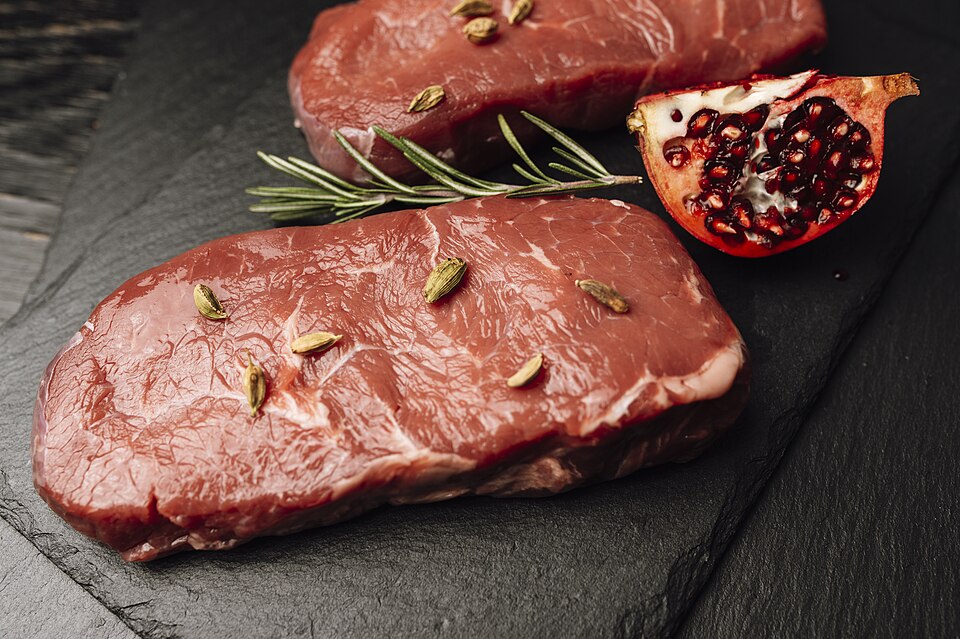
A red fruit filled with juicy arils, rich in antioxidants, vitamin C, and polyphenols.
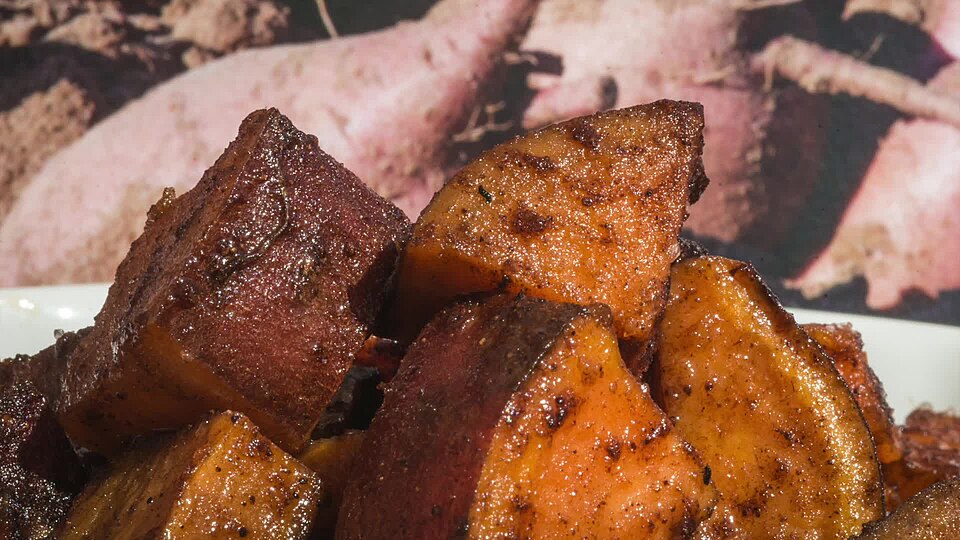
A starchy tuber with white flesh and thin skin, a good source of potassium and vitamin C.
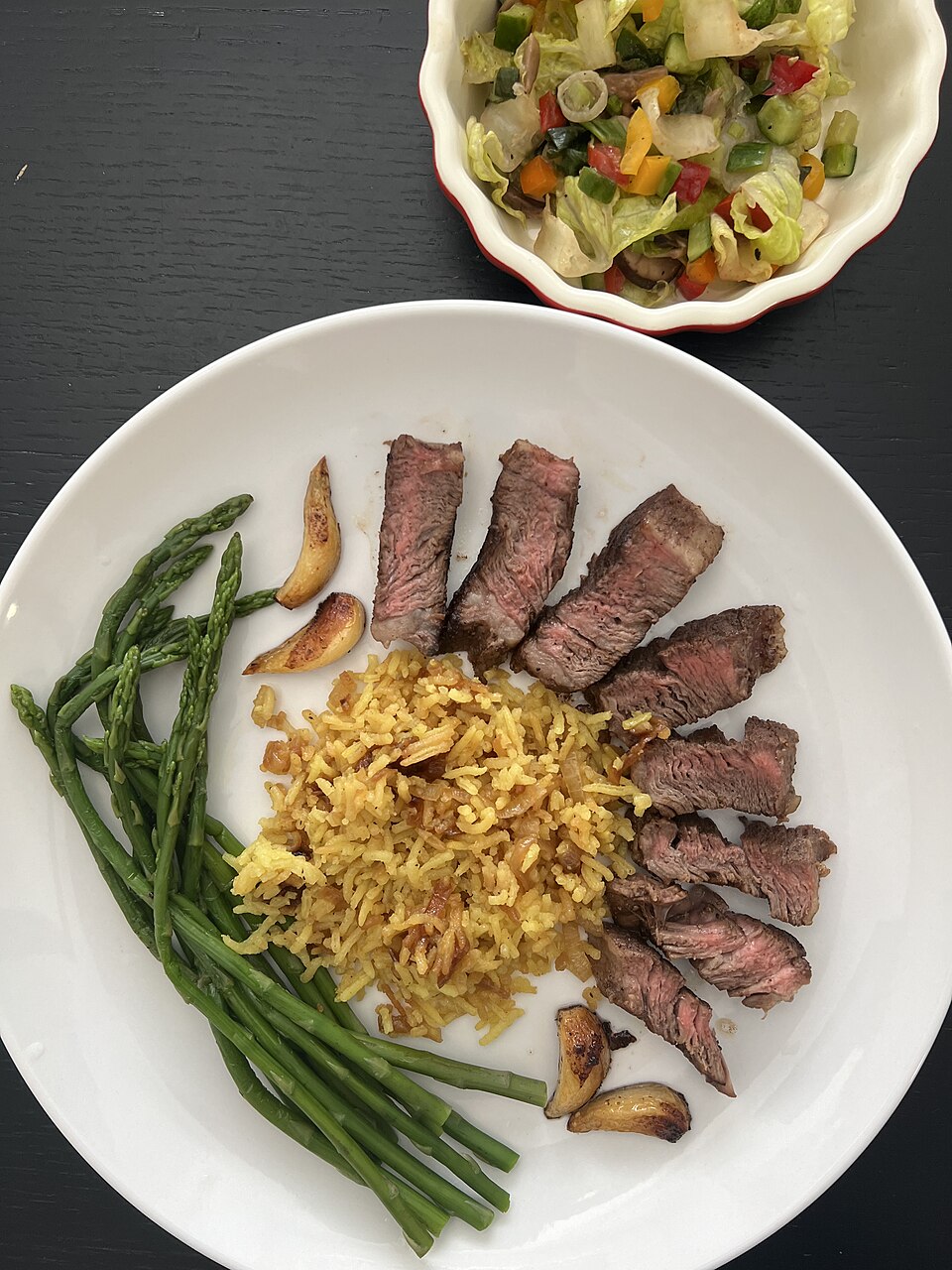
A whole grain rice with only the inedible outer hull removed, retaining the nutrient-rich bran and germ layers.
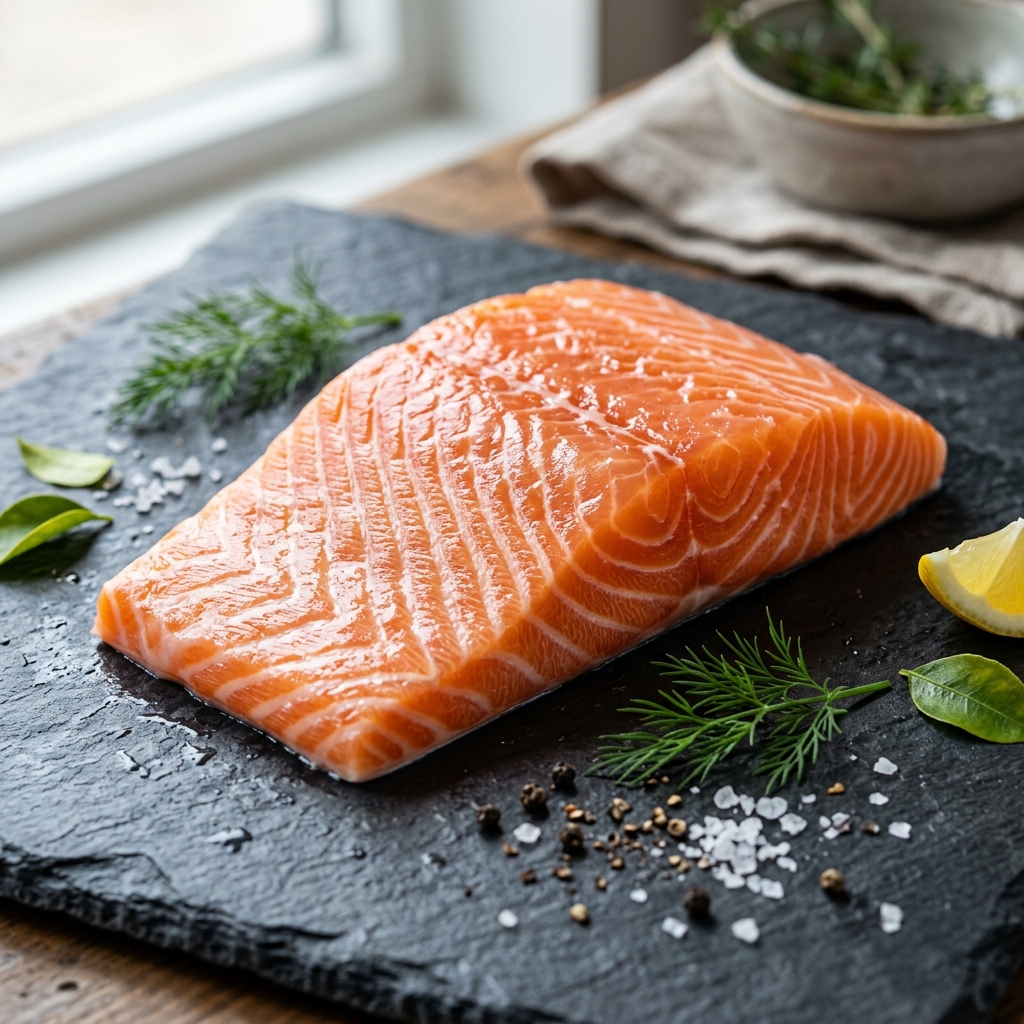
Salmon is one of the most nutrient-dense foods available, providing exceptional levels of omega-3 fatty acids (EPA and DHA), high-quality complete protein, vitamin D, B vitamins, selenium, and astaxanthin. Regular consumption supports cardiovascular health, brain function, eye health, reduces inflammation, and may lower the risk of heart disease, cognitive decline, and certain cancers.
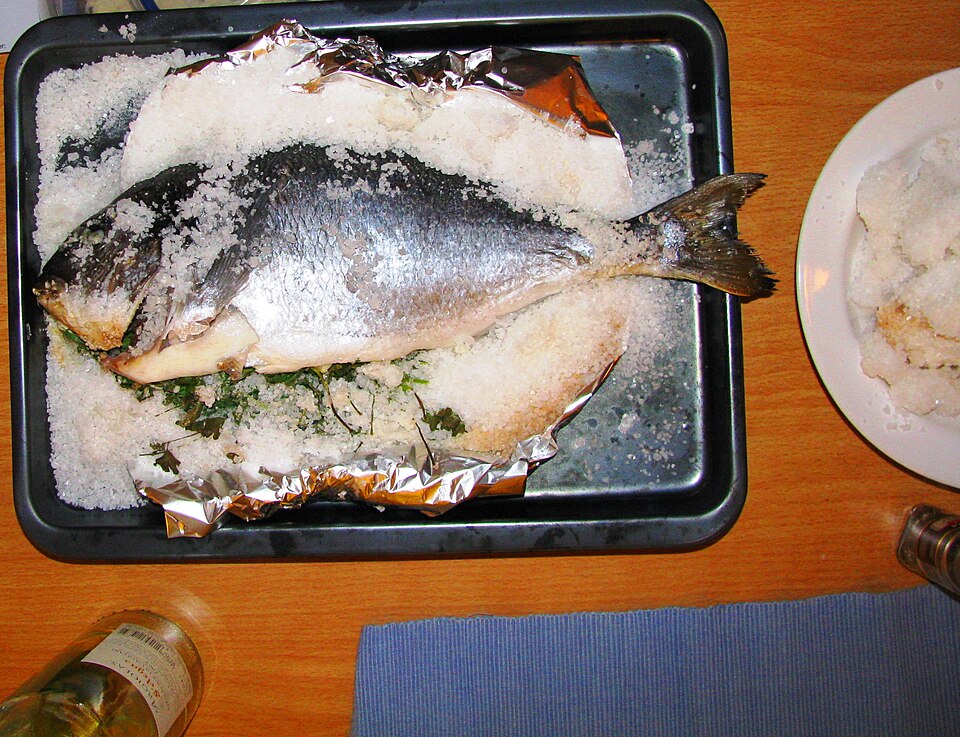
Mineral-rich salt produced by evaporating seawater, composed primarily of sodium chloride.

Small oil-rich seeds with a nutty flavor, used widely in cooking and baking.
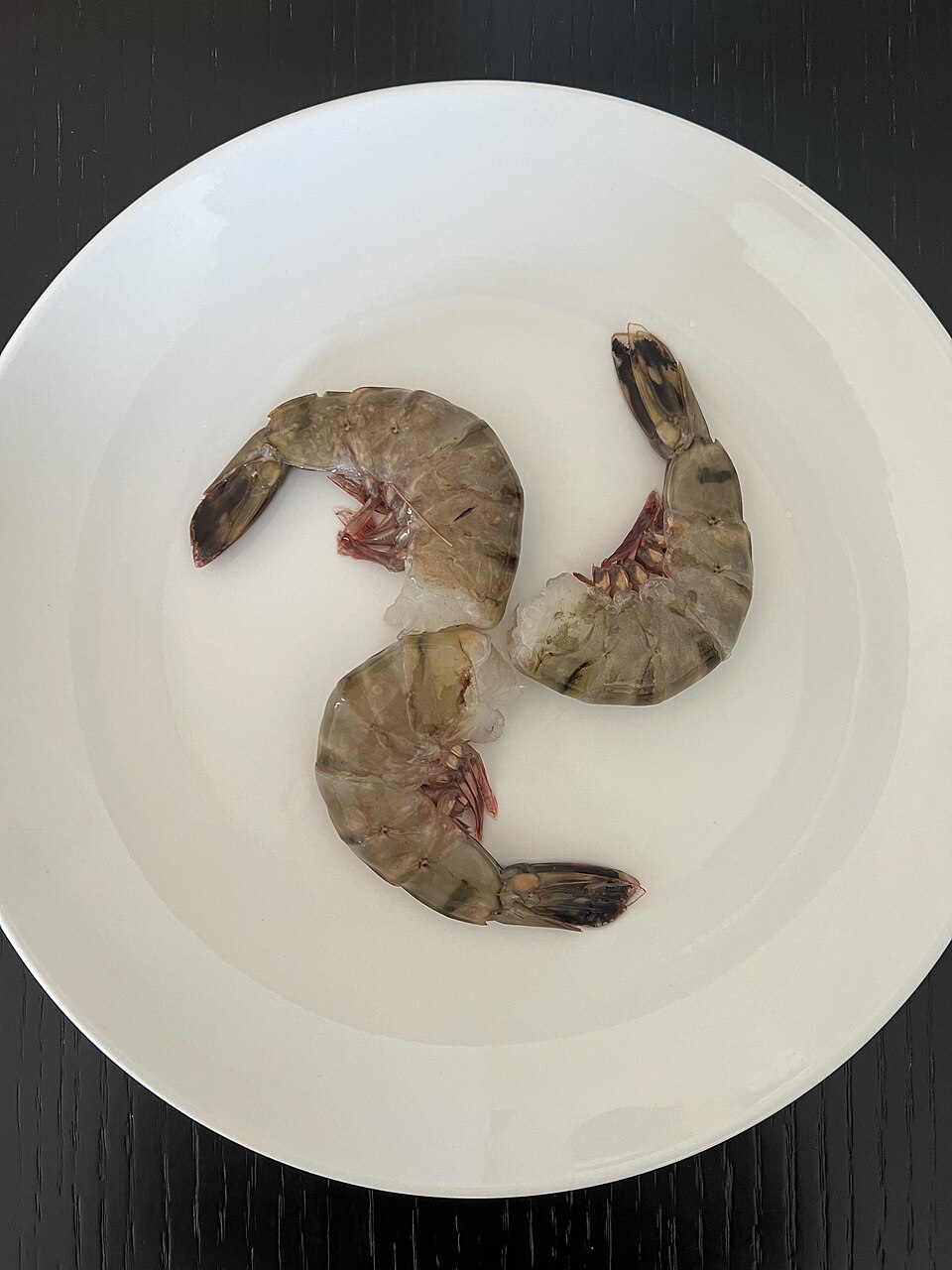
Small crustaceans with firm, translucent flesh, low in fat and a great source of protein and selenium.

A root vegetable rich in beta-carotene, vitamin A, fiber, and complex carbohydrates with a sweet flavor.

Lean white meat from the breast of a turkey, very high in protein and low in fat.
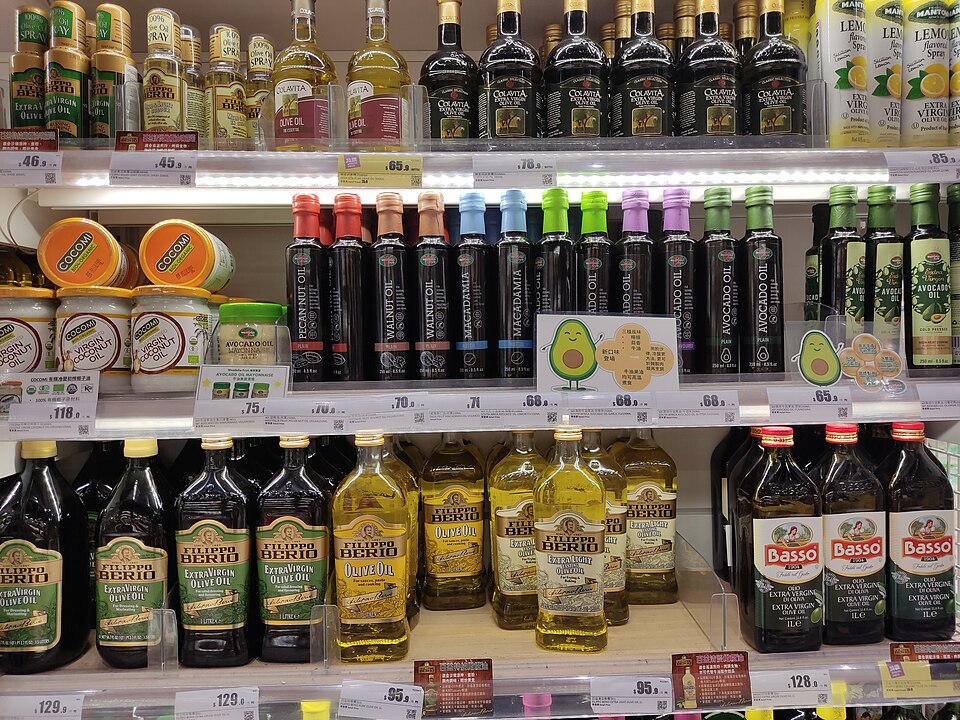
Tree nuts rich in omega-3 fatty acids (alpha-linolenic acid), antioxidants, and various essential minerals.
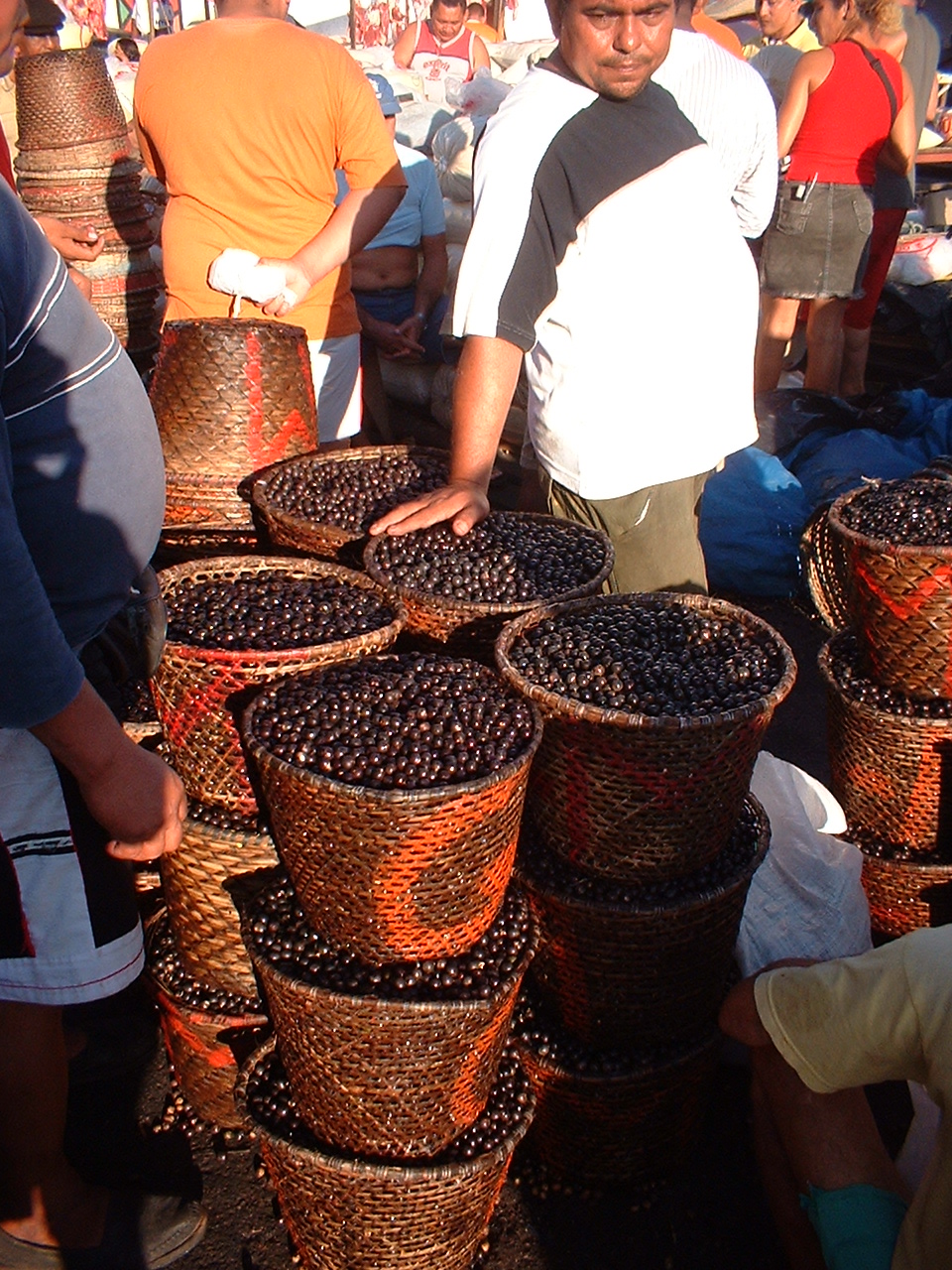
Acai Berry is a naturally sweet fruit packed with essential vitamins, minerals, and dietary fiber. This fruit is a natural source of vitamins and dietary fiber, supporting overall health and wellness when included in a balanced diet.
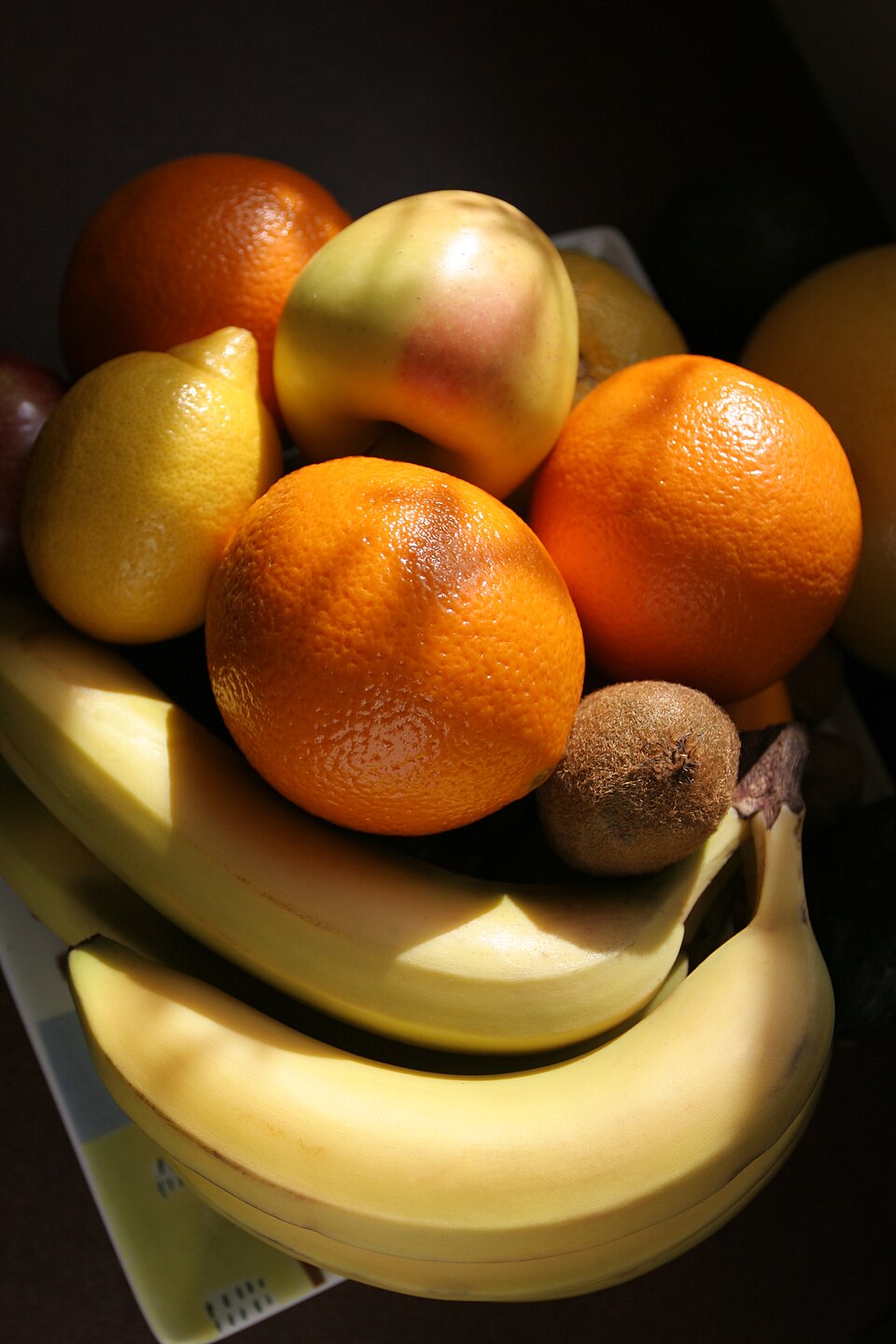
Apples are one of the most popular and widely consumed fruits globally, known for their crisp texture, sweet-tart flavor, and impressive nutritional profile. Rich in fiber, vitamin C, potassium, and various antioxidants including quercetin and catechin, apples support digestive health, cardiovascular function, immune defense, and may help reduce the risk of chronic diseases including type 2 diabetes and certain cancers.
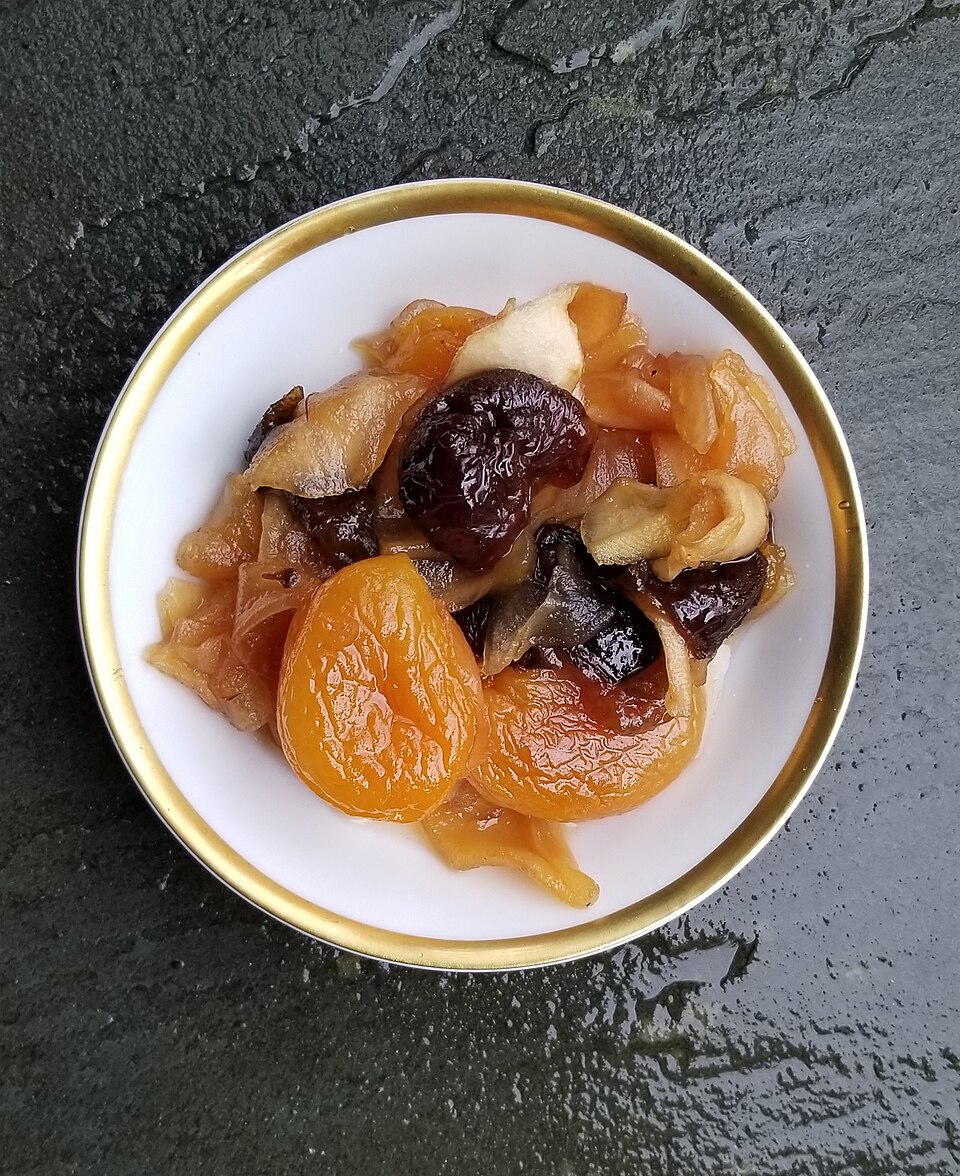
A small, golden-orange fruit with velvety skin and sweet flesh.
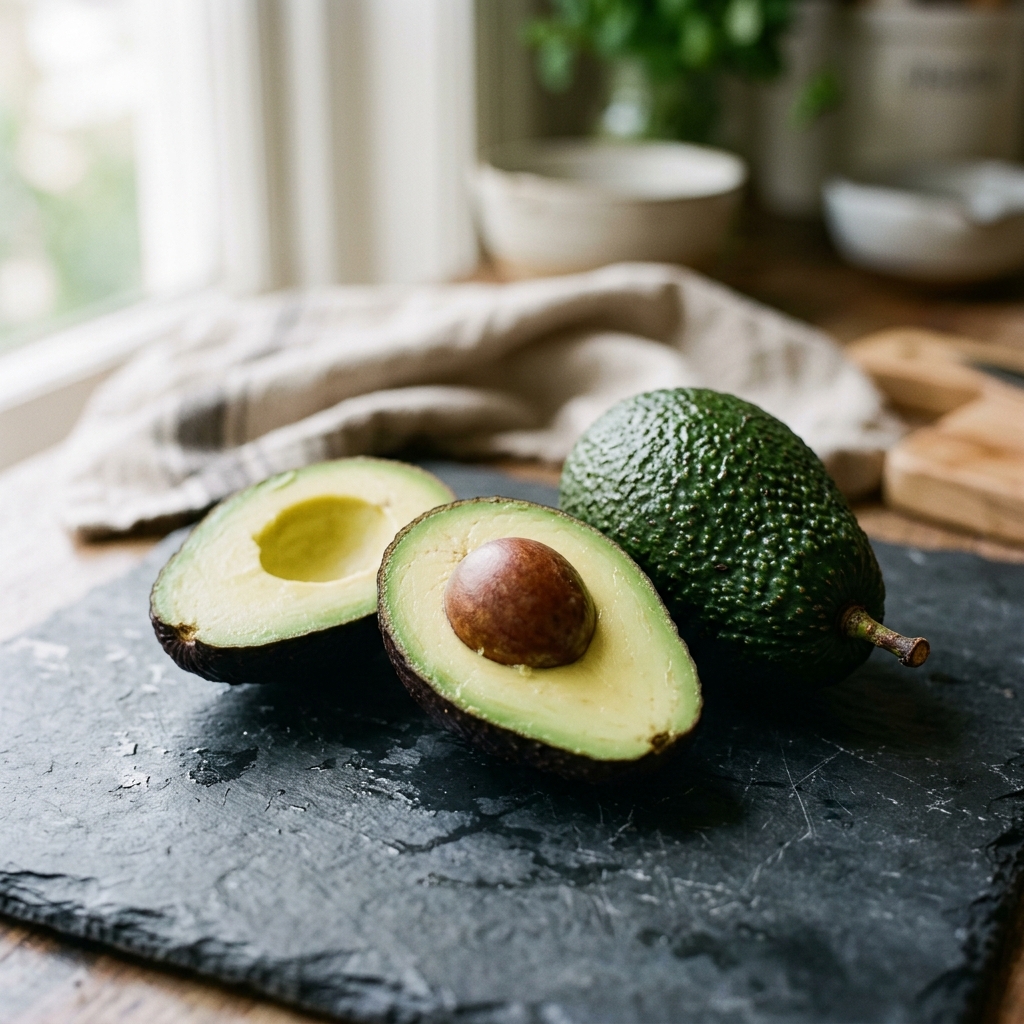
Avocados (Persea americana) are unique fruits exceptionally rich in heart-healthy monounsaturated fats (primarily oleic acid), fiber, potassium, vitamin K1, folate, vitamin E, and lutein. Unlike most fruits, they are low in sugar and high in healthy fats, supporting cardiovascular health, nutrient absorption from other foods, weight management, eye health, and cognitive function.
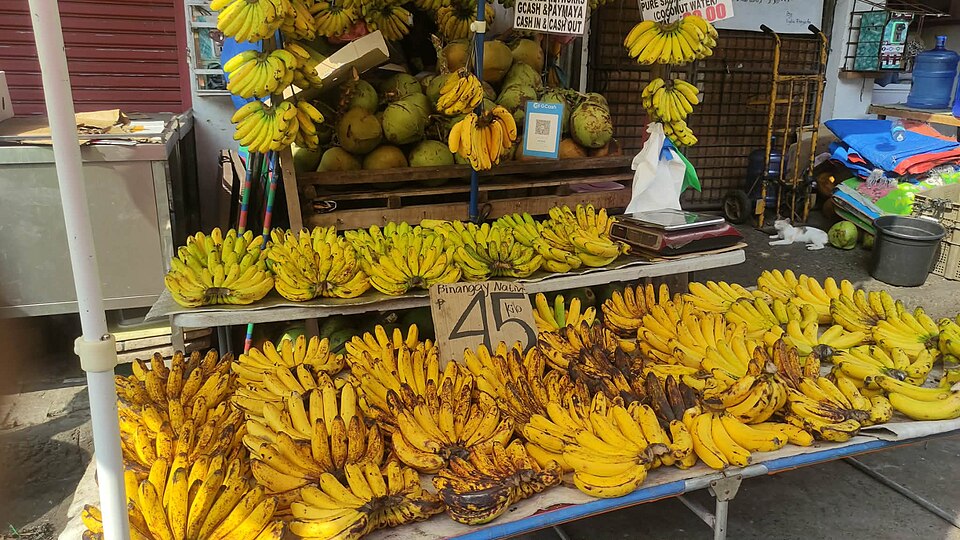
Bananas are one of the world's most popular fruits, valued for their natural sweetness, convenient packaging, and exceptional potassium content. Rich in vitamin B6, vitamin C, fiber, magnesium, and natural energy in the form of easily digestible carbohydrates, bananas support heart health, digestive function, exercise performance, and mood regulation through their unique nutritional and prebiotic properties.
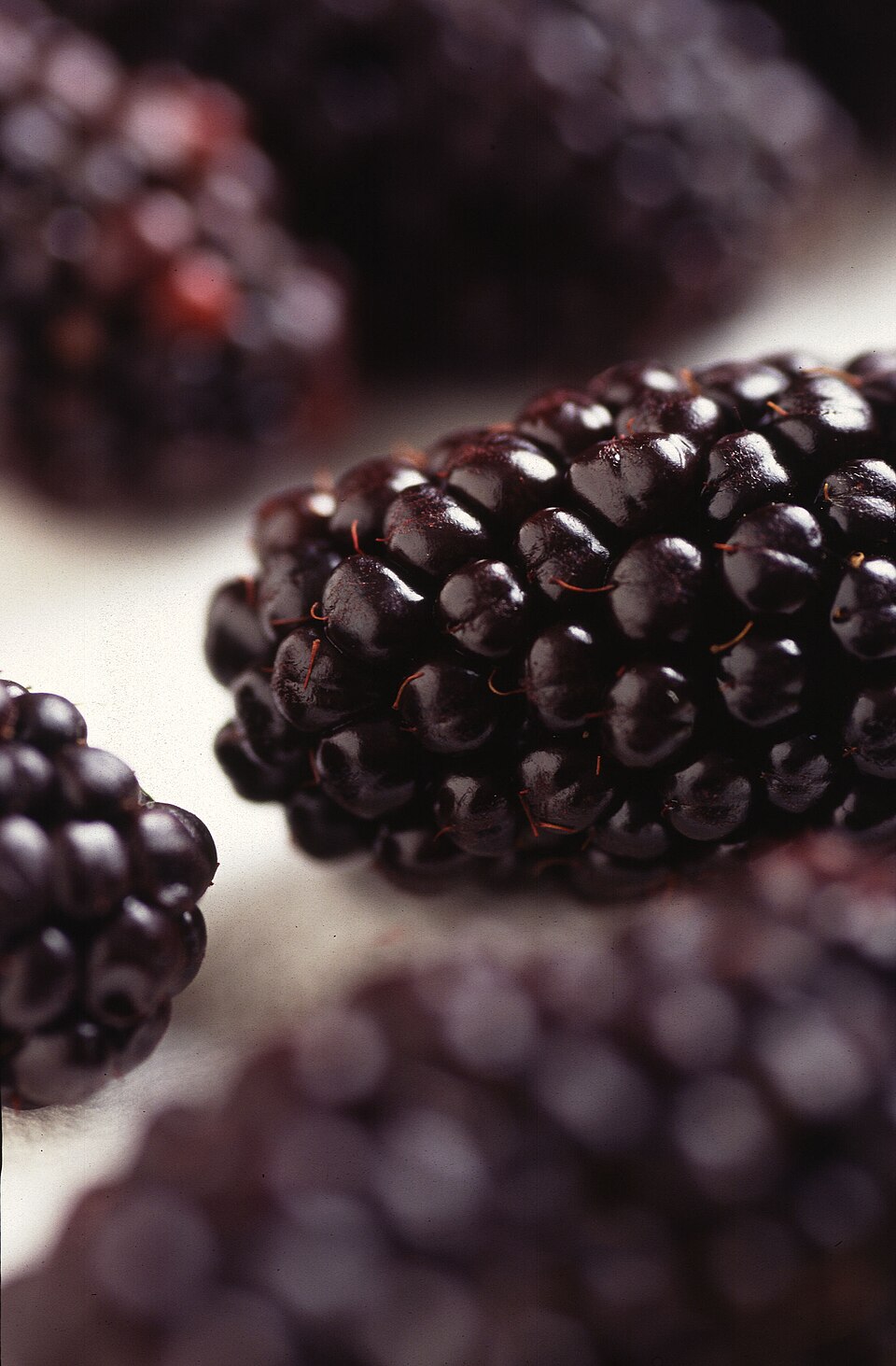
Blackberries is a naturally sweet fruit packed with essential vitamins, minerals, and dietary fiber. This fruit is a natural source of vitamins and dietary fiber, supporting overall health and wellness when included in a balanced diet.
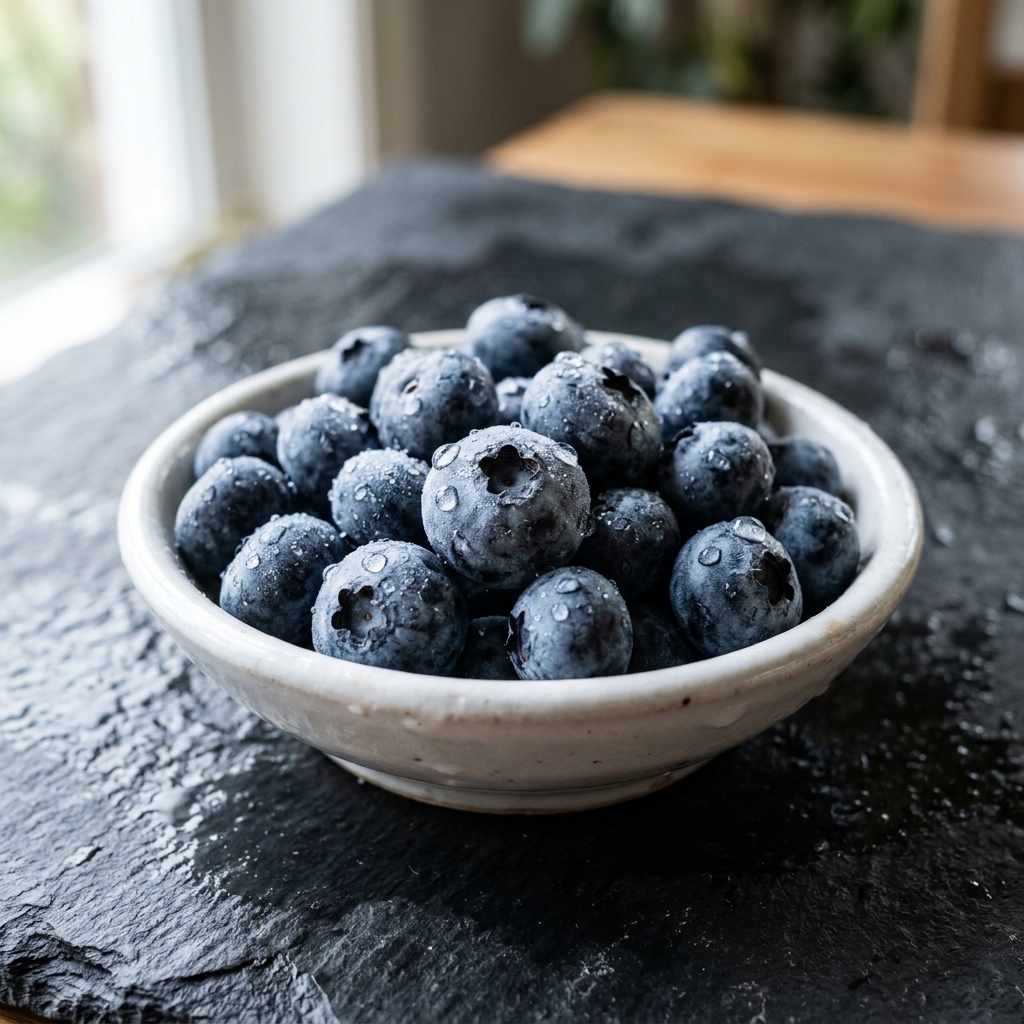
Blueberries are small, sweet berries often labeled a superfood due to their exceptional concentration of antioxidants, particularly anthocyanins. Rich in vitamin C, vitamin K1, manganese, and fiber, blueberries support brain health, cardiovascular function, eye health, and may help reduce the risk of age-related cognitive decline and chronic diseases.
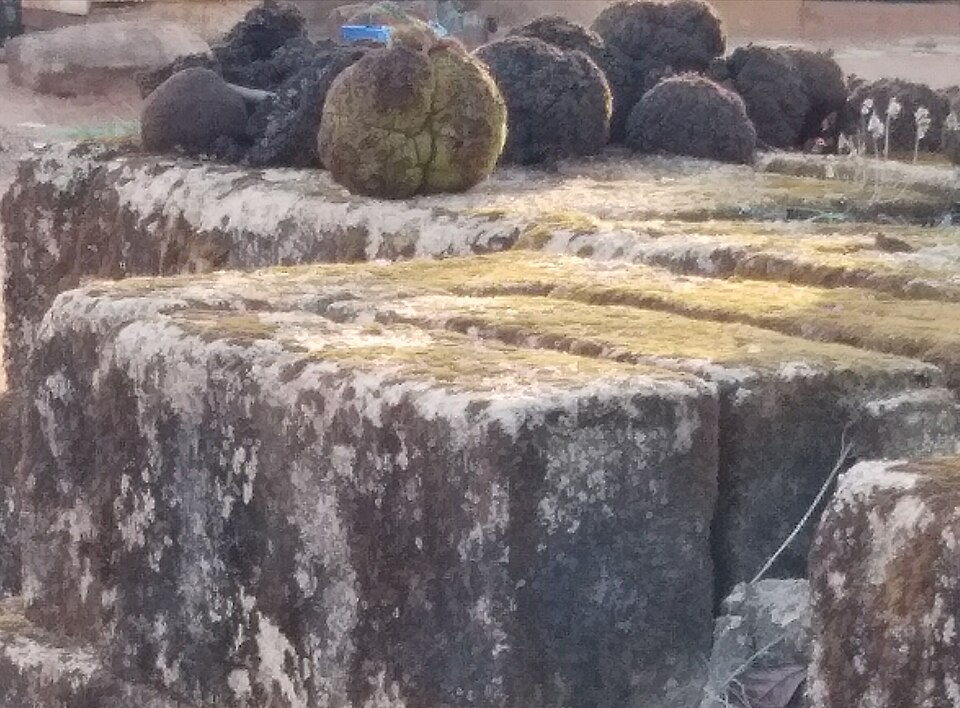
A starchy, tropical fruit with a potato-like texture when cooked.
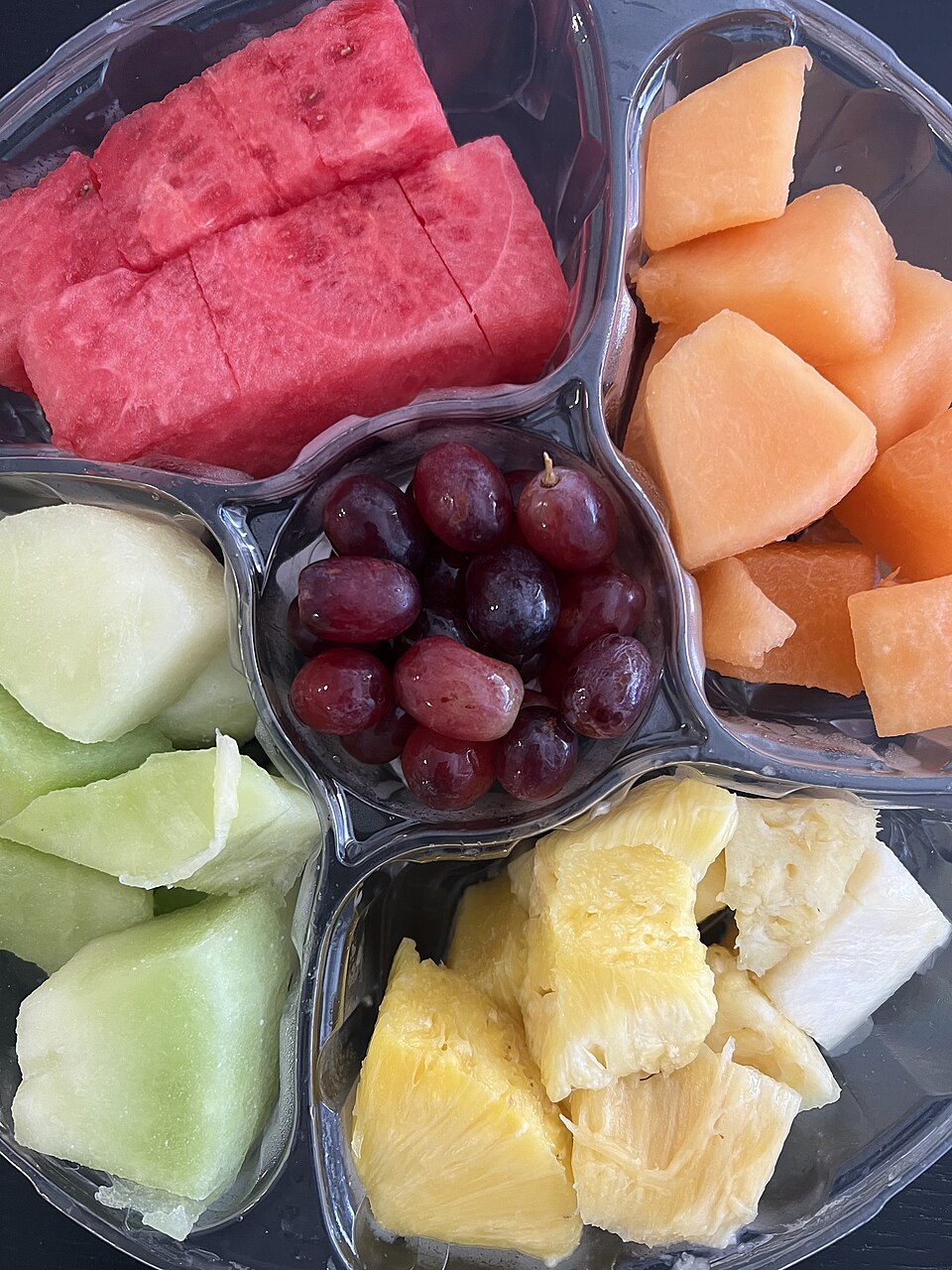
Cantaloupe is a naturally sweet fruit packed with essential vitamins, minerals, and dietary fiber. This fruit is a natural source of vitamins and dietary fiber, supporting overall health and wellness when included in a balanced diet.
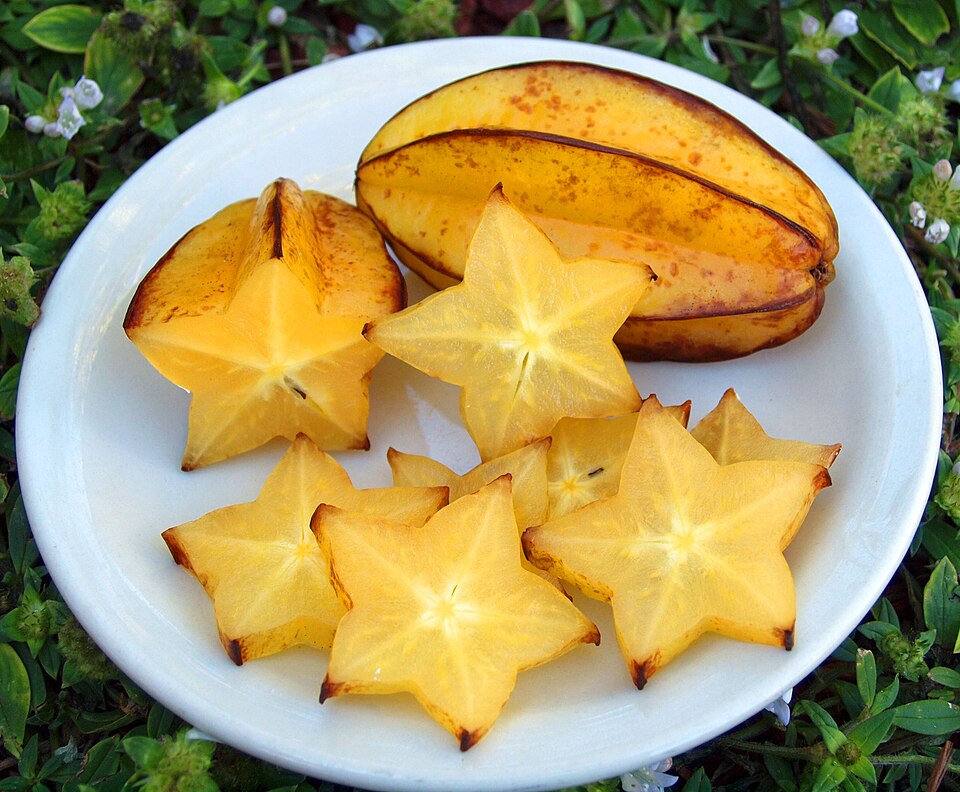
Carambola (Star Fruit) is a naturally sweet fruit packed with essential vitamins, minerals, and dietary fiber. This fruit is a natural source of vitamins and dietary fiber, supporting overall health and wellness when included in a balanced diet.
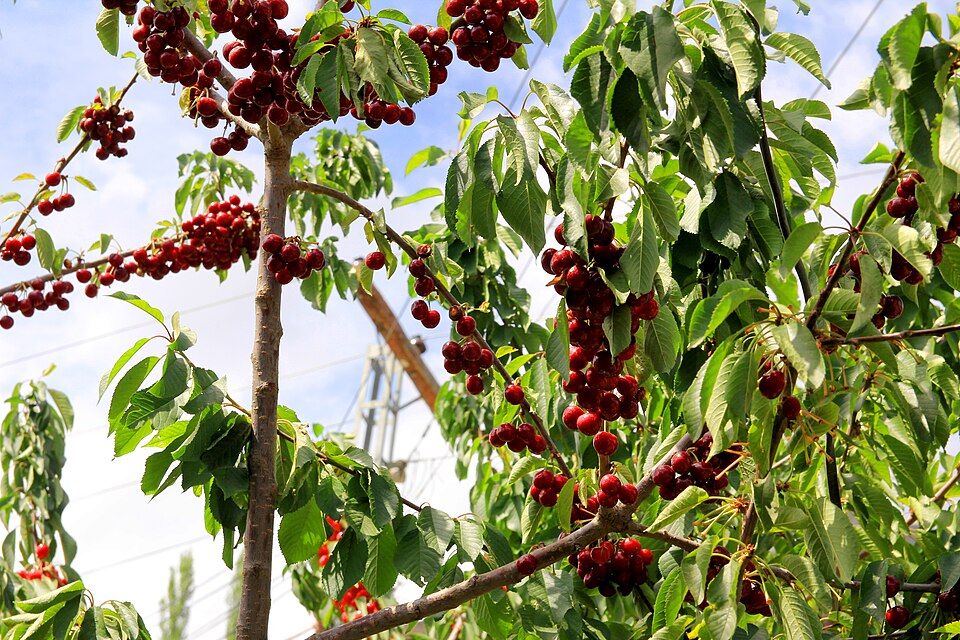
Cherries is a naturally sweet fruit packed with essential vitamins, minerals, and dietary fiber. This fruit is a natural source of vitamins and dietary fiber, supporting overall health and wellness when included in a balanced diet.
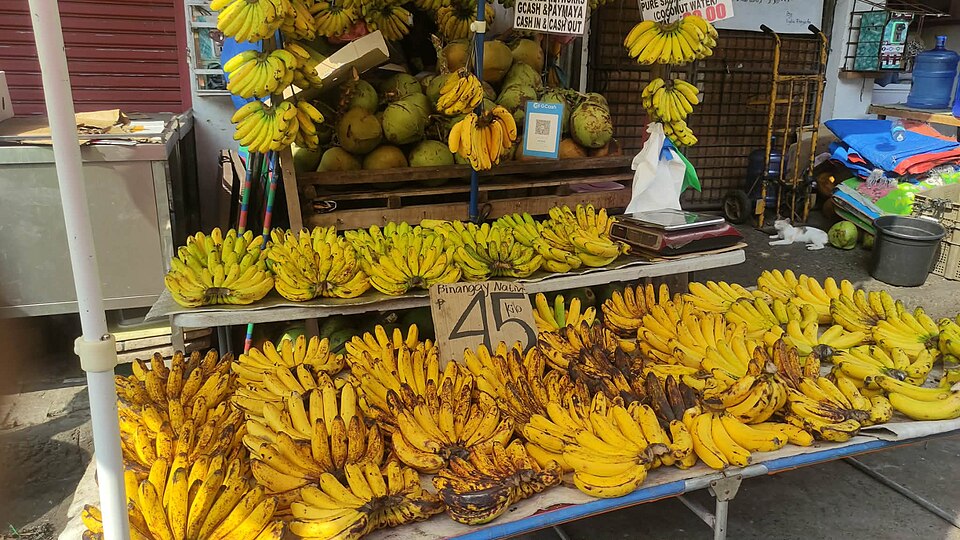
Coconut Meat is a naturally sweet fruit packed with essential vitamins, minerals, and dietary fiber. This fruit is a natural source of vitamins and dietary fiber, supporting overall health and wellness when included in a balanced diet.
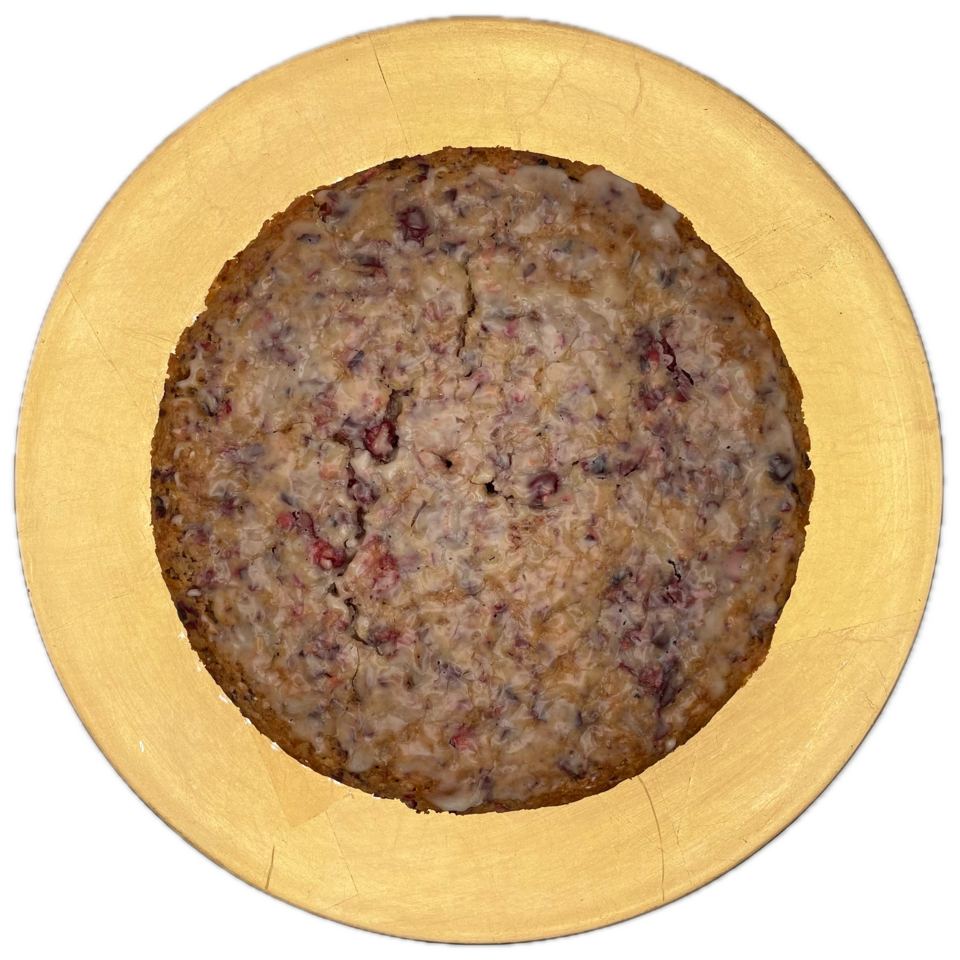
Cranberries is a naturally sweet fruit packed with essential vitamins, minerals, and dietary fiber. This fruit is a natural source of vitamins and dietary fiber, supporting overall health and wellness when included in a balanced diet.
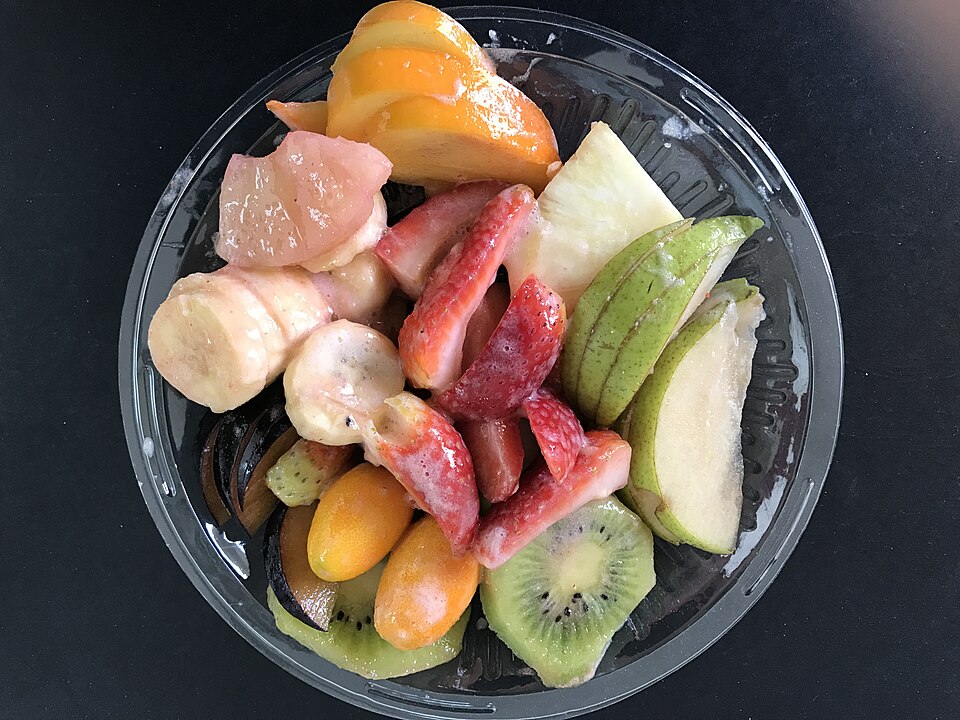
Cumquat is a naturally sweet fruit packed with essential vitamins, minerals, and dietary fiber. This fruit is a natural source of vitamins and dietary fiber, supporting overall health and wellness when included in a balanced diet.
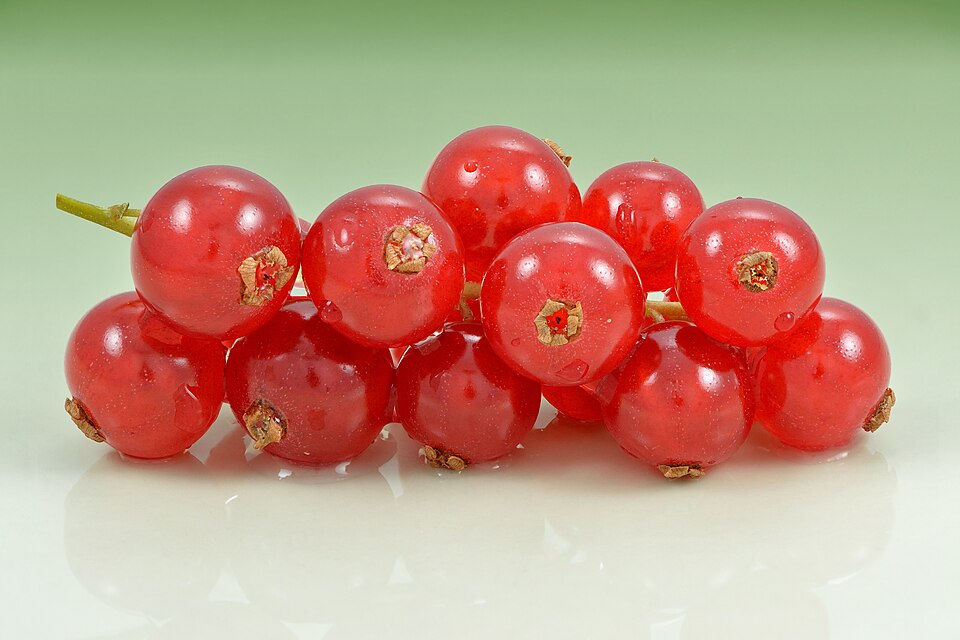
Currants (Red) is a naturally sweet fruit packed with essential vitamins, minerals, and dietary fiber. This fruit is a natural source of vitamins and dietary fiber, supporting overall health and wellness when included in a balanced diet.
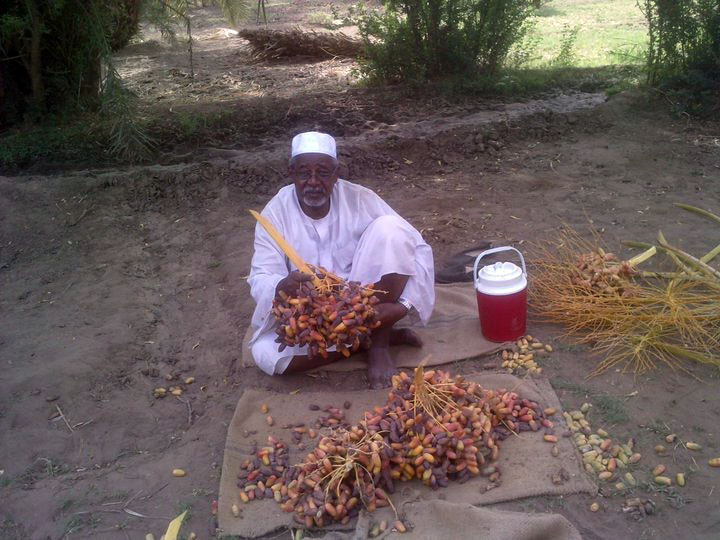
Dates (Dried) is a naturally sweet fruit packed with essential vitamins, minerals, and dietary fiber. This fruit is a natural source of vitamins and dietary fiber, supporting overall health and wellness when included in a balanced diet.
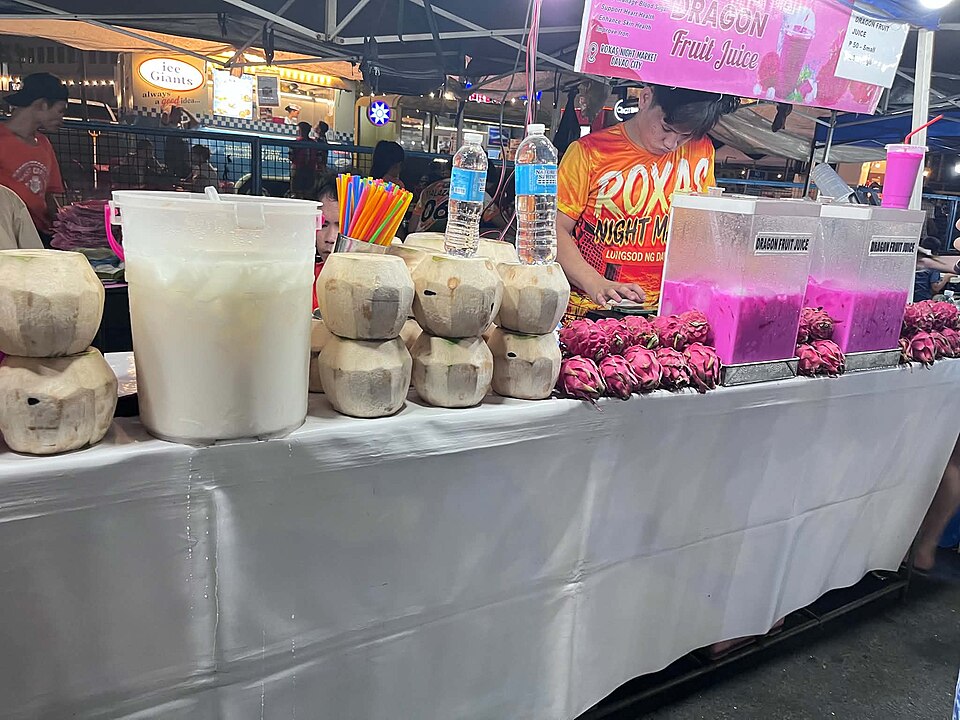
A vibrant pink fruit with white or red flesh and tiny black seeds.
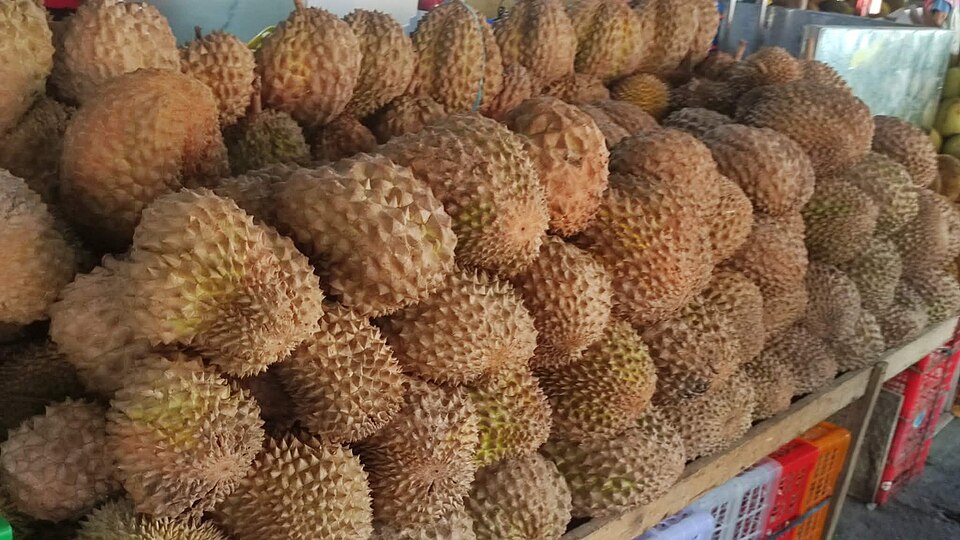
Durian is a naturally sweet fruit packed with essential vitamins, minerals, and dietary fiber. Rich in fruit, it supports immune function, digestive health, and provides natural energy.
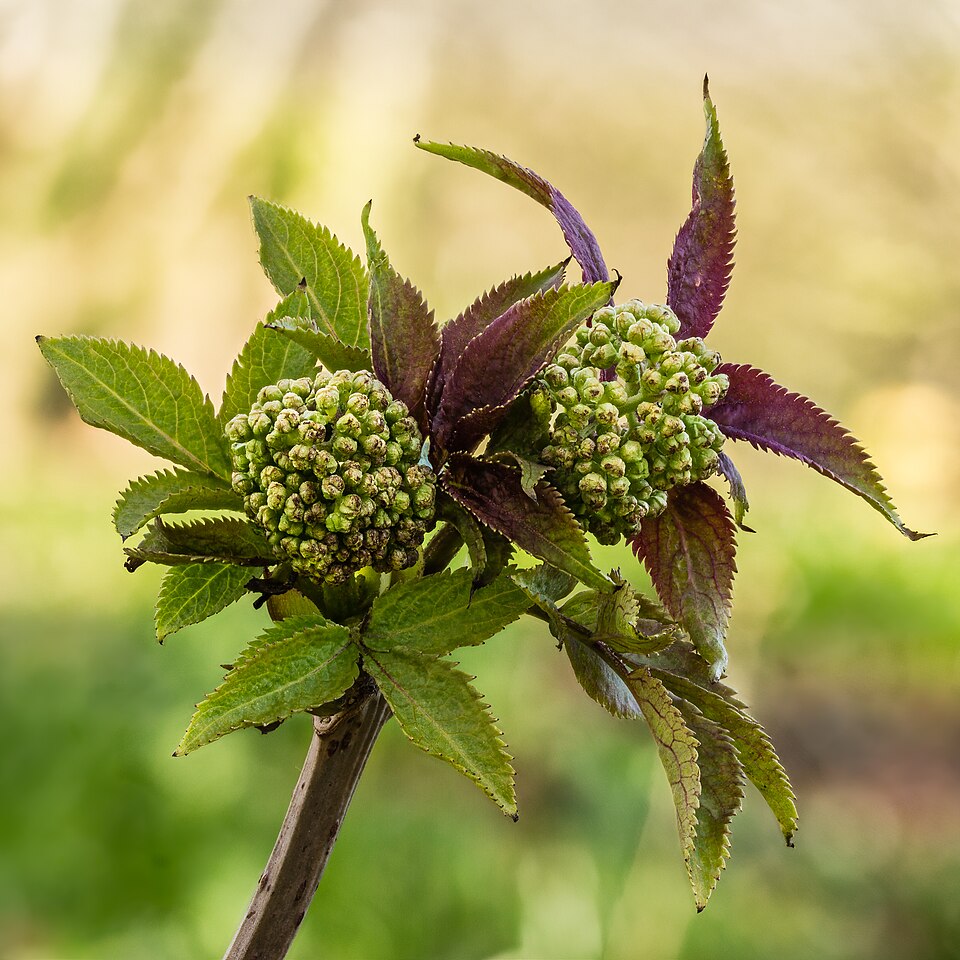
Small, dark purple berries known for their immune-boosting properties.
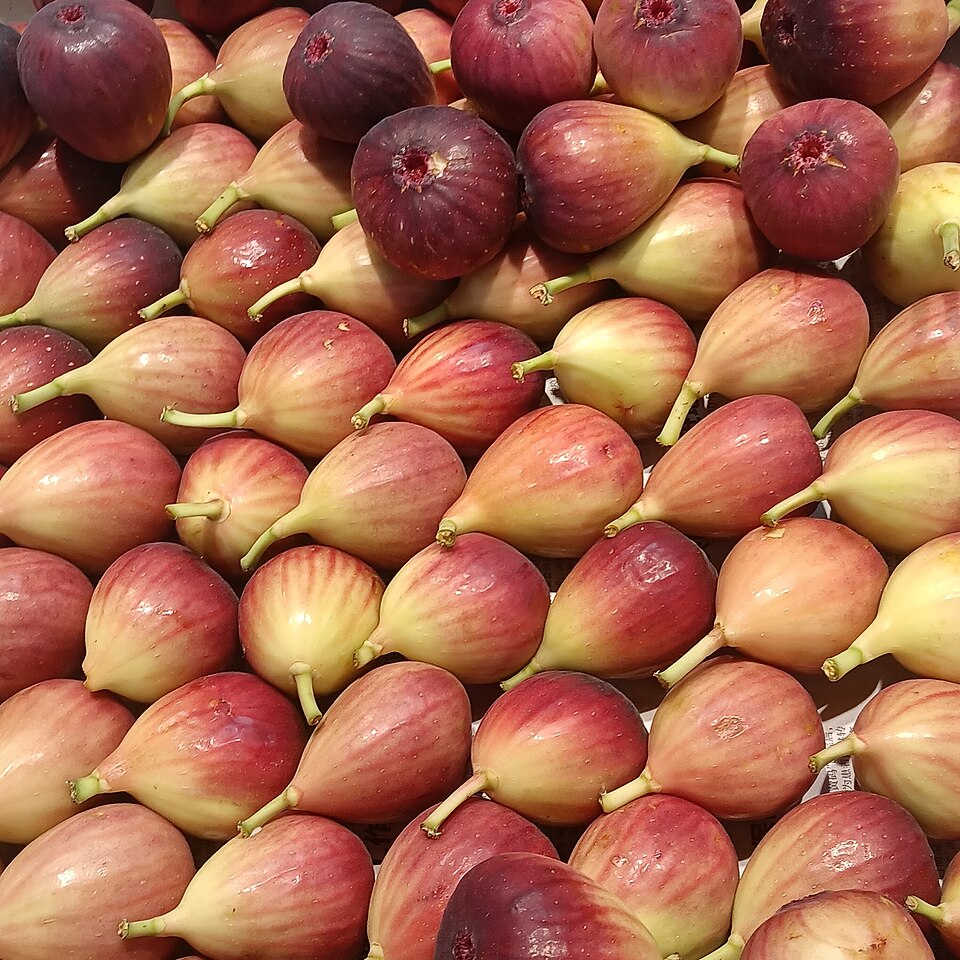
Figs (Fresh) is a naturally sweet fruit packed with essential vitamins, minerals, and dietary fiber. This fruit is a natural source of vitamins and dietary fiber, supporting overall health and wellness when included in a balanced diet.
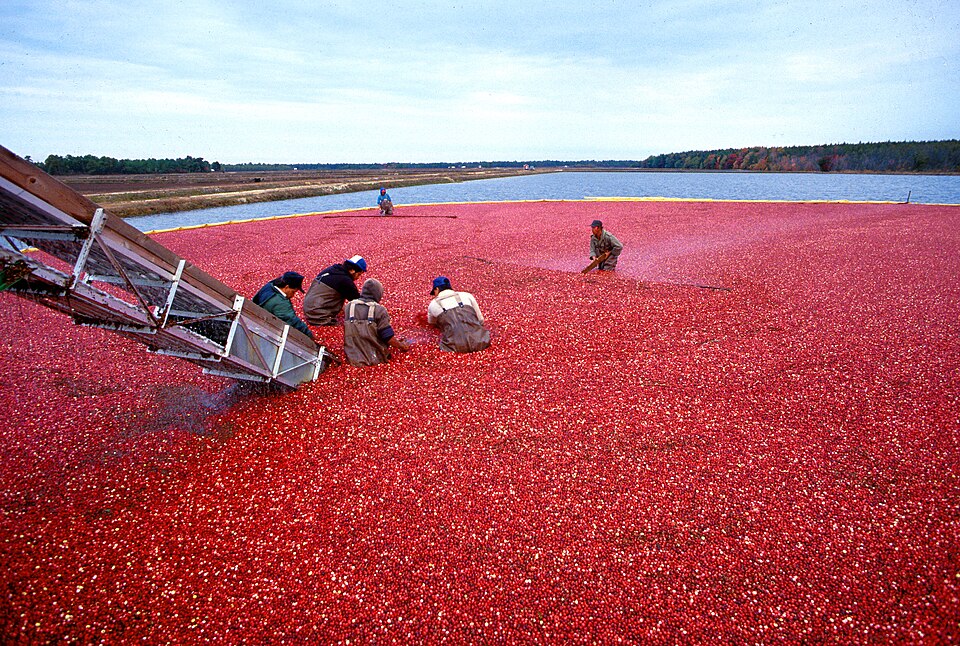
Cranberries are a type of small, round fruit that are native to North America. They are a rich source of antioxidants and have been traditionally used to support urinary tract health. Additionally, cranberries have been shown to have anti-inflammatory properties and may help to support heart health.
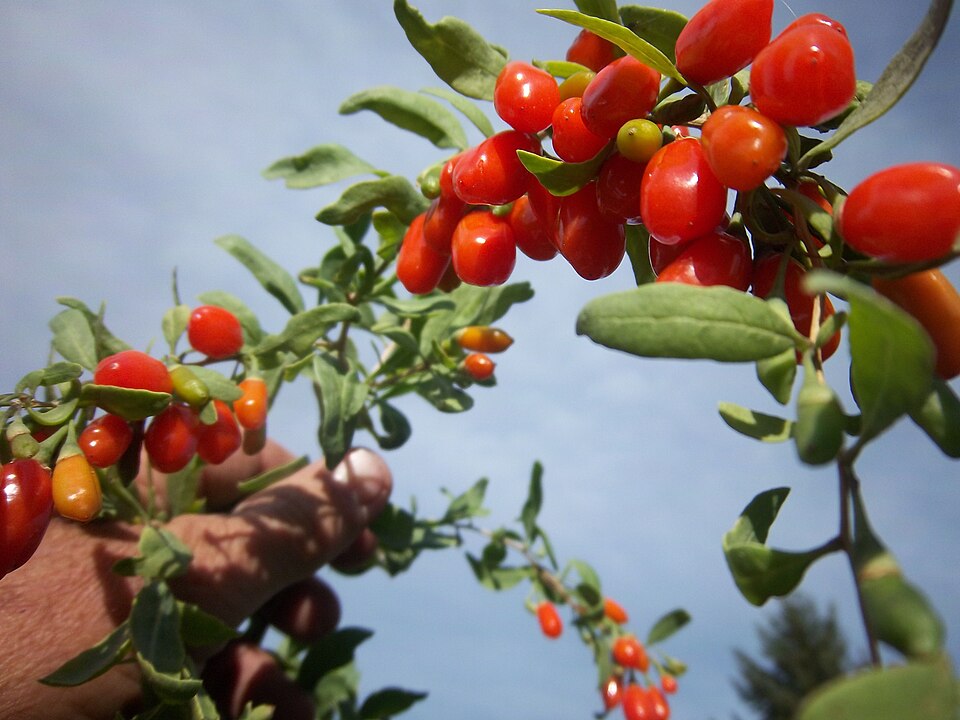
Bright red berries prized for their high antioxidant content.
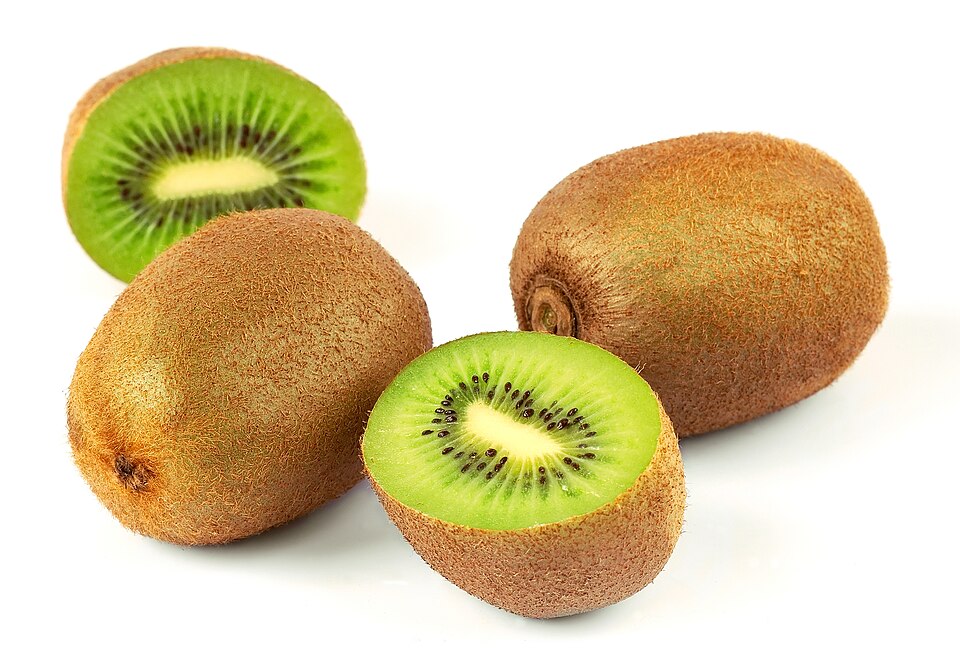
Small, round berries with a tart flavor, ranging from green to red.
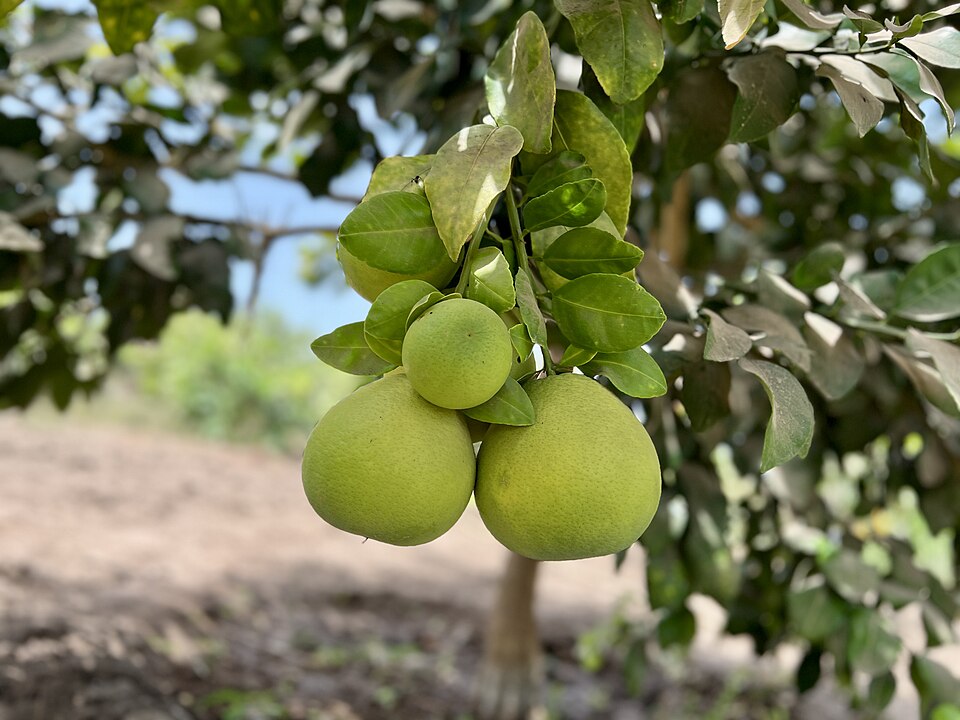
Grapefruit is a naturally sweet fruit packed with essential vitamins, minerals, and dietary fiber. This fruit is a natural source of vitamins and dietary fiber, supporting overall health and wellness when included in a balanced diet.

Small, sweet fruits that grow in clusters, rich in resveratrol, flavonoids, and various vitamins and minerals.
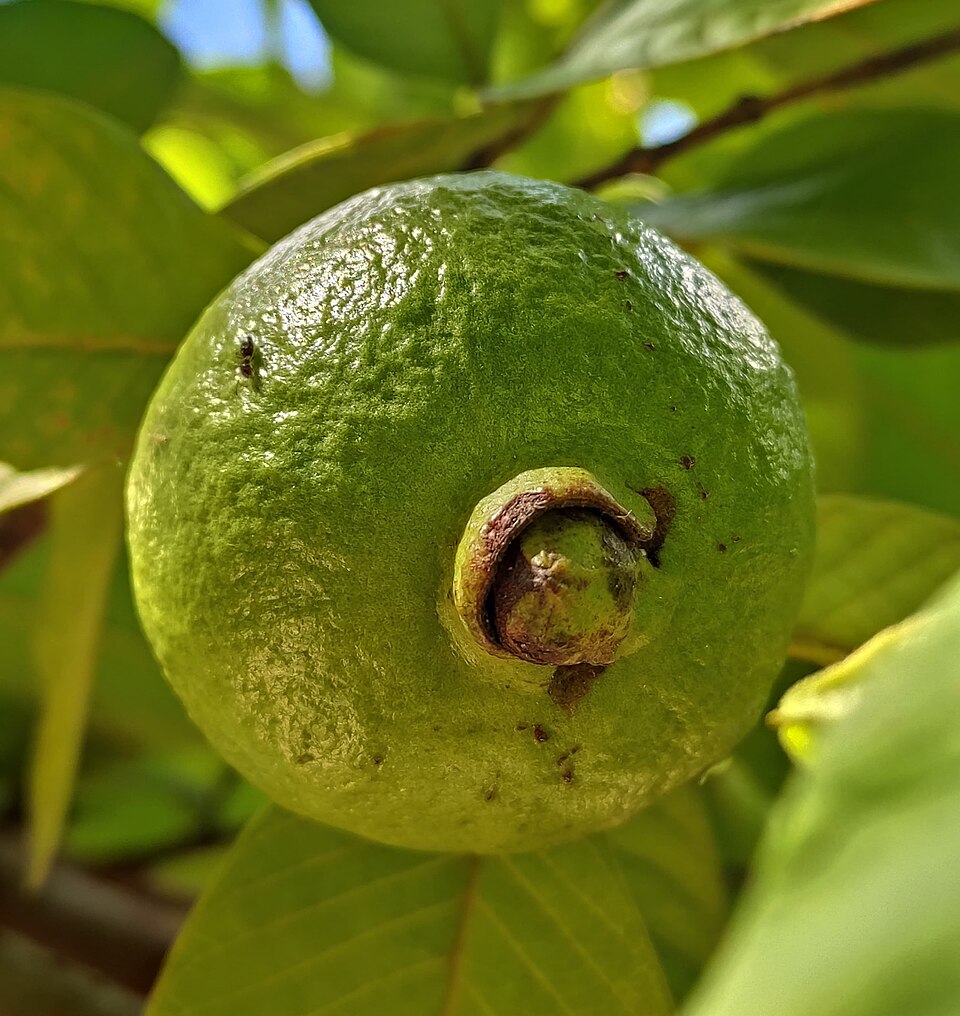
A tropical fruit with green skin and pink or white flesh rich in vitamin C.
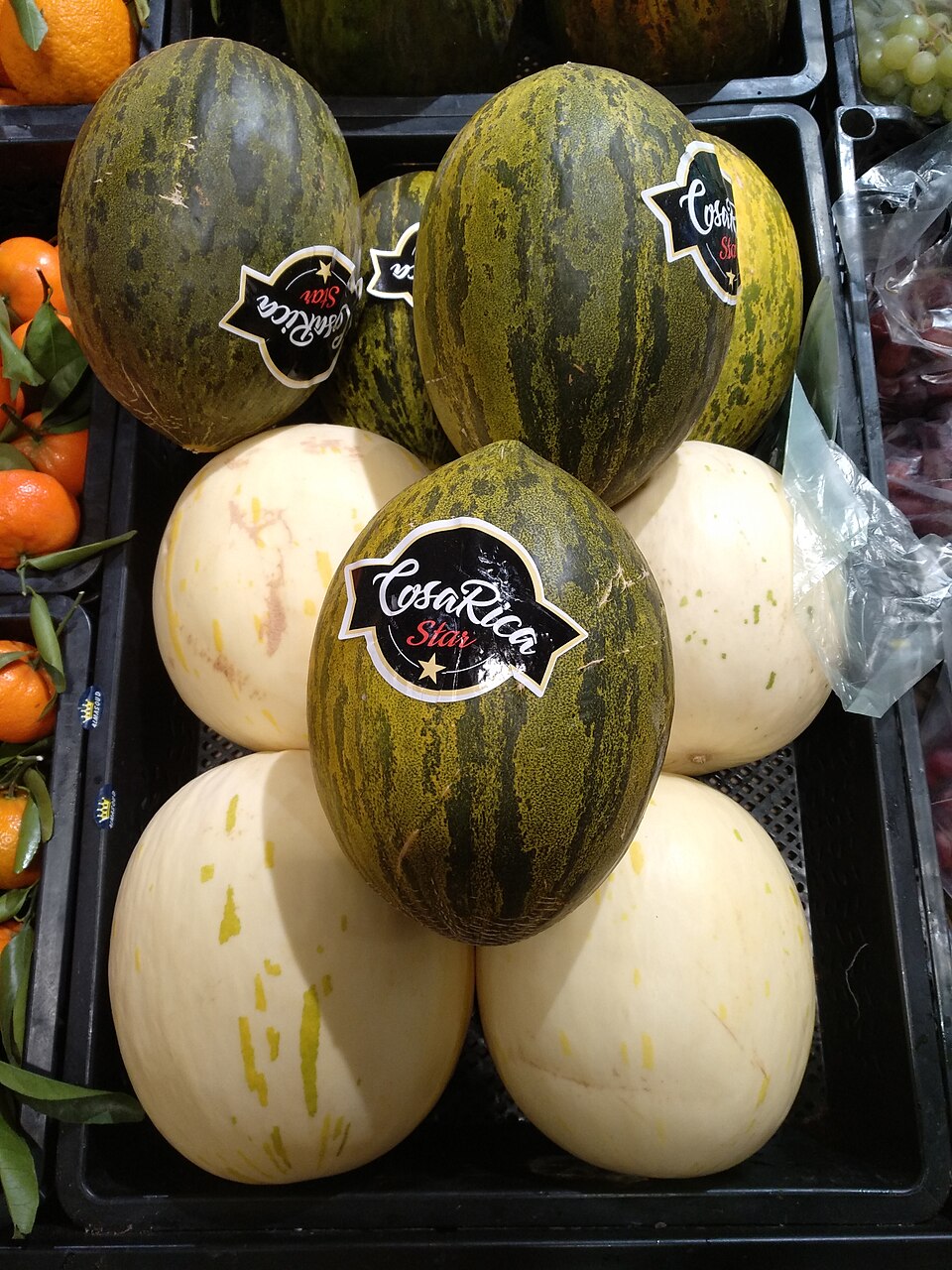
Honeydew Melon is a naturally sweet fruit packed with essential vitamins, minerals, and dietary fiber. This fruit is a natural source of vitamins and dietary fiber, supporting overall health and wellness when included in a balanced diet.
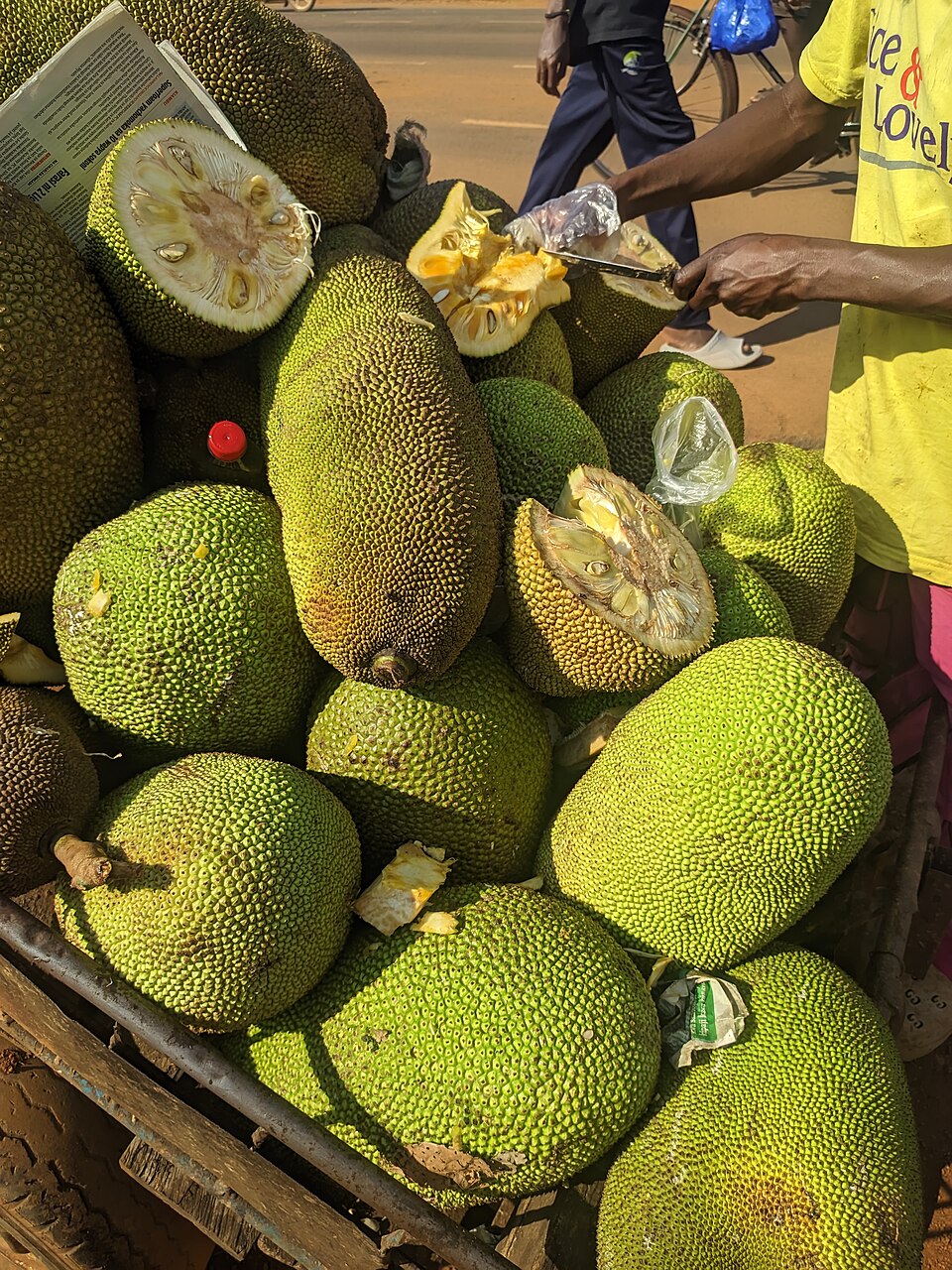
Jackfruit is a naturally sweet fruit packed with essential vitamins, minerals, and dietary fiber. This fruit is a natural source of vitamins and dietary fiber, supporting overall health and wellness when included in a balanced diet.
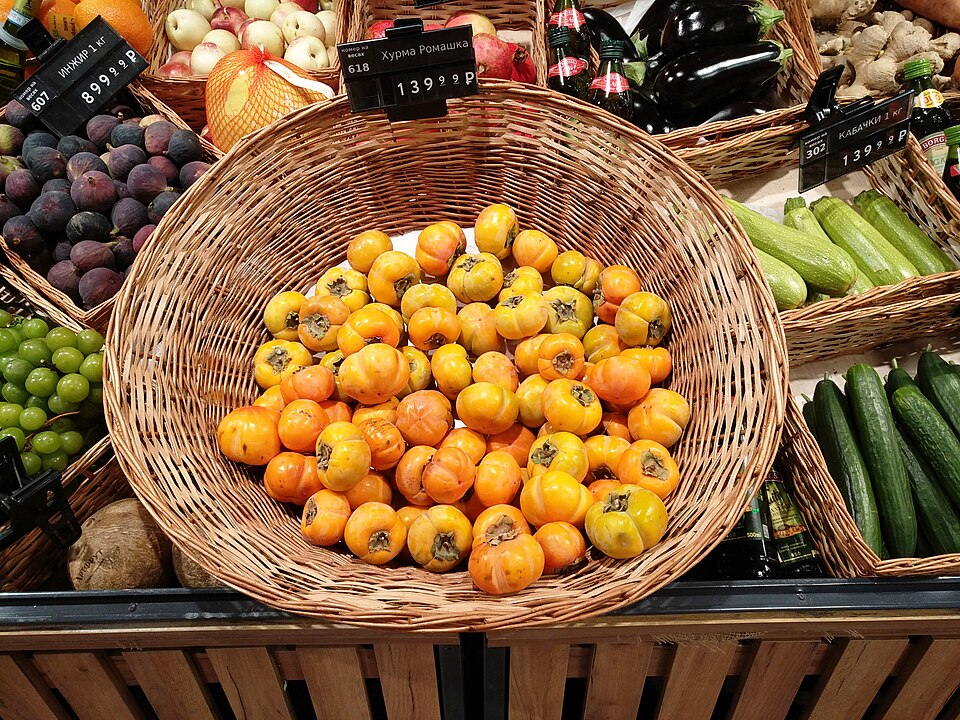
A sweet, orange fruit with a honey-like flavor and smooth skin.
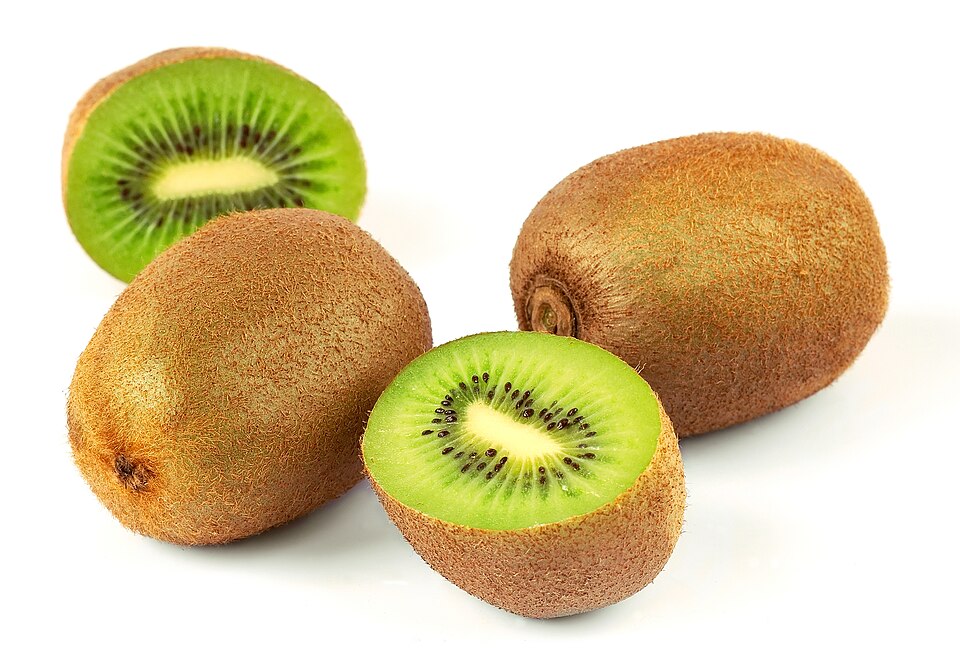
A small, nutrient-dense fruit with green flesh, exceptionally high in vitamin C, vitamin K, and dietary fiber.
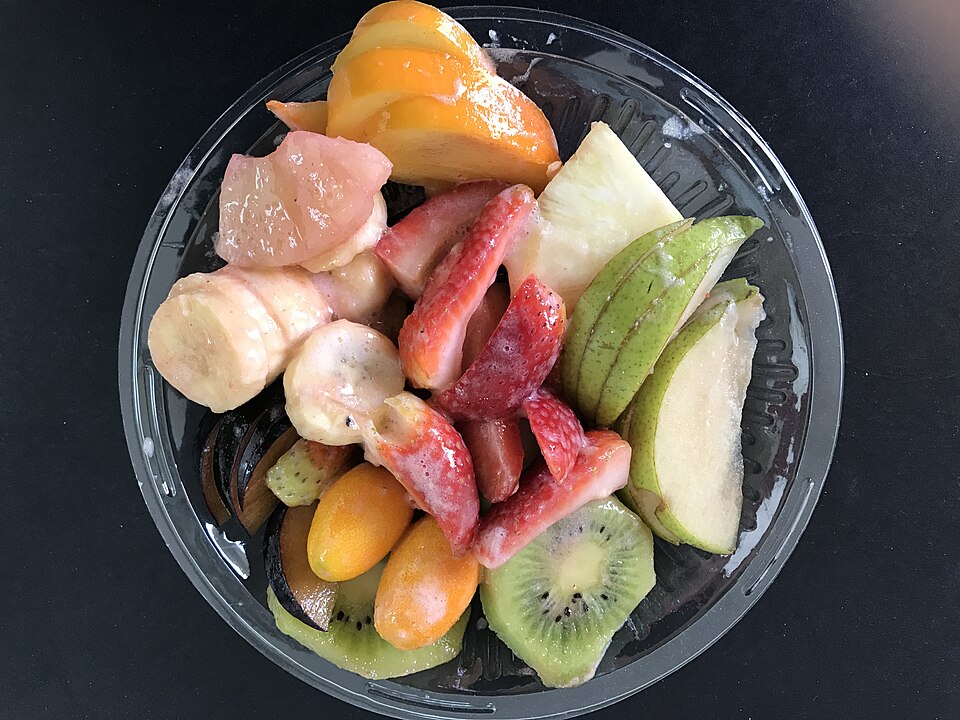
Kumquat is a naturally sweet fruit packed with essential vitamins, minerals, and dietary fiber. This fruit is a natural source of vitamins and dietary fiber, supporting overall health and wellness when included in a balanced diet.
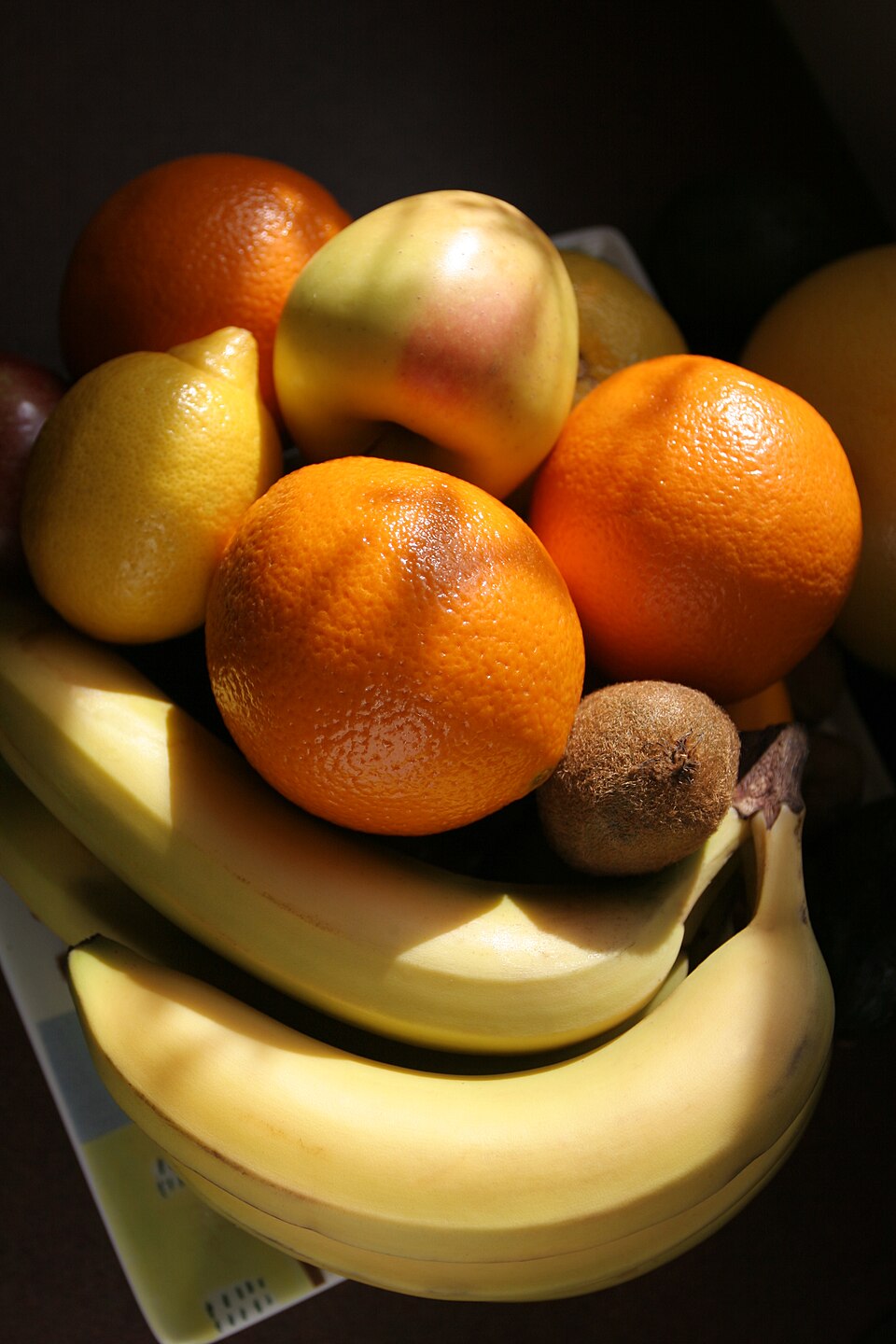
Lemon is a naturally sweet fruit packed with essential vitamins, minerals, and dietary fiber. Rich in fruit, it supports immune function, digestive health, and provides natural energy.

Lime is a naturally sweet fruit packed with essential vitamins, minerals, and dietary fiber. This fruit is a natural source of vitamins and dietary fiber, supporting overall health and wellness when included in a balanced diet.
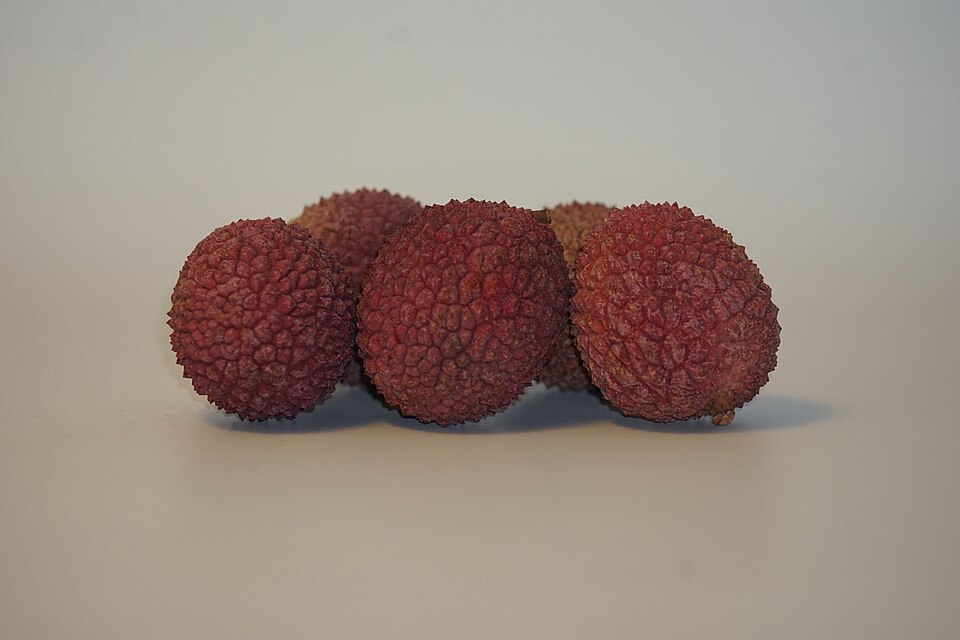
A small tropical fruit with a rough pink rind and sweet white flesh.

Mandarin is a naturally sweet fruit packed with essential vitamins, minerals, and dietary fiber. This fruit is a natural source of vitamins and dietary fiber, supporting overall health and wellness when included in a balanced diet.
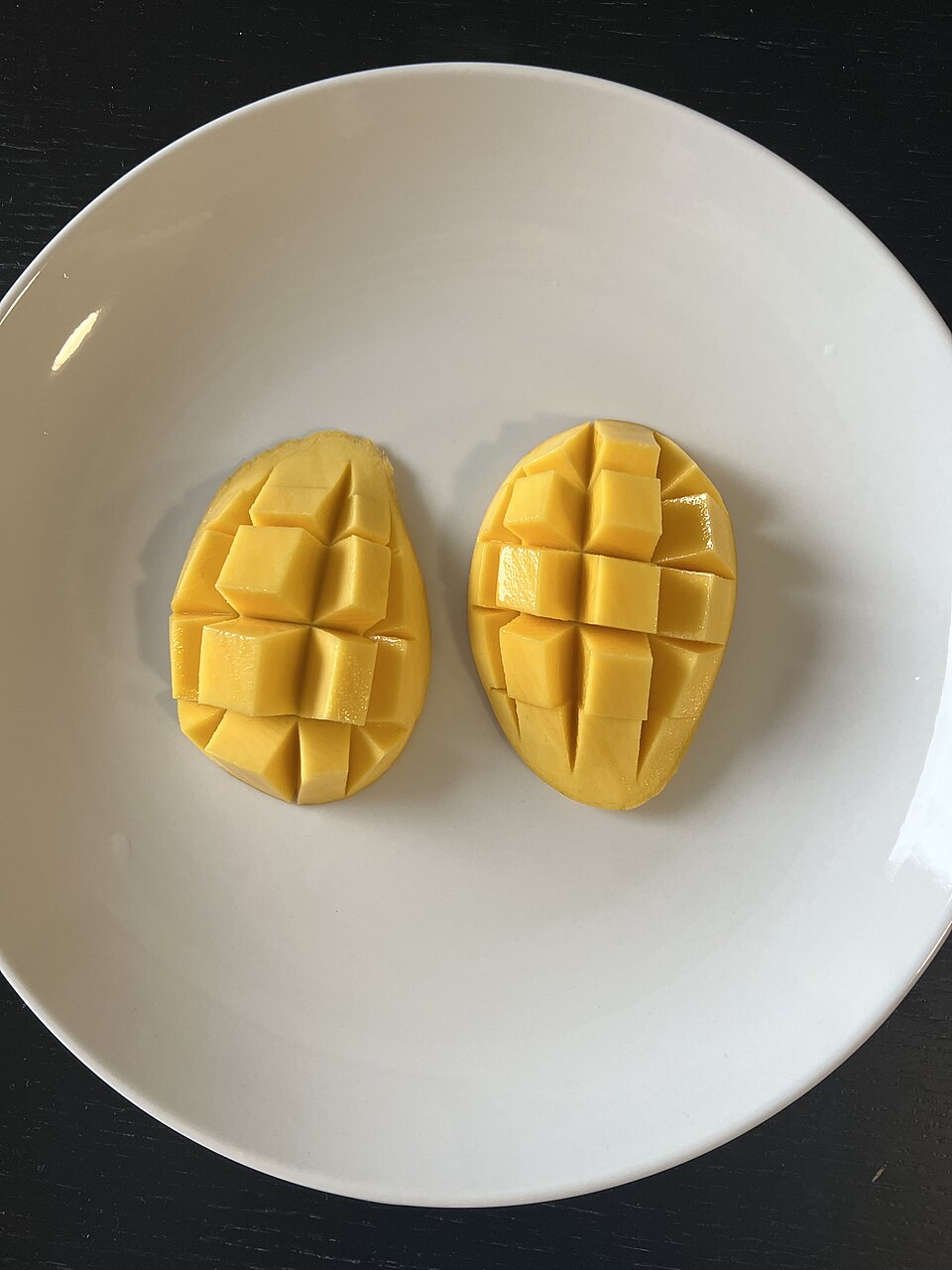
A sweet, tropical fruit with yellow-orange flesh and a large pit.
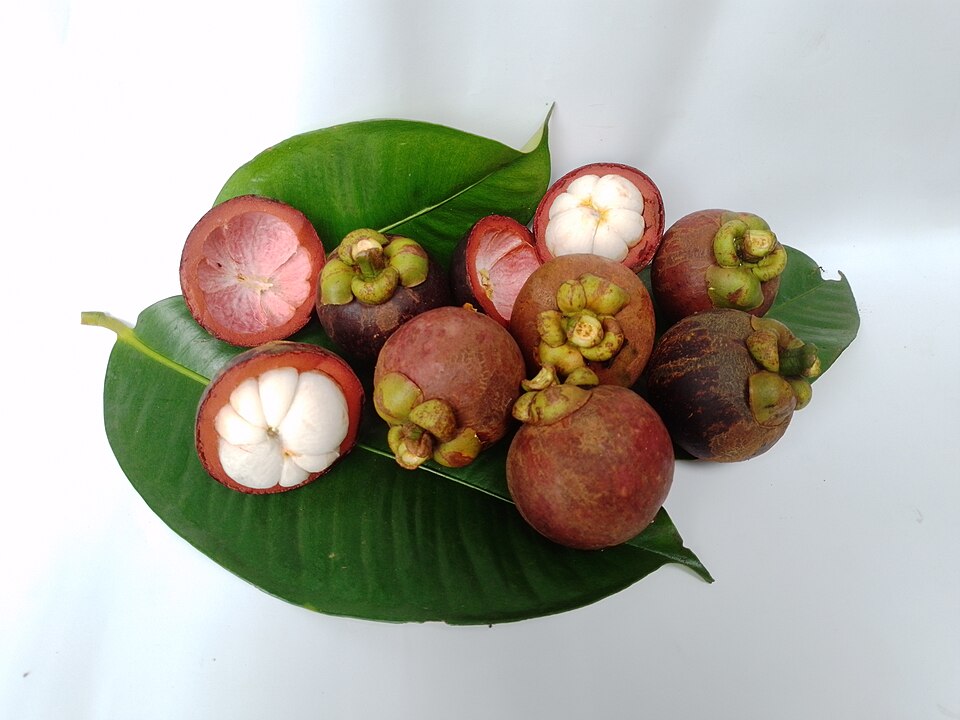
A tropical fruit with a thick purple rind and sweet white segments.
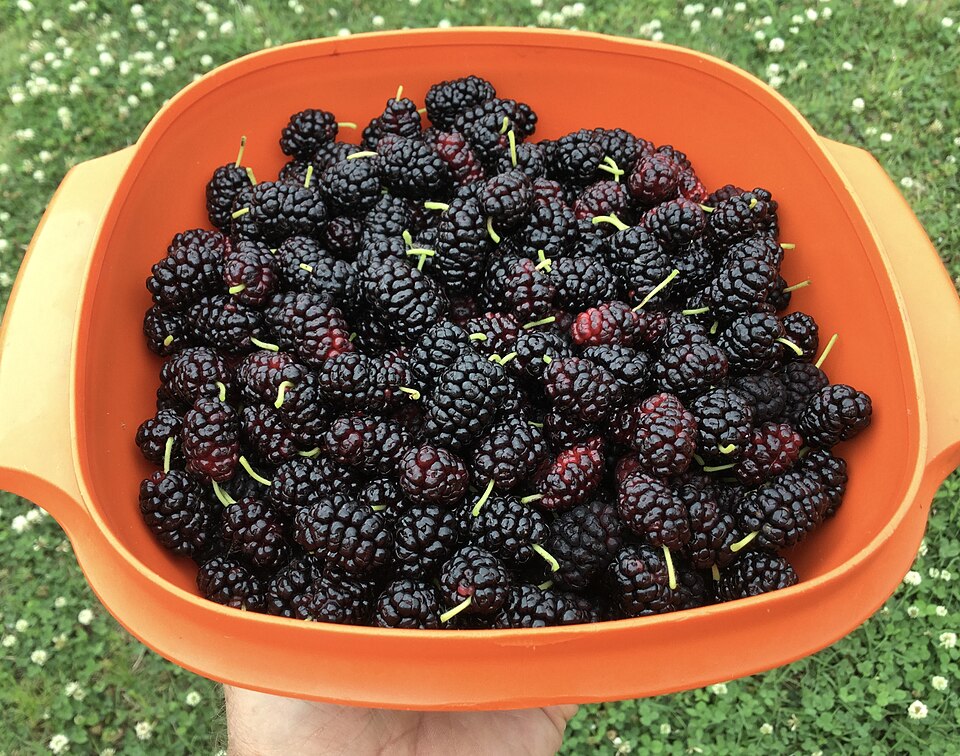
Small, sweet berries resembling blackberries, ranging from red to black.
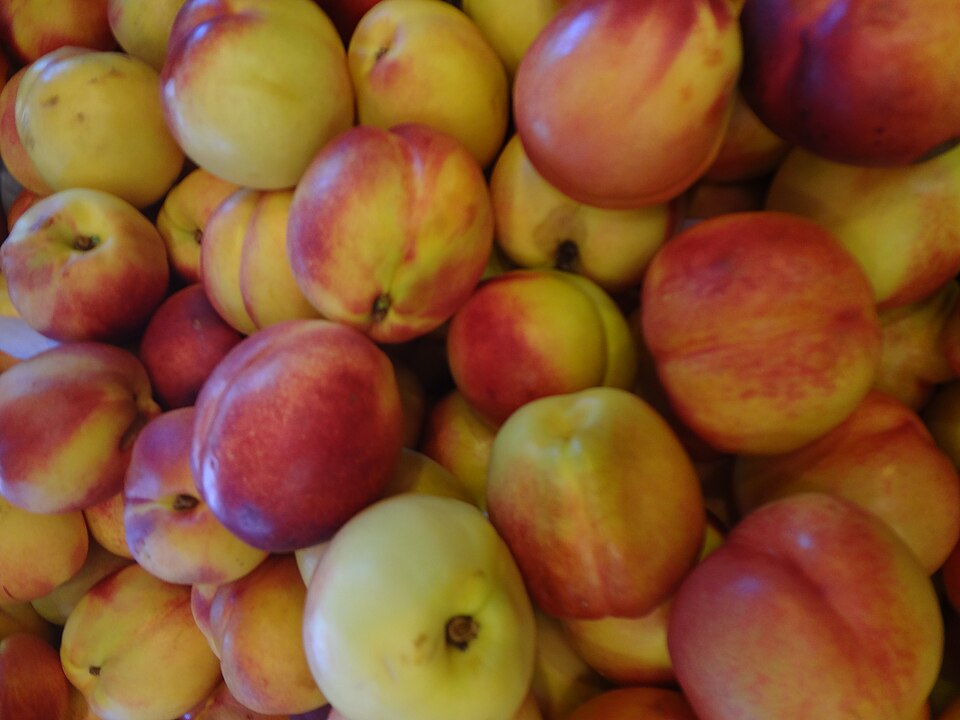
Nectarine is a naturally sweet fruit packed with essential vitamins, minerals, and dietary fiber. This fruit is a natural source of vitamins and dietary fiber, supporting overall health and wellness when included in a balanced diet.
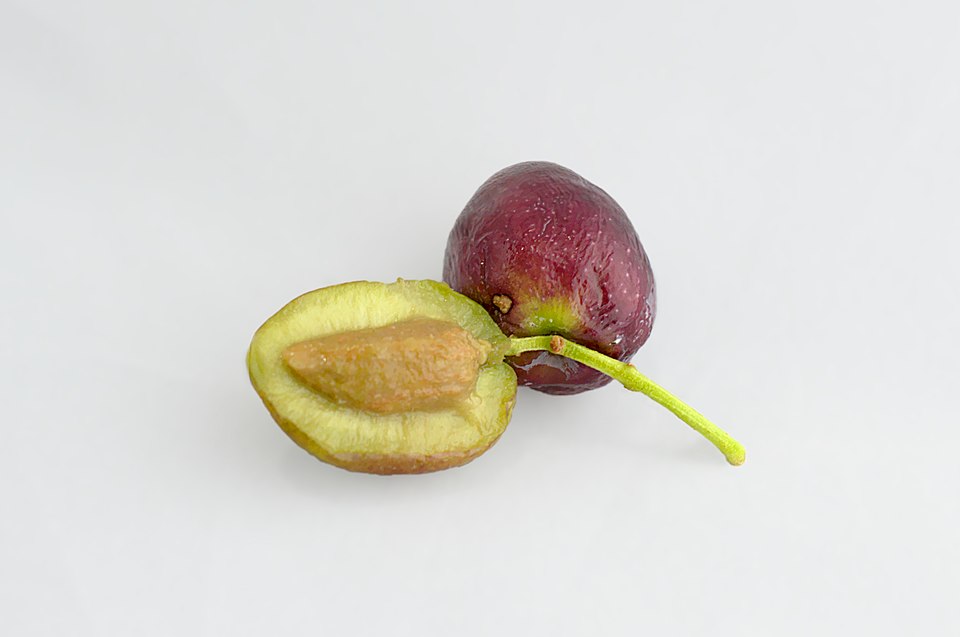
Small, briny fruits from the olive tree, rich in healthy fats.
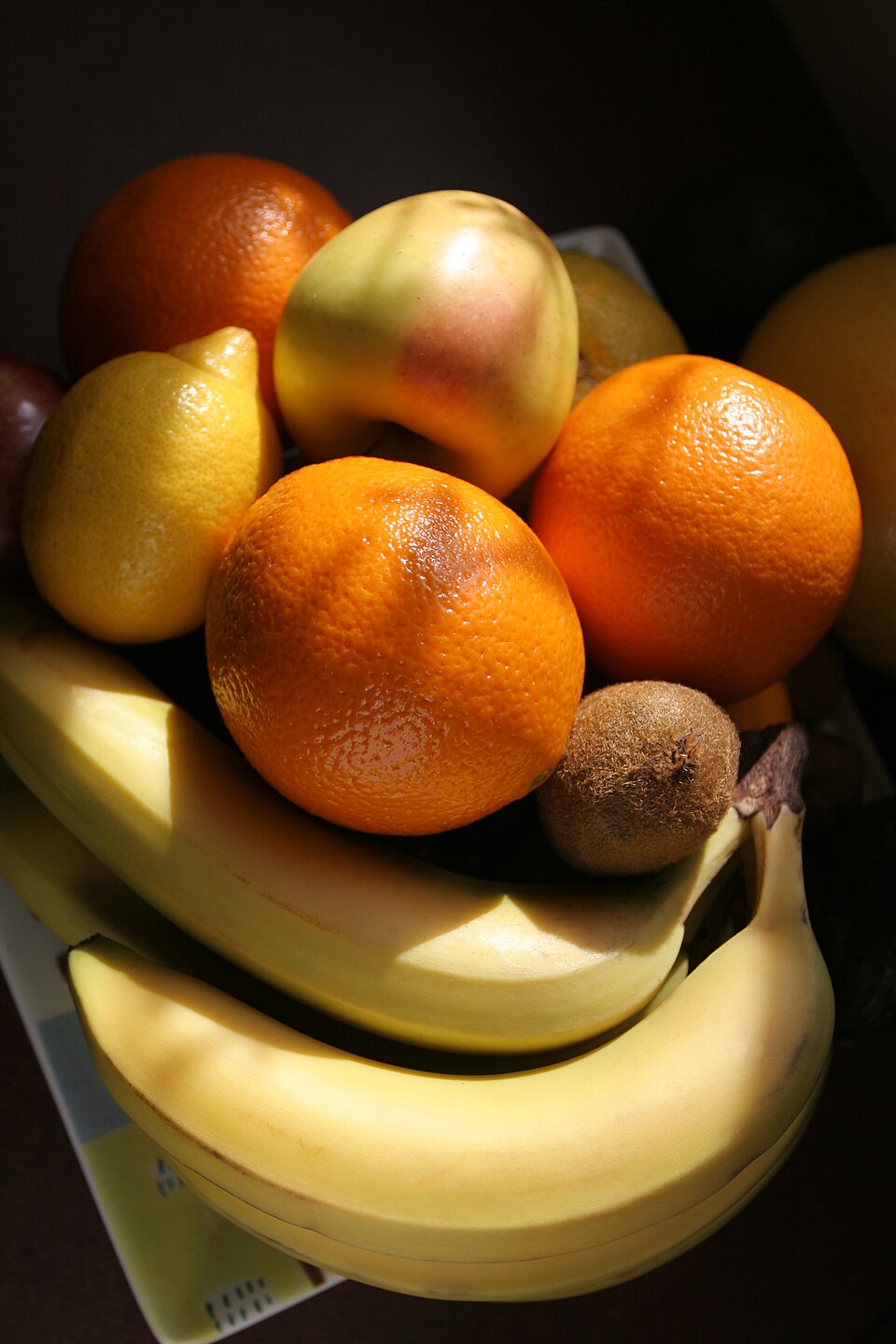
Orange is a naturally sweet fruit packed with essential vitamins, minerals, and dietary fiber. it supports immune function, digestive health, and provides natural energy.
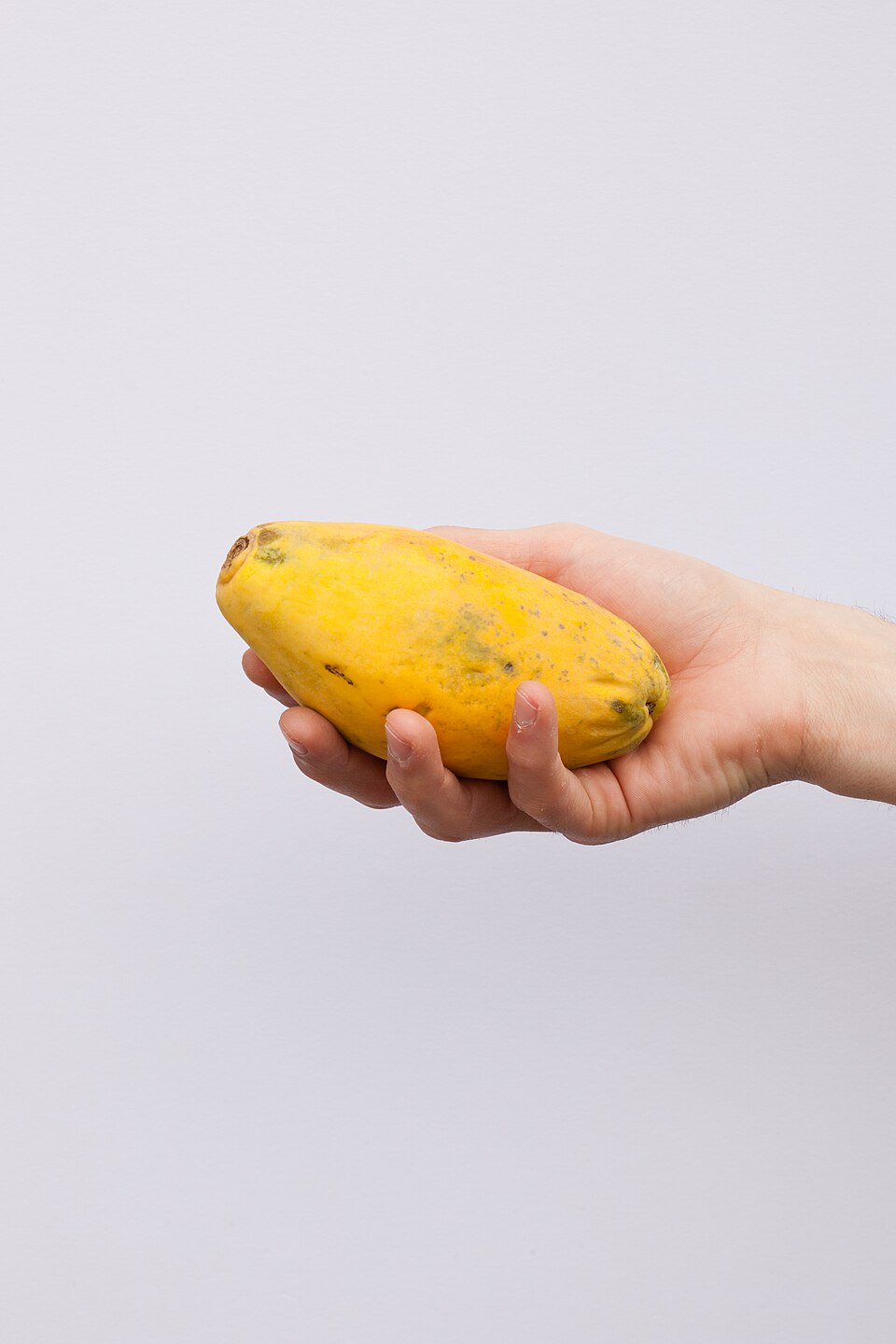
A tropical fruit with orange flesh and a sweet, musky flavor.
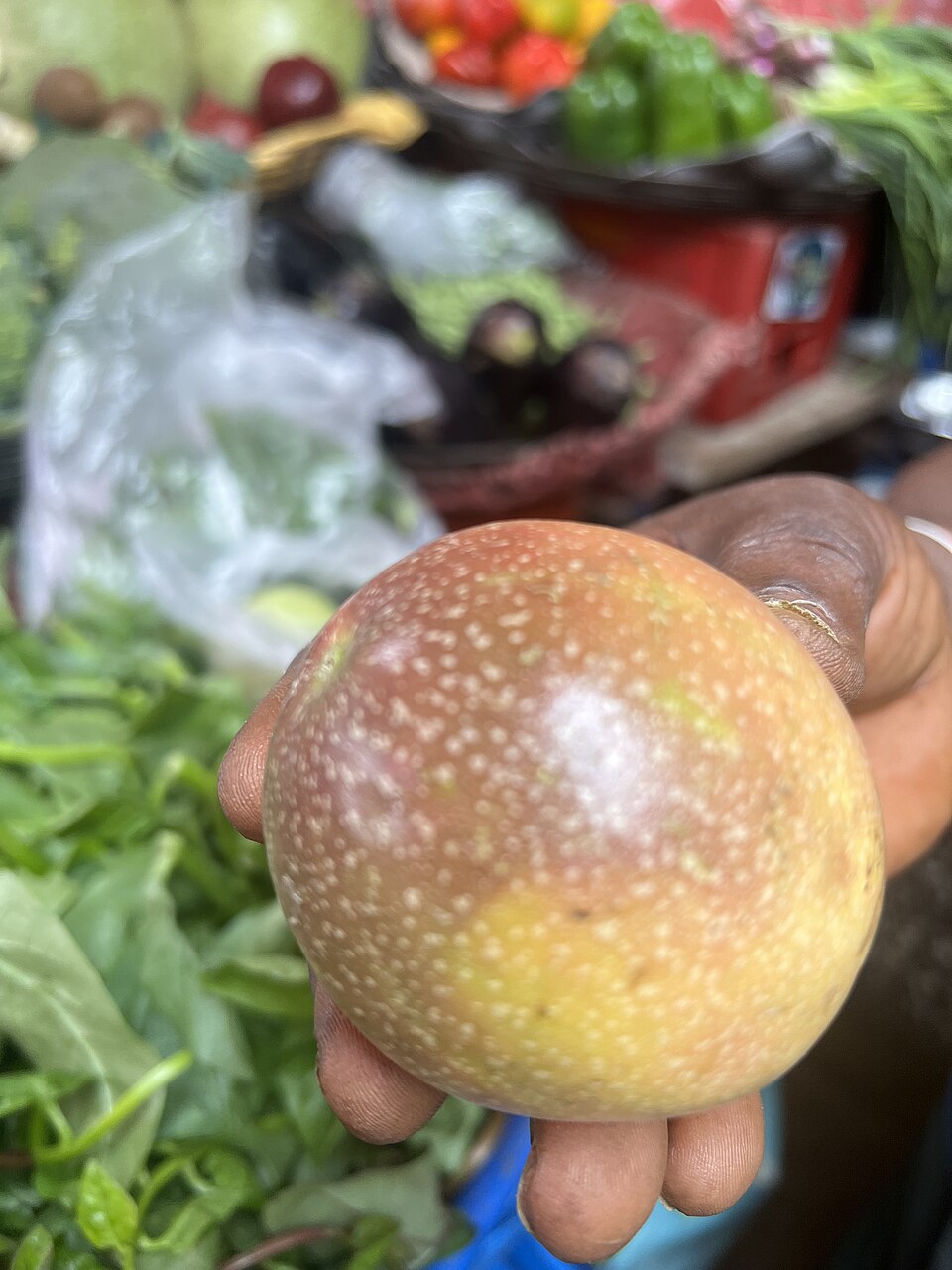
A tropical fruit with a tough rind and aromatic, seed-filled pulp.
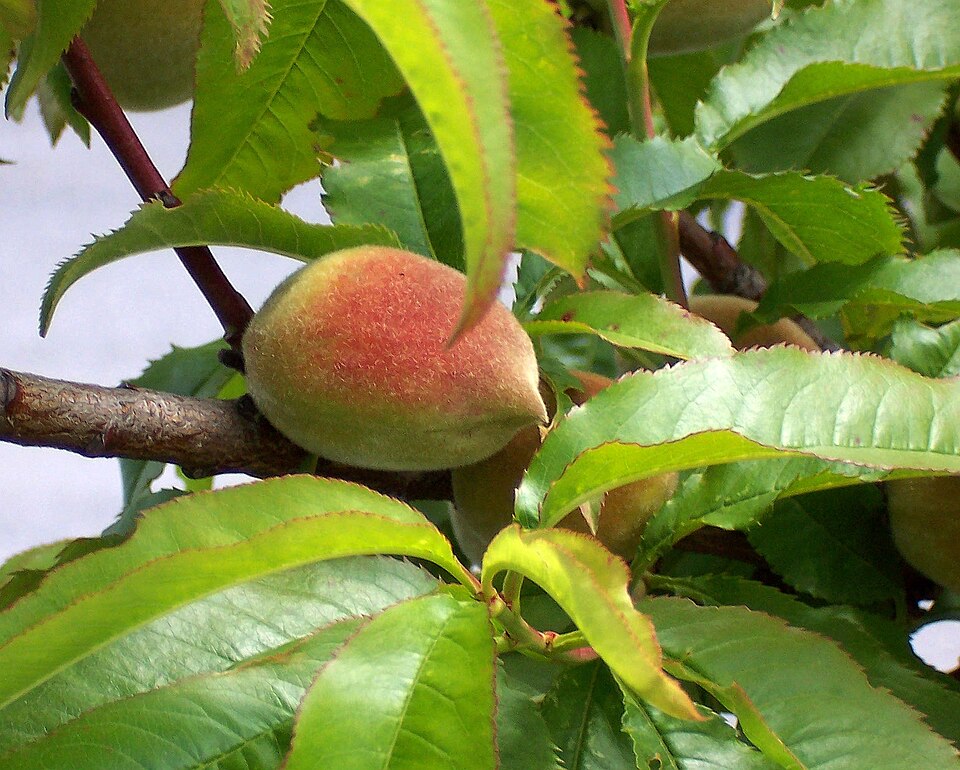
Peach is a naturally sweet fruit packed with essential vitamins, minerals, and dietary fiber. This fruit is a natural source of vitamins and dietary fiber, supporting overall health and wellness when included in a balanced diet.
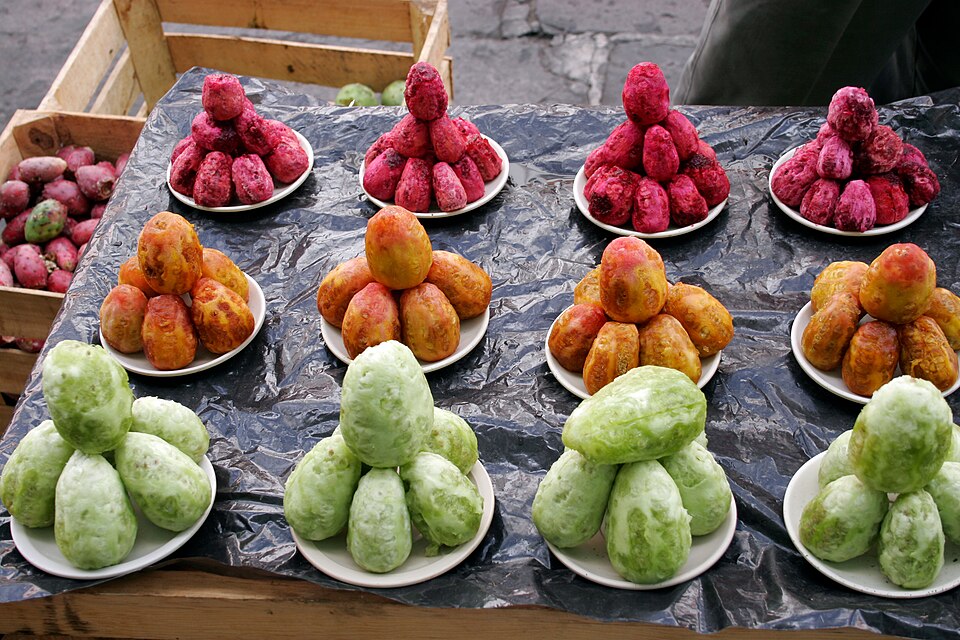
Pear is a naturally sweet fruit packed with essential vitamins, minerals, and dietary fiber. This fruit is a natural source of vitamins and dietary fiber, supporting overall health and wellness when included in a balanced diet.
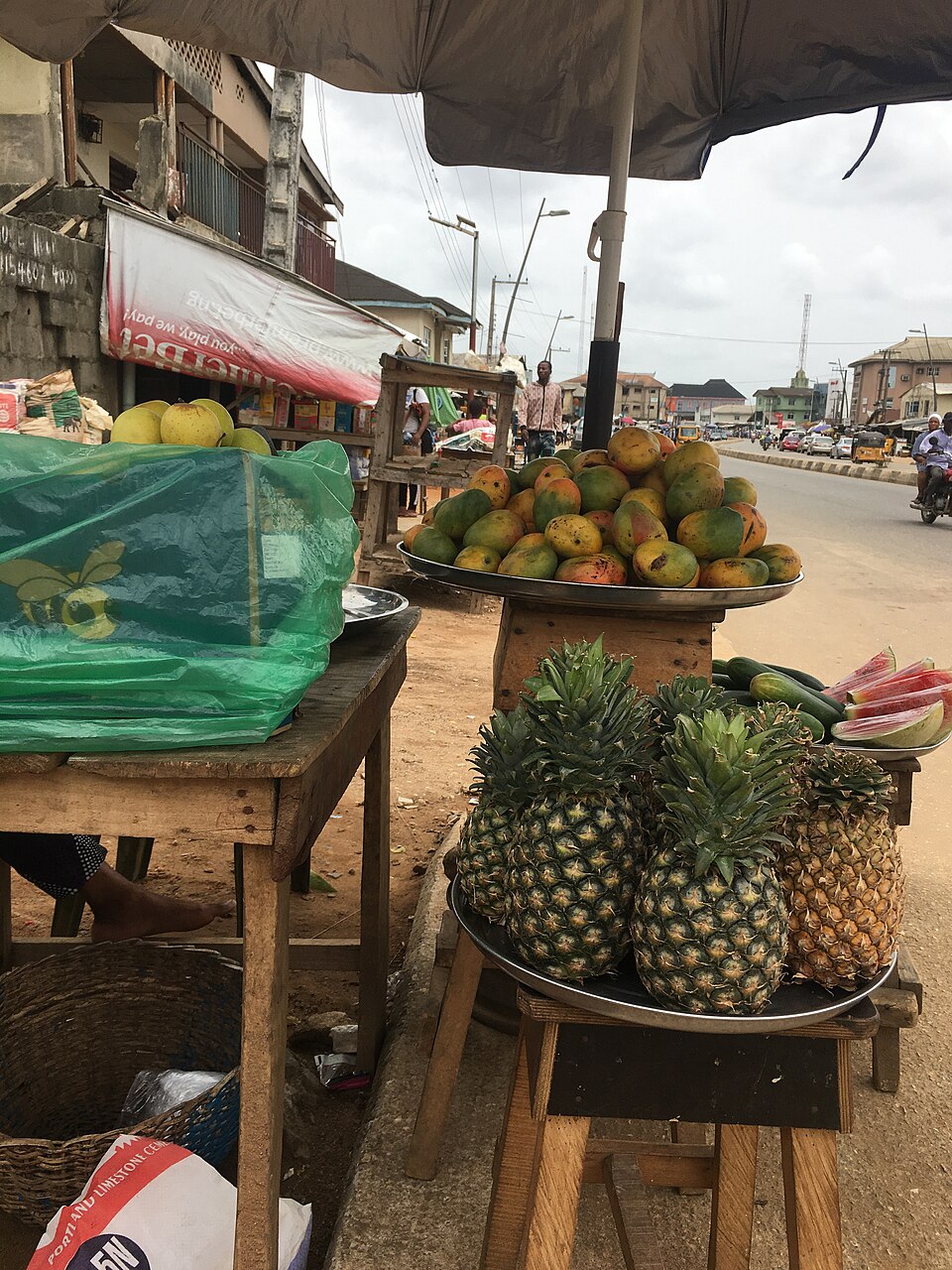
A tropical fruit with spiky skin and sweet, tangy yellow flesh.

A juicy stone fruit with smooth skin ranging from red to purple.
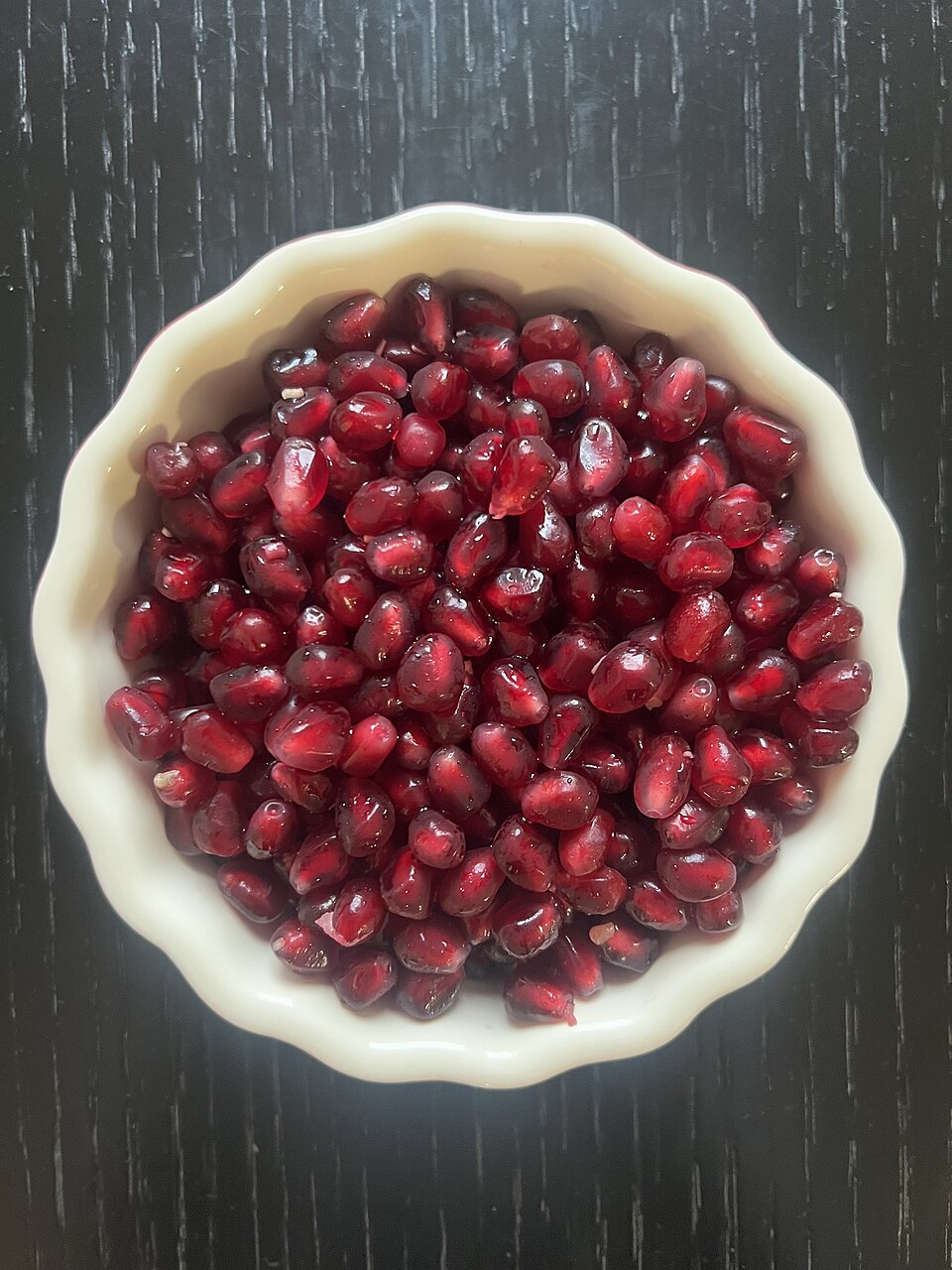
A round fruit with a tough rind filled with juicy, ruby-red arils.

Raspberries is a naturally sweet fruit packed with essential vitamins, minerals, and dietary fiber. This fruit is a natural source of vitamins and dietary fiber, supporting overall health and wellness when included in a balanced diet.
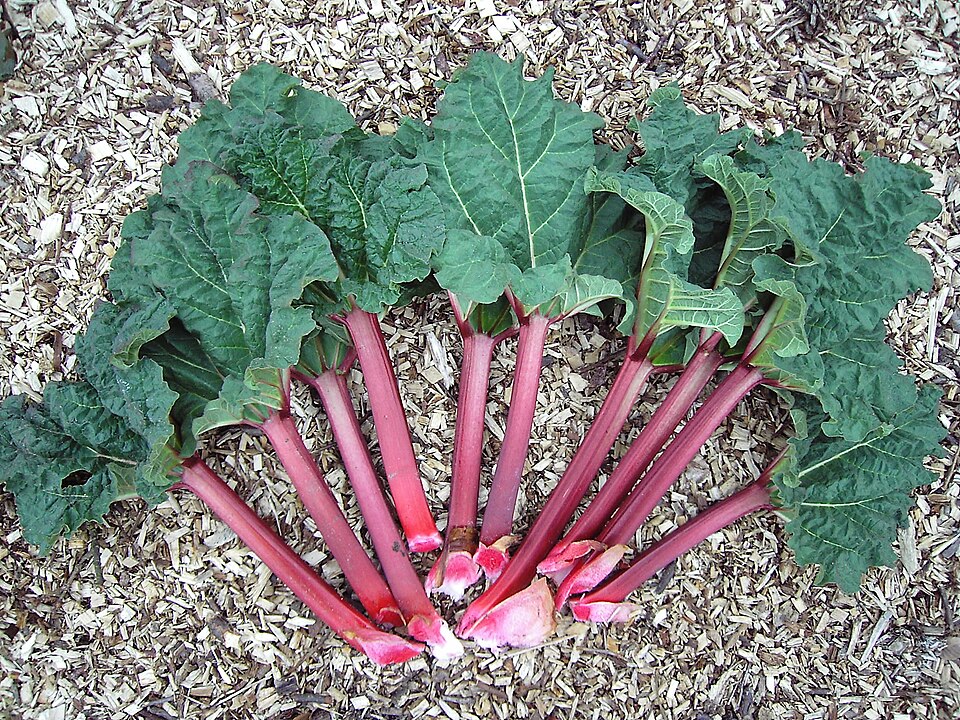
Rhubarb is a naturally sweet fruit packed with essential vitamins, minerals, and dietary fiber. This fruit is a natural source of vitamins and dietary fiber, supporting overall health and wellness when included in a balanced diet.

A sweet, brown tropical fruit with a grainy, pear-like flesh.

A bright red, juicy berry rich in vitamin C, manganese, folate, and powerful antioxidants like ellagic acid.
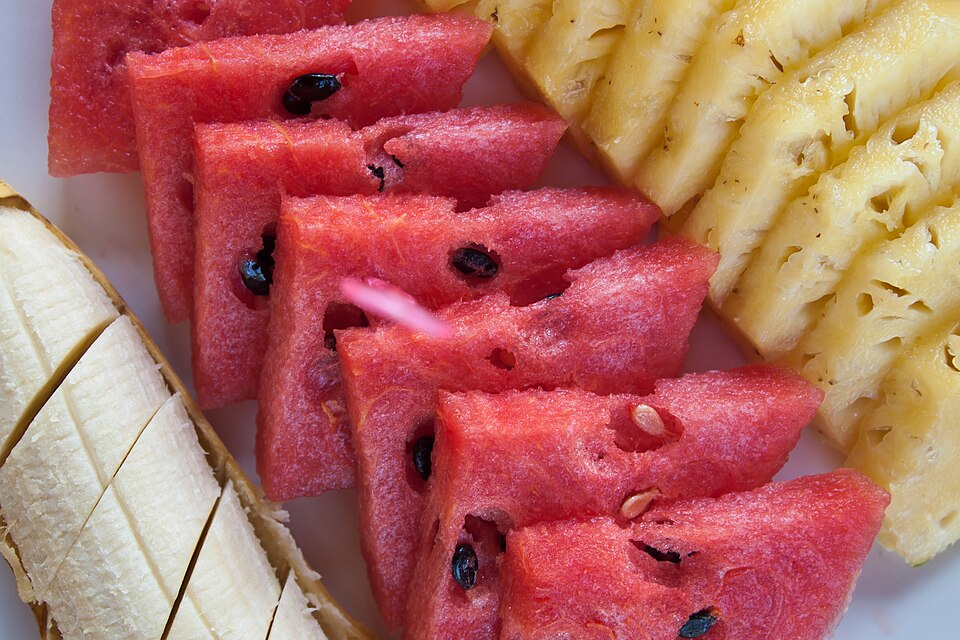
A large, hydrating fruit with high water content, rich in lycopene, vitamin C, and citrulline.
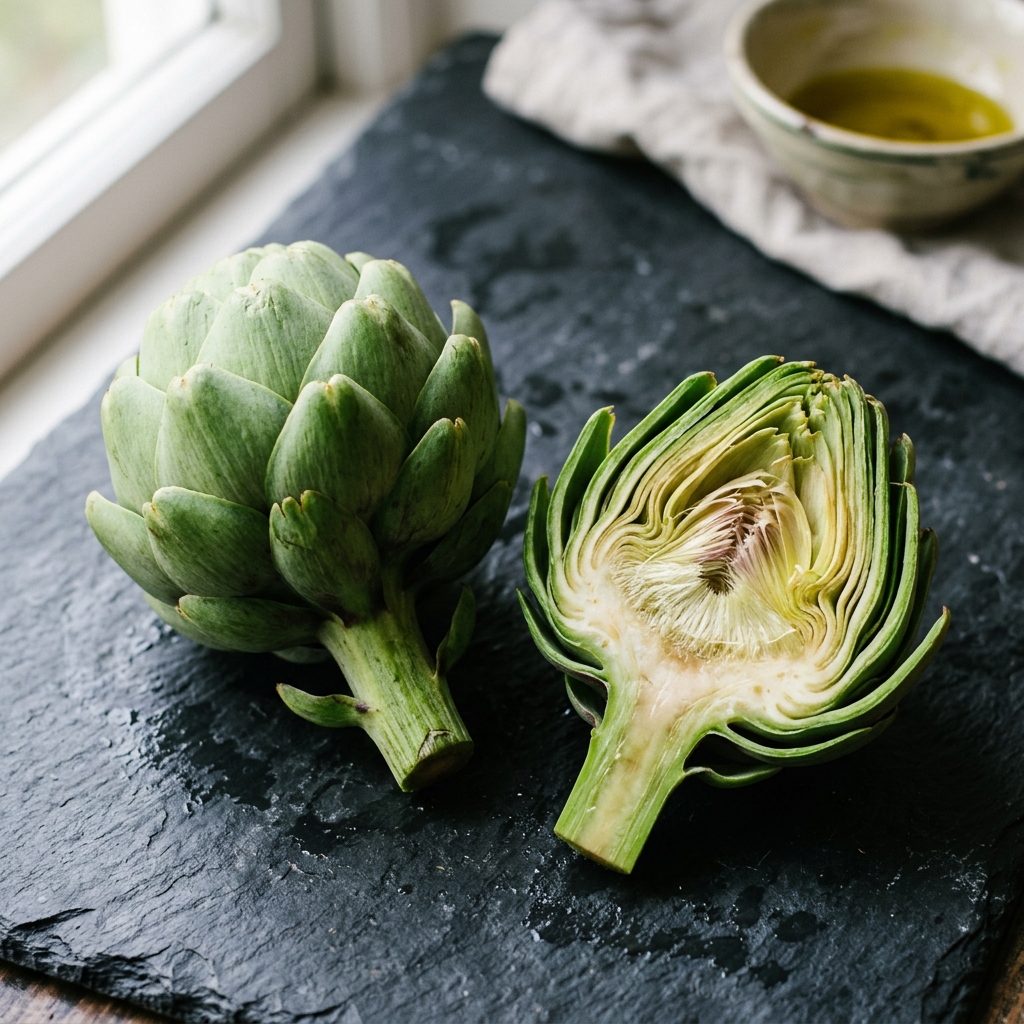
A thistle-like vegetable with edible leaves and a tender heart.

Arugula is a versatile vegetable rich in vitamins, minerals, and phytonutrients. Notable for its arugula, vegetable content, it is a valuable component of a healthy diet, supporting digestion and overall wellness.
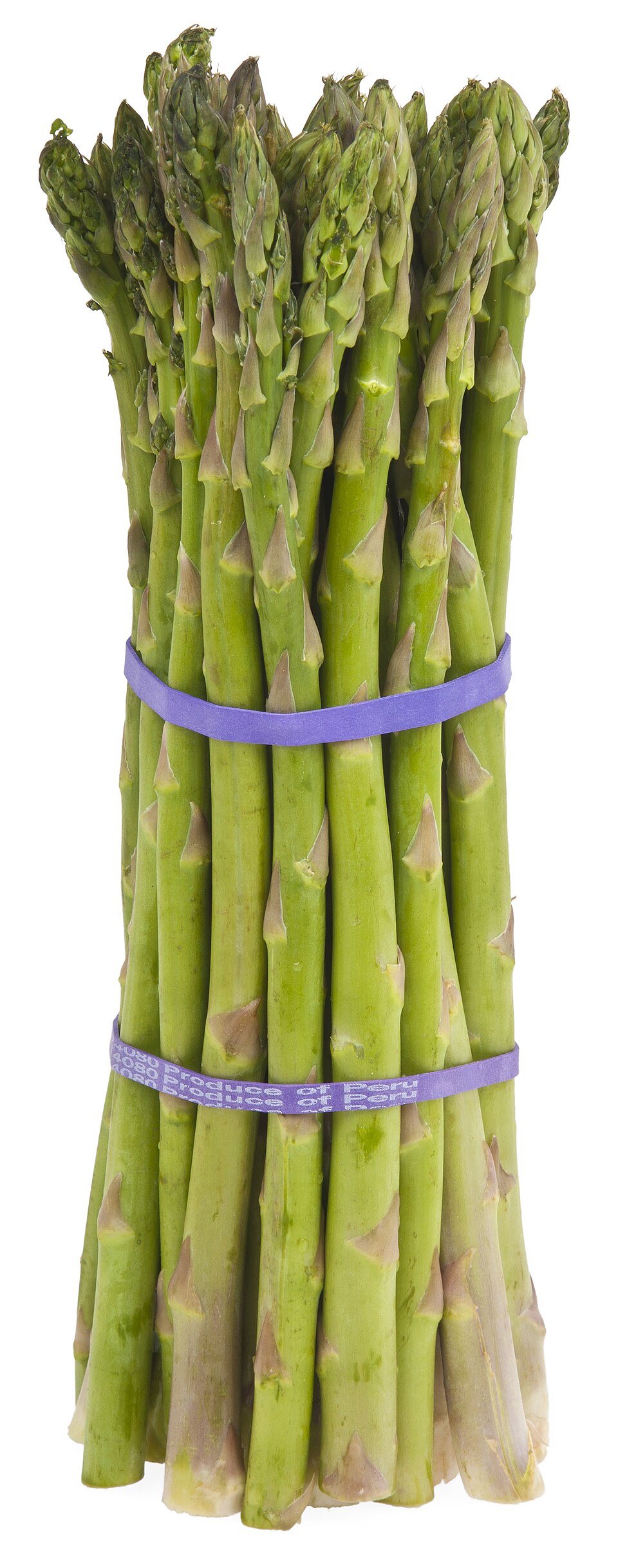
Asparagus is a versatile vegetable rich in vitamins, minerals, and phytonutrients. Notable for its asparagus, vegetable content, it is a valuable component of a healthy diet, supporting digestion and overall wellness.
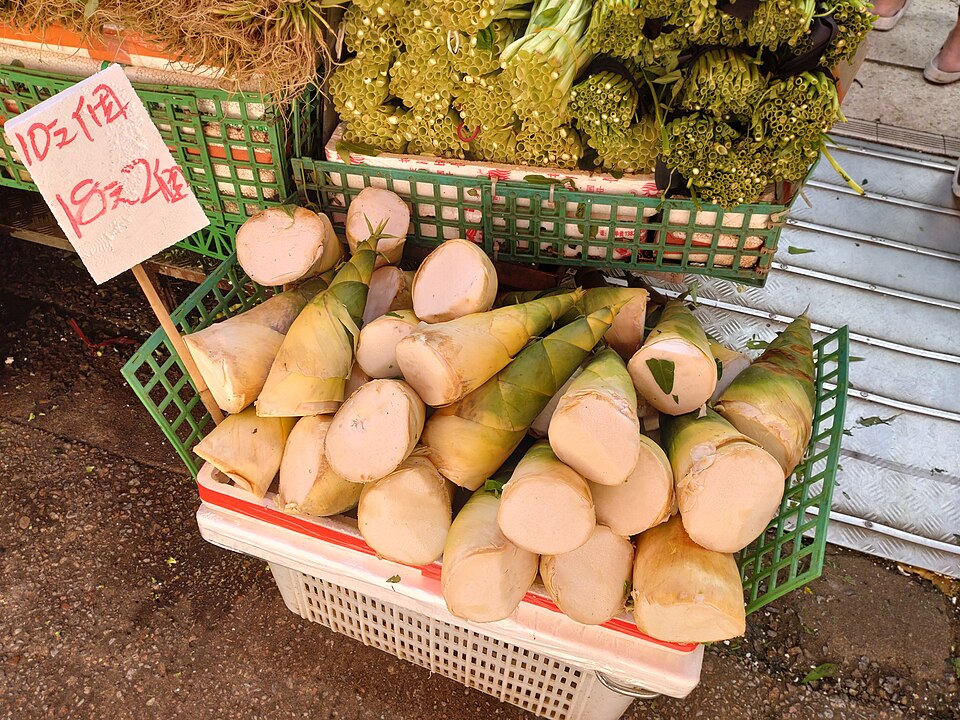
Crunchy, edible shoots from bamboo plants, common in Asian cuisine.
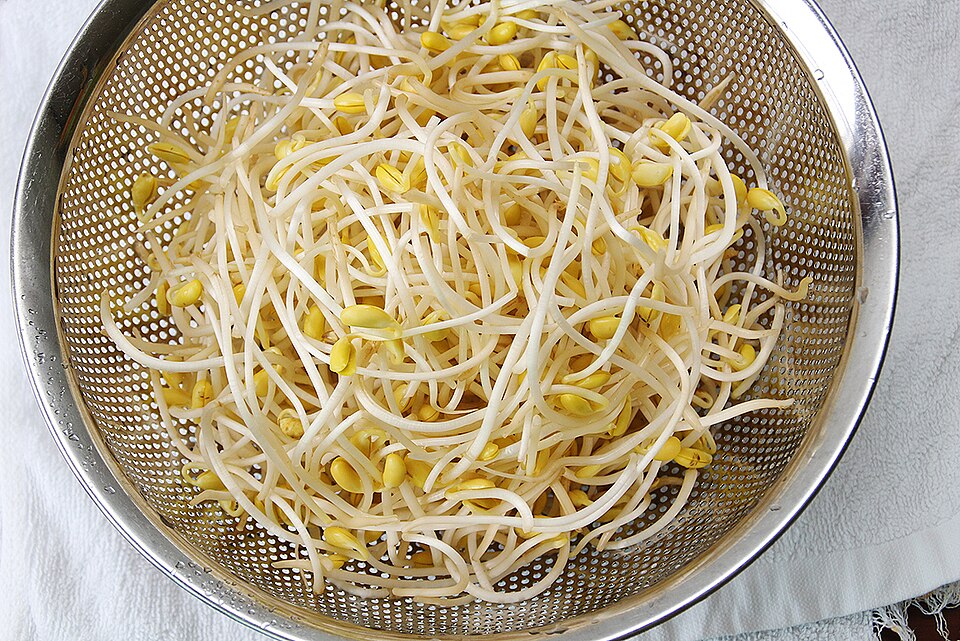
Crunchy sprouted mung beans commonly used in stir-fries and salads.
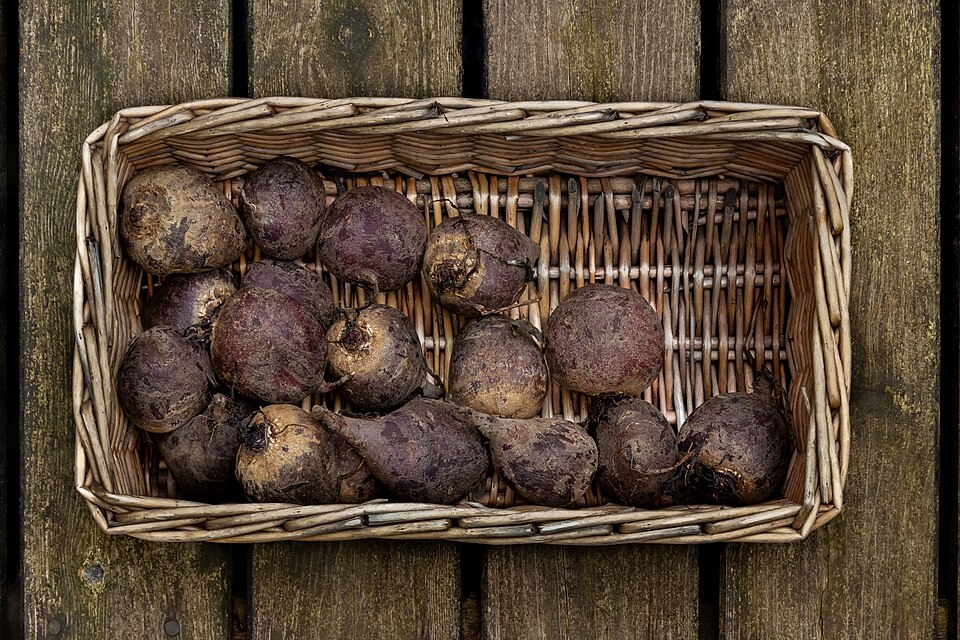
Beetroot is a versatile vegetable rich in vitamins, minerals, and phytonutrients. Notable for its beetroot, vegetable content, it is a valuable component of a healthy diet, supporting digestion and overall wellness.
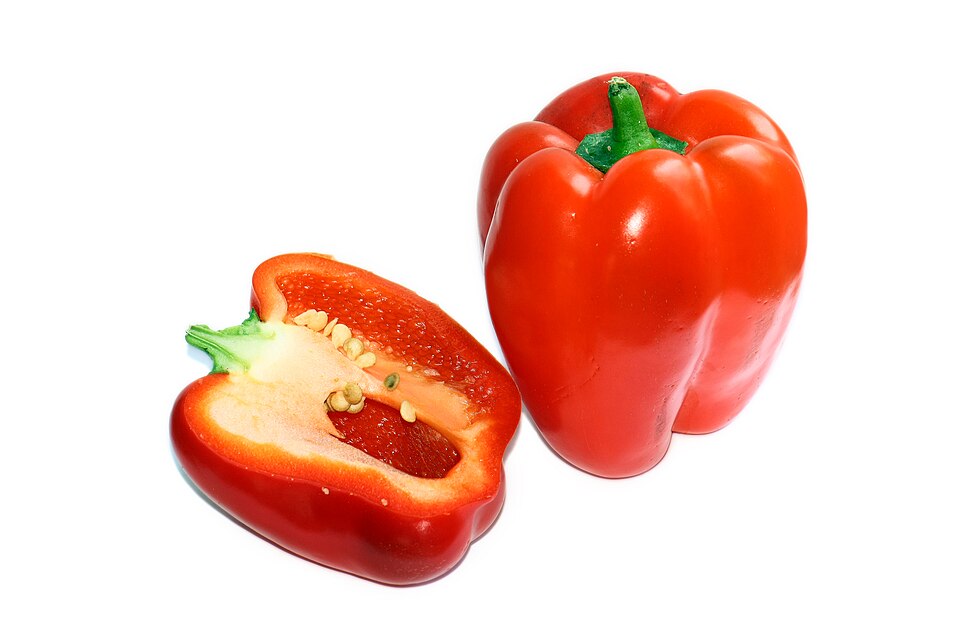
A colorful vegetable from the capsicum family, exceptionally high in vitamin C, especially in red varieties.
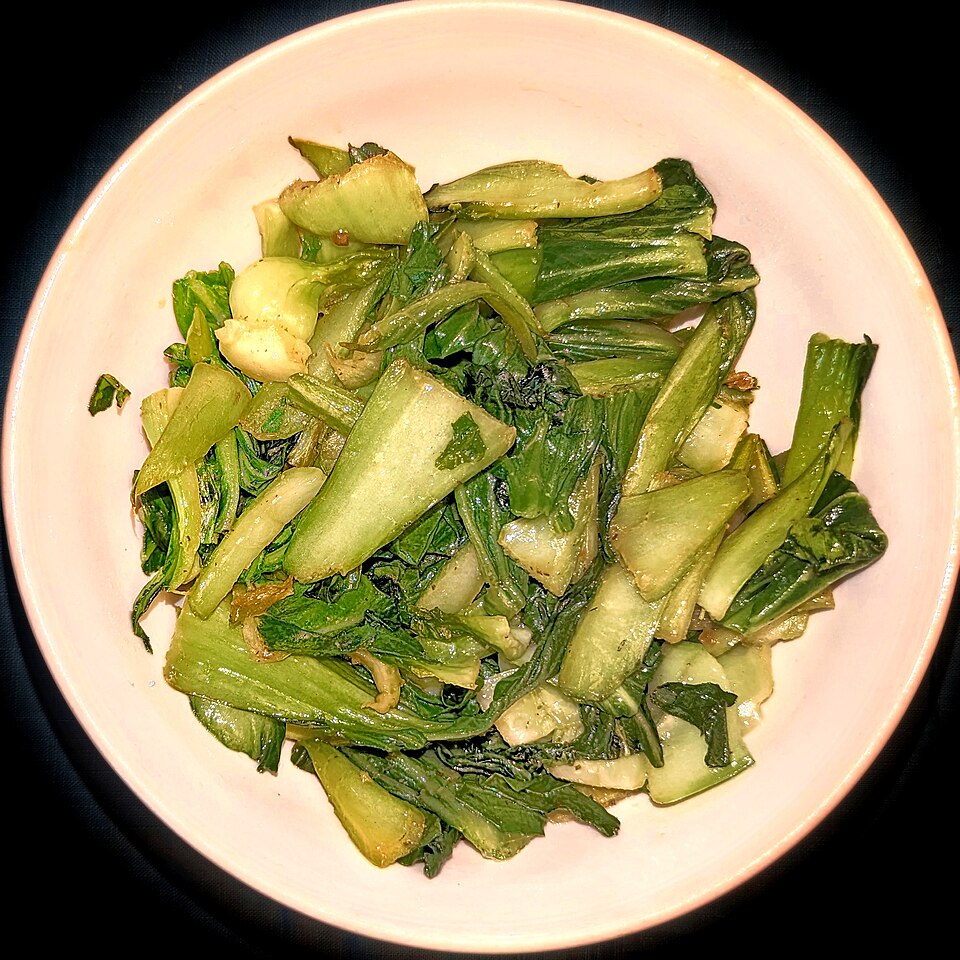
A crisp Chinese cabbage with white stalks and dark green leaves.
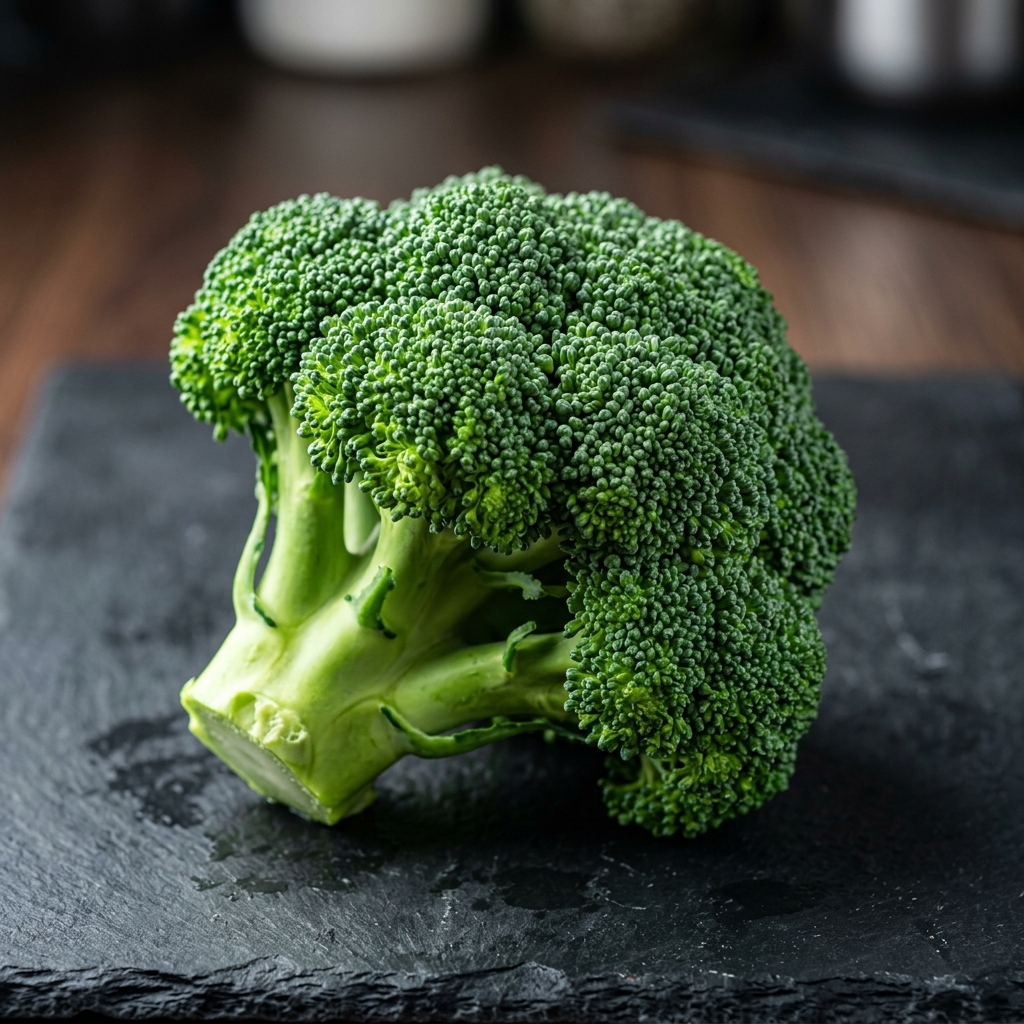
Broccoli is a versatile vegetable rich in vitamins, minerals, and phytonutrients. Notable for its broccoli, vegetable, cruciferous content, it is a valuable component of a healthy diet, supporting digestion and overall wellness.
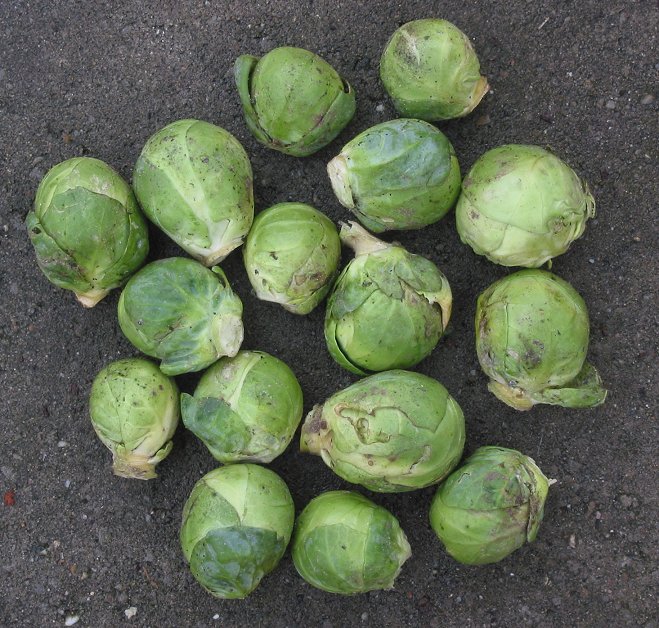
Brussels Sprouts is a versatile vegetable rich in vitamins, minerals, and phytonutrients. Notable for its brusselssprouts, vegetable content, it is a valuable component of a healthy diet, supporting digestion and overall wellness.
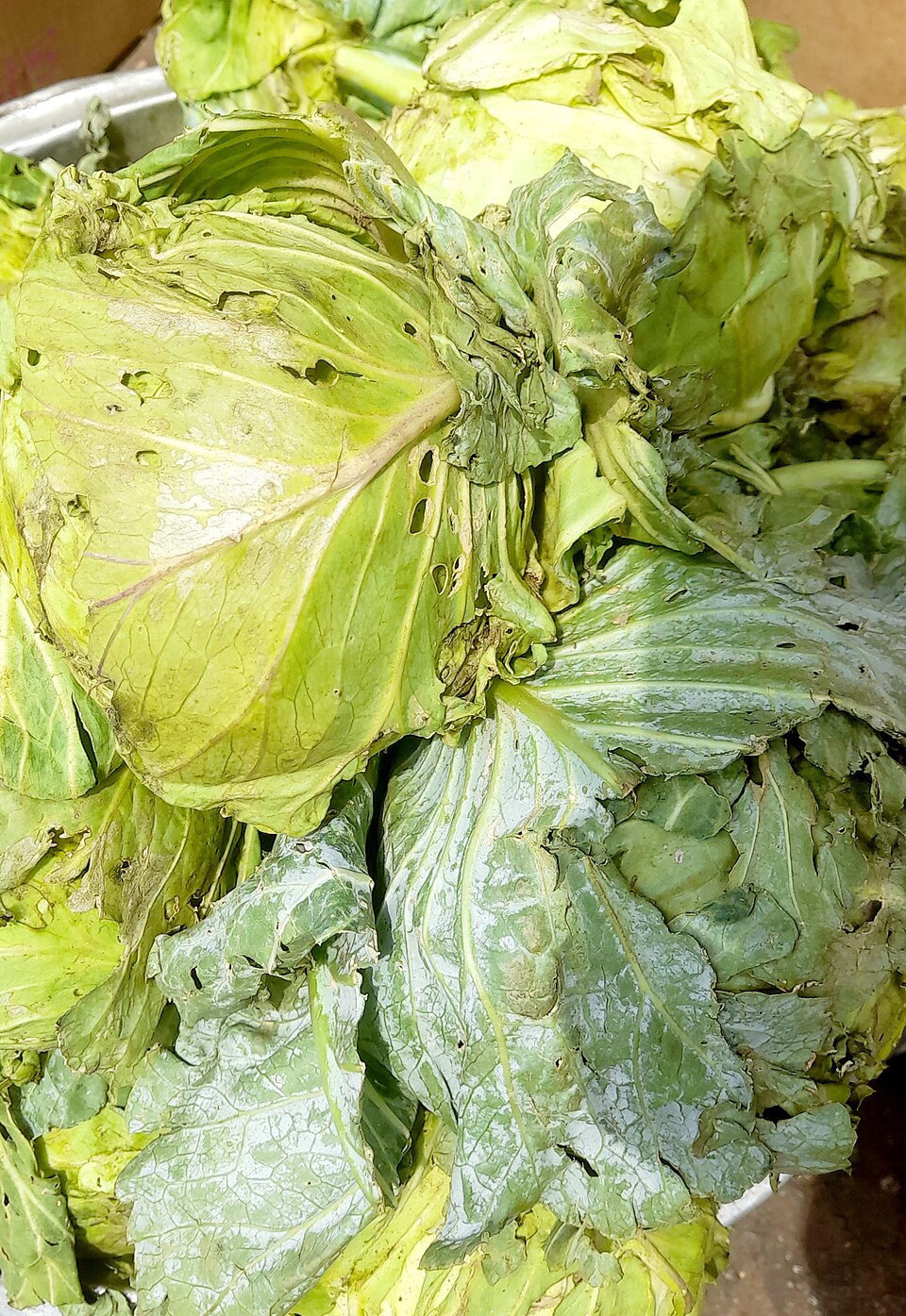
Cabbage (Green) is a versatile vegetable rich in vitamins, minerals, and phytonutrients. Notable for its cabbage, vegetable content, it is a valuable component of a healthy diet, supporting digestion and overall wellness.
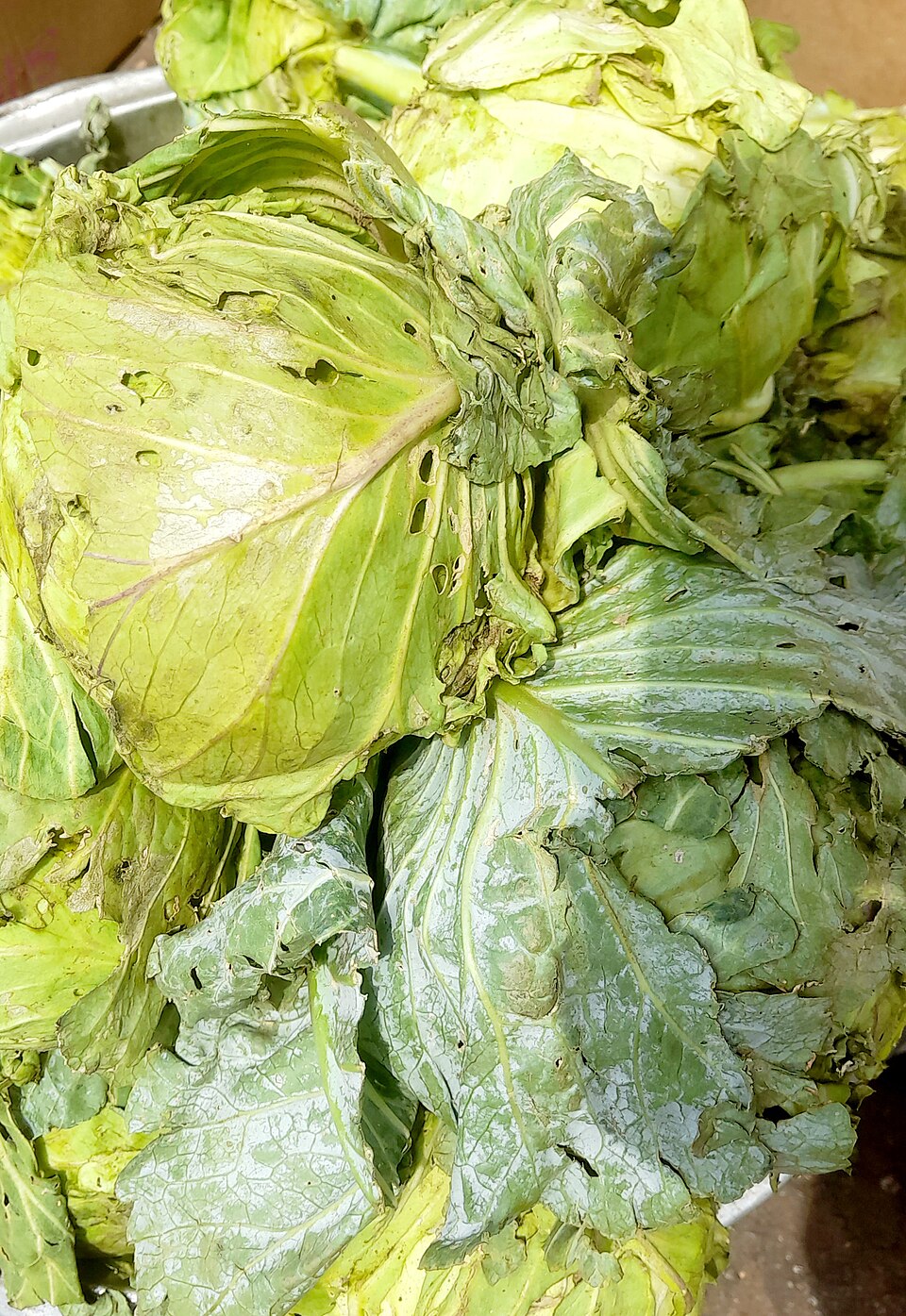
A deep purple cabbage variety with a slightly peppery flavor.
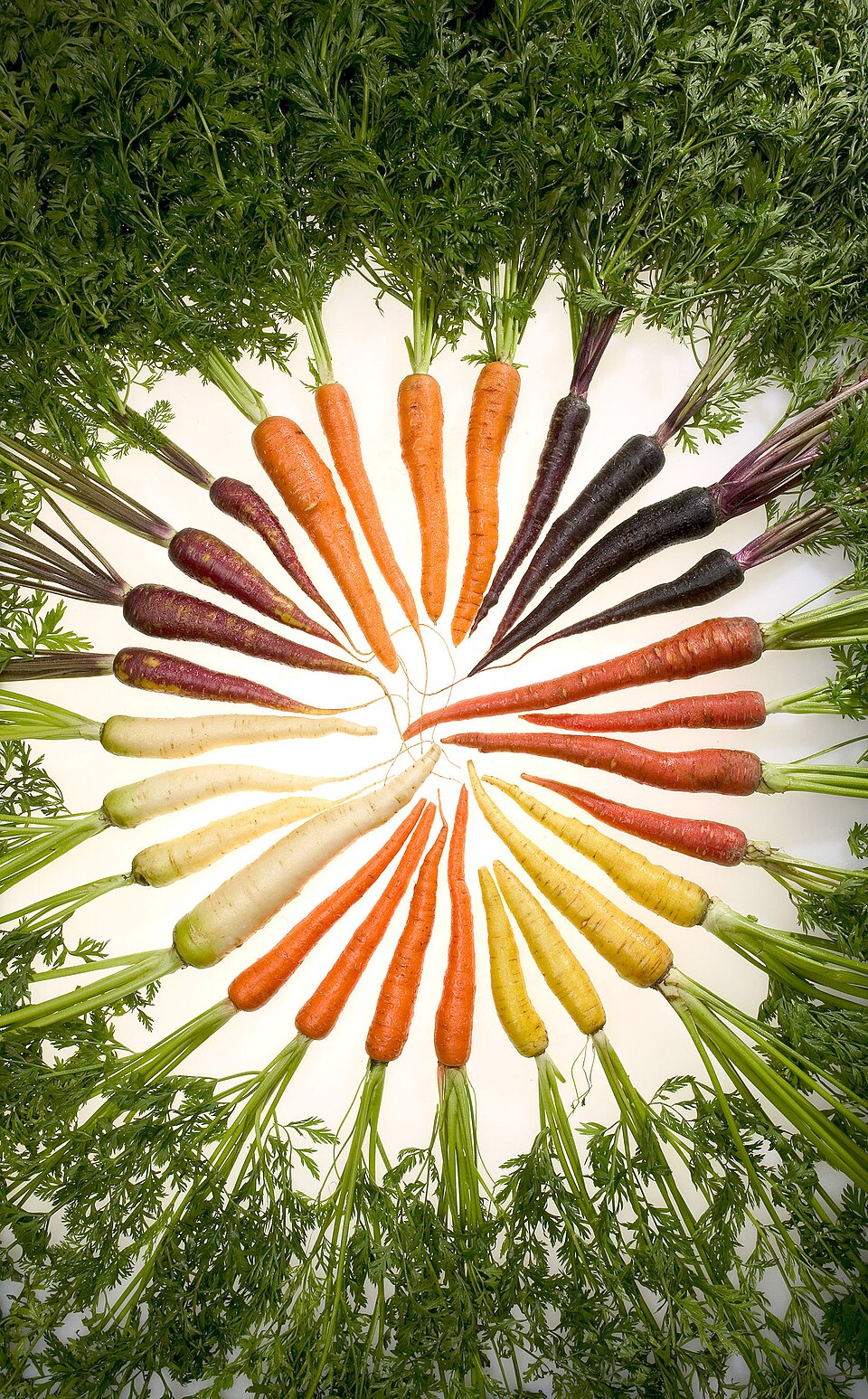
Carrots (Daucus carota) are root vegetables renowned for their exceptional beta-carotene content, which the body converts to vitamin A. Rich in fiber, vitamin K1, potassium, and antioxidants including lutein and anthocyanins (in purple varieties), carrots support eye health, immune function, skin health, cardiovascular health, and digestive wellness.
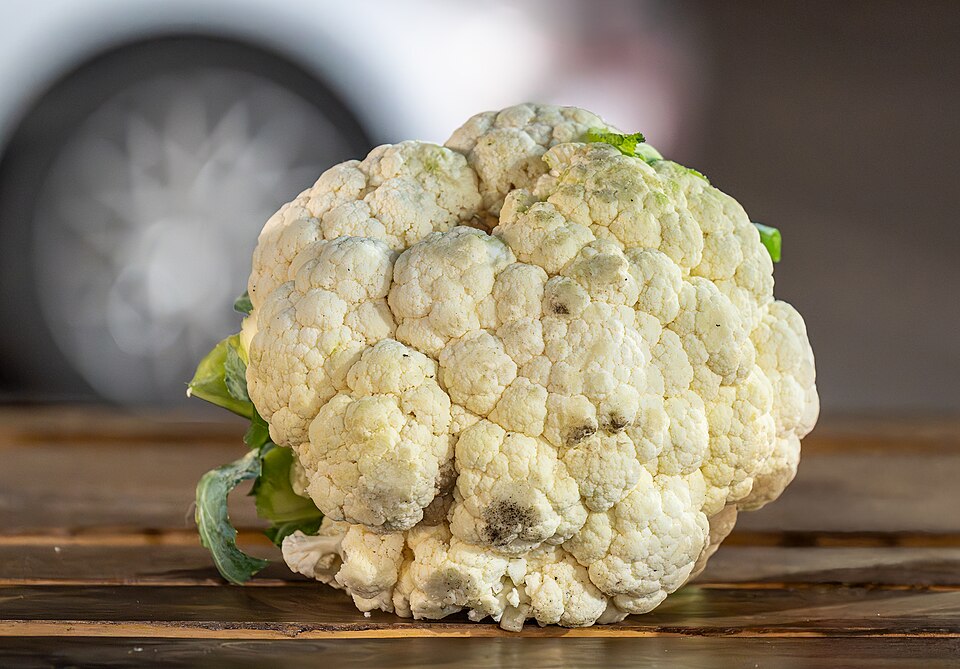
Cauliflower is a versatile vegetable rich in vitamins, minerals, and phytonutrients. Notable for its cauliflower, vegetable content, it is a valuable component of a healthy diet, supporting digestion and overall wellness.
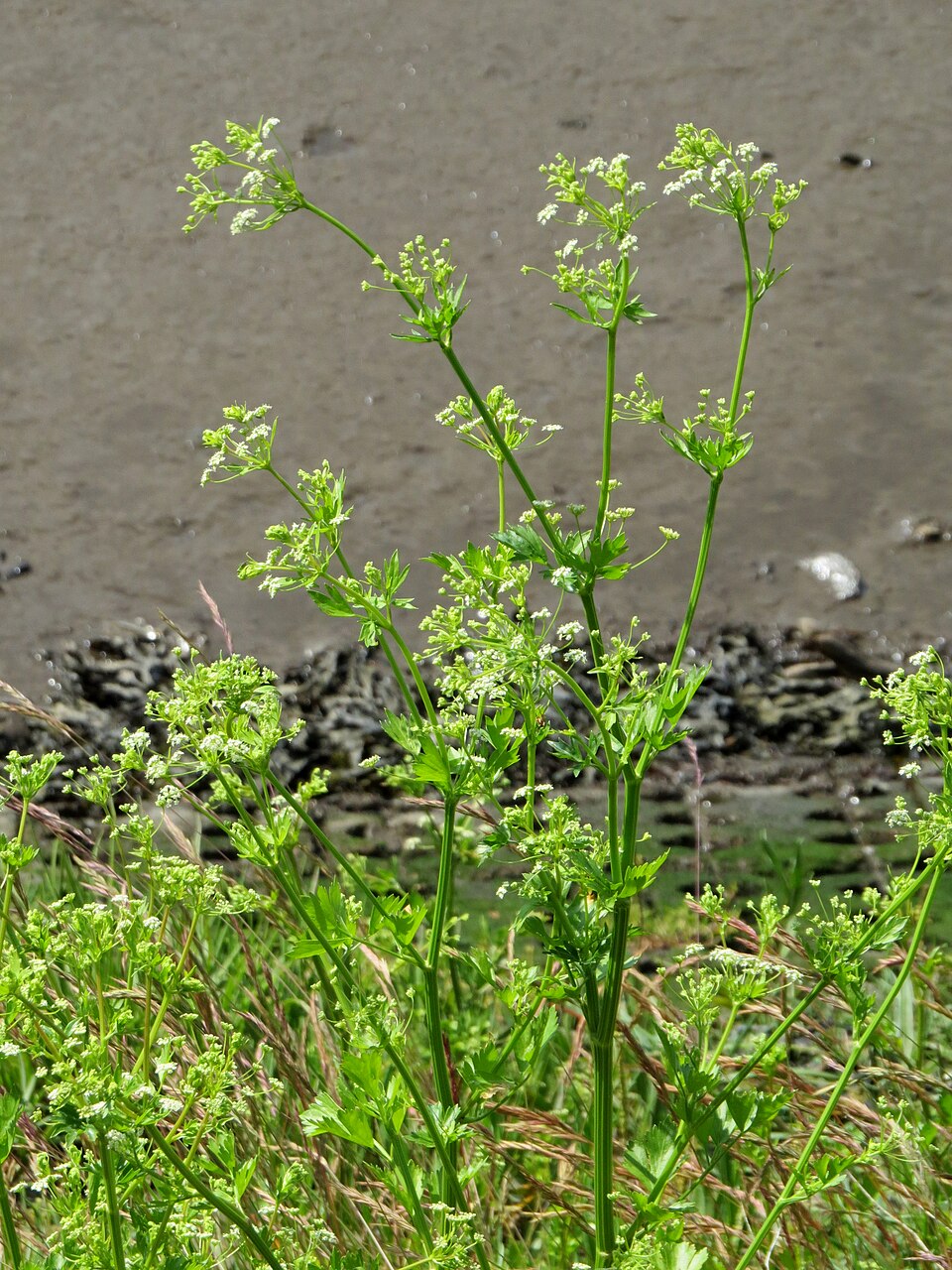
A crisp, watery stalk vegetable commonly used in salads and soups.

Chayote is a versatile vegetable rich in vitamins, minerals, and phytonutrients. Notable for its chayote, vegetable content, it is a valuable component of a healthy diet, supporting digestion and overall wellness.
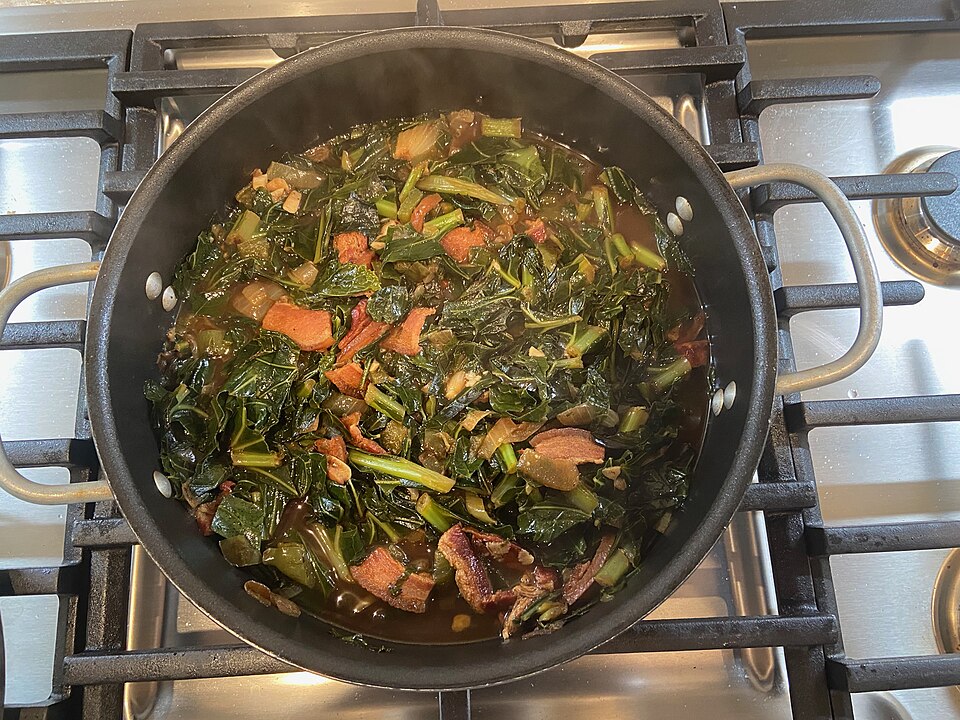
Large, dark green leafy vegetables with a mild cabbage-like flavor.
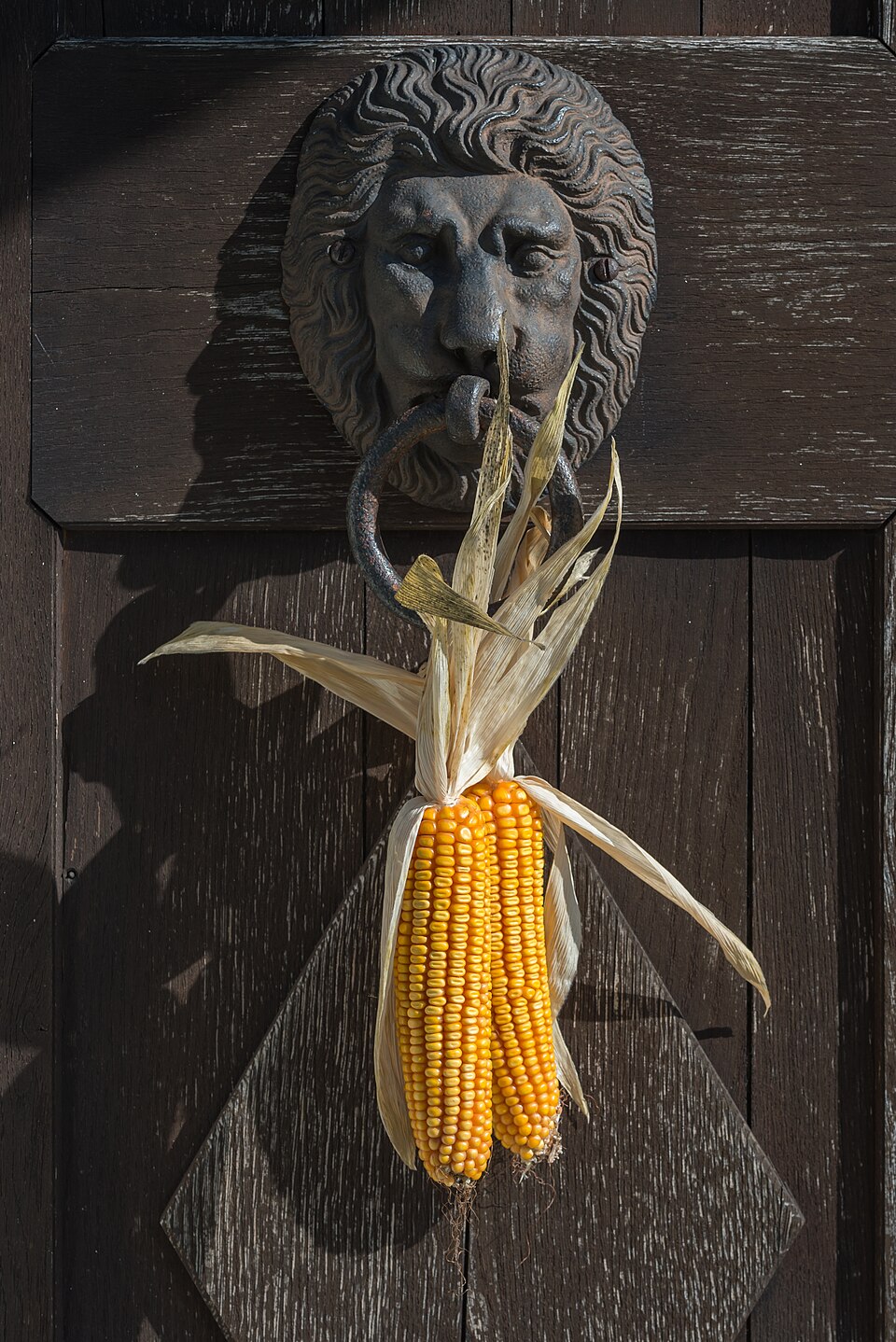
Corn (Sweet) is a versatile vegetable rich in vitamins, minerals, and phytonutrients. Notable for its corn, vegetable content, it is a valuable component of a healthy diet, supporting digestion and overall wellness.
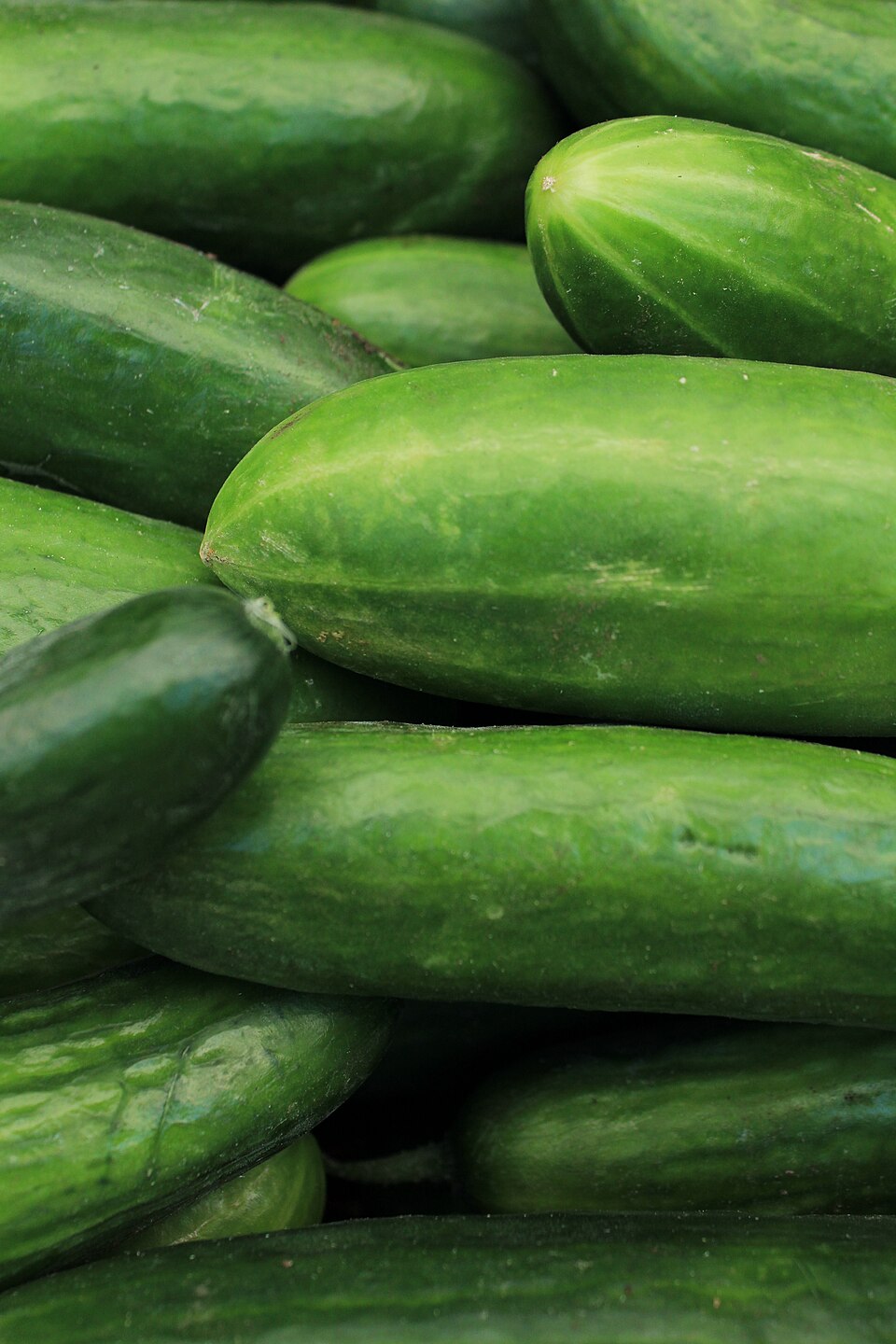
A refreshing, hydrating vegetable with high water content, low calories, and containing vitamins K and C.
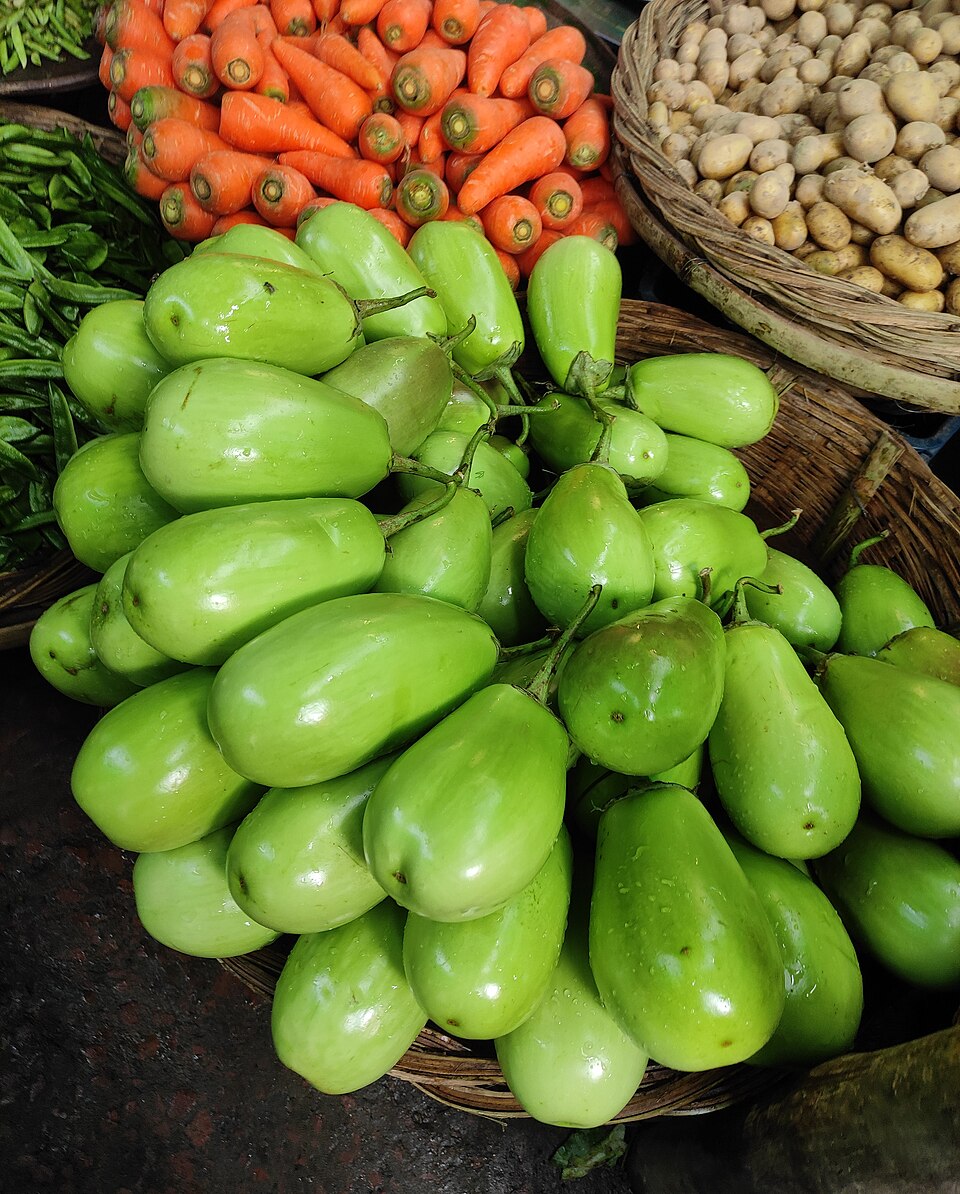
A glossy, purple vegetable with spongy flesh, also called aubergine.
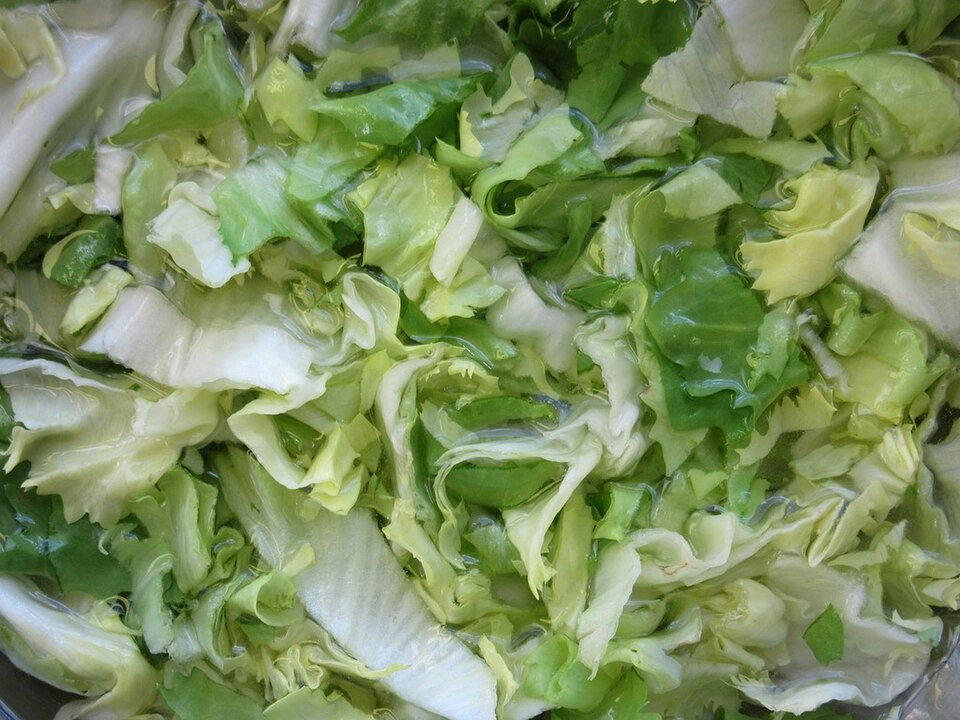
Endive is a versatile vegetable rich in vitamins, minerals, and phytonutrients. Notable for its endive, vegetable content, it is a valuable component of a healthy diet, supporting digestion and overall wellness.
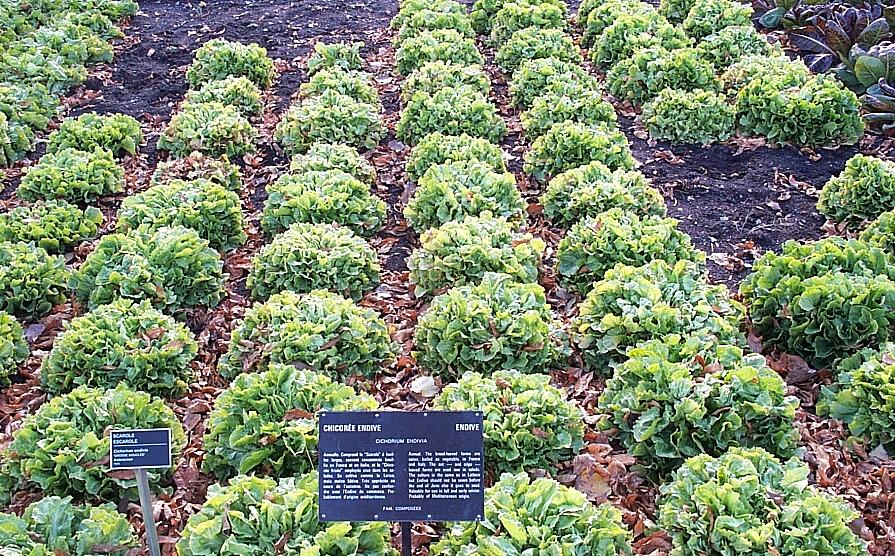
A broad-leafed variety of endive with a slightly bitter taste.
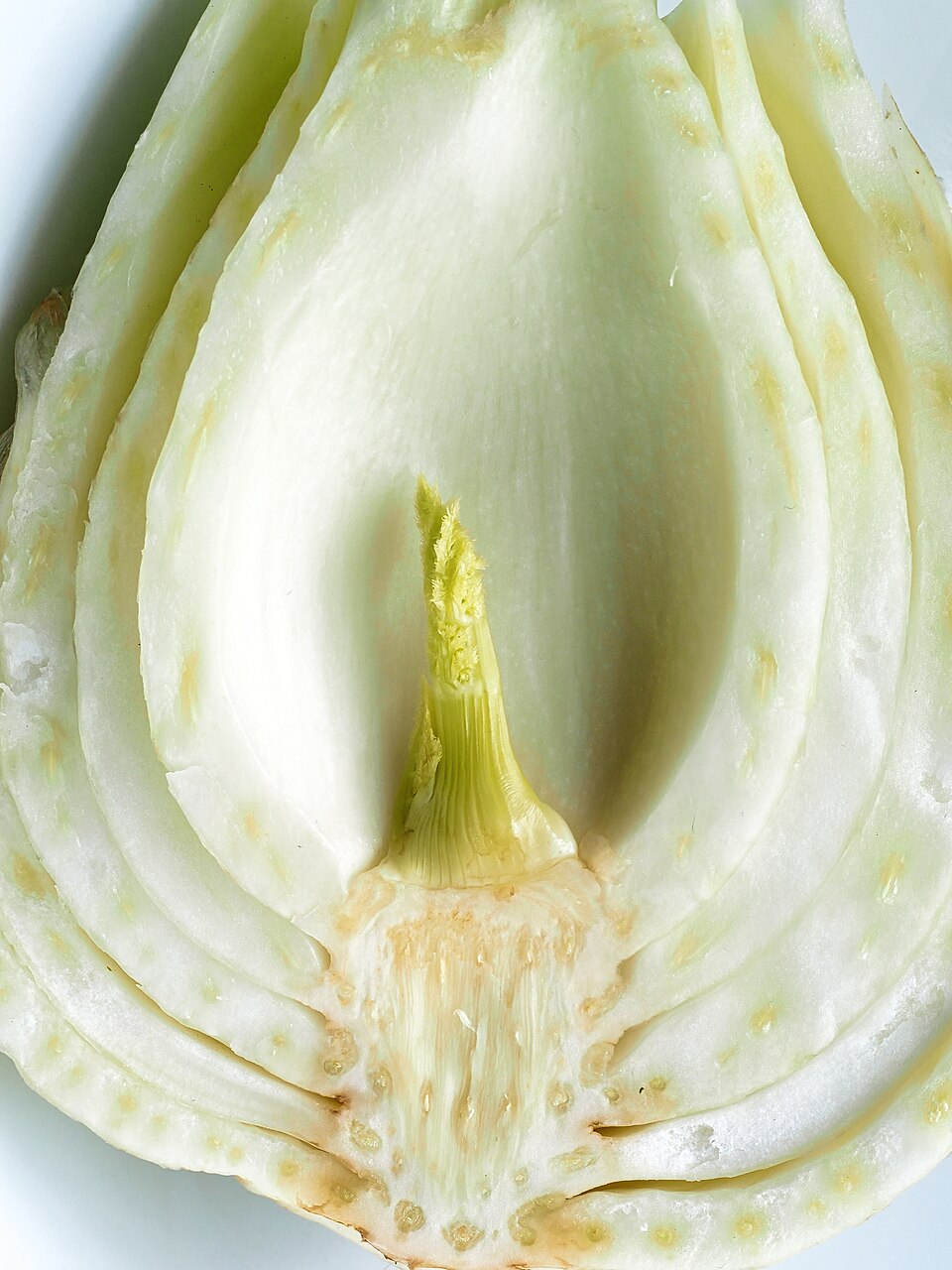
A crunchy, anise-flavored vegetable with a white bulb and green fronds.
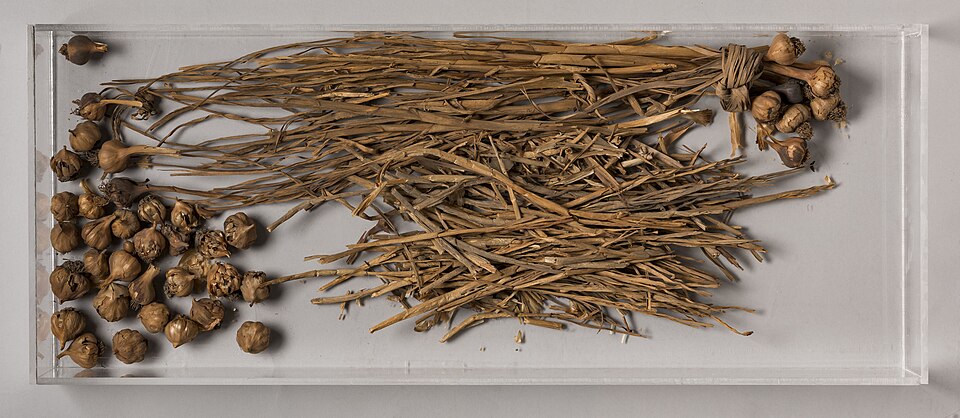
Garlic is a versatile vegetable rich in vitamins, minerals, and phytonutrients. it is a valuable component of a healthy diet, supporting digestion and overall wellness.
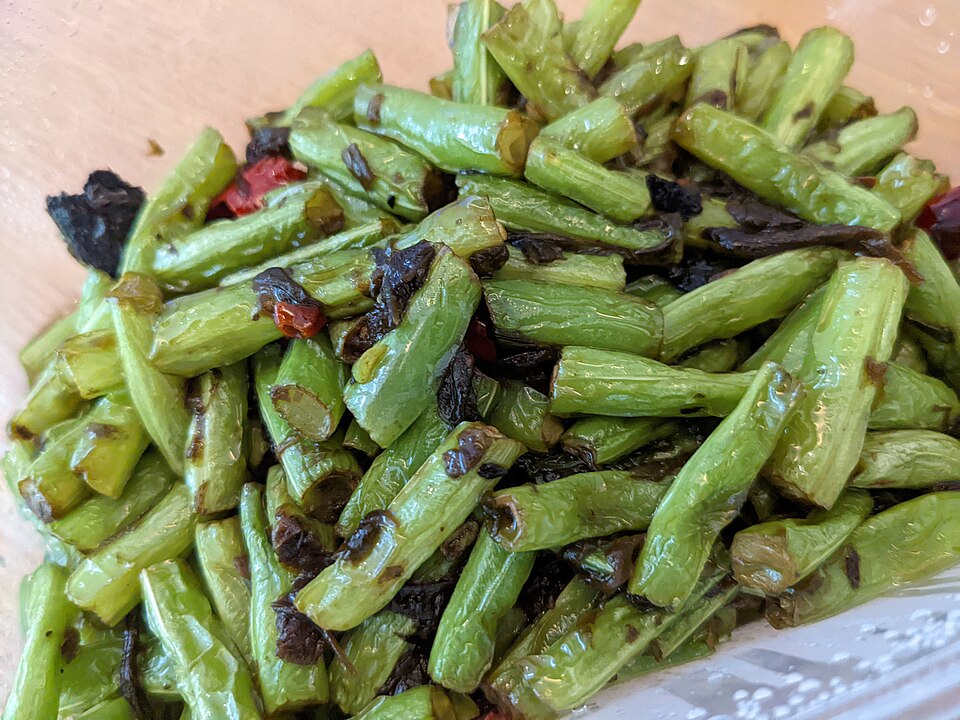
Long, slender edible pods with a crisp texture and mild flavor.
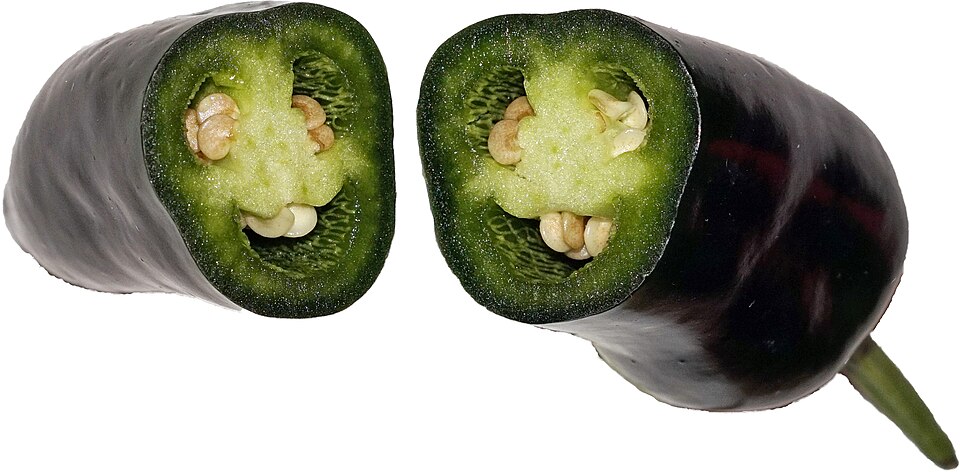
Jalapeno is a versatile vegetable rich in vitamins, minerals, and phytonutrients. Notable for its jalapeno, vegetable content, it is a valuable component of a healthy diet, supporting digestion and overall wellness.
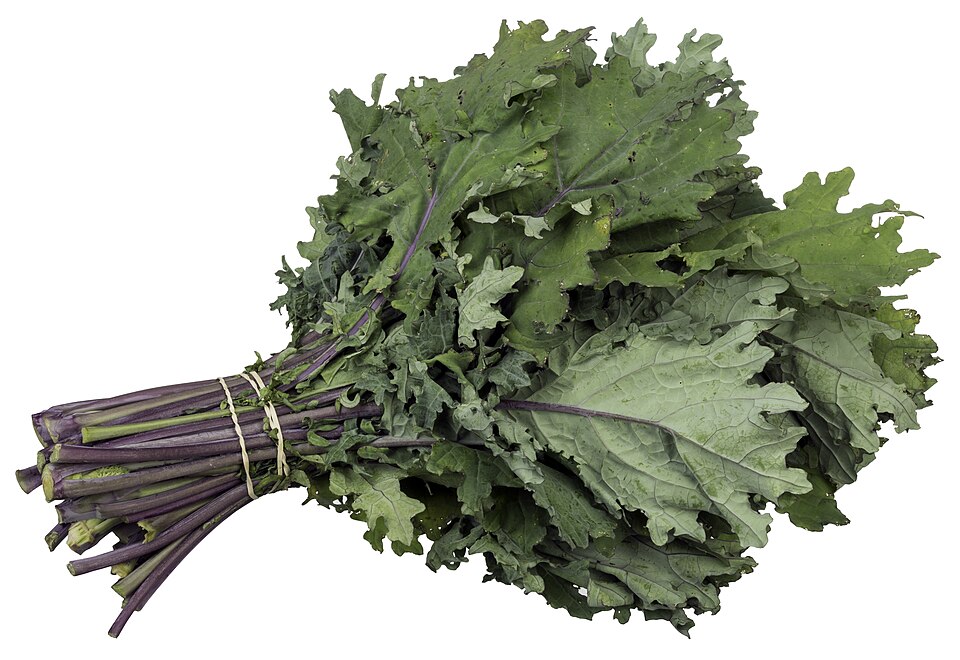
A dark, leafy green vegetable packed with vitamins and minerals.

Kohlrabi is a versatile vegetable rich in vitamins, minerals, and phytonutrients. Notable for its kohlrabi, vegetable content, it is a valuable component of a healthy diet, supporting digestion and overall wellness.
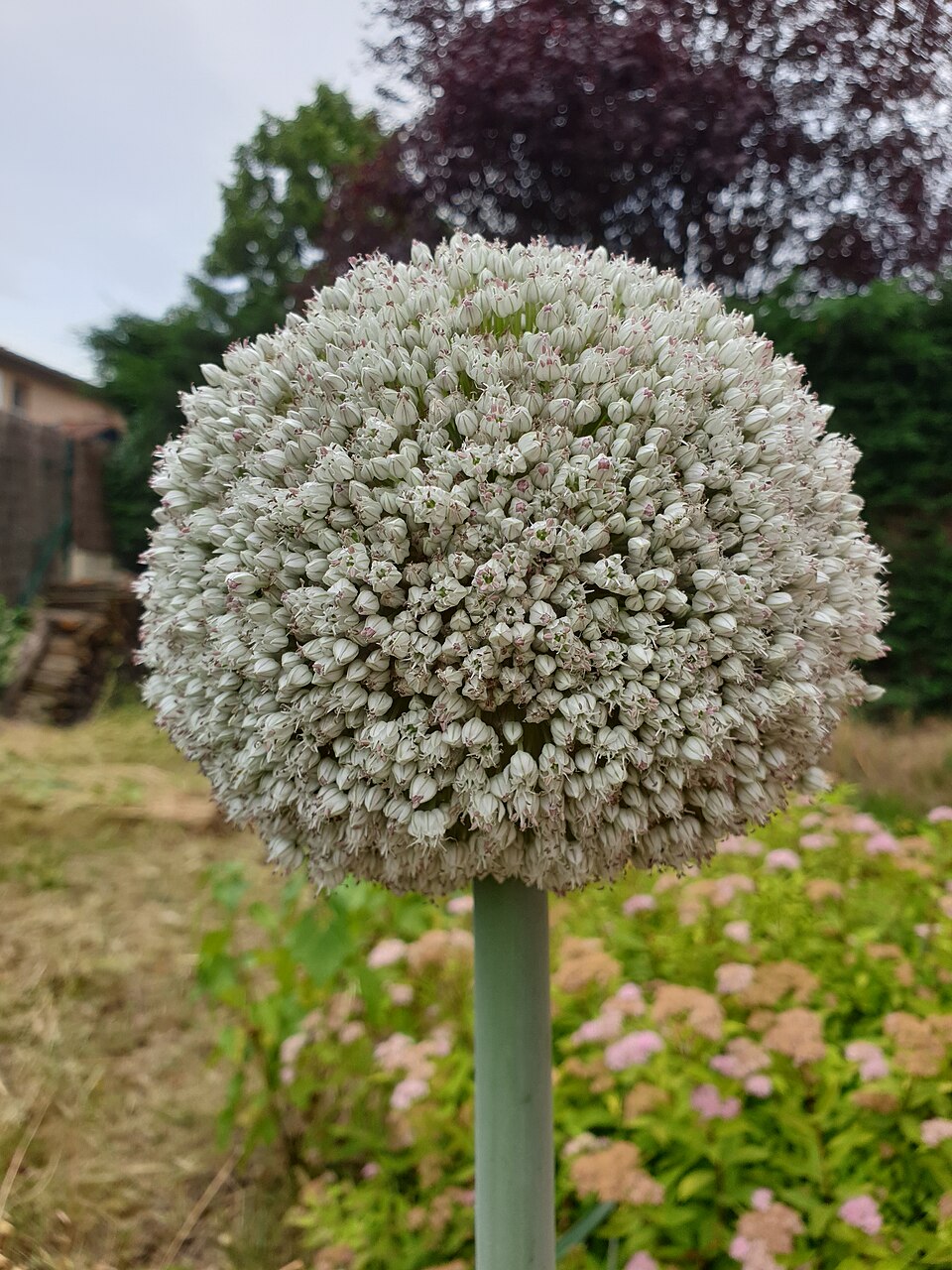
A mild, onion-like vegetable with a long white stalk and green tops.
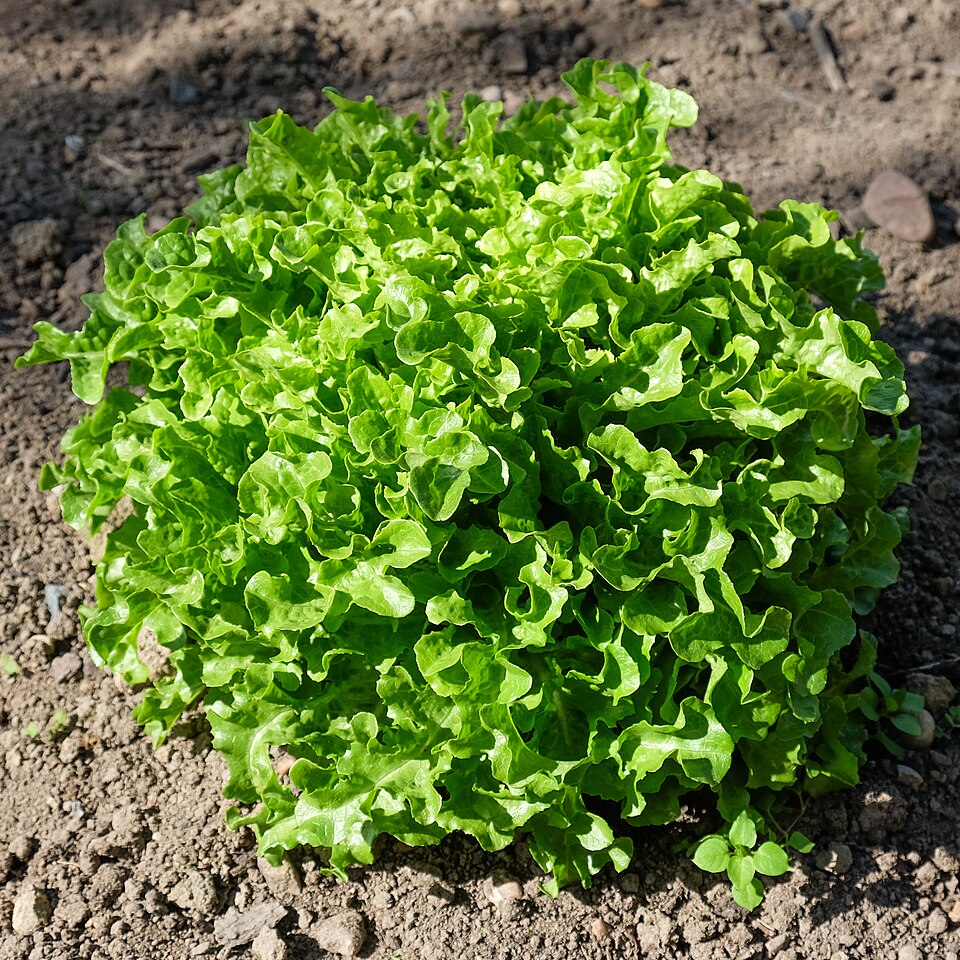
Lettuce (Iceberg) is a versatile vegetable rich in vitamins, minerals, and phytonutrients. Notable for its iceberglettuce, vegetable content, it is a valuable component of a healthy diet, supporting digestion and overall wellness.
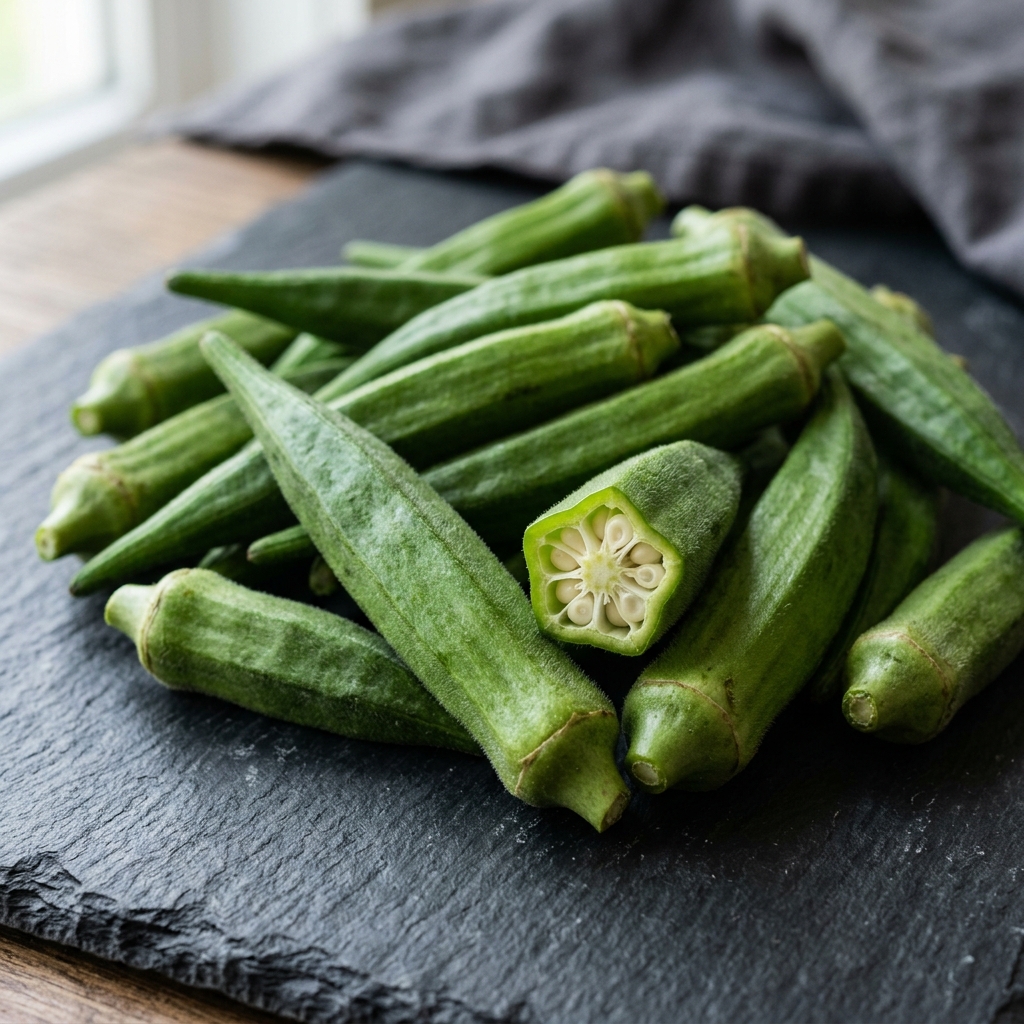
A green, pod-shaped vegetable with a slimy texture when cooked.
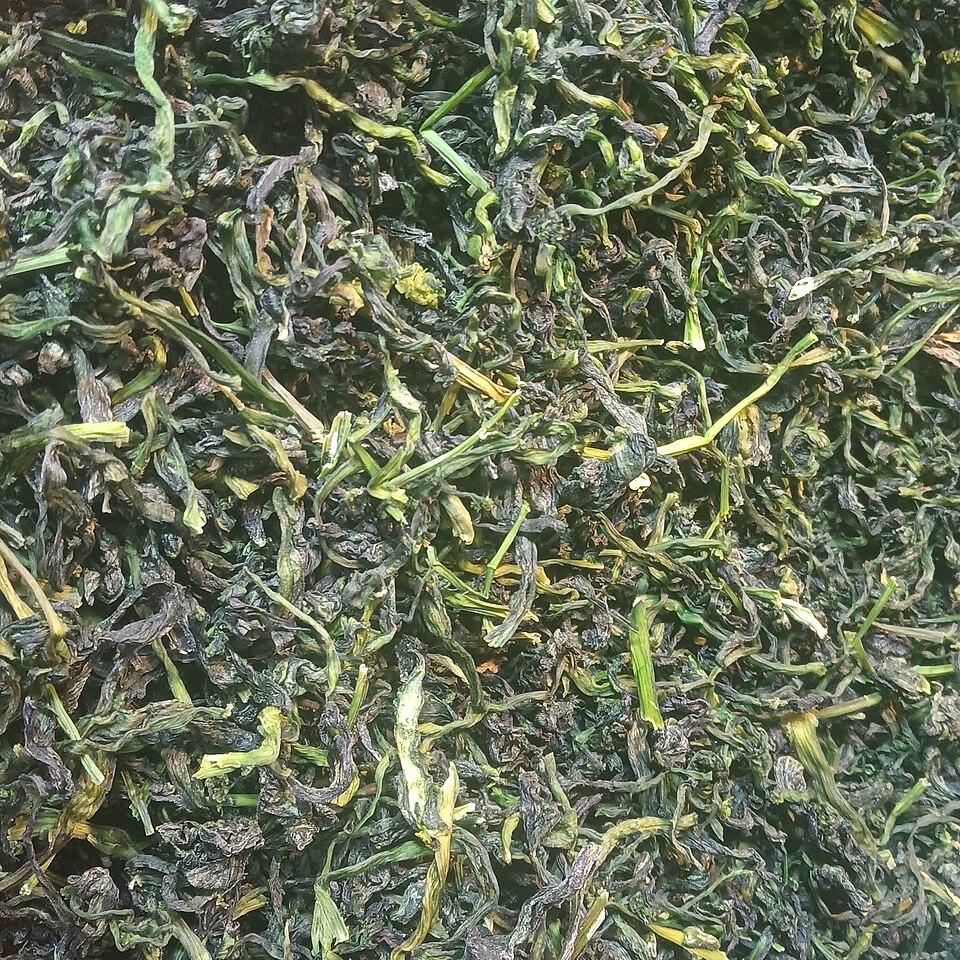
Small, briny fruits from the olive tree, rich in healthy monounsaturated fats.
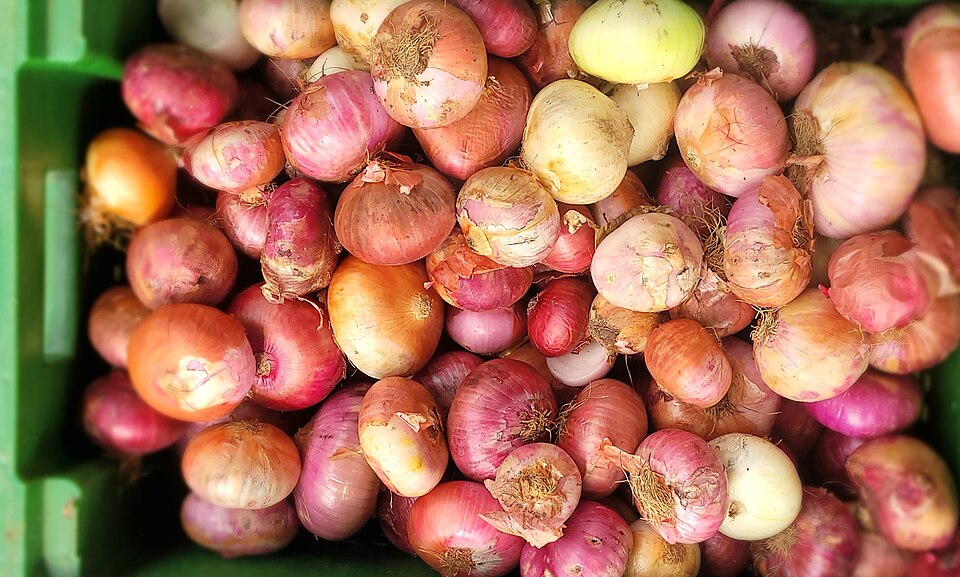
A pungent bulb vegetable with purple-red skin and a sharp flavor.
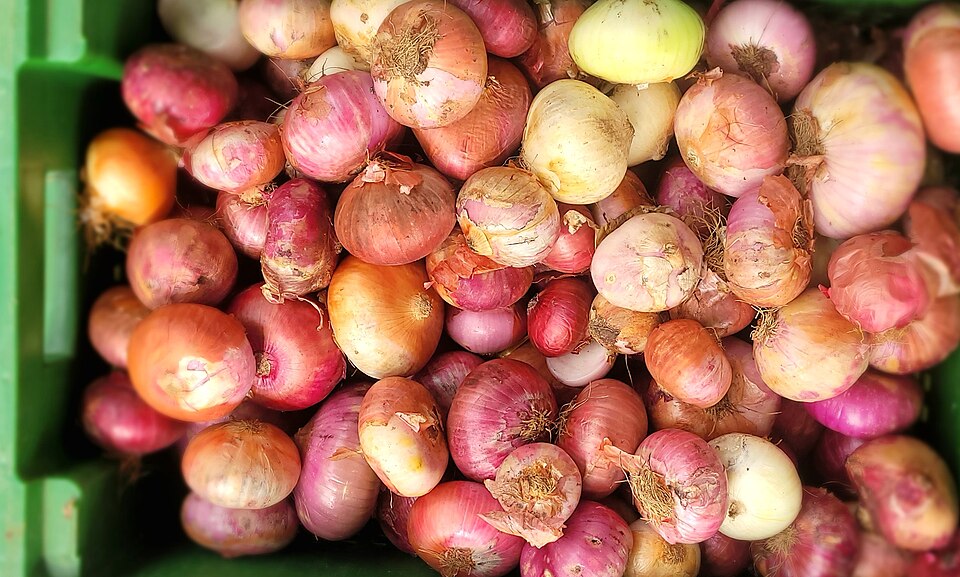
A bulb vegetable with a pungent flavor, rich in quercetin, sulfur compounds, and prebiotic fiber.
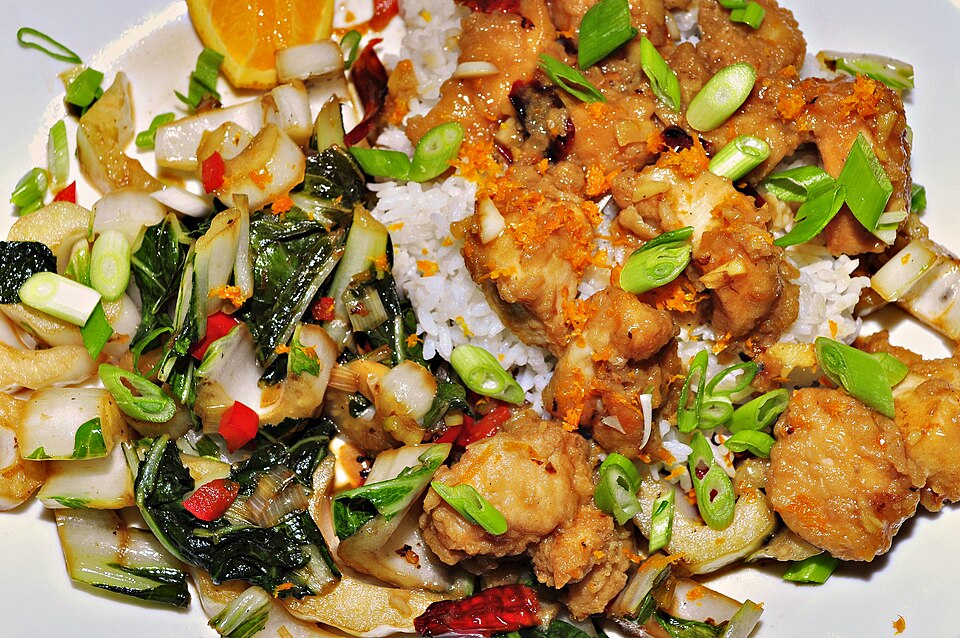
Pak Choi is a versatile vegetable rich in vitamins, minerals, and phytonutrients. Notable for its pakchoi, vegetable content, it is a valuable component of a healthy diet, supporting digestion and overall wellness.
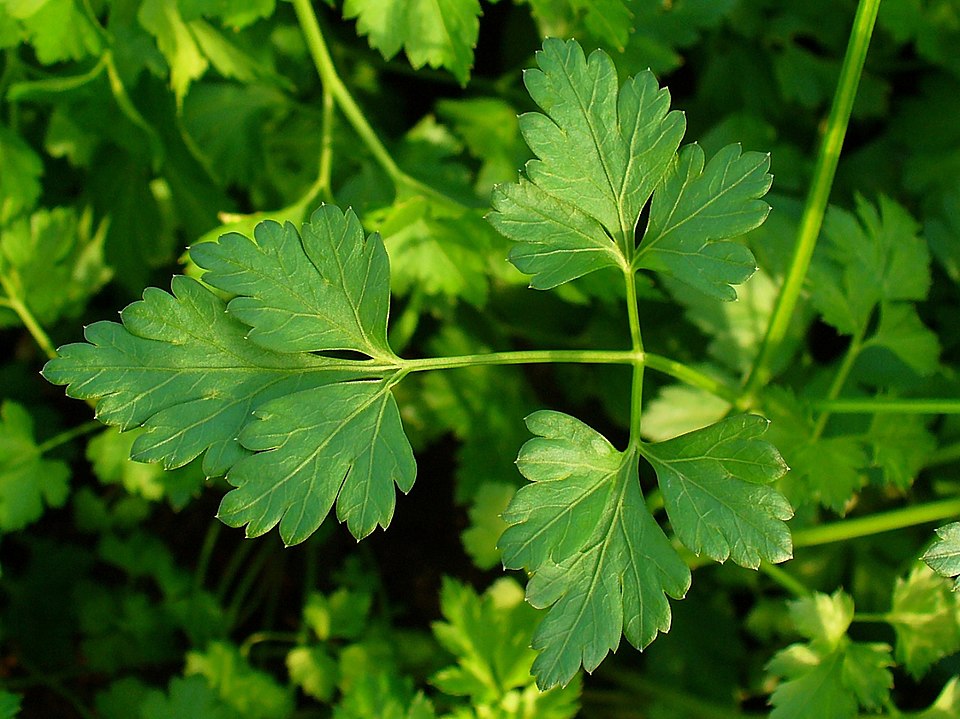
A bright green herb used as a garnish and ingredient, rich in vitamins K, C, and A.
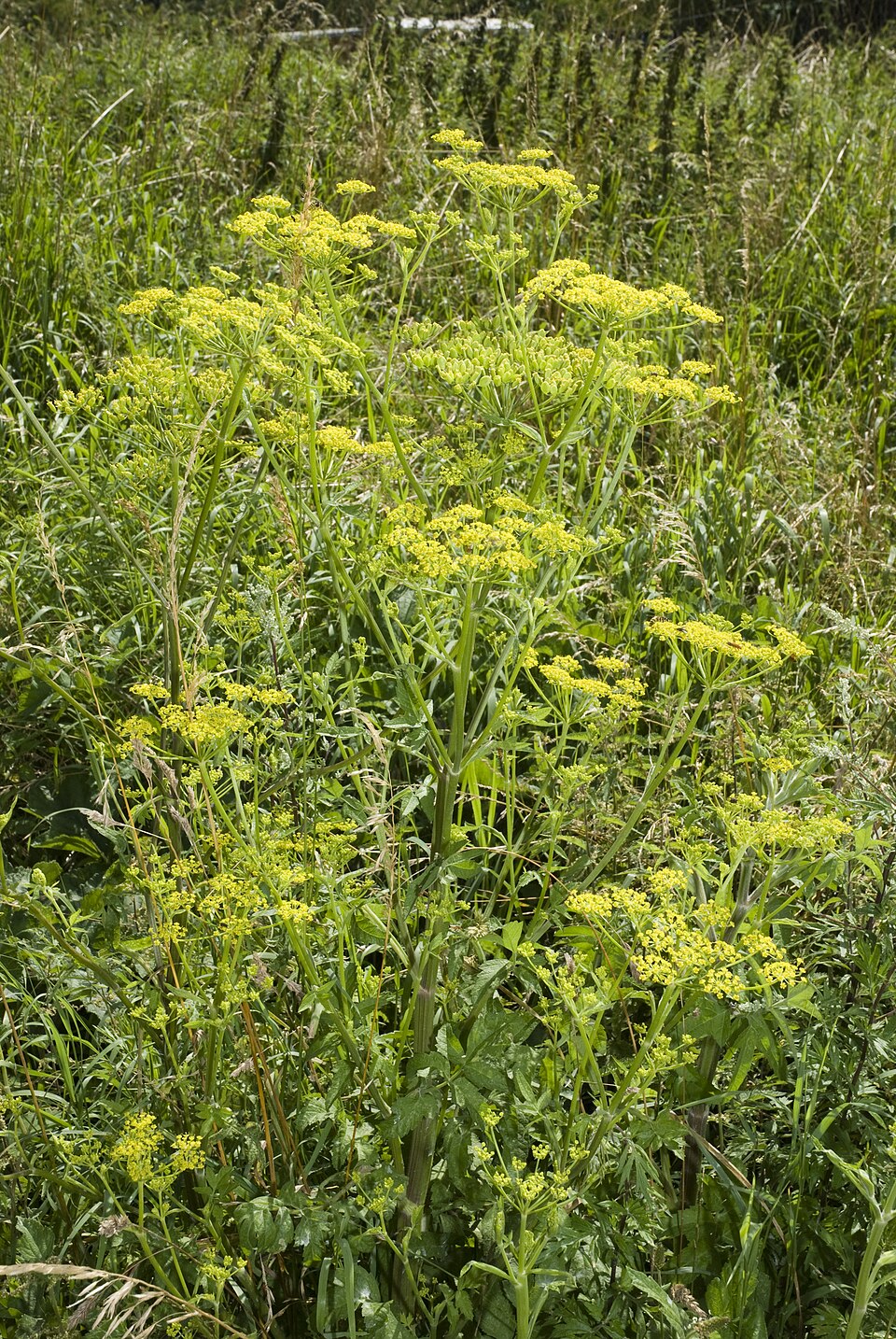
Parsnip is a versatile vegetable rich in vitamins, minerals, and phytonutrients. Notable for its parsnip, vegetable content, it is a valuable component of a healthy diet, supporting digestion and overall wellness.
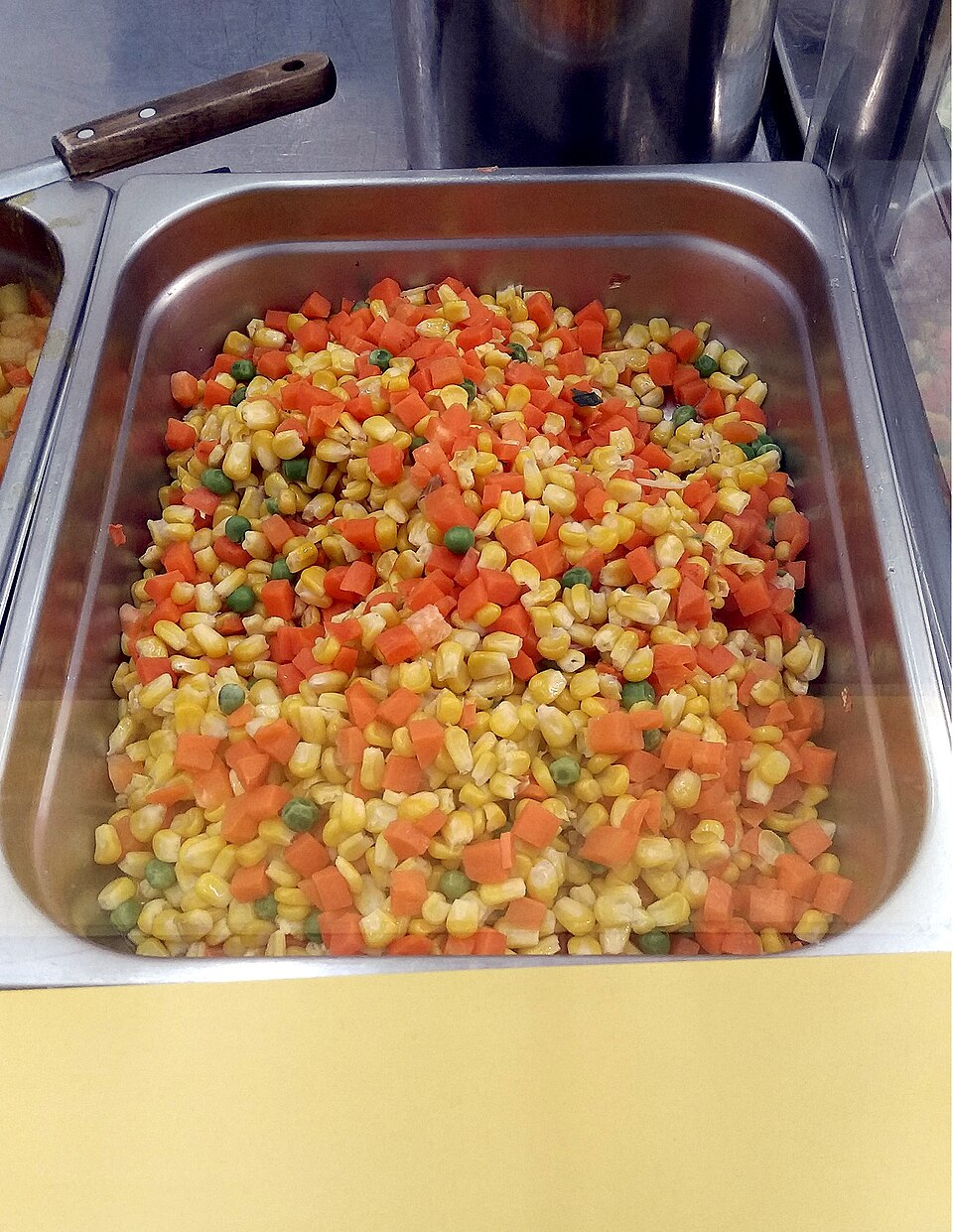
Small, round green legumes with a sweet flavor and starchy texture.
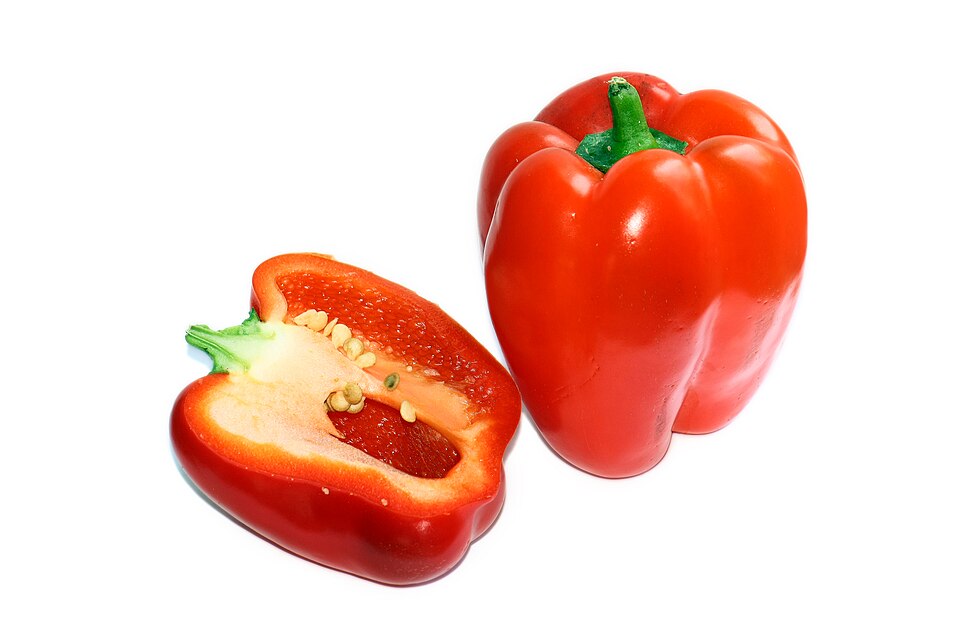
A crisp, sweet pepper available in various colors like red, green, and yellow.
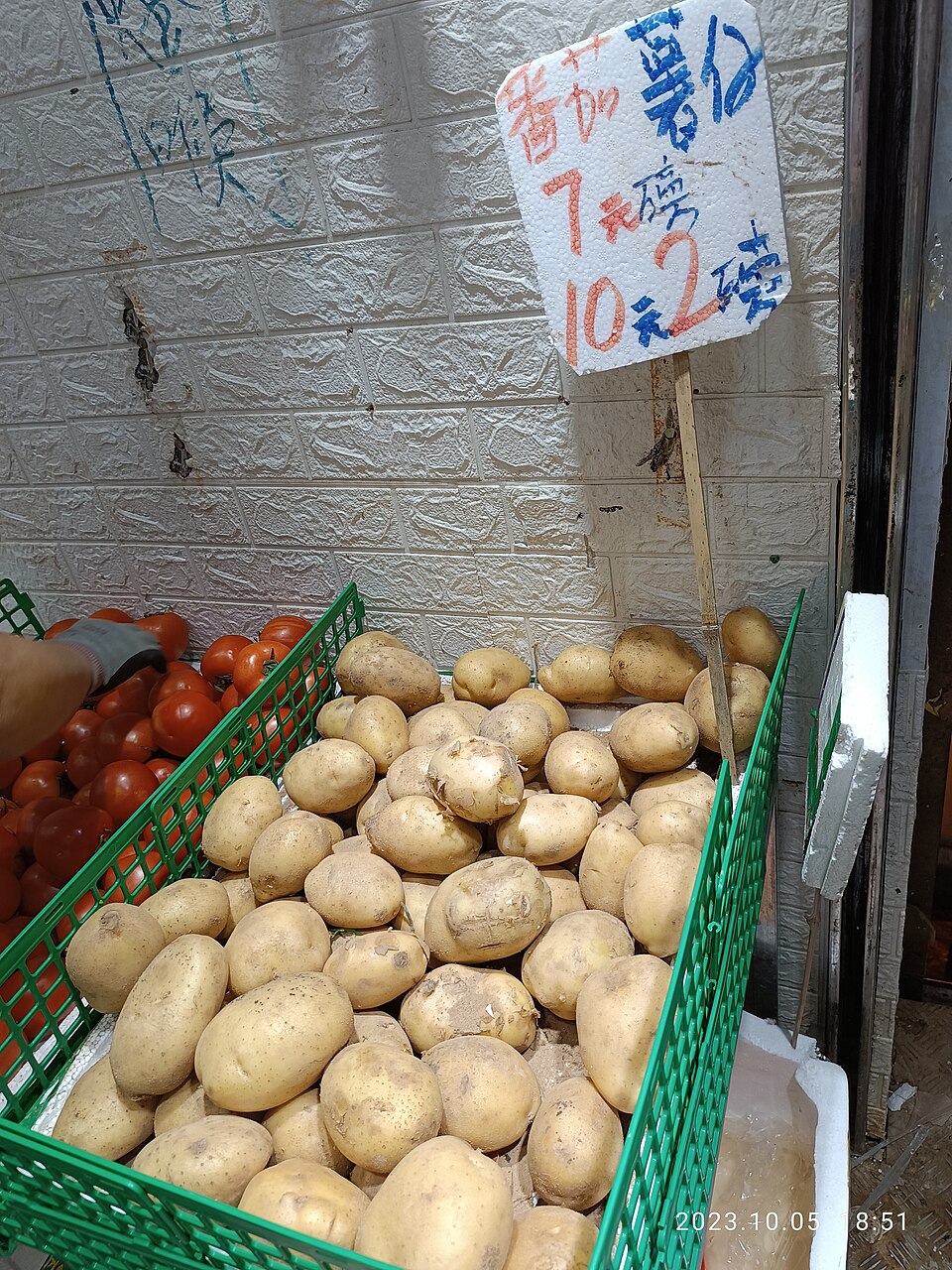
Potato (Russet) is a versatile vegetable rich in vitamins, minerals, and phytonutrients. Notable for its russetpotato, vegetable content, it is a valuable component of a healthy diet, supporting digestion and overall wellness.
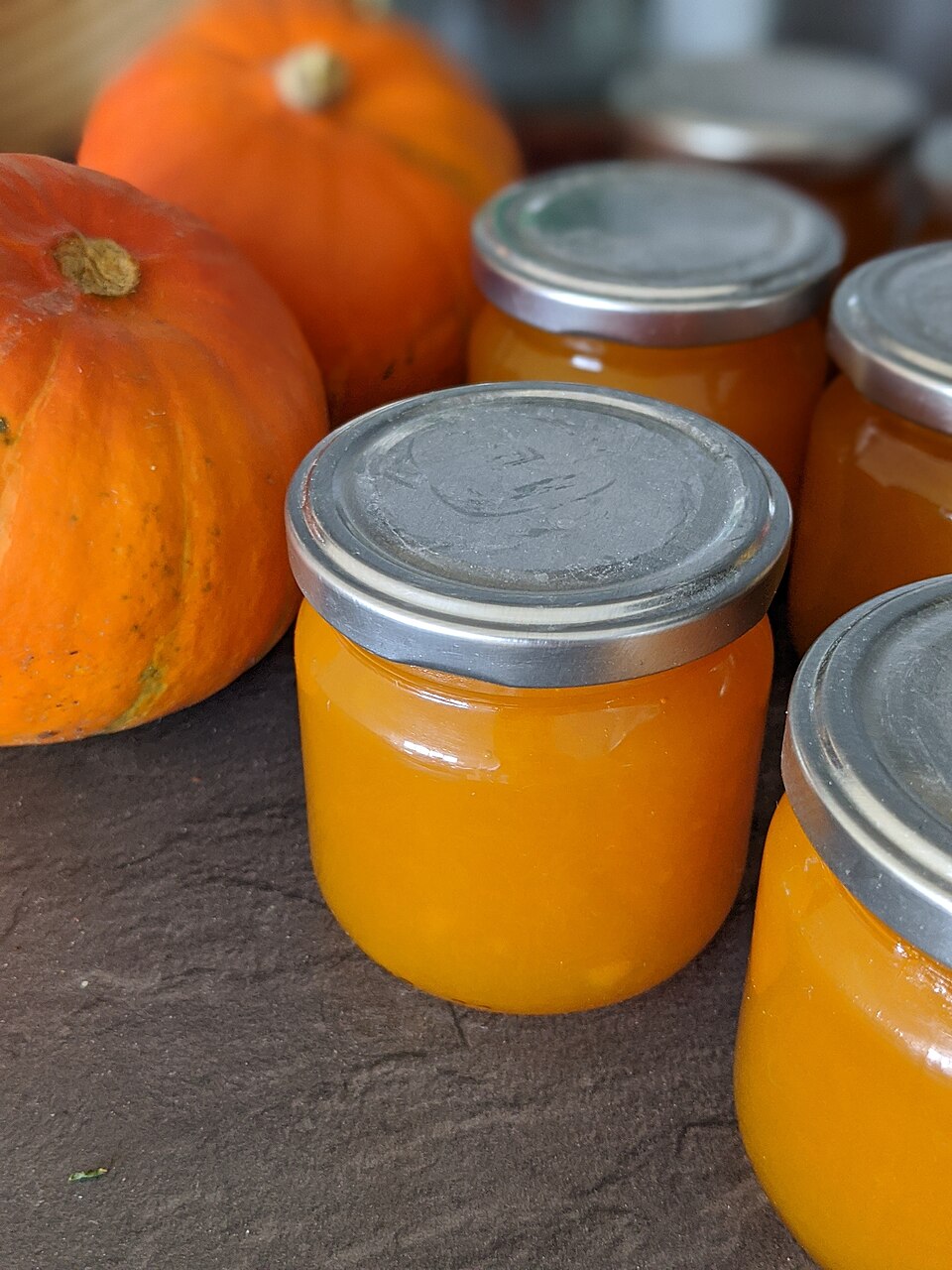
Pumpkin is a versatile vegetable rich in vitamins, minerals, and phytonutrients. Notable for its pumpkin, vegetable content, it is a valuable component of a healthy diet, supporting digestion and overall wellness.
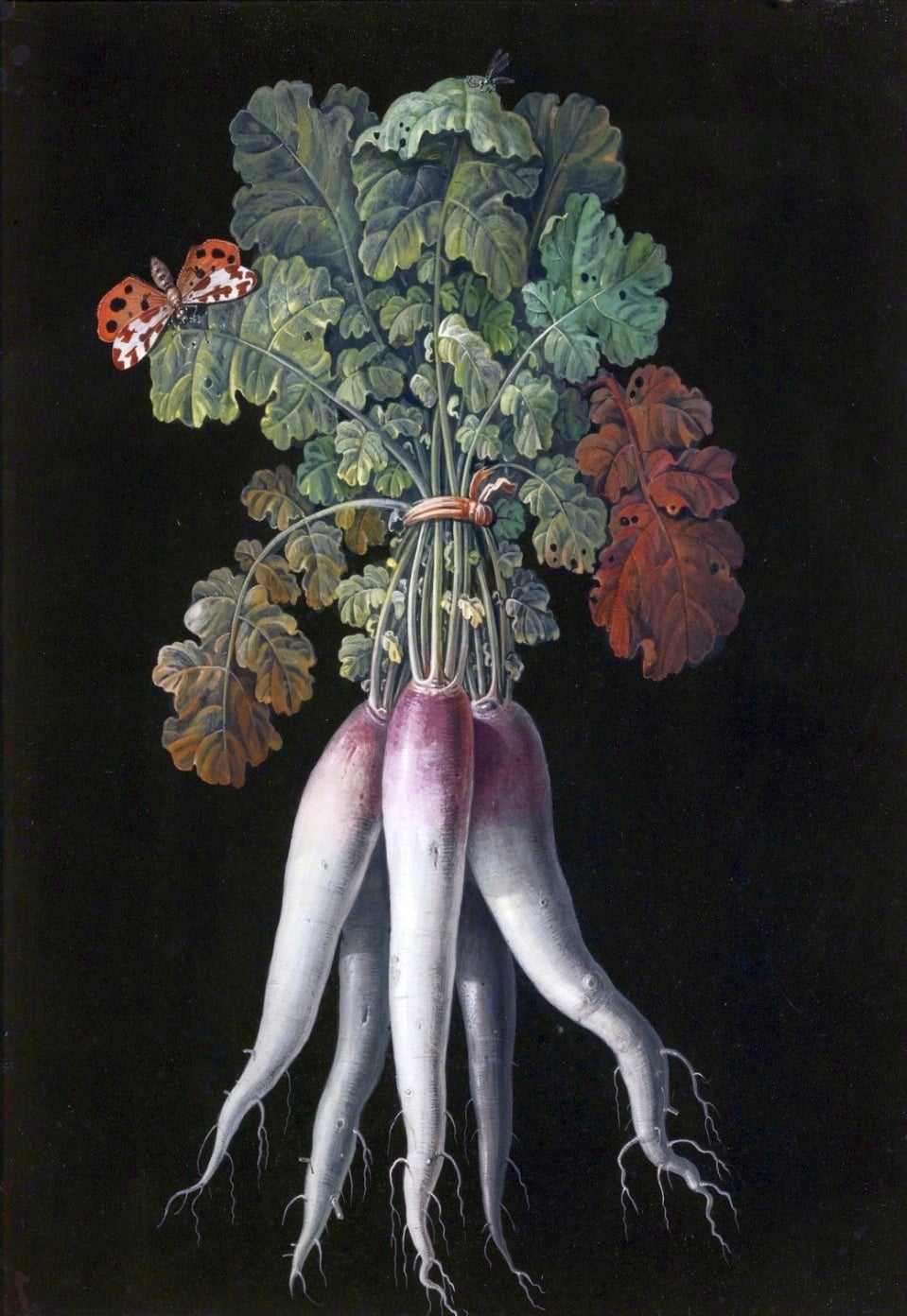
A small, peppery root vegetable with crunchy white flesh and red skin.
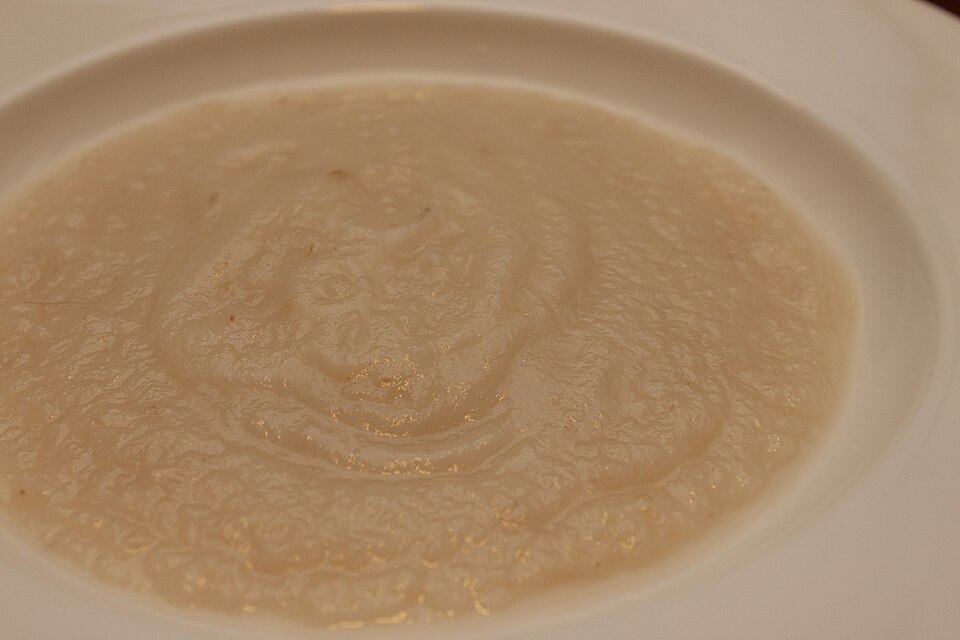
Rutabaga is a versatile vegetable rich in vitamins, minerals, and phytonutrients. Notable for its rutabaga, vegetable content, it is a valuable component of a healthy diet, supporting digestion and overall wellness.
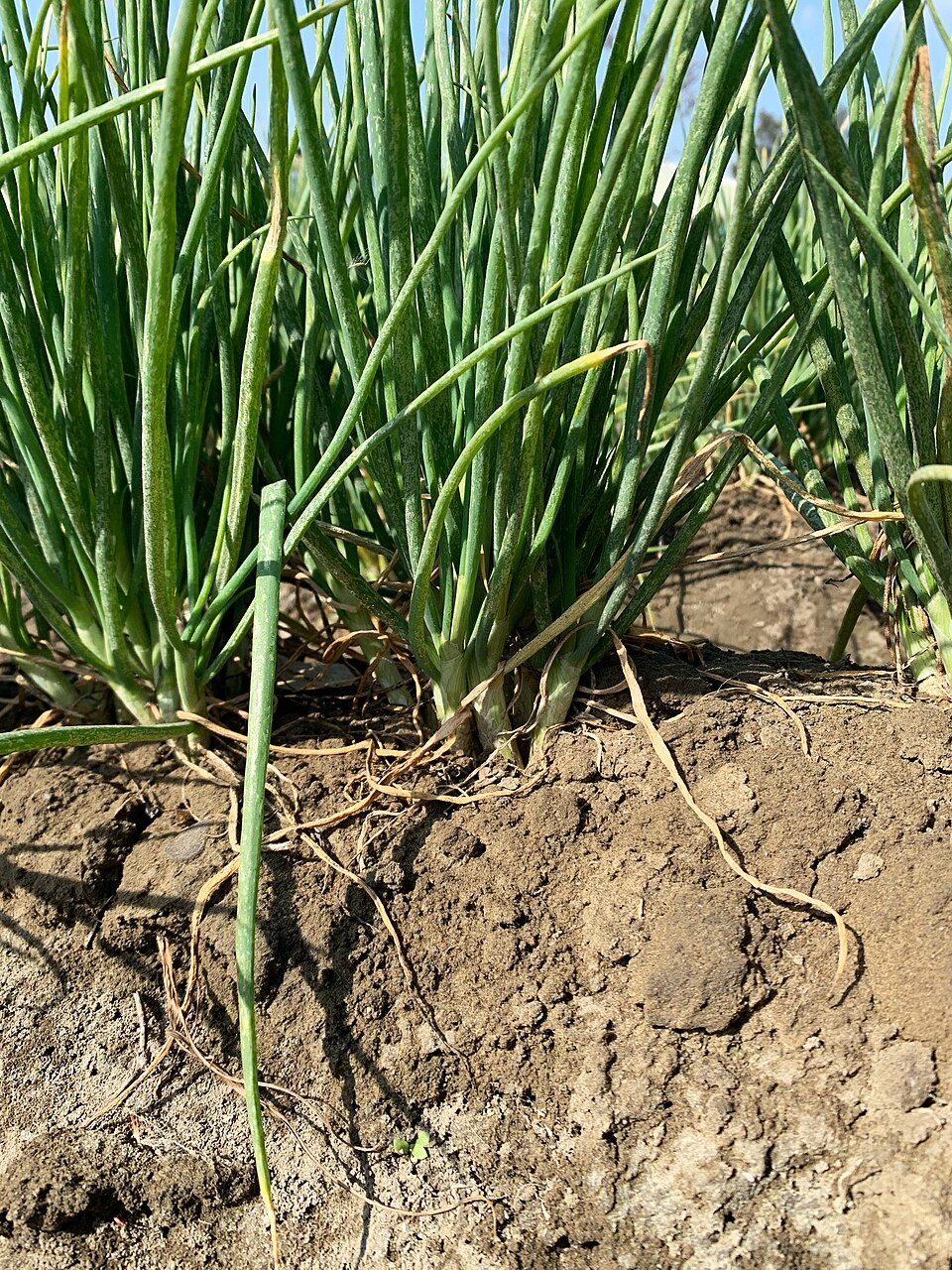
Shallot is a versatile vegetable rich in vitamins, minerals, and phytonutrients. Notable for its shallot, vegetable content, it is a valuable component of a healthy diet, supporting digestion and overall wellness.
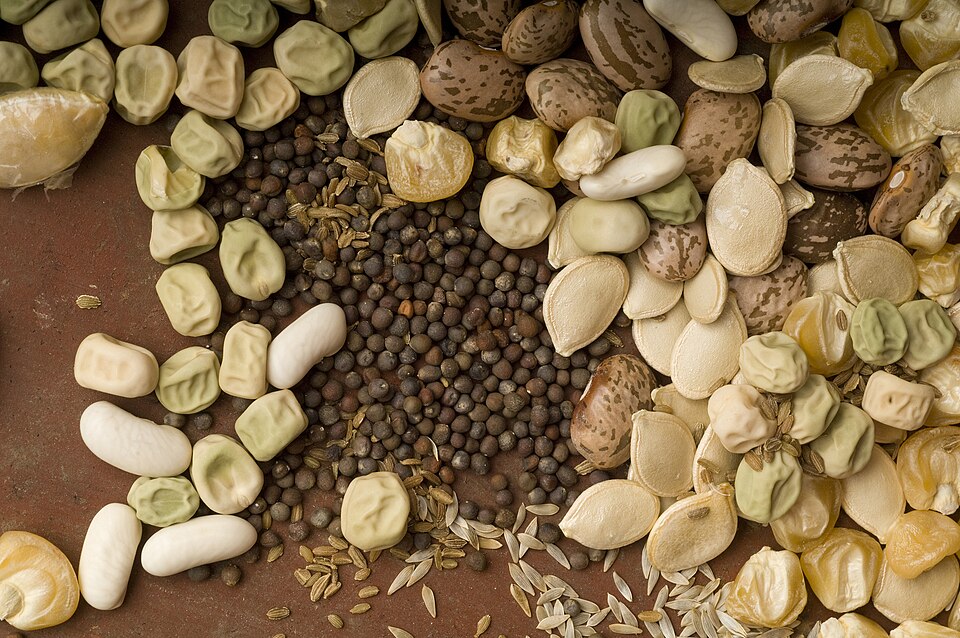
Snap Peas is a versatile vegetable rich in vitamins, minerals, and phytonutrients. Notable for its snappeas, vegetable content, it is a valuable component of a healthy diet, supporting digestion and overall wellness.
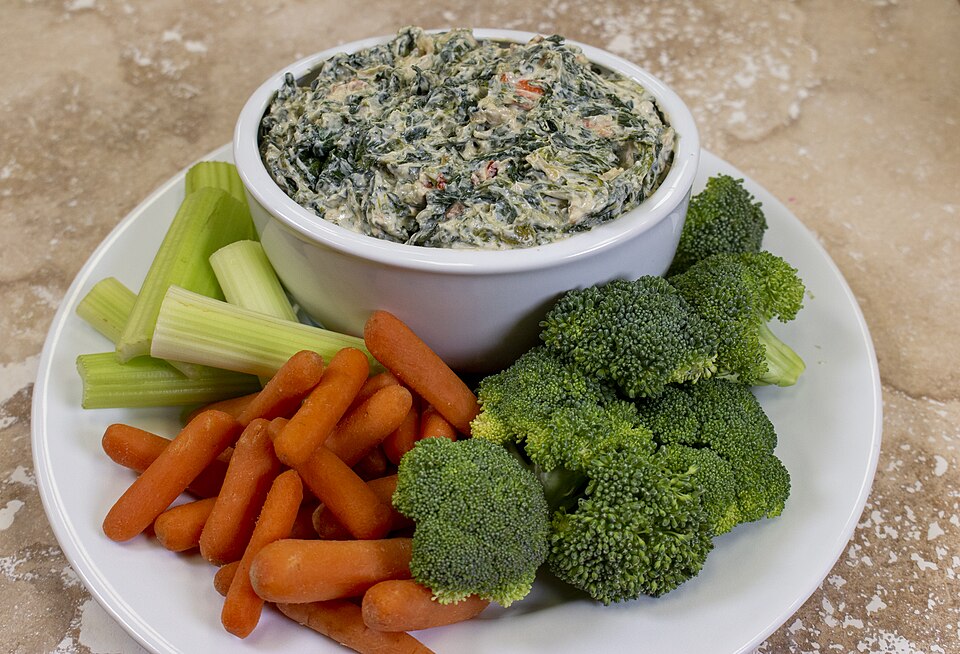
Spinach (Spinacia oleracea) is a highly nutritious leafy green vegetable packed with vitamins A, C, K1, folate, iron, calcium, and powerful antioxidants including lutein and zeaxanthin. Known for its anti-inflammatory properties and role in eye health, bone health, and cardiovascular protection, spinach is one of the most nutrient-dense foods available per calorie.
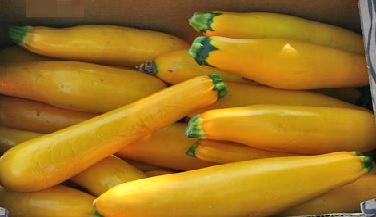
A sweet, orange-fleshed winter squash with a bell-like shape.
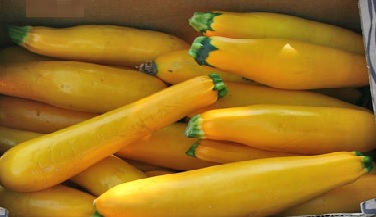
Squash (Zucchini) is a versatile vegetable rich in vitamins, minerals, and phytonutrients. Notable for its zucchini, vegetable content, it is a valuable component of a healthy diet, supporting digestion and overall wellness.
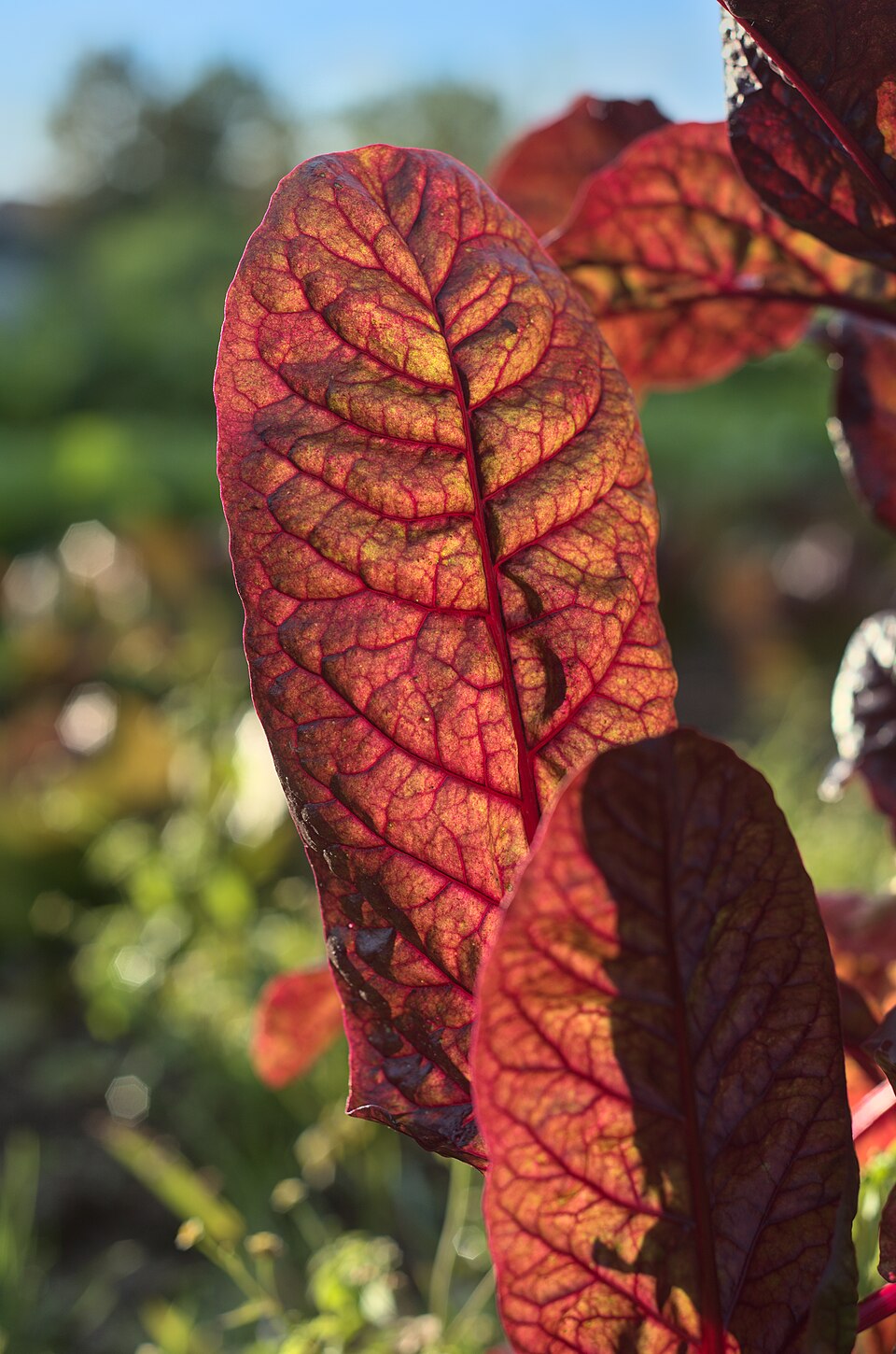
A leafy green vegetable with colorful stalks and a slightly bitter taste.
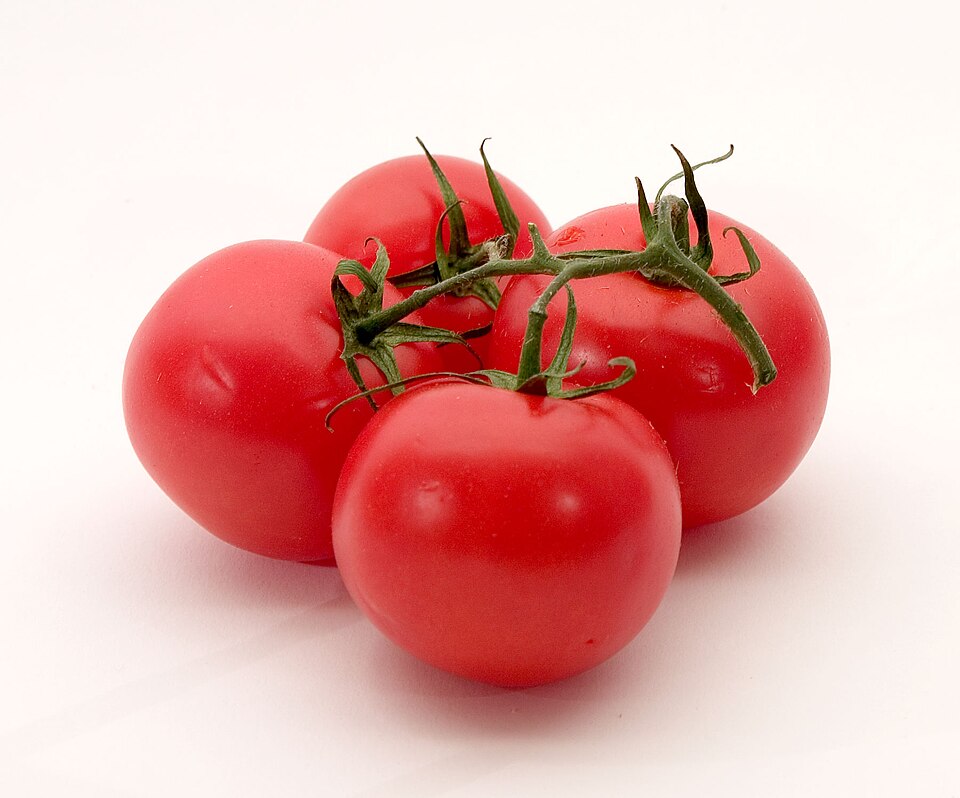
Tomato is a versatile vegetable rich in vitamins, minerals, and phytonutrients. Notable for its tomato, vegetable content, it is a valuable component of a healthy diet, supporting digestion and overall wellness.
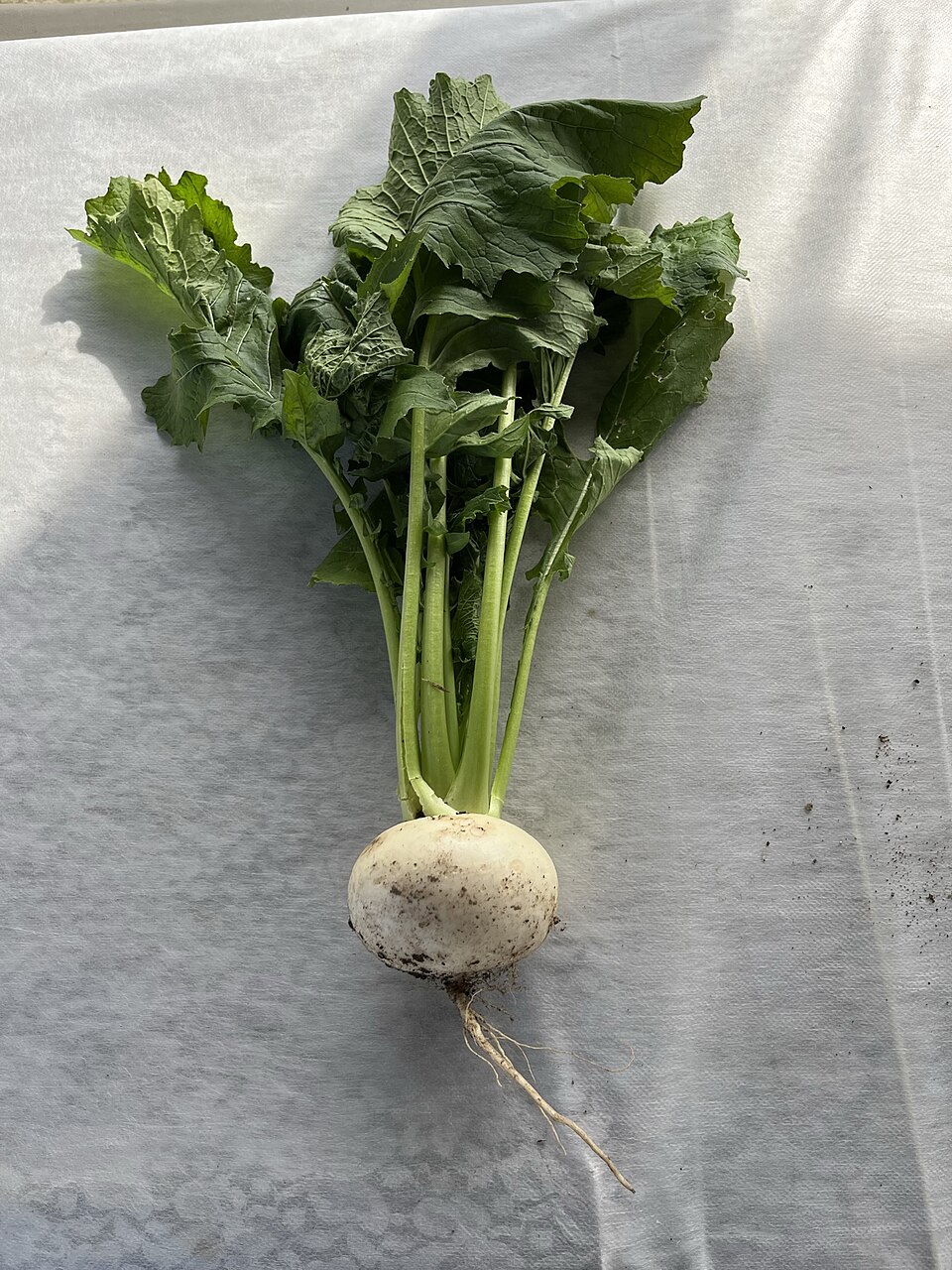
A white root vegetable with a slightly peppery, earthy flavor.
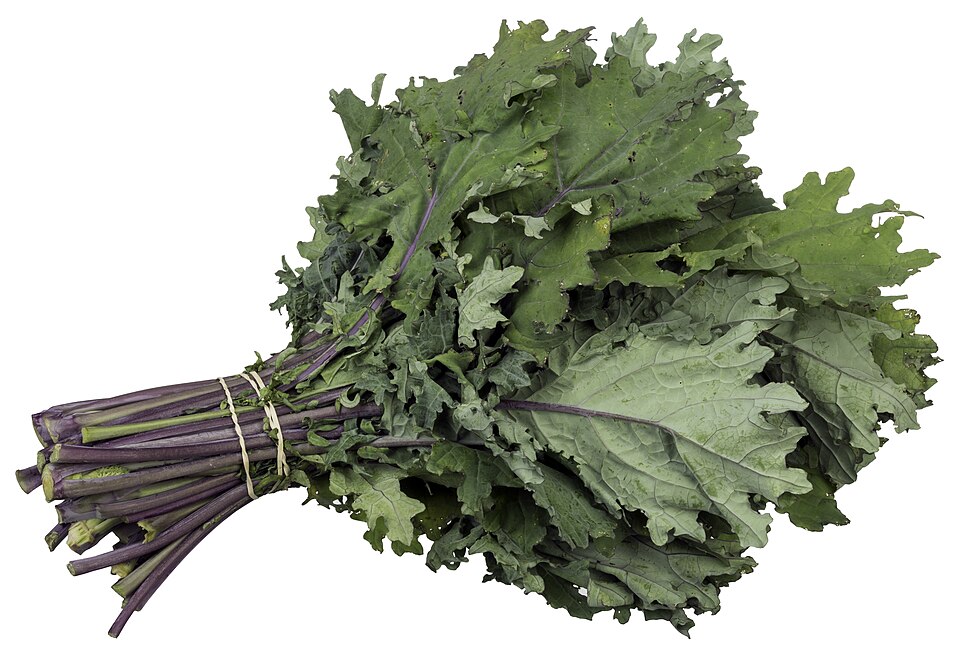
Kale is a nutrient-rich leafy green vegetable that belongs to the Brassica family, which also includes cabbage, broccoli, and cauliflower. It is a superfood, rich in vitamins A, C, and K, as well as minerals like calcium and iron. Kale is also high in fiber and antioxidants, making it a valuable addition to a healthy diet.
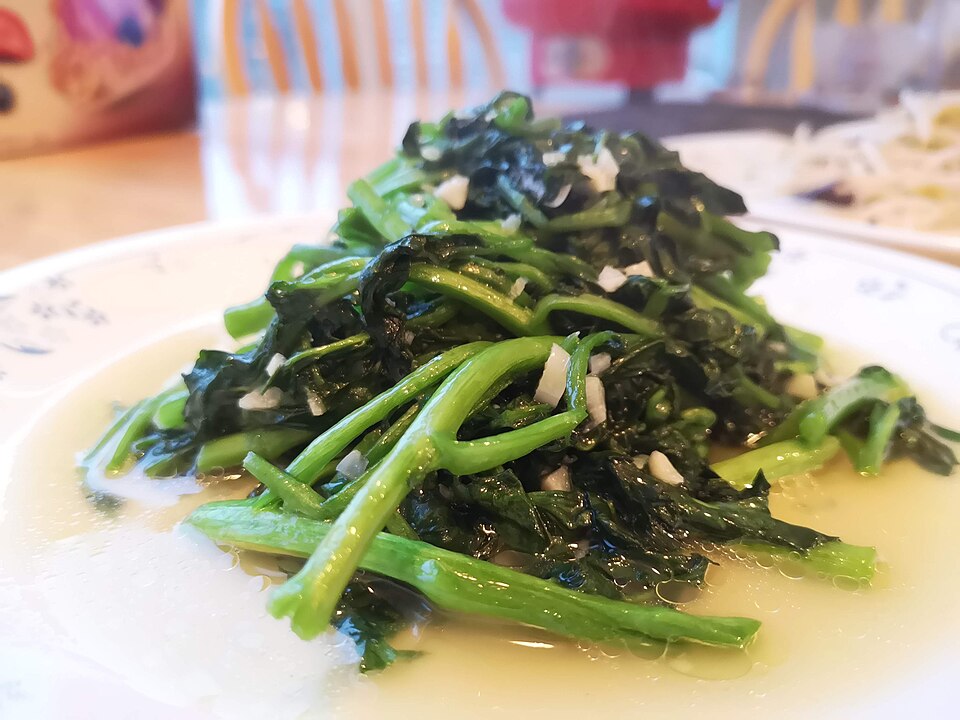
Watercress is a versatile vegetable rich in vitamins, minerals, and phytonutrients. Notable for its watercress, vegetable content, it is a valuable component of a healthy diet, supporting digestion and overall wellness.
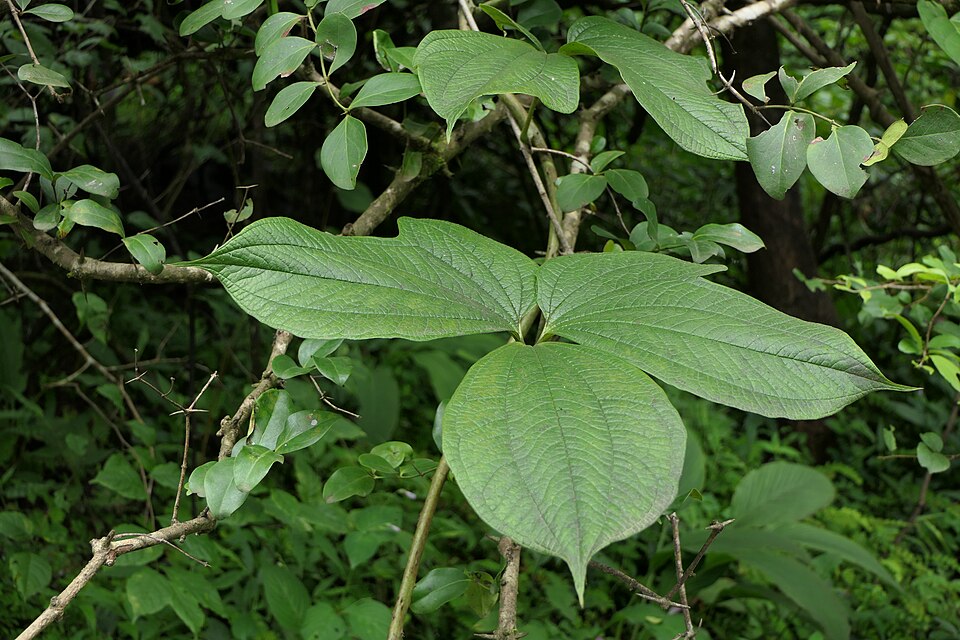
A starchy tuber vegetable with rough brown skin and white or orange flesh.
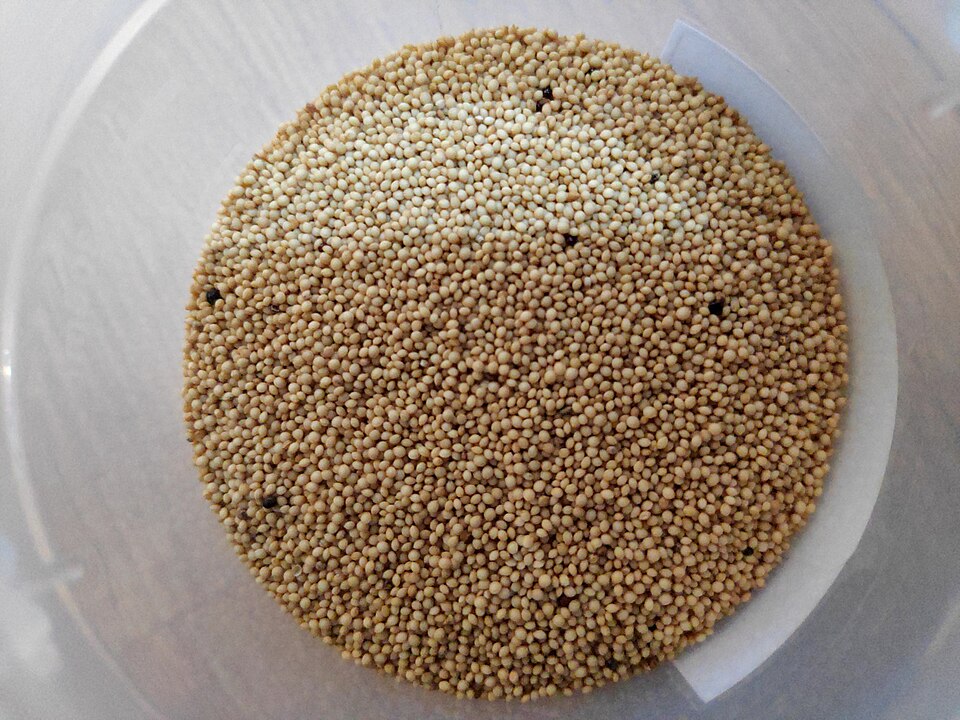
A gluten-free flour ground from amaranth seeds with a nutty flavor used in baking.
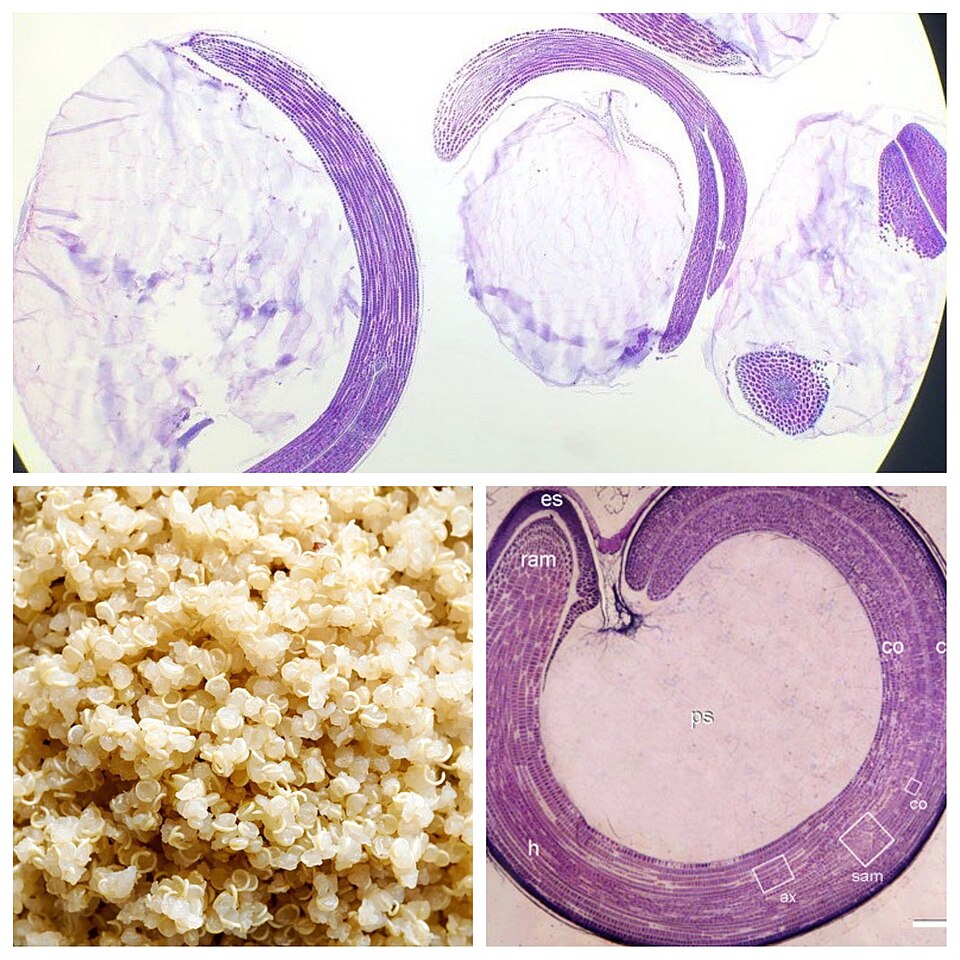
A gluten-free ancient grain with a nutty flavor, rich in protein, fiber, and micronutrients.
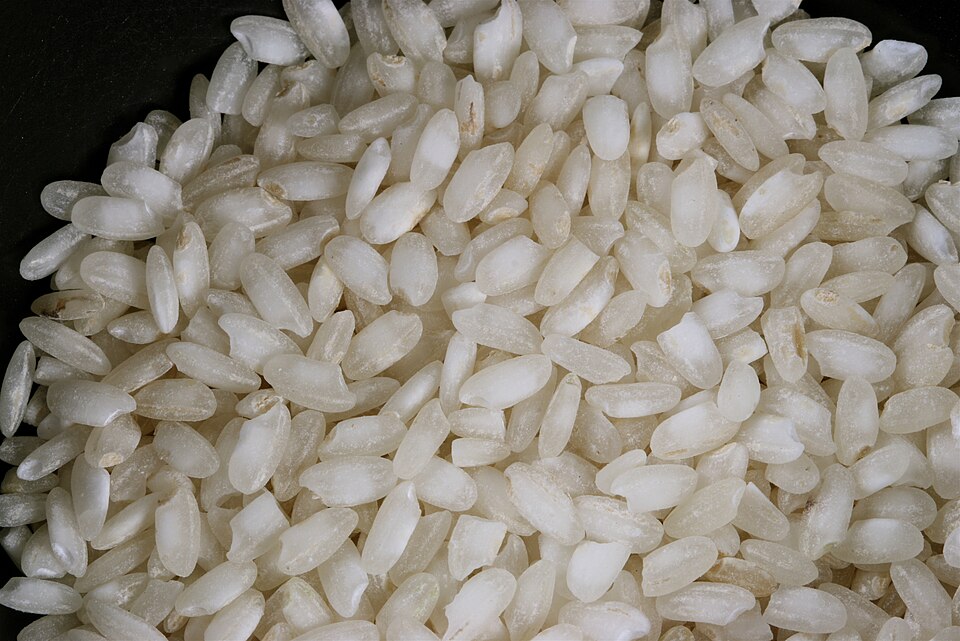
A short-grain Italian rice with high starch content, ideal for creamy risotto dishes.
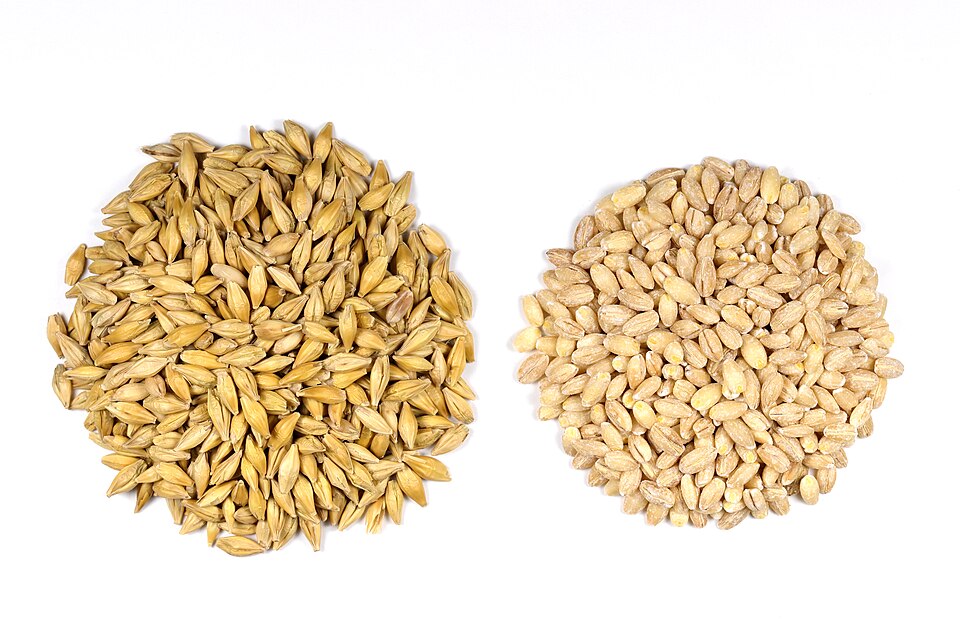
A versatile cereal grain with a chewy texture and nutty flavor used in soups, stews, and breads.

A long-grain aromatic rice from South Asia with a distinctive nutty fragrance and delicate flavor.
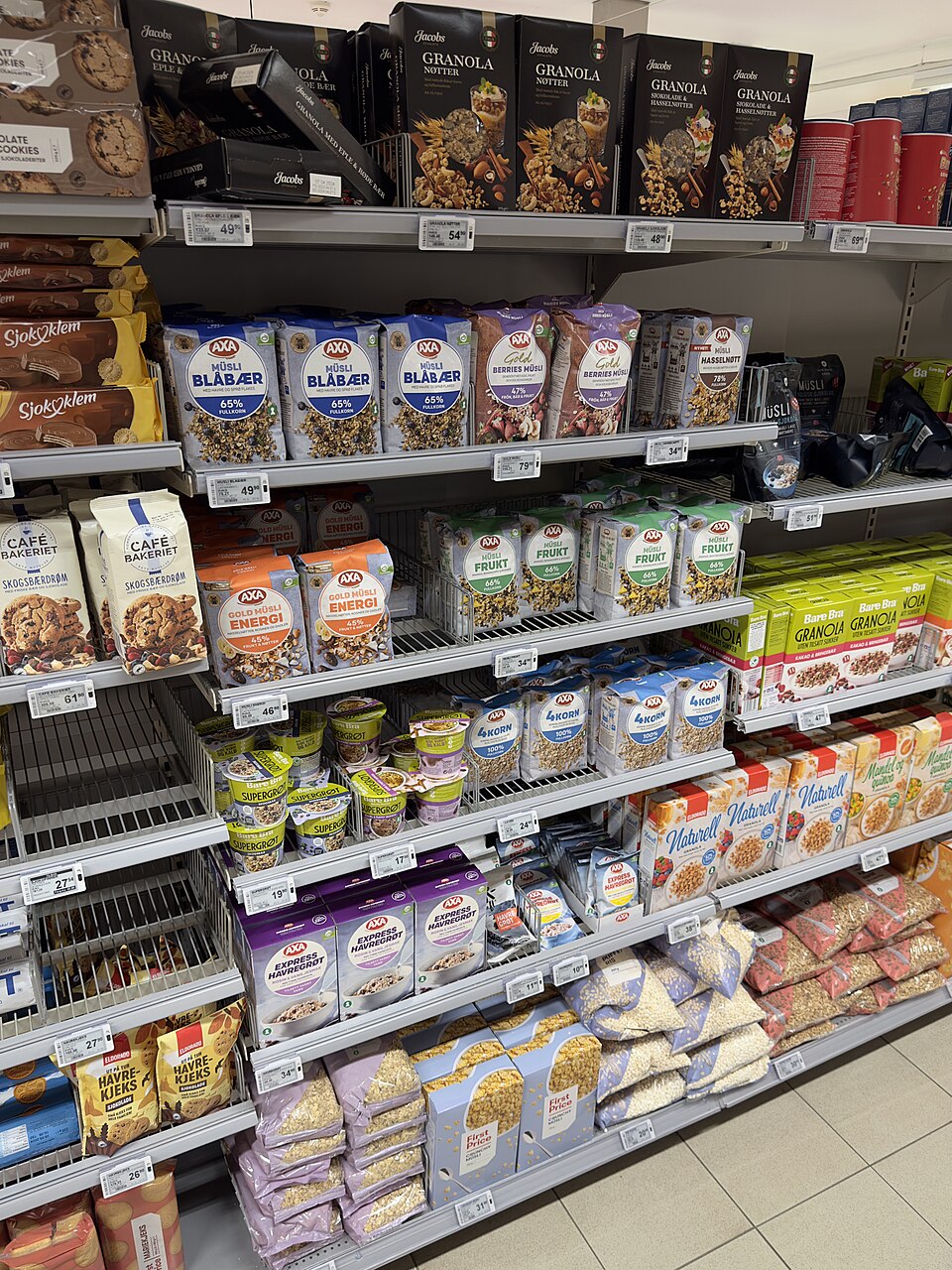
A blend of whole grains and dried berries for a nutritious, naturally sweet breakfast porridge.

A whole grain rice with the bran layer intact, offering a chewy texture and nutty flavor.
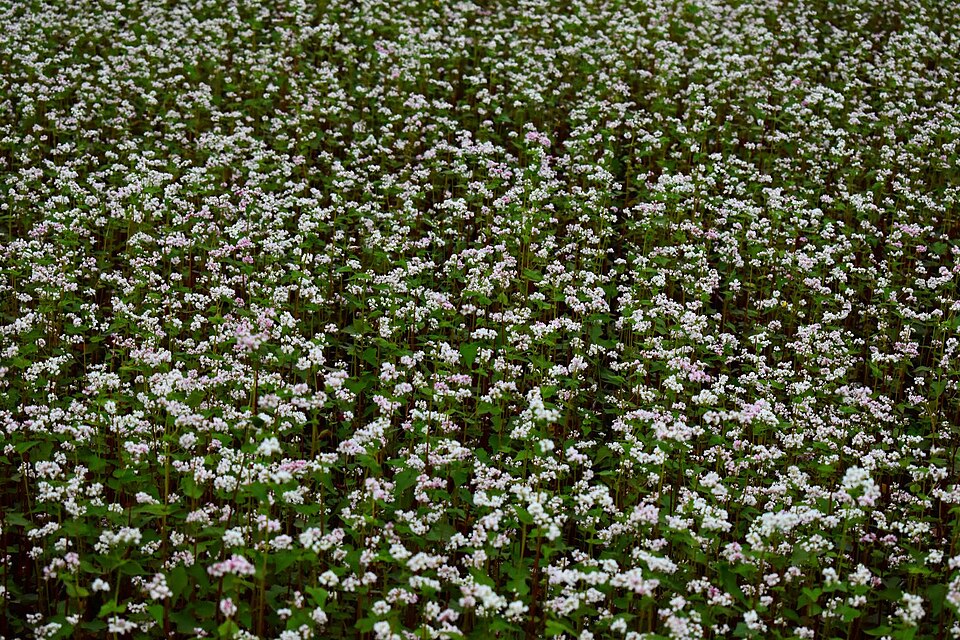
A gluten-free flour with a strong, earthy flavor used in pancakes, soba noodles, and crepes.
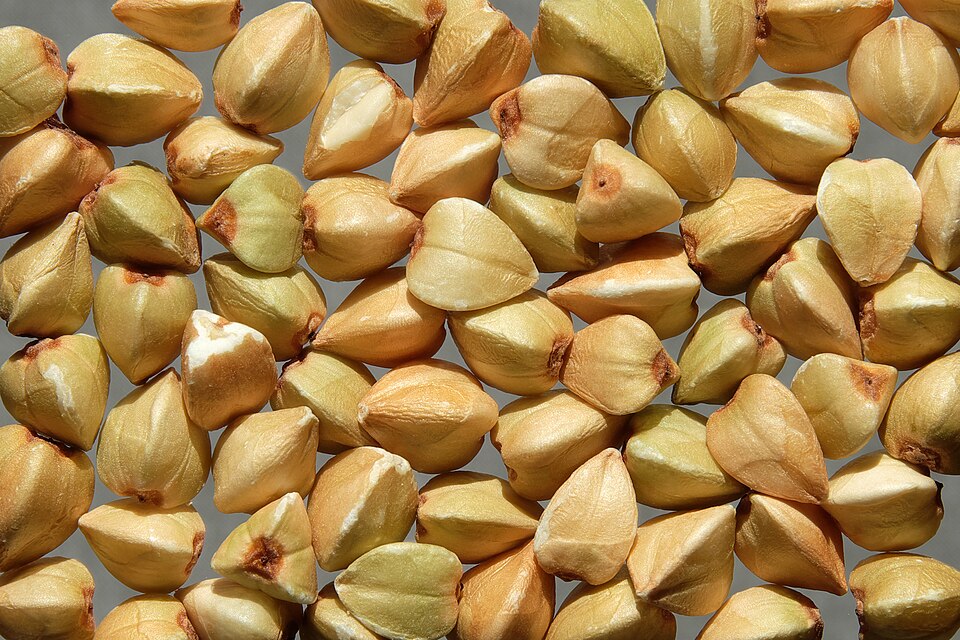
A gluten-free pseudo-cereal with a rich, earthy flavor used in pancakes, noodles, and porridge.

A cracked whole wheat grain with a light, nutty flavor commonly used in tabbouleh and pilafs.

A finely ground flour made from corn kernels, used as a thickener and in gluten-free baking.
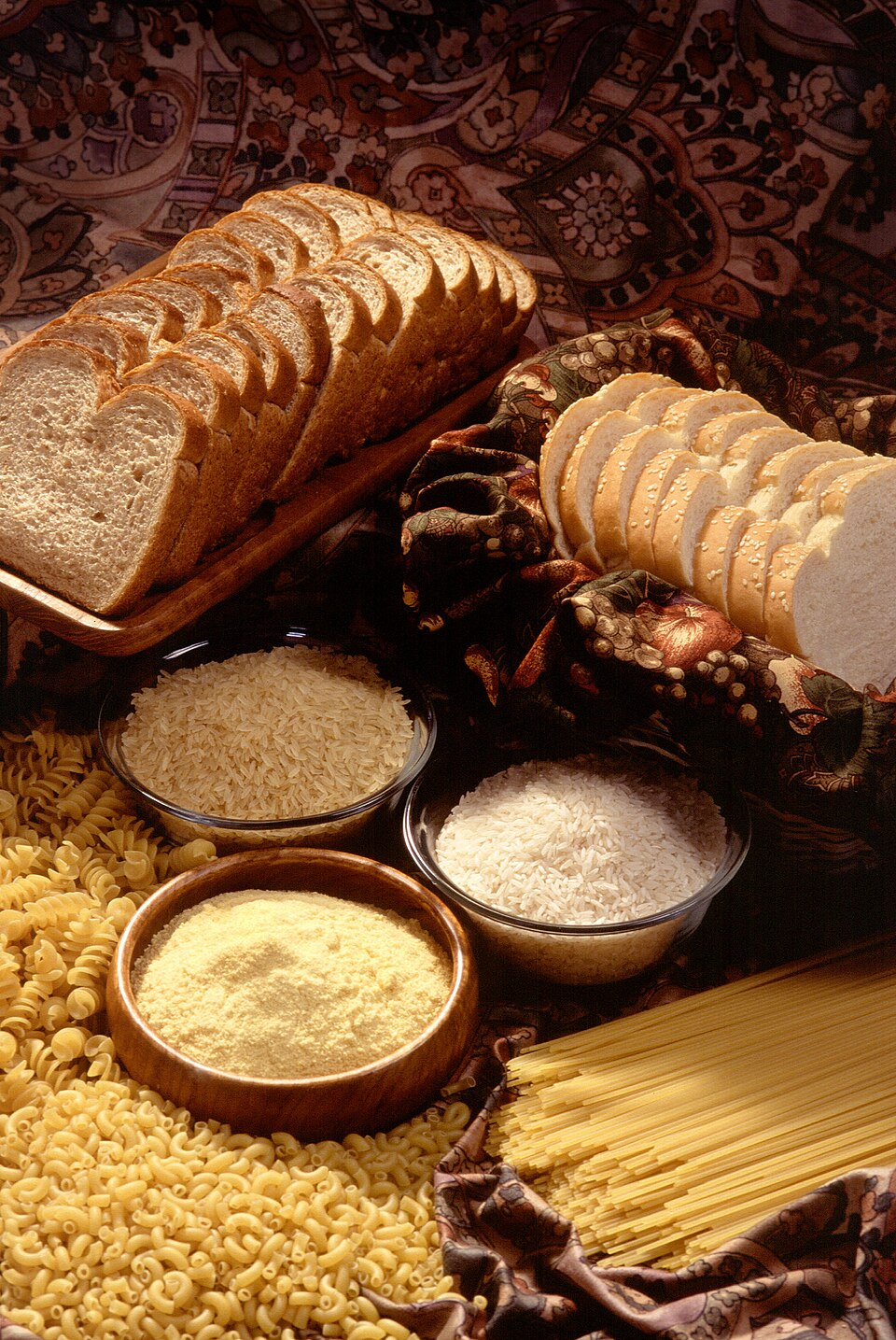
A ground dried corn product used to make cornbread, polenta, and coating for fried foods.
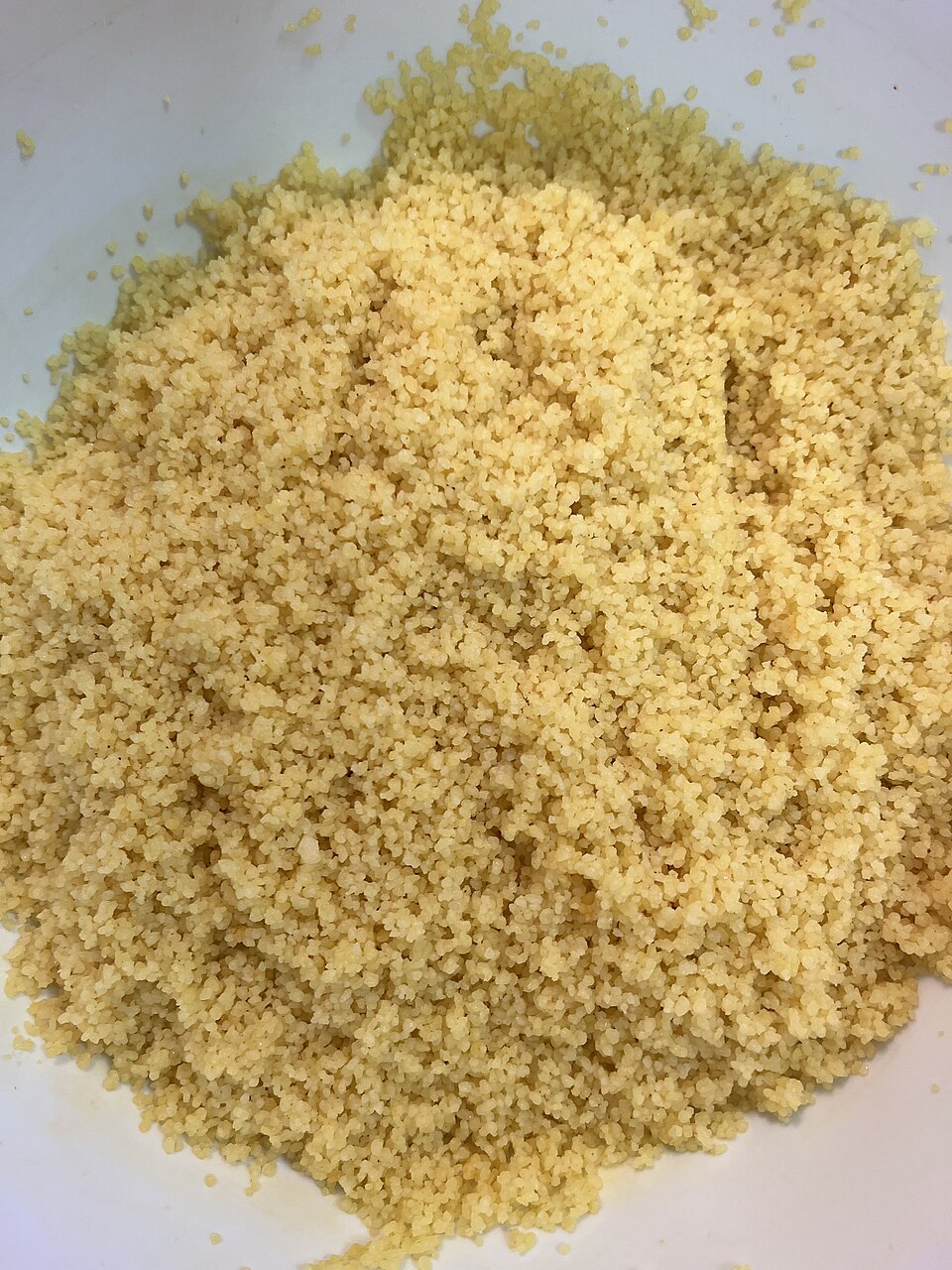
A small steamed wheat semolina pasta traditionally served with stewed meats and vegetables in North Africa.

A finely ground wheat semolina hot breakfast cereal with a smooth, creamy texture.

A high-gluten flour specifically formulated to produce light, flaky laminated pastry layers.

The most ancient cultivated wheat with a rich, nutty flavor and higher protein than modern wheat.

An ancient hulled wheat variety with a robust nutty flavor, often sold as farro.
An ancient wheat grain with a chewy texture and nutty flavor used in salads, soups, and risottos.
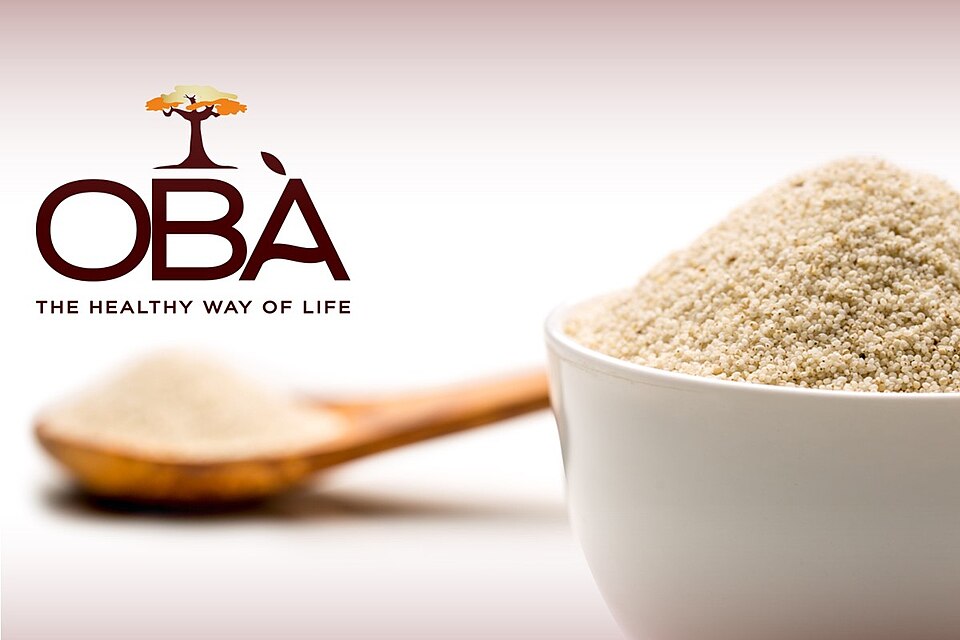
A tiny West African ancient grain with a mild nutty flavor and quick cooking time.
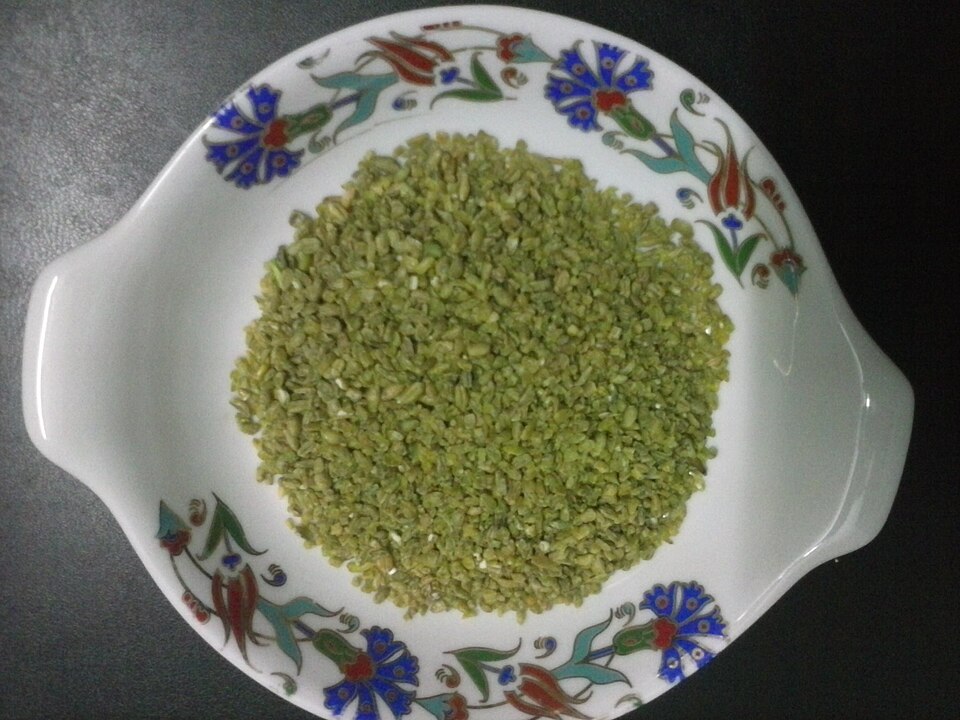
A roasted young green wheat grain with a smoky flavor and chewy texture used in Middle Eastern cuisine.
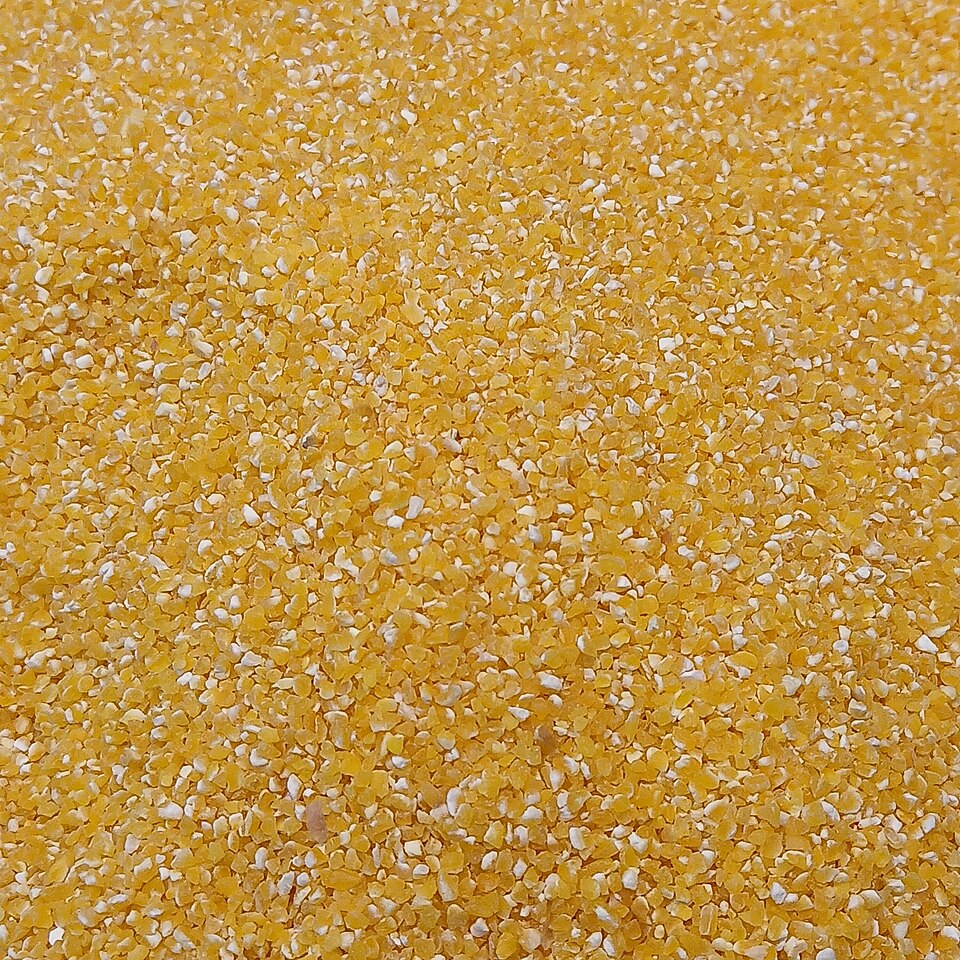
A coarsely ground corn porridge popular in the Southern United States, often served with butter.

Dried maize kernels treated with alkali, used in pozole, grits, and tamales.
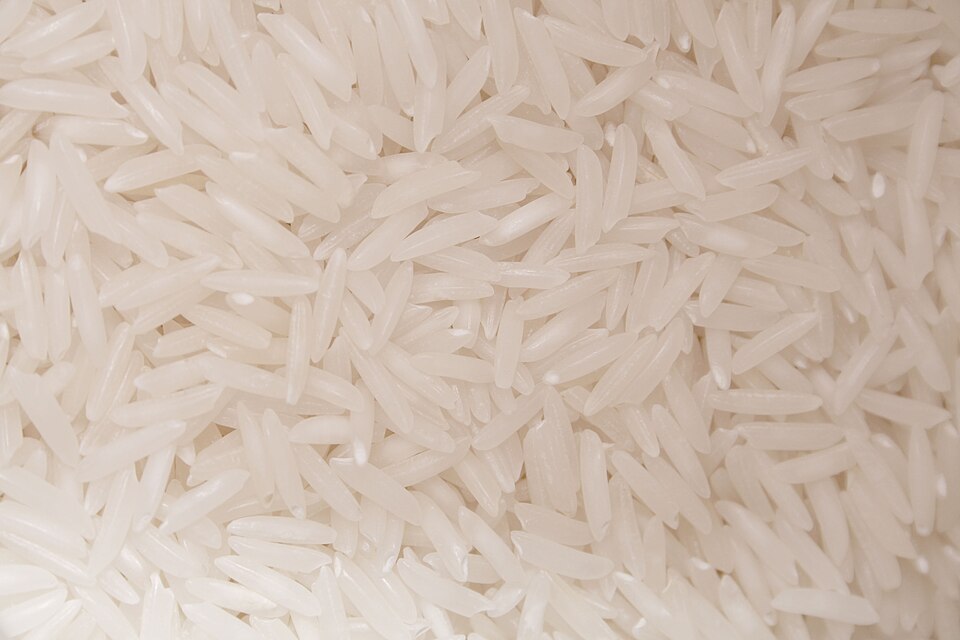
A fragrant long-grain rice from Thailand with a subtle floral aroma and slightly sticky texture.
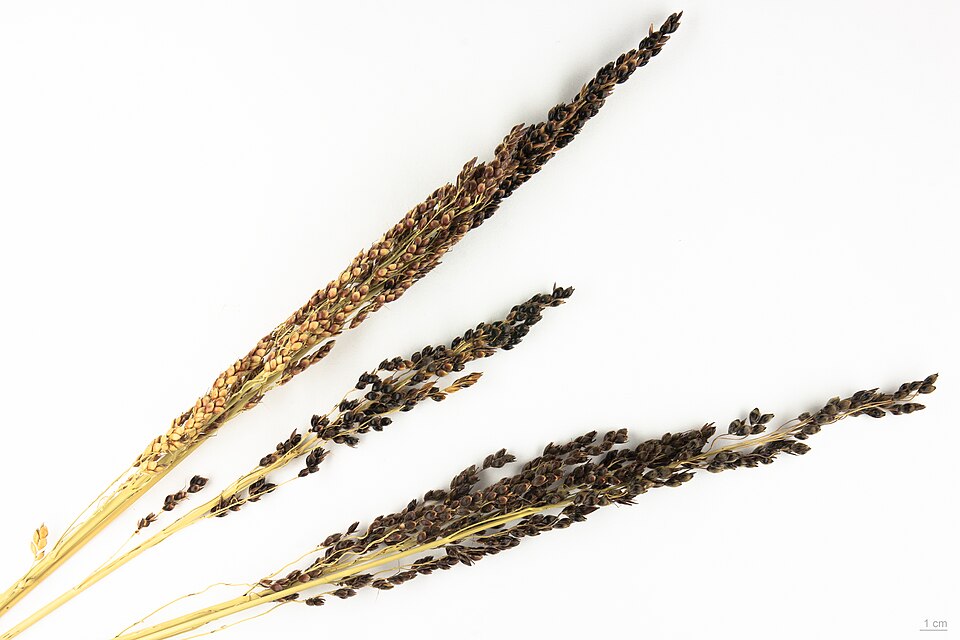
A gluten-free ancient grain staple in India and Africa, used to make flatbreads and porridge.
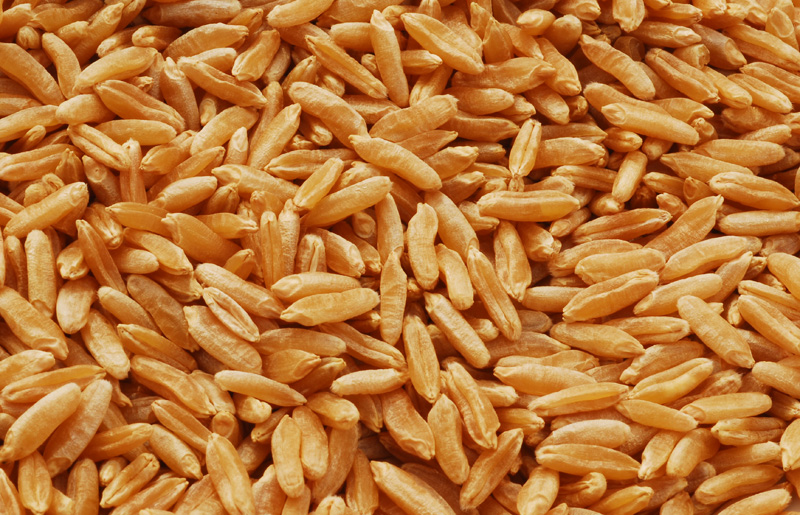
An ancient Egyptian wheat variety with a rich, buttery flavor and high protein content.
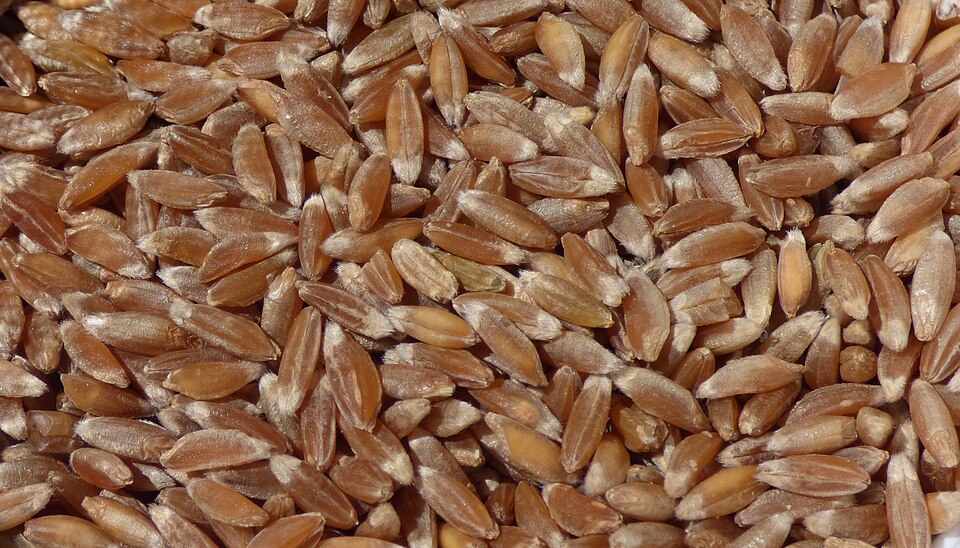
A traditional Indian wheat variety known for its distinctive taste and nutritional benefits.
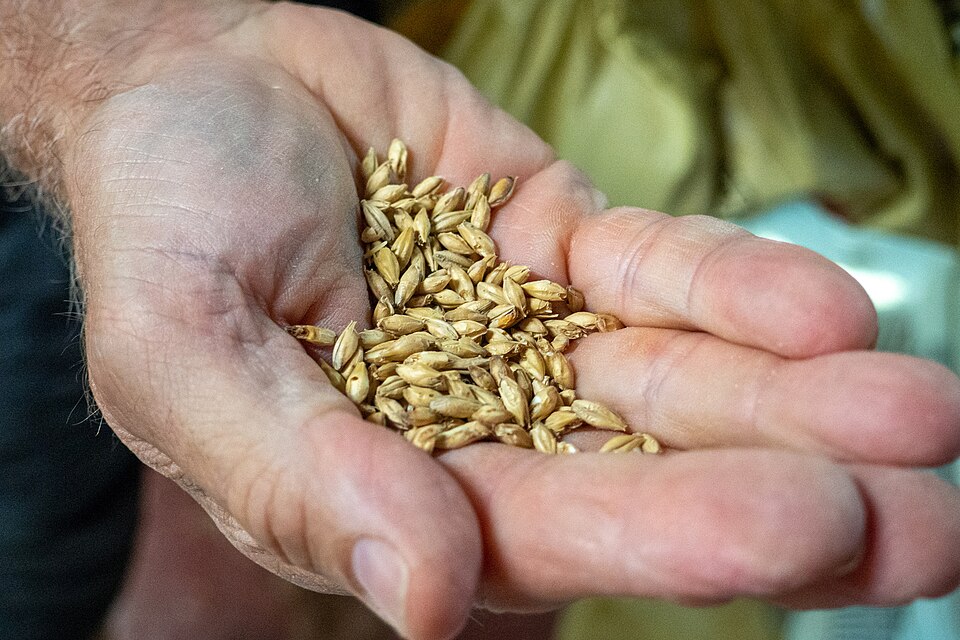
Sprouted and dried barley used in brewing, distilling, and as a sweetener in baking.
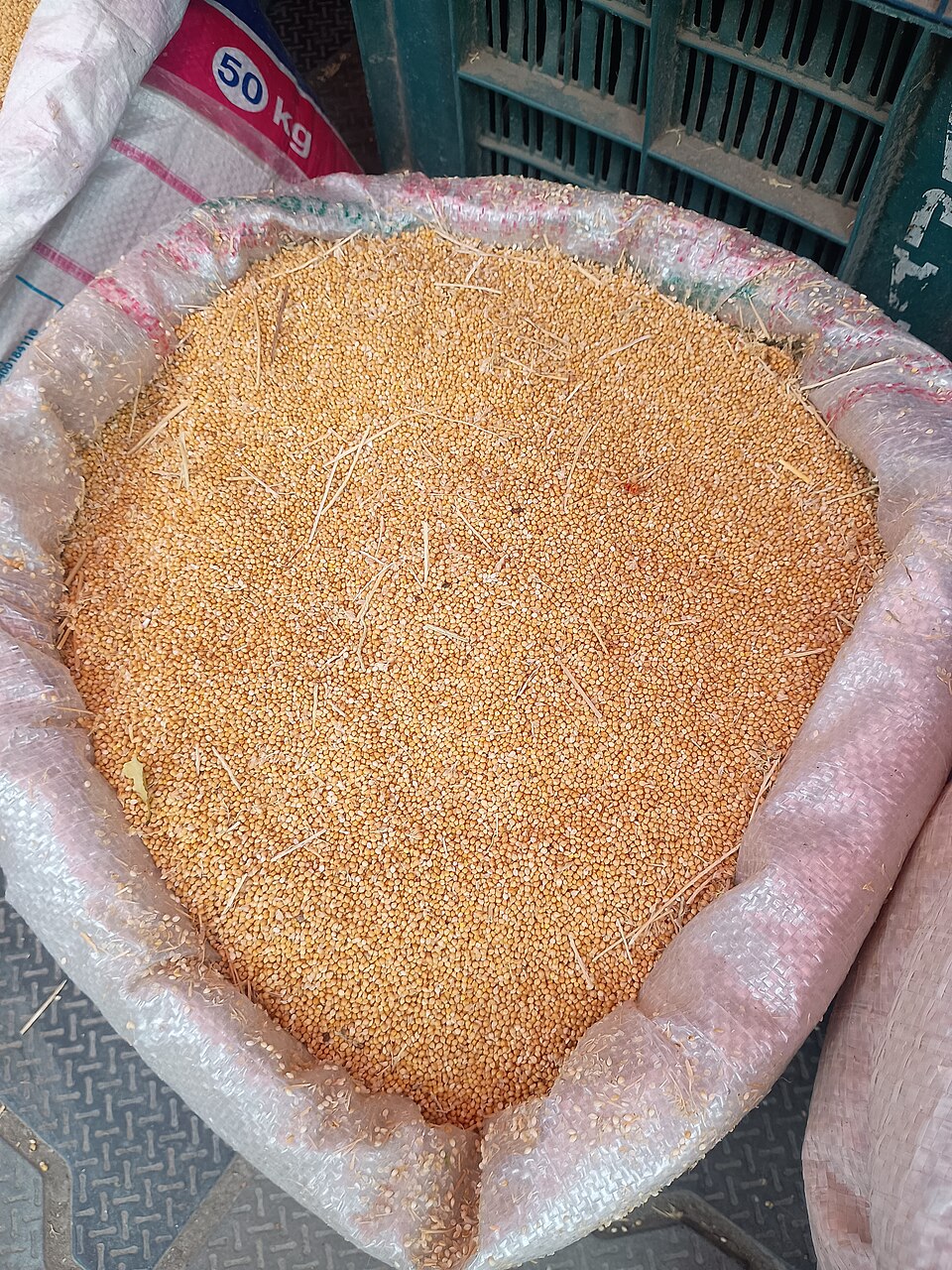
A small-seeded gluten-free grain with a mild corn-like flavor used in porridge, breads, and pilafs.
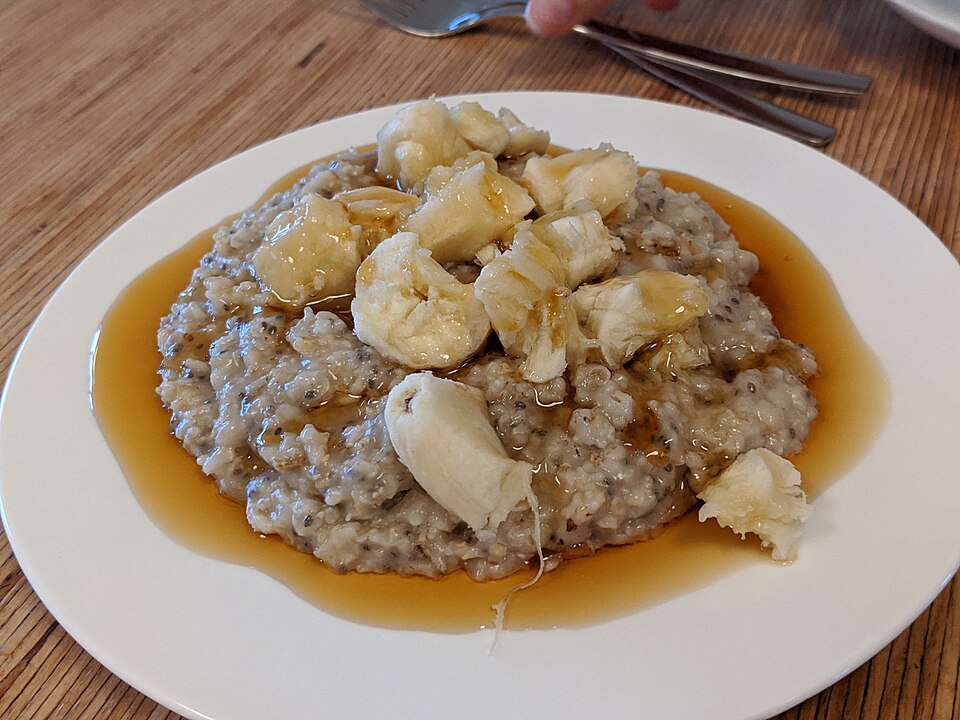
A whole grain flour made from ground oats, used for its mild flavor and tender crumb in baking.
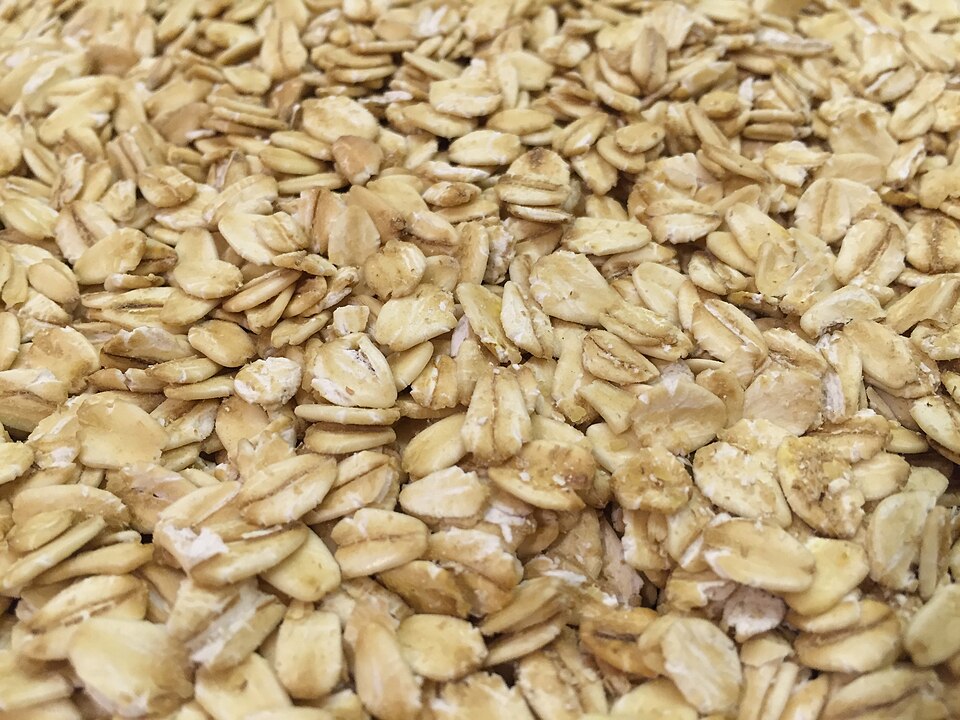
A whole grain oat flattened into flakes, commonly eaten as porridge or used in baking.
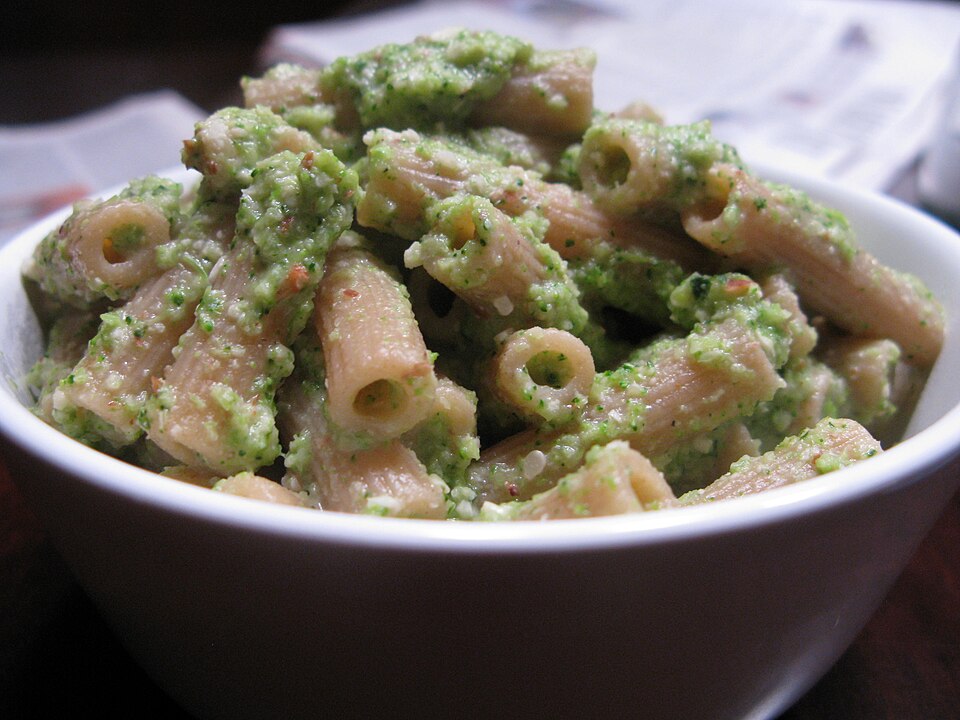
A whole grain pasta made from whole durum wheat flour with a hearty texture and nutty flavor.
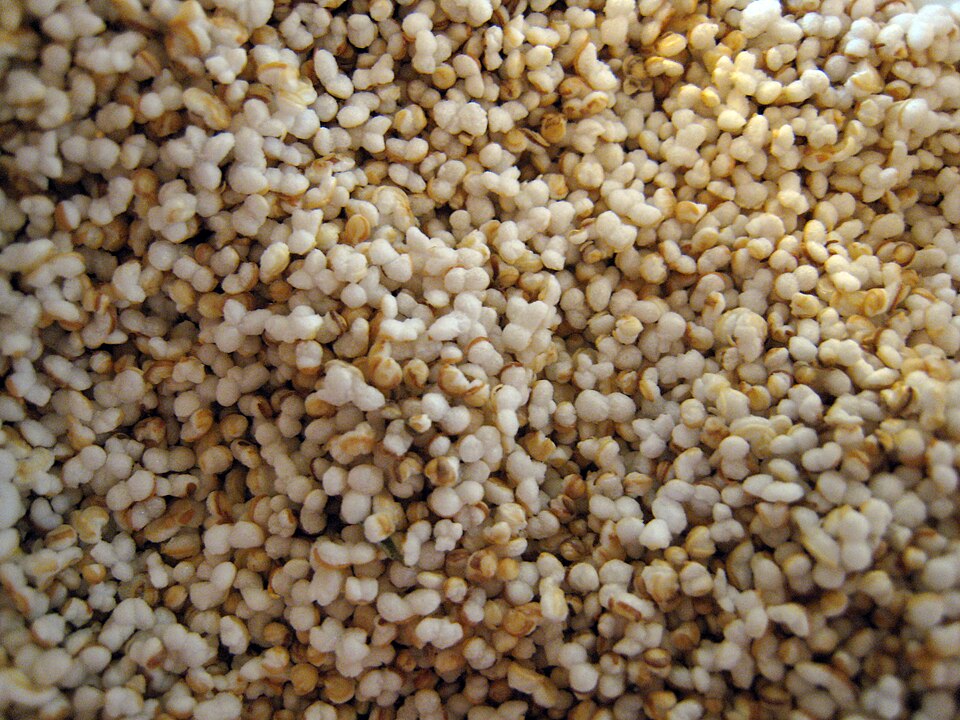
Amaranth seeds that have been heated until they pop into tiny, crunchy kernels used as a cereal or topping.

A light, crispy rice product made by heating rice grains under high pressure until they pop.

A gluten-free pseudo-cereal with a fluffy texture and mild nutty flavor, rich in complete protein.
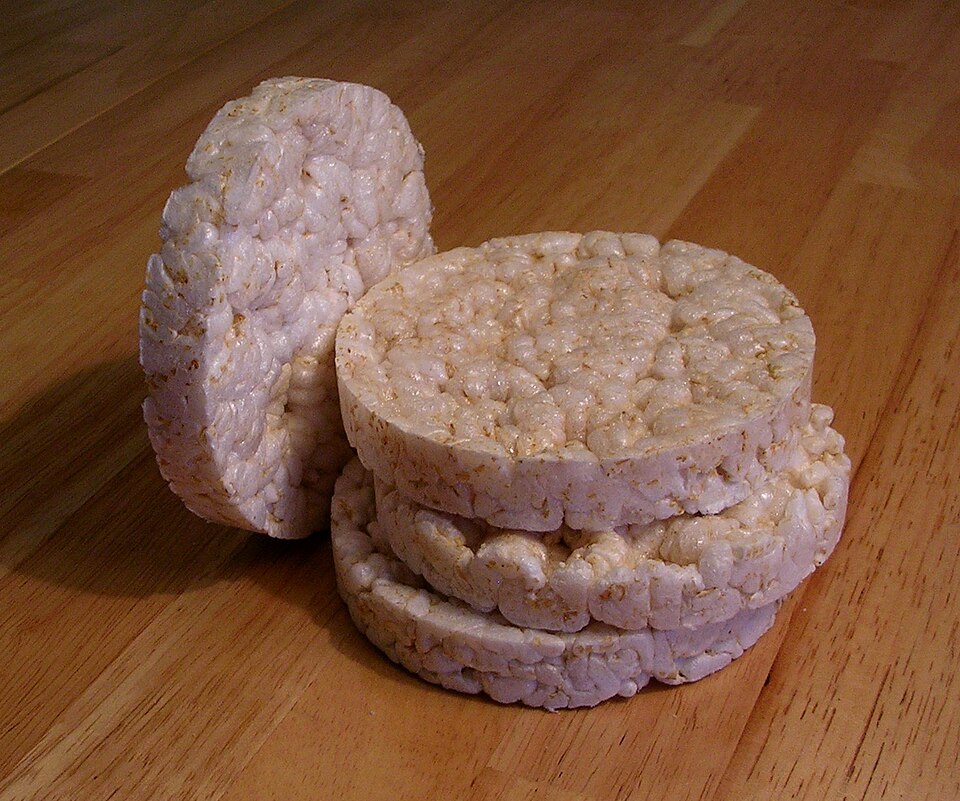
A puffed rice pressed into a round disc shape, eaten as a light, crunchy snack.

A finely ground flour made from milled white rice, commonly used in Asian noodles and gluten-free baking.
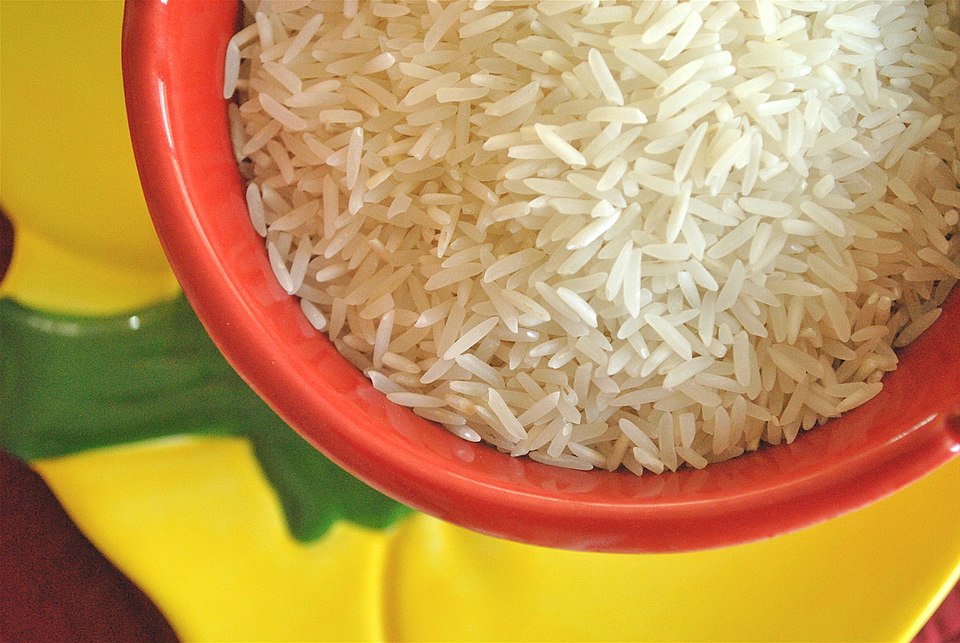
A polished, milled rice grain with a mild flavor and fluffy texture, a global dietary staple.

A hearty whole grain with a deep, earthy flavor used in dense breads and crispbreads.
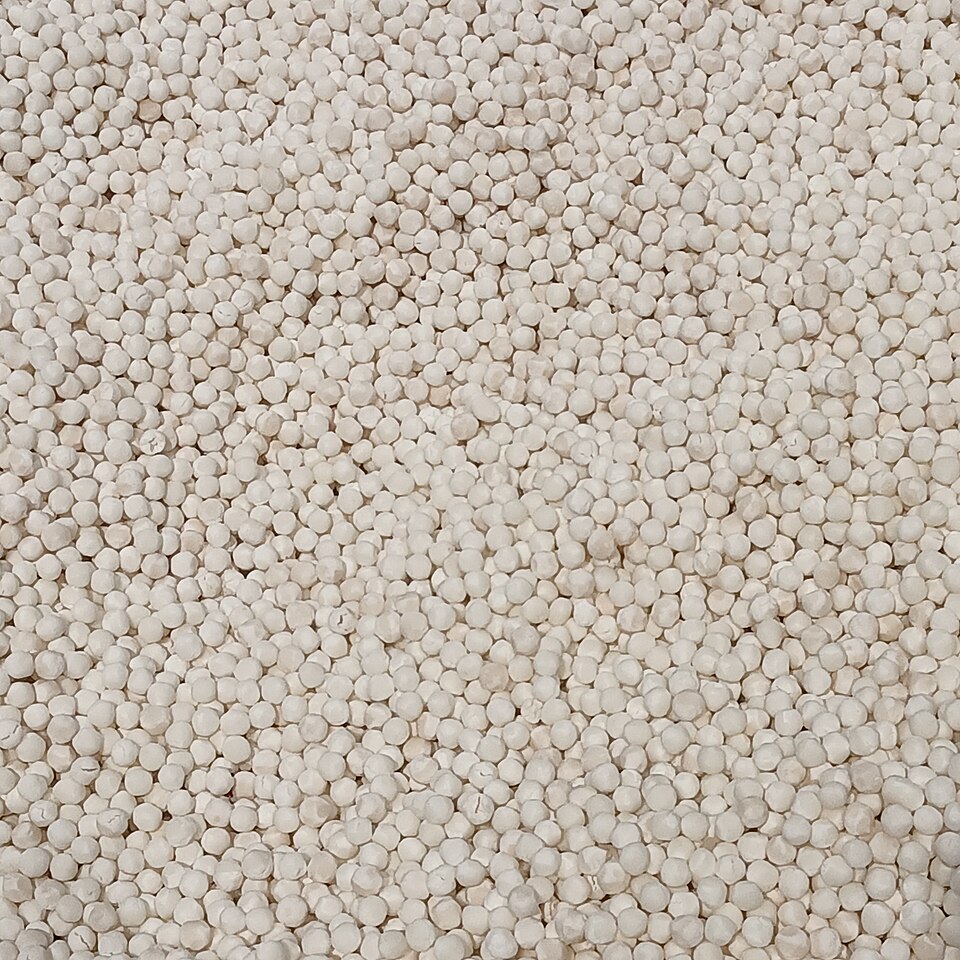
A starchy granular product extracted from palm stems, used in puddings, pearls, and as a thickener.
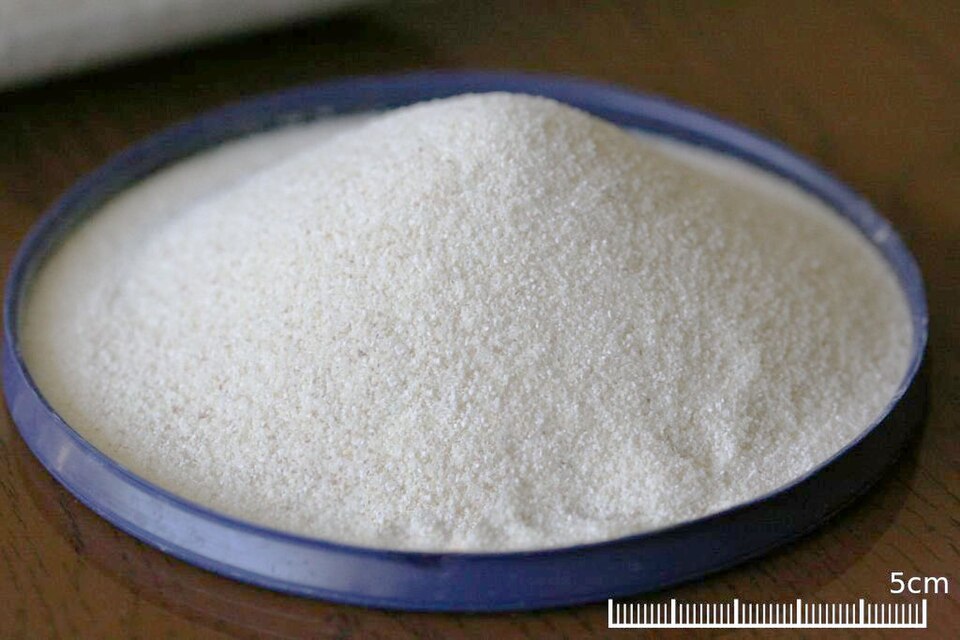
A coarse flour from durum wheat used to make pasta, couscous, and sweet puddings.
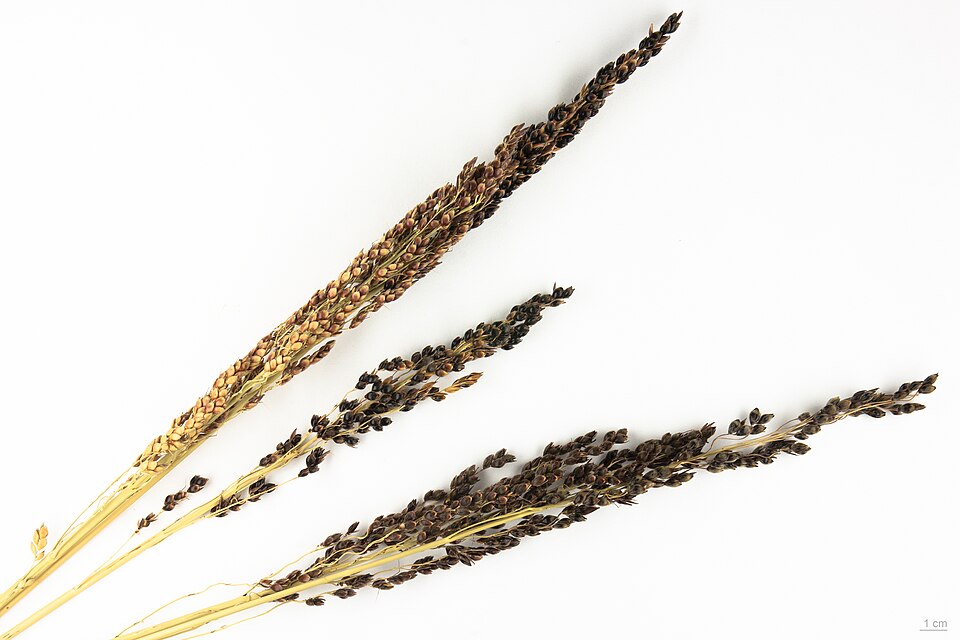
A gluten-free ancient grain with a mild, sweet flavor used in porridge, flatbreads, and popped snacks.

An ancient wheat variety with a nutty flavor used in breads and pastas.
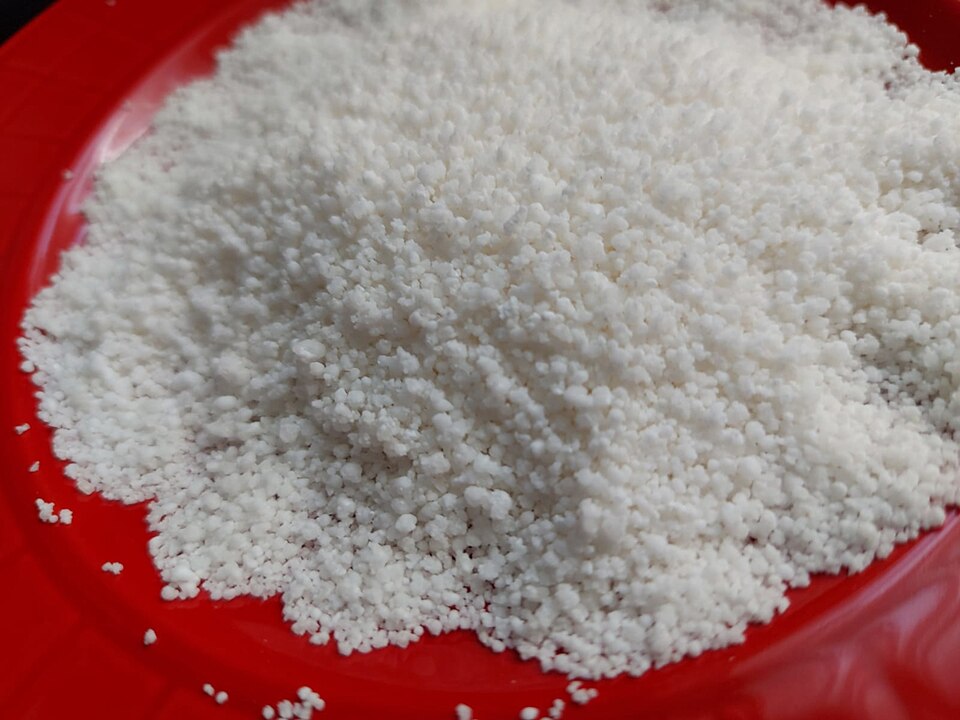
A starchy product extracted from cassava root, used in puddings, pearls, and as a gluten-free thickener.
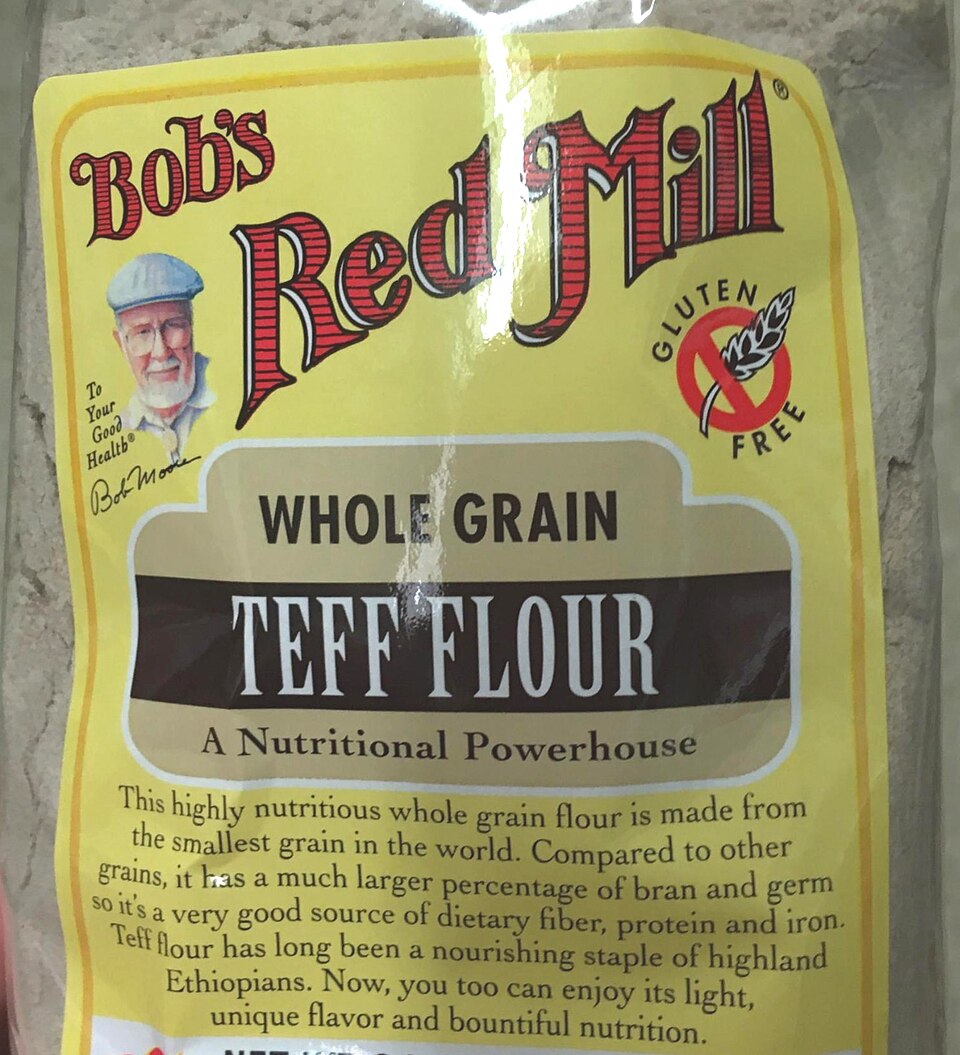
A tiny gluten-free grain from Ethiopia with a mild, molasses-like flavor used to make injera.
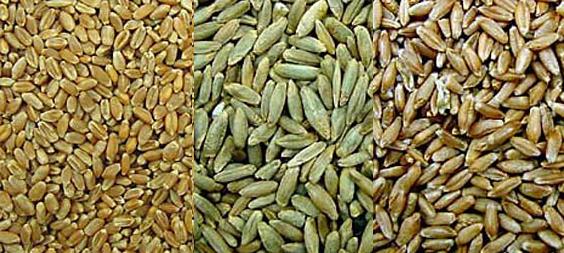
A hybrid grain cross between wheat and rye with a mild, nutty flavor used in breads and cereals.

The outer layer of the wheat kernel, rich in fiber and used as a nutritious breakfast cereal additive.
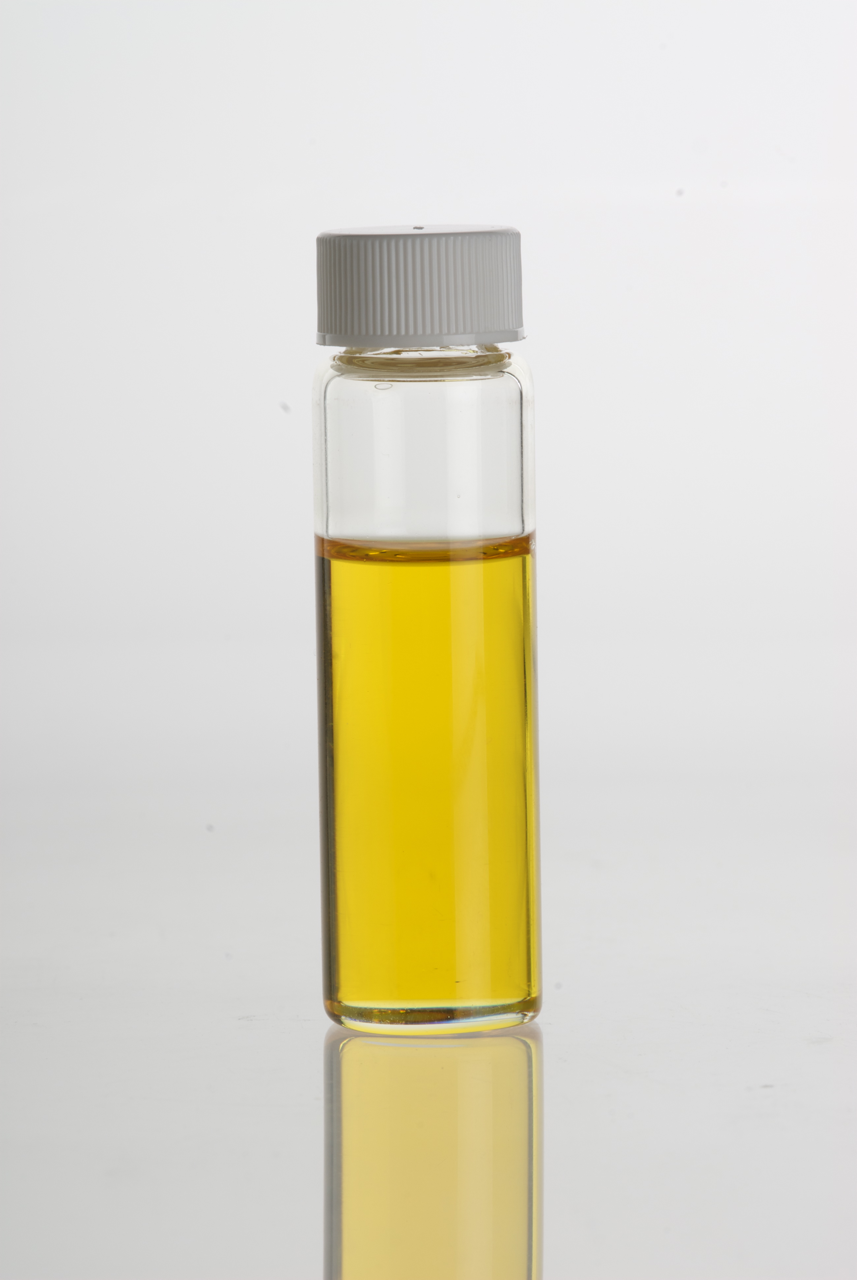
The nutrient-rich embryo of the wheat kernel, packed with vitamins, minerals, and healthy fats.
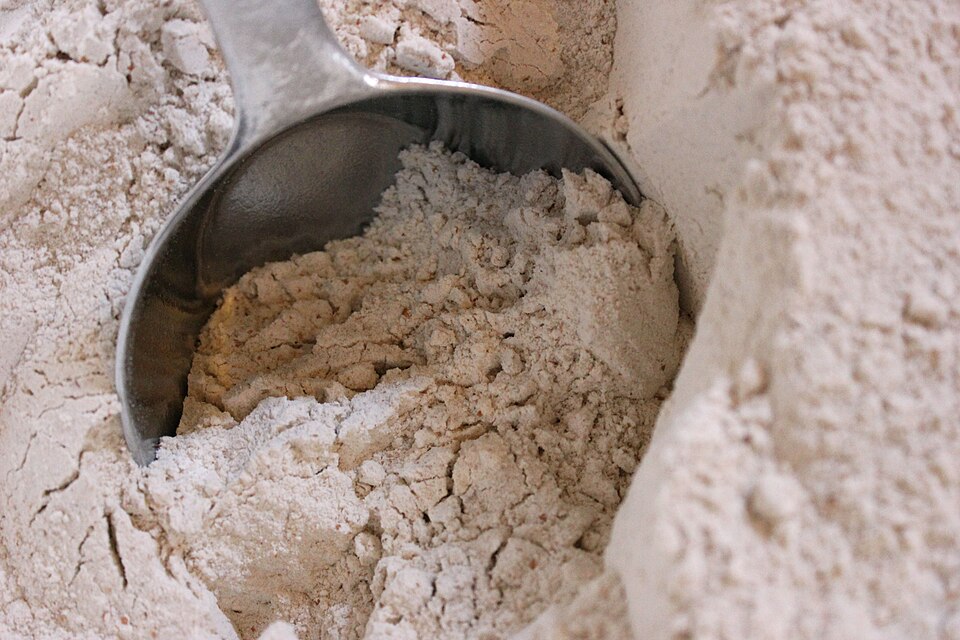
A hearty flour ground from the entire wheat kernel, used for making breads, chapatis, and baked goods with a nutty, earthy flavor.

A long-grain aquatic grass seed with a chewy texture and nutty, earthy flavor often used in pilafs.
A thin, soft flatbread made from wheat or corn flour used for wrapping fillings.
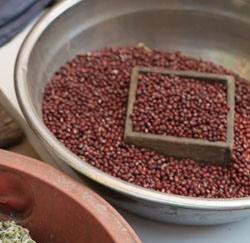
Small red beans with a sweet, nutty flavor commonly used in East Asian desserts and savory dishes.
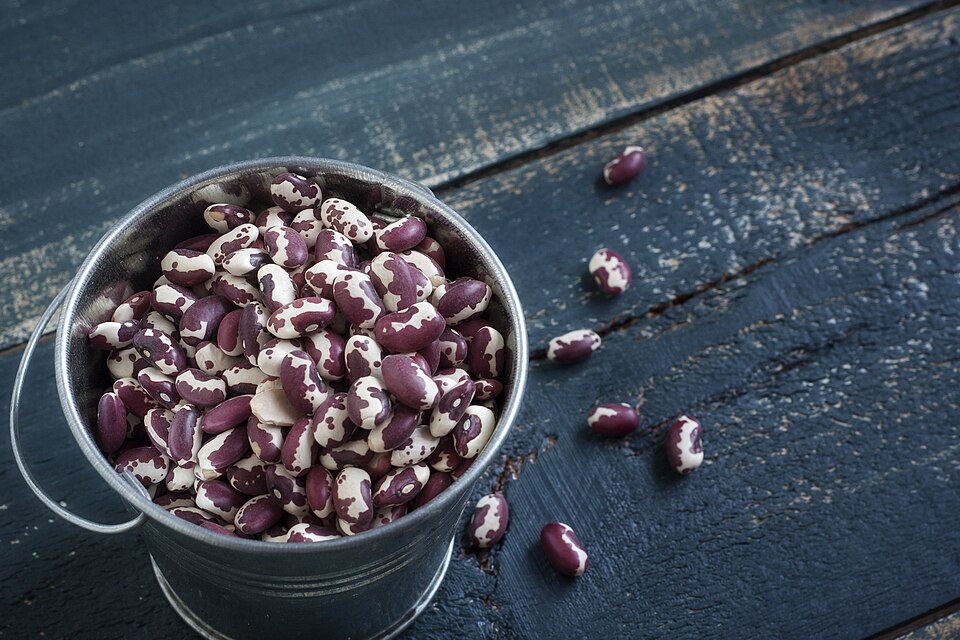
A mottled red-and-white bean with a sweet, mild flavor originating from the Southwestern US.
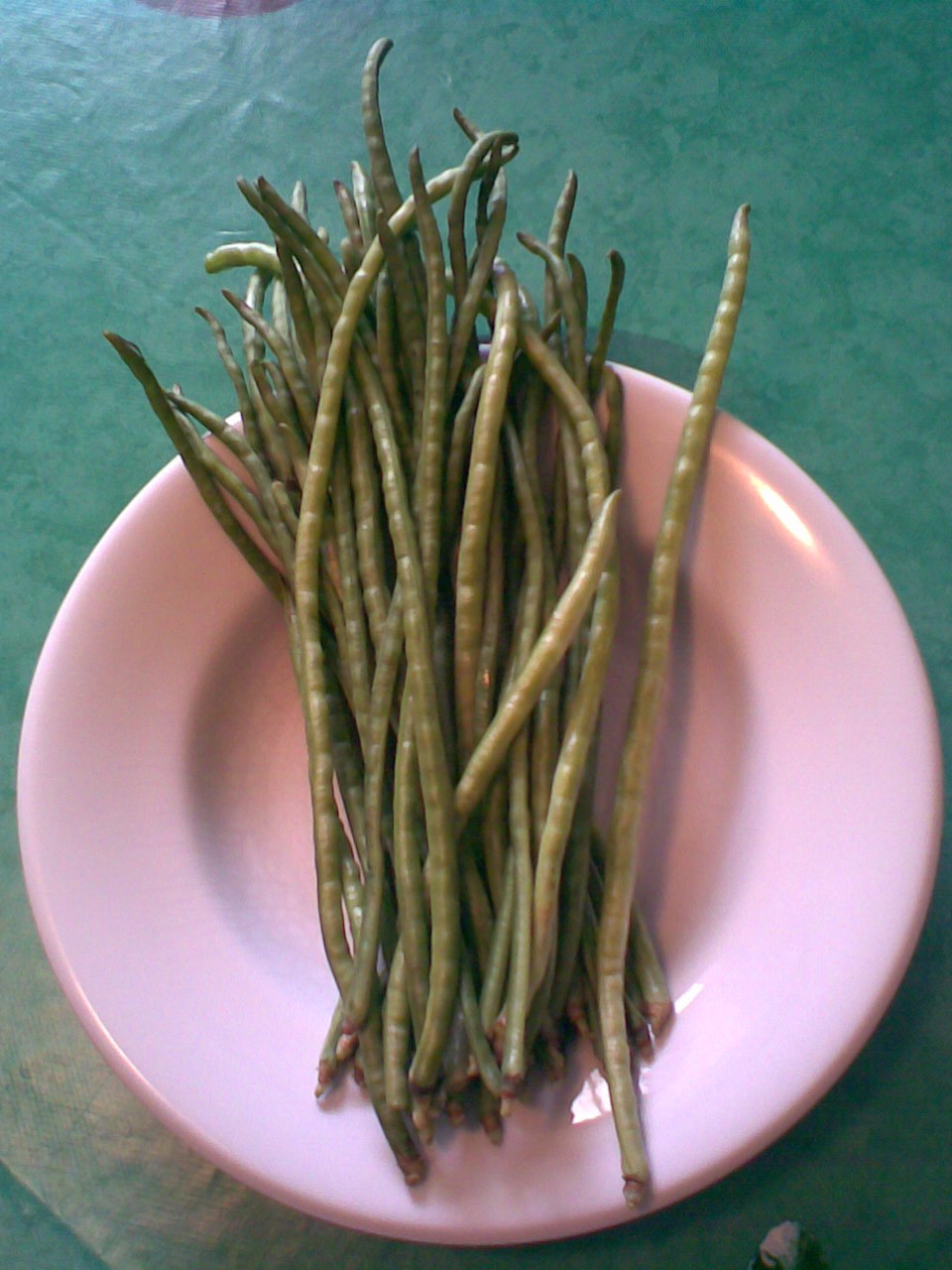
Long, slender green beans with a flavor similar to asparagus, popular in Asian stir-fries.
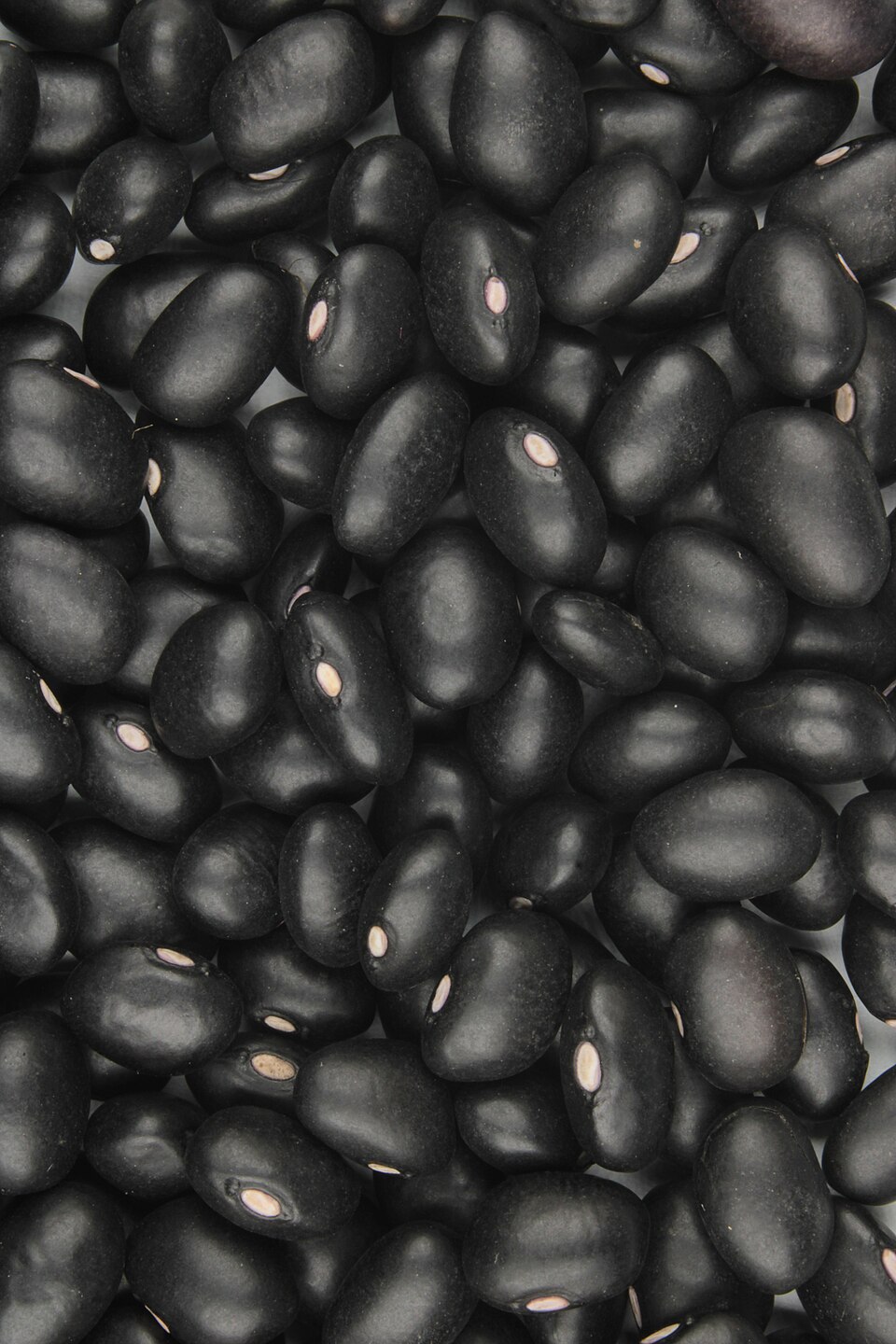
Small, black, velvety beans with a rich, earthy flavor staple in Latin American and Caribbean cuisines.
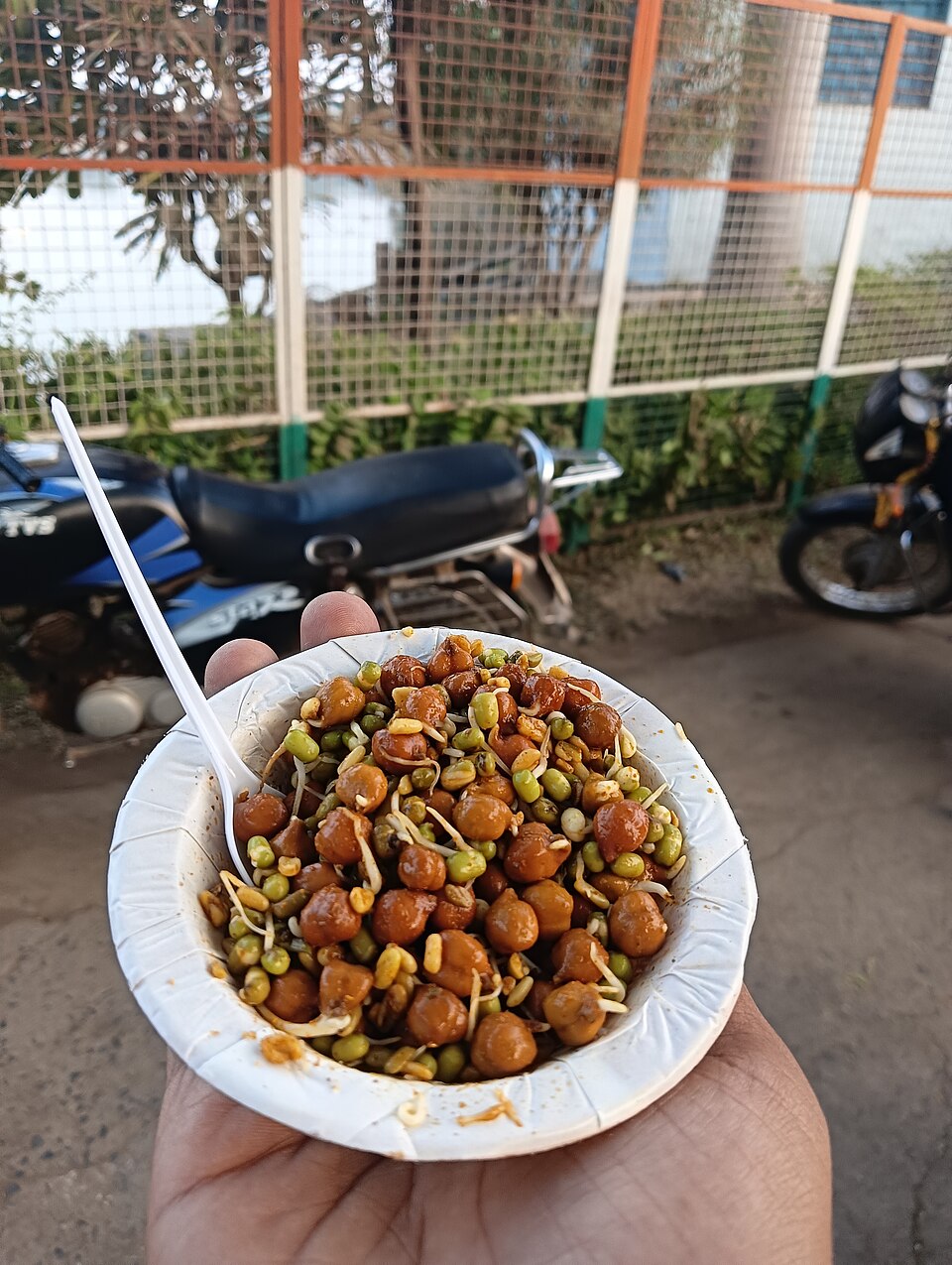
A small, dark brown chickpea variety with a stronger, nuttier flavor than the common kabuli type.
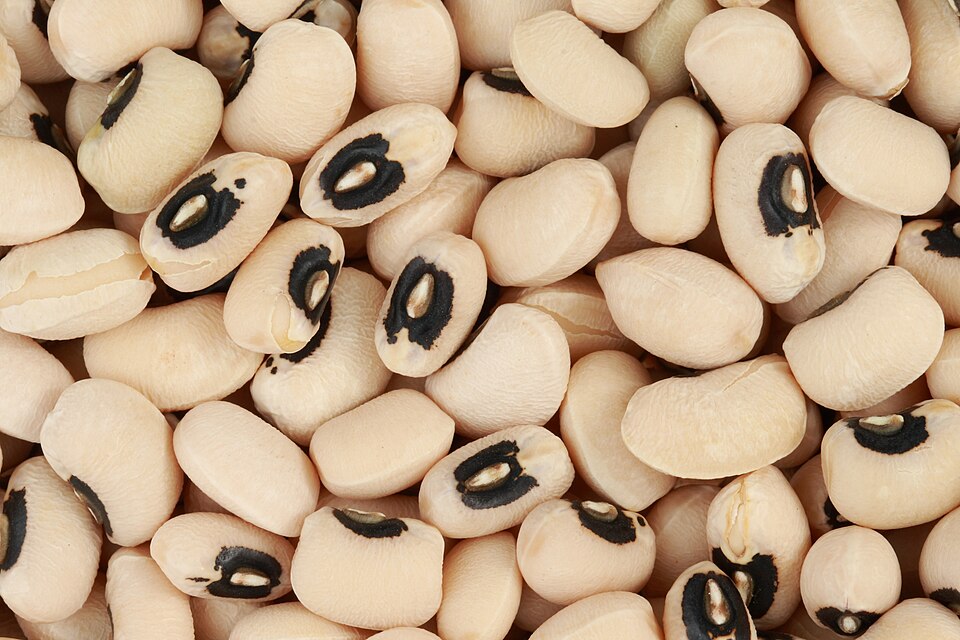
A cream-colored legume with a black eye spot, known for their earthy flavor and lucky New Year tradition.
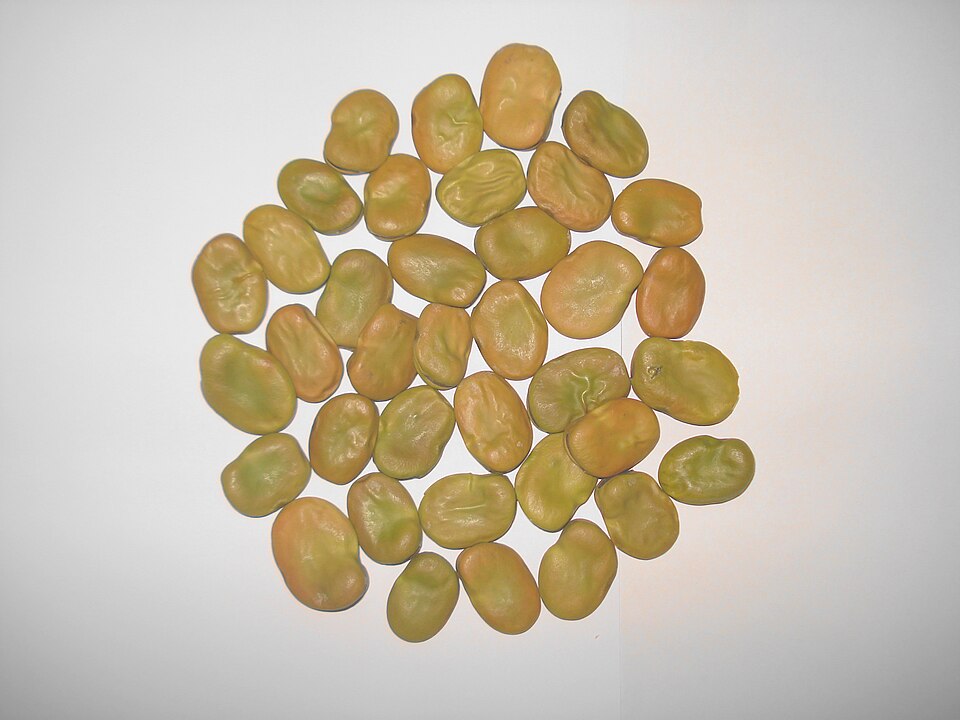
Large, flat, green beans with a buttery texture and slightly bitter taste, popular in Mediterranean cuisine.
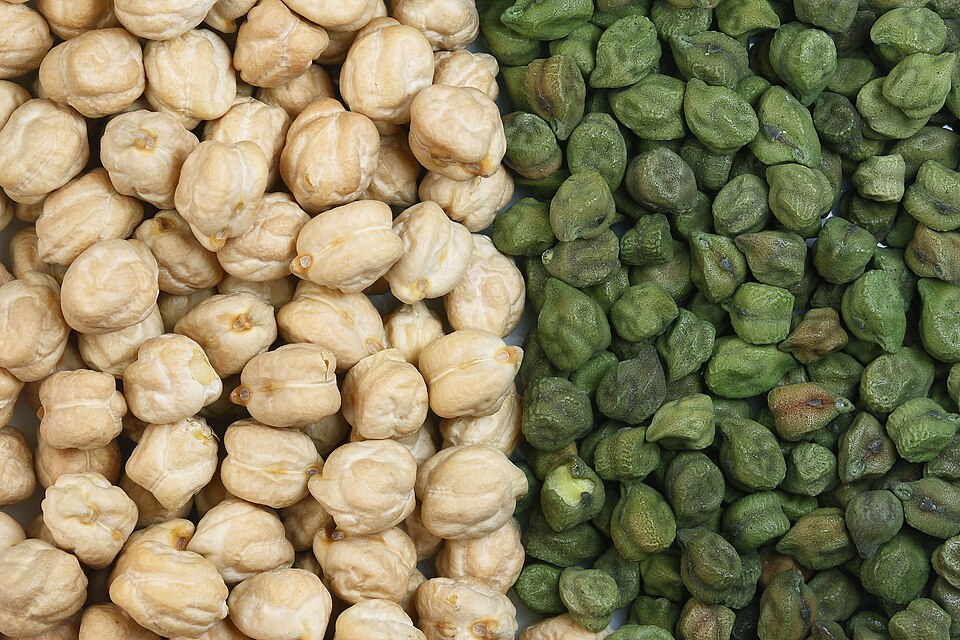
A split, hulled Bengal gram with a sweet, nutty flavor used in Indian curries and snacks.
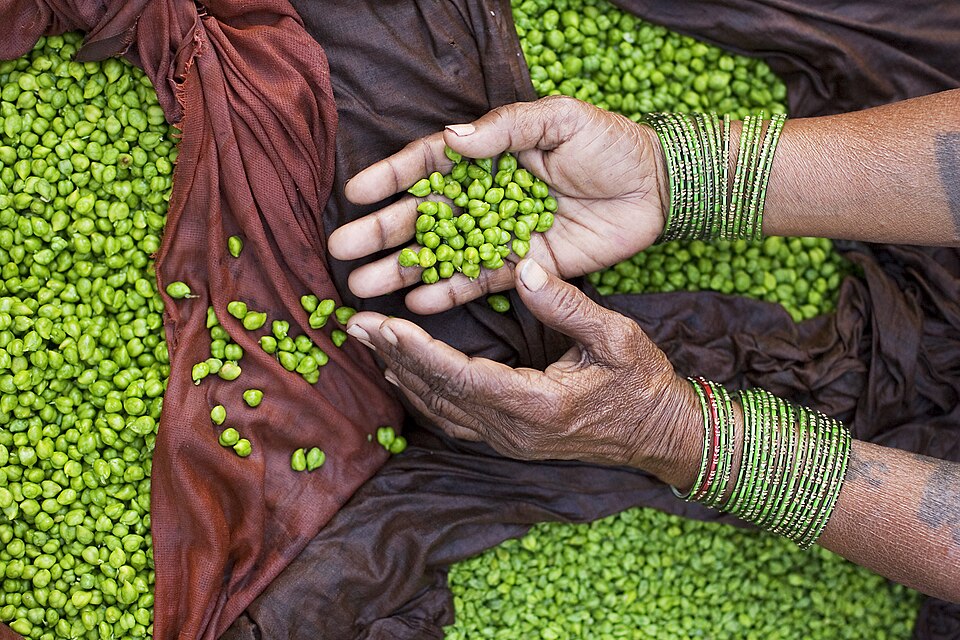
A round, nutty legume widely used in hummus, curries, and salads across Middle Eastern and Indian cuisines.
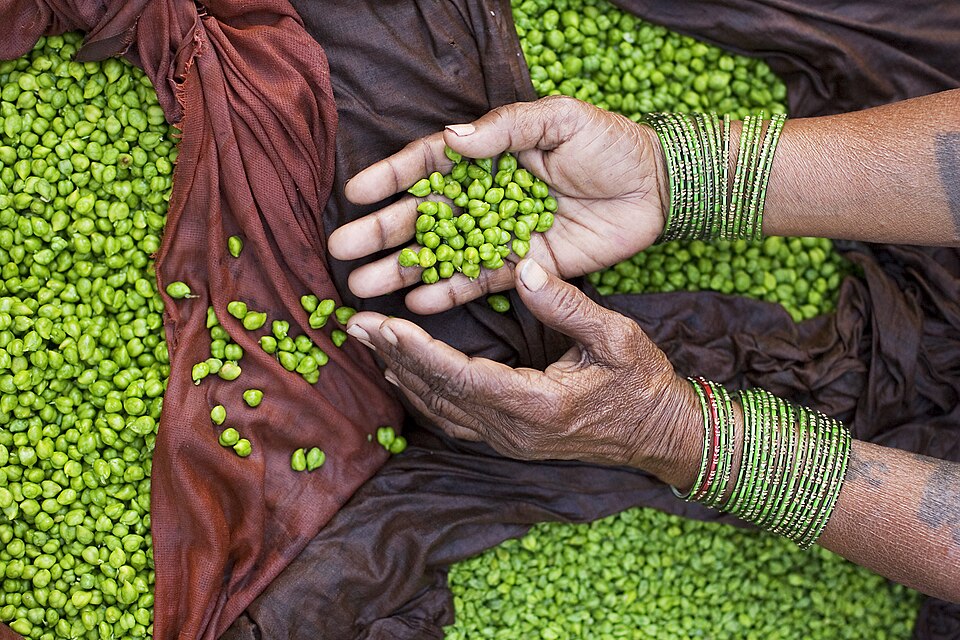
High-protein legumes also known as garbanzo beans.
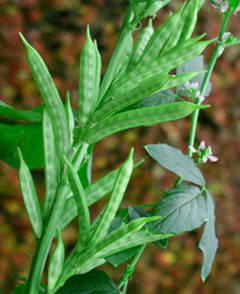
A slender green bean used in Indian cooking, known for its gum-producing seeds.
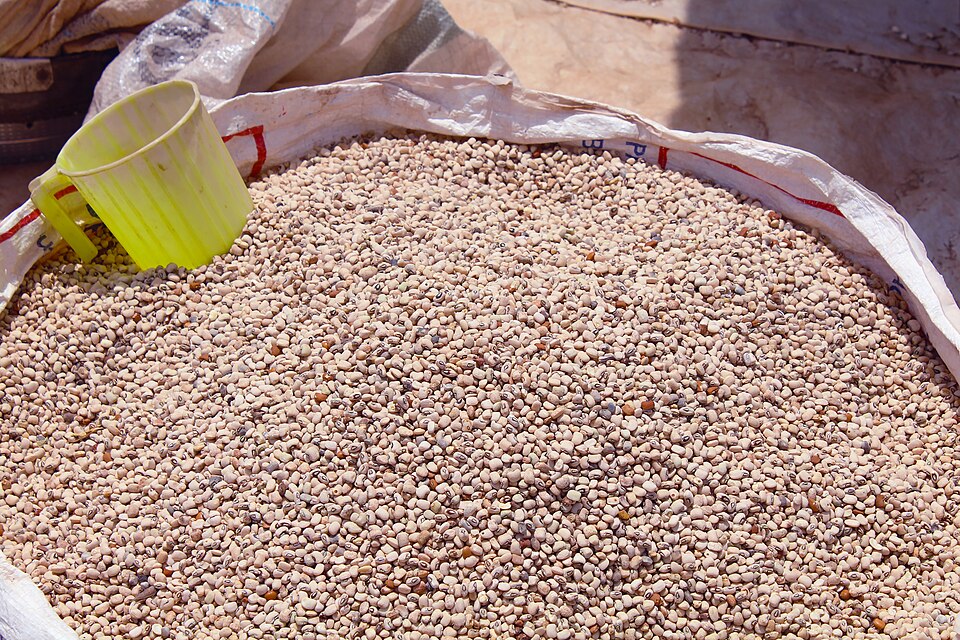
A warm-season legume with a creamy texture and earthy flavor, widely grown in Africa and the Southern US.

A cream-colored bean with red speckles and a chestnut-like flavor, popular in Italian cuisine.
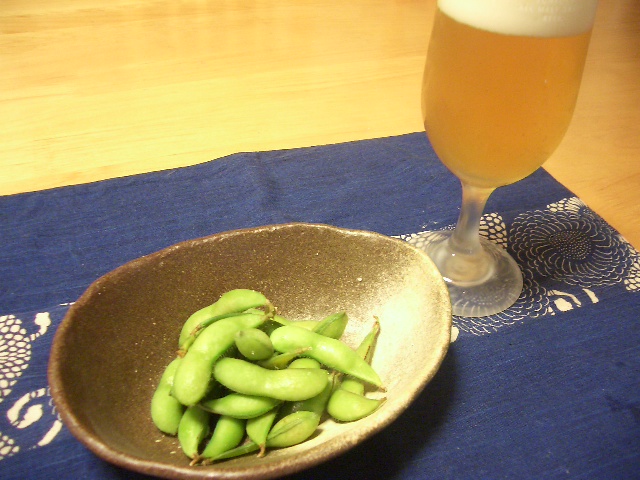
Immature green soybeans steamed in the pod, served as a snack with a mild, buttery flavor.
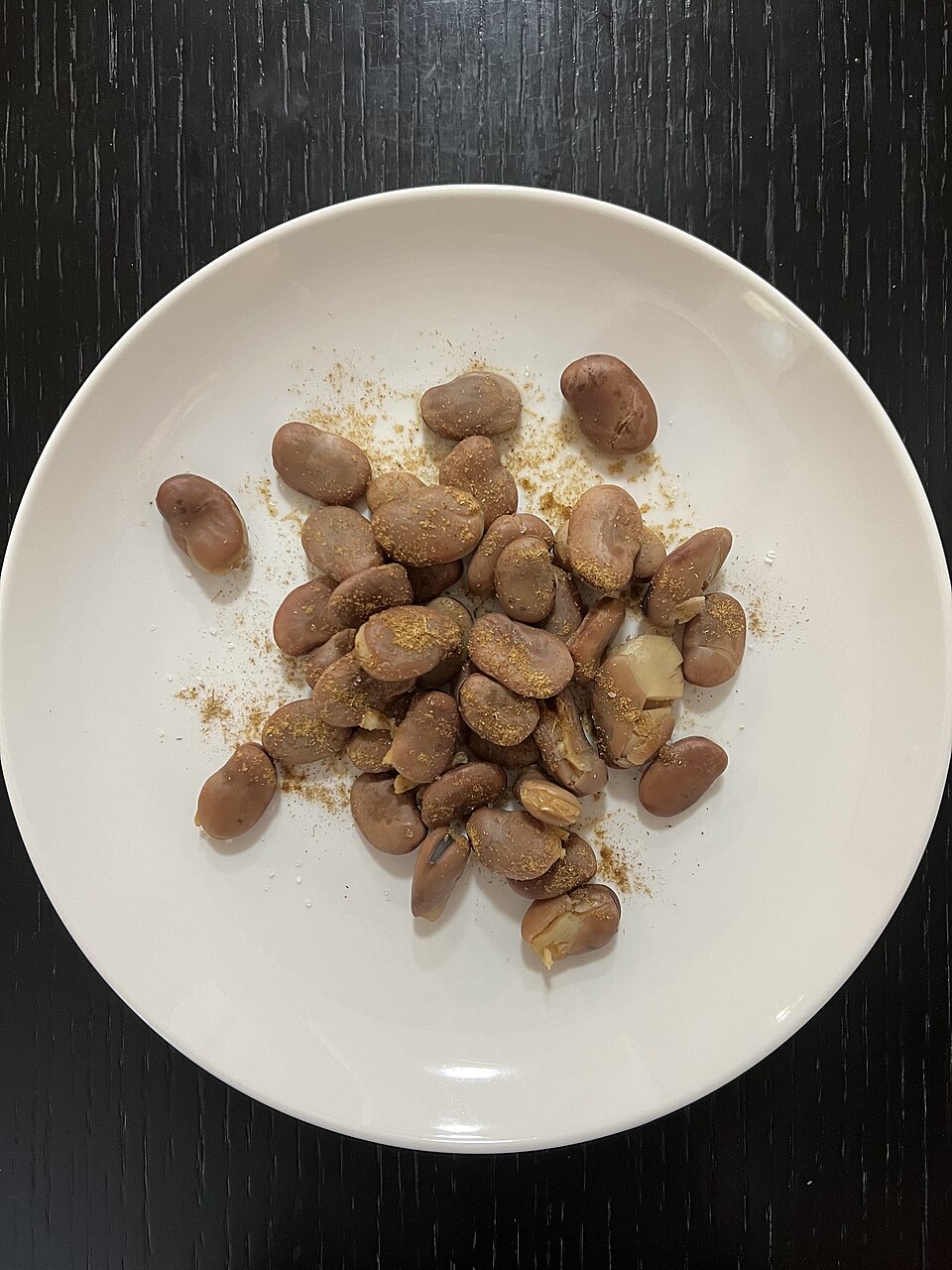
A broad bean with a buttery, creamy texture and slightly bitter aftertaste used in Mediterranean dishes.
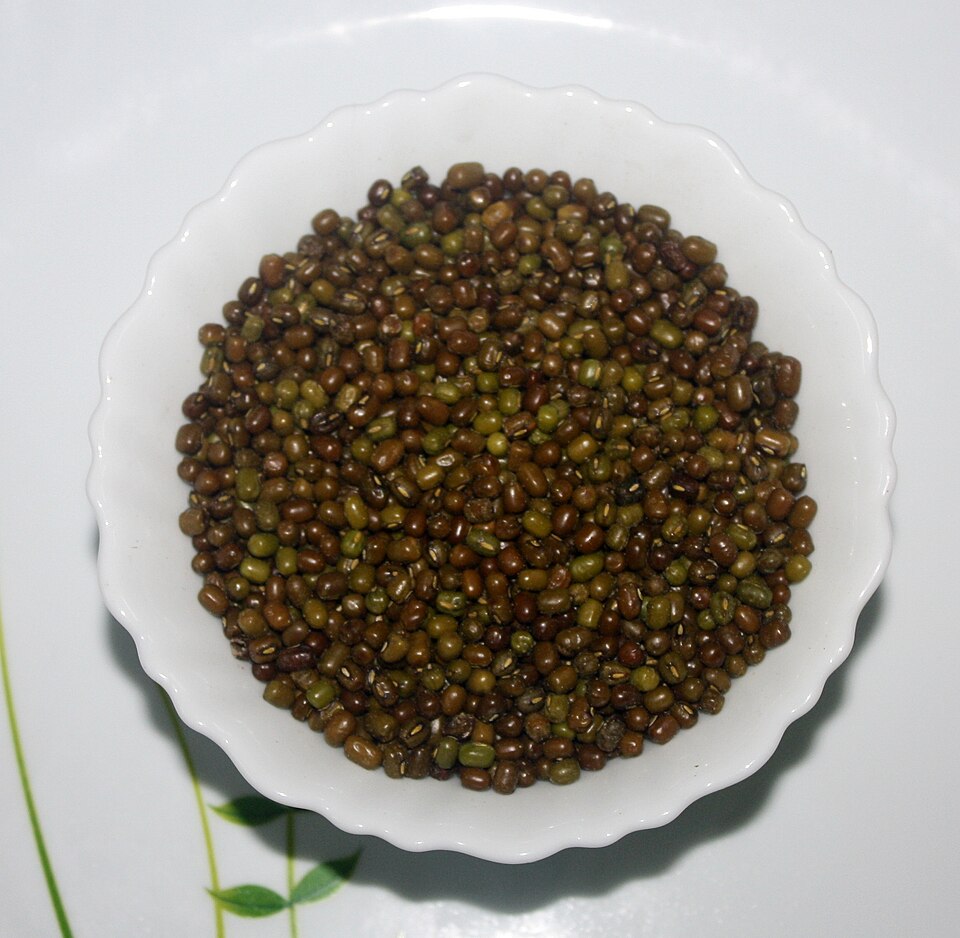
A small, dark brown chickpea variety with a nutty flavor, commonly split and used as chana dal.
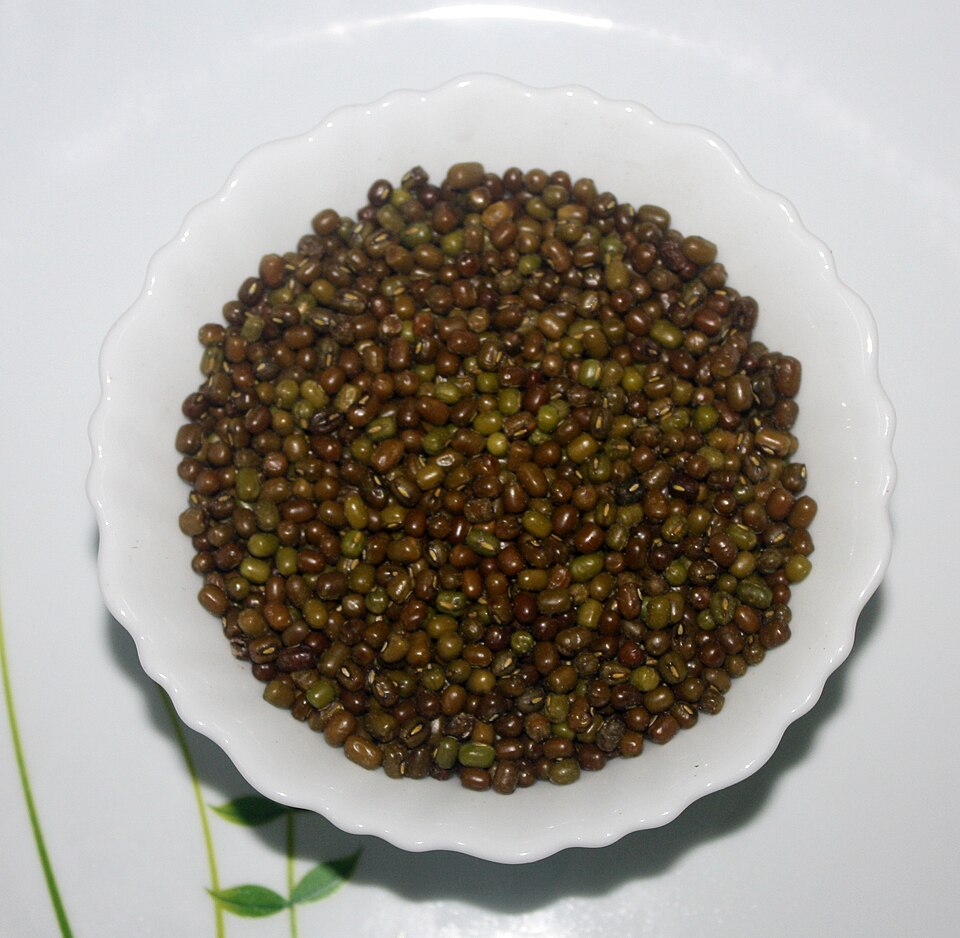
A small, olive-green bean with a mild, sweet flavor, widely used in Indian and East Asian cooking.
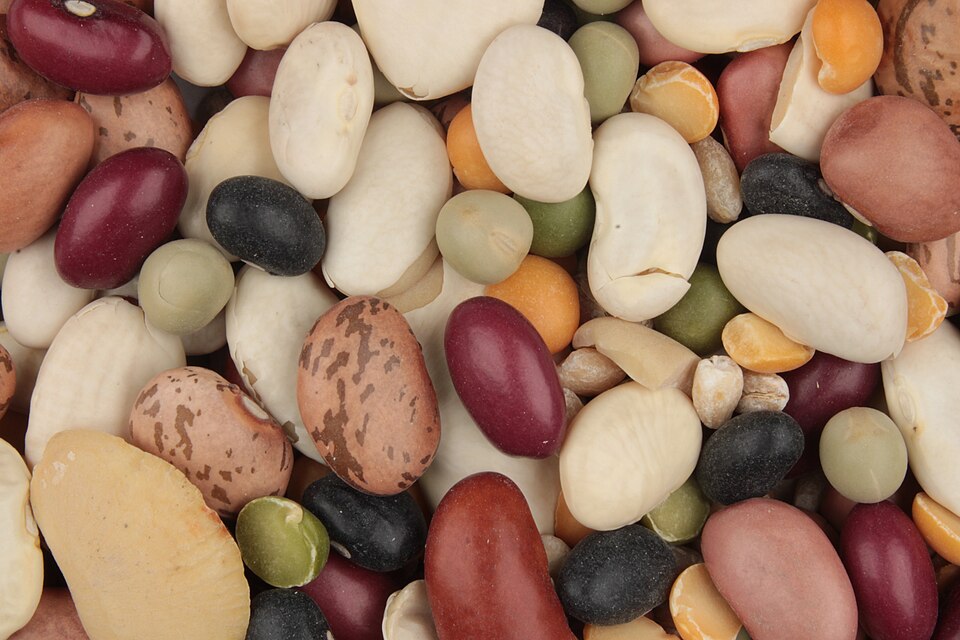
Small, round, sweet green seeds from the pea pod plant, commonly eaten fresh or frozen as a vegetable.
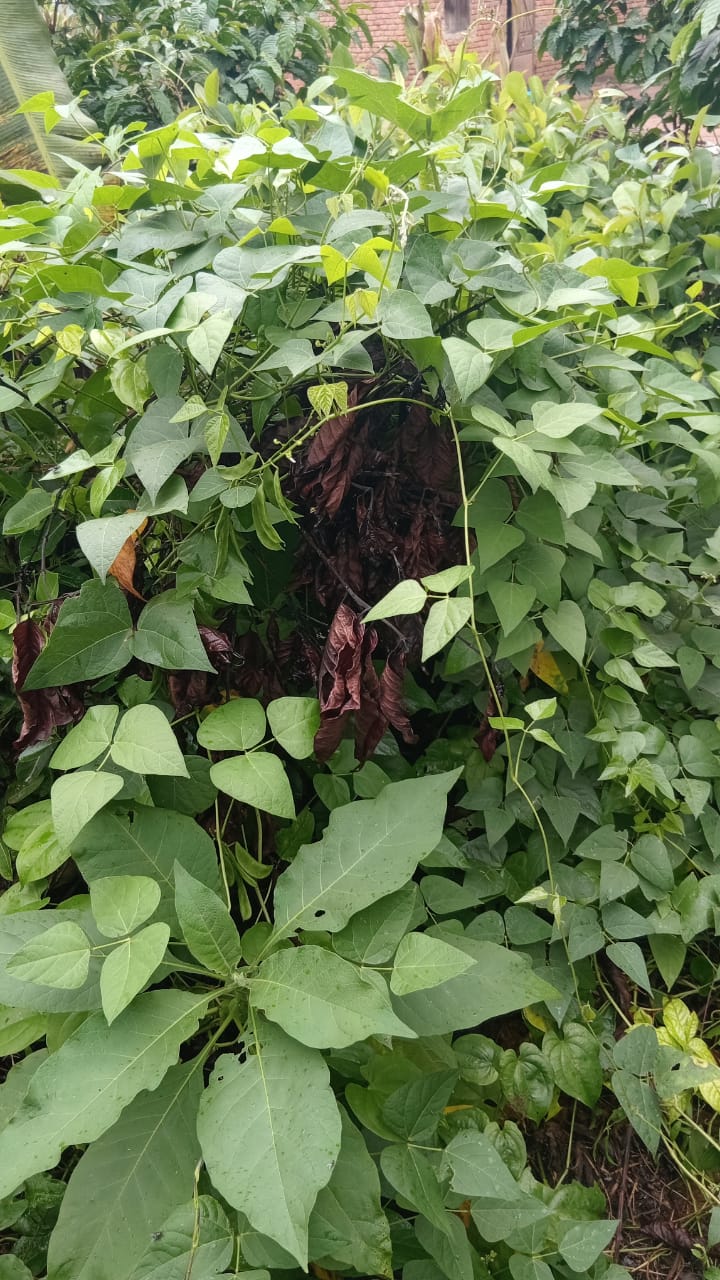
A purple-podded legume with edible beans and flowers, used in Asian and African cuisines.
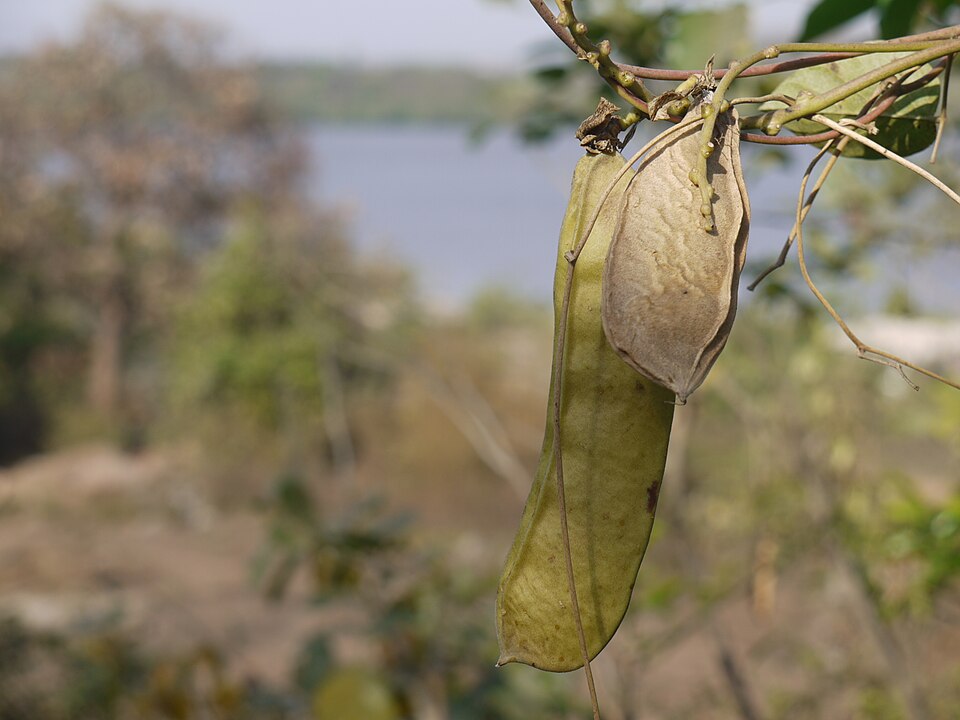
A large-seeded tropical legume with edible pods and seeds, commonly grown as a cover crop.
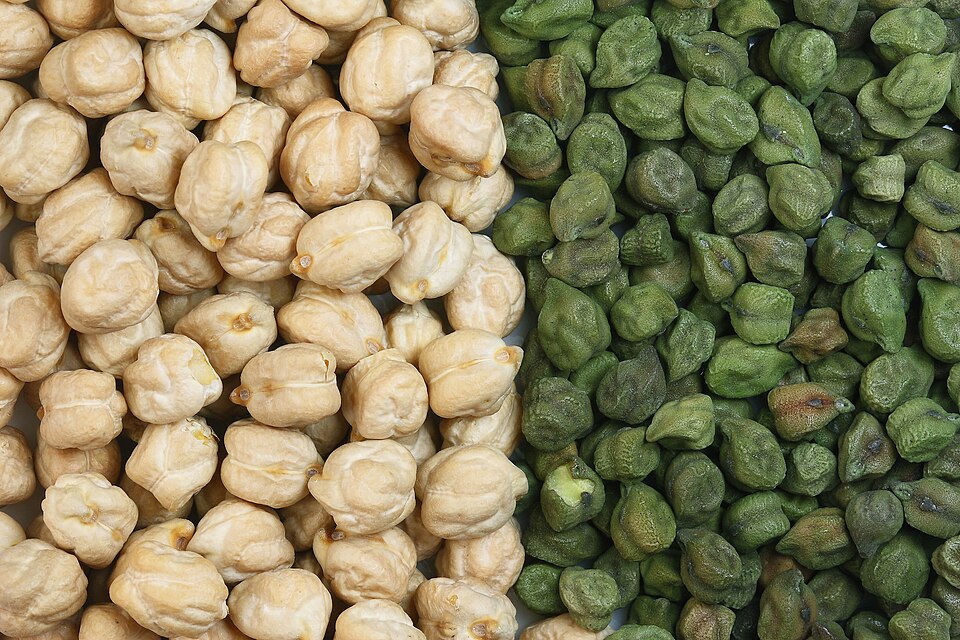
A large, cream-colored chickpea with a mild, buttery flavor commonly used in hummus and salads.
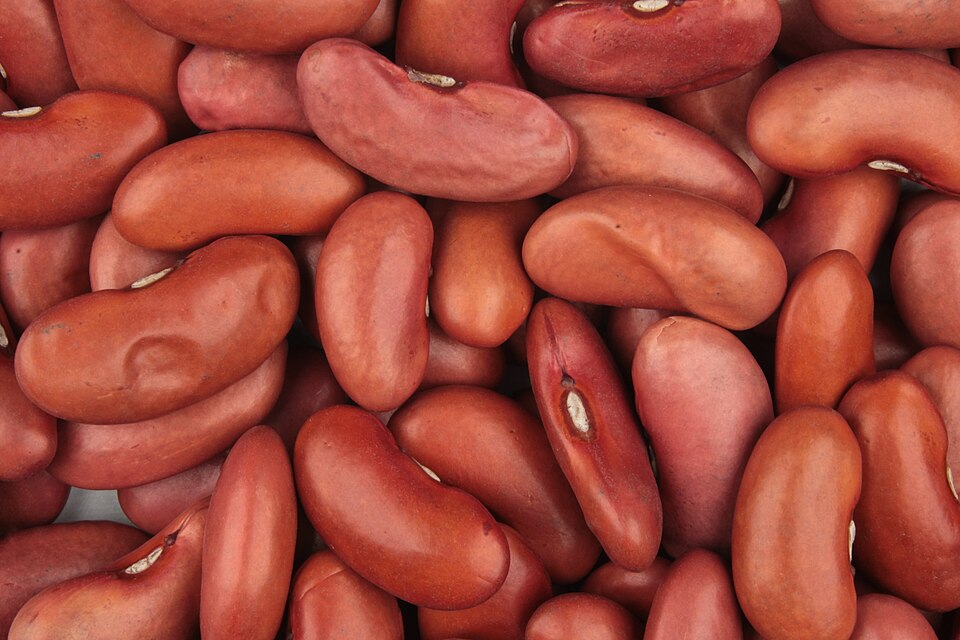
Large, kidney-shaped red beans with a firm texture and earthy flavor used in chili and rice dishes.
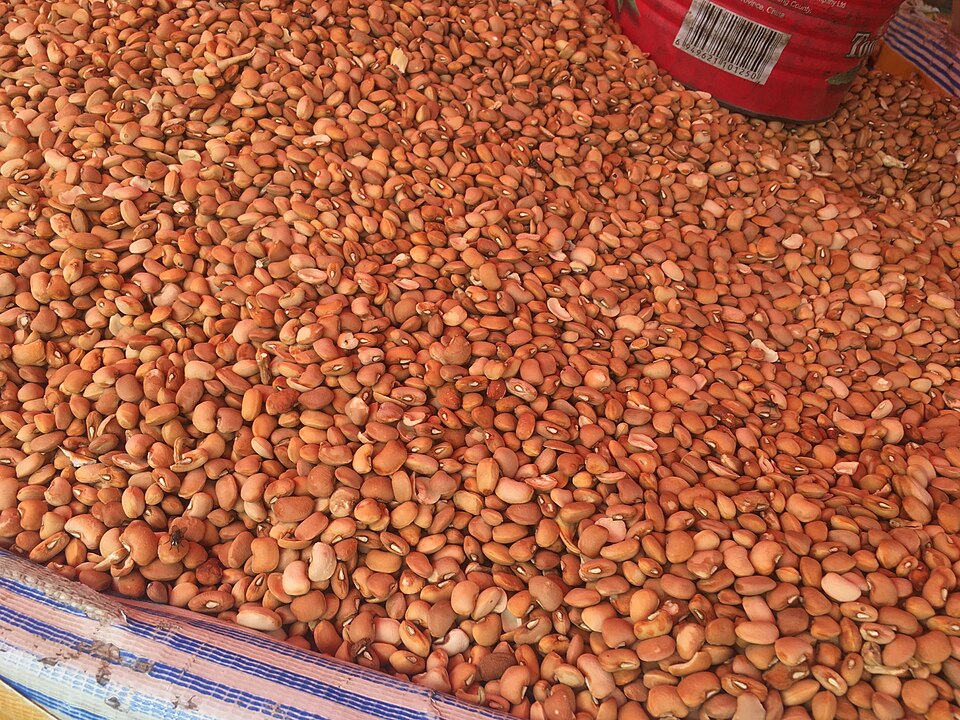
A climbing bean with edible pods and seeds, used in African and Asian cuisines for their protein content.
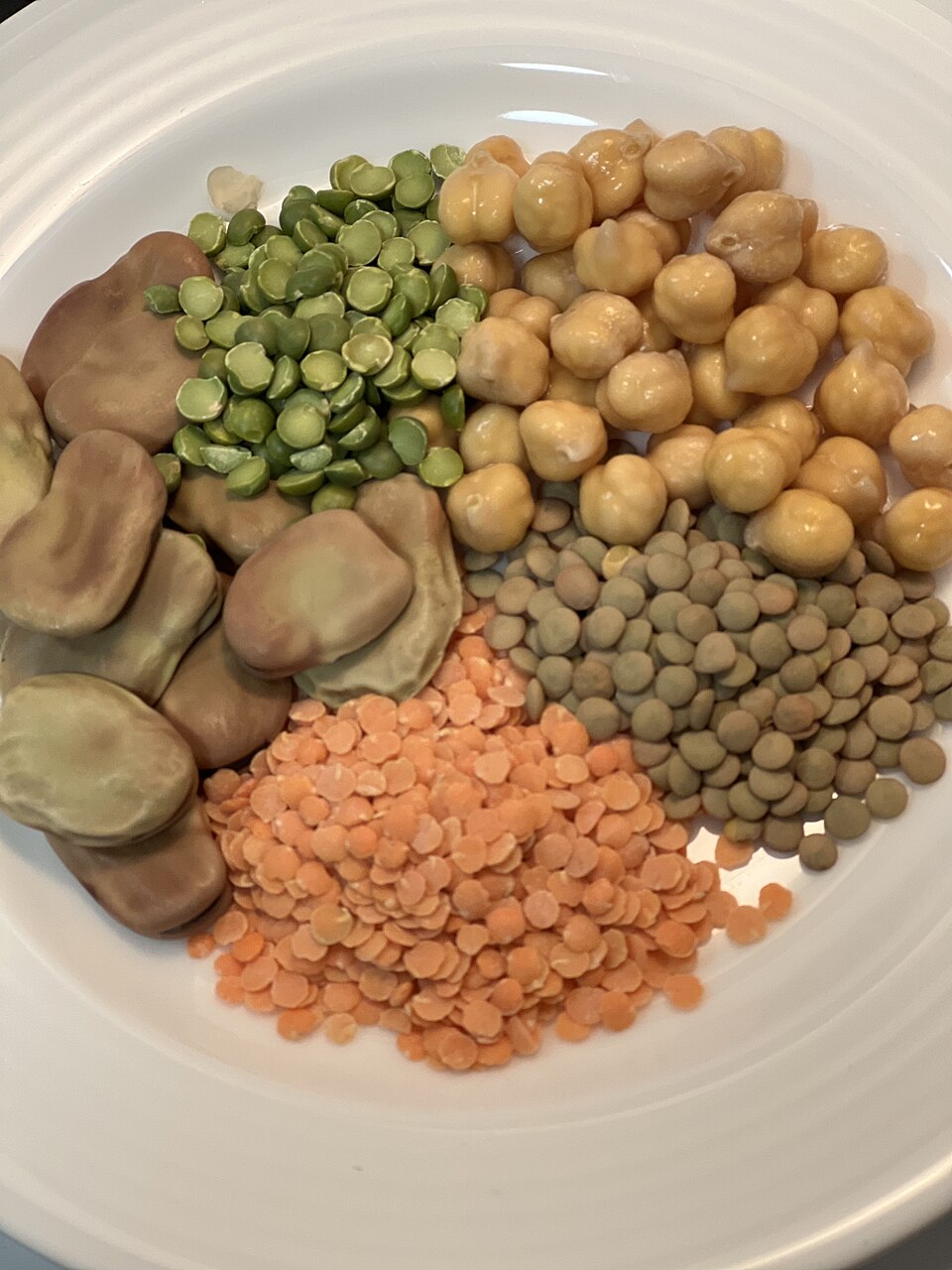
The most common lentil variety with an earthy, mild flavor that holds its shape well when cooked.
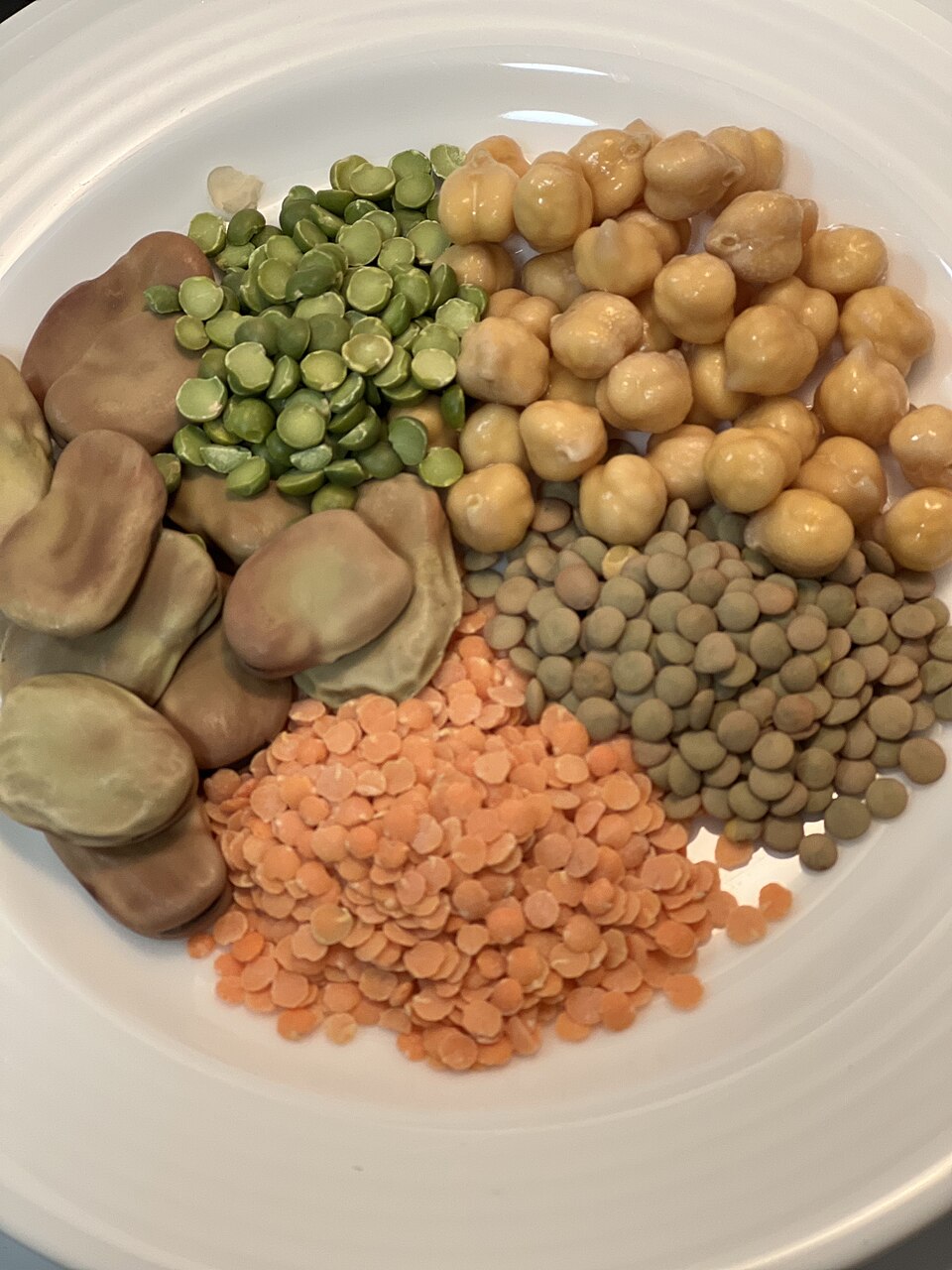
A peppery-tasting lentil that retains its firm texture after cooking, ideal for salads and side dishes.
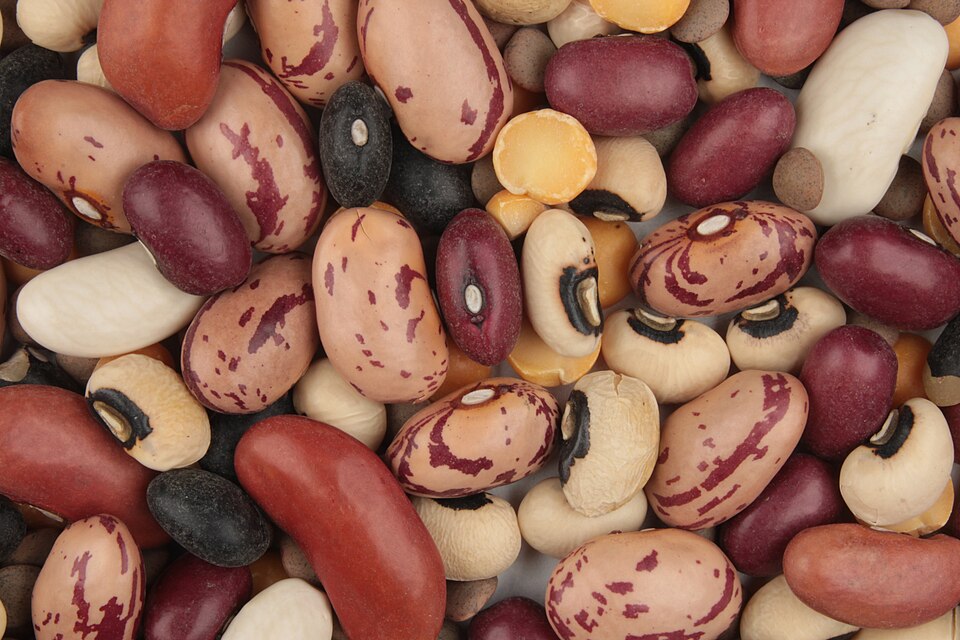
A quick-cooking lentil that breaks down into a soft, golden mash used in soups and dals.
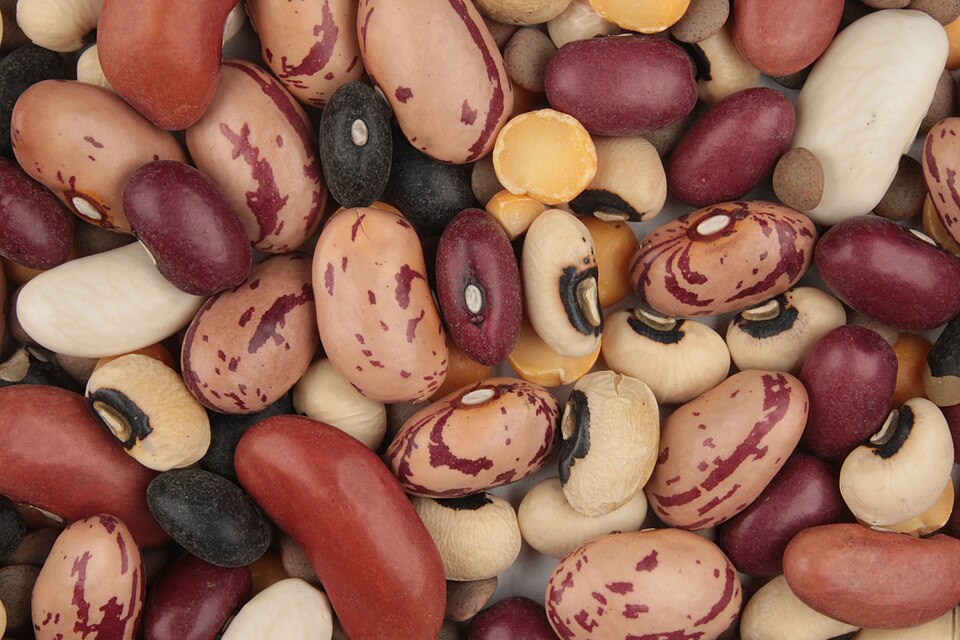
Edible legumes known for their lens-shaped seeds.
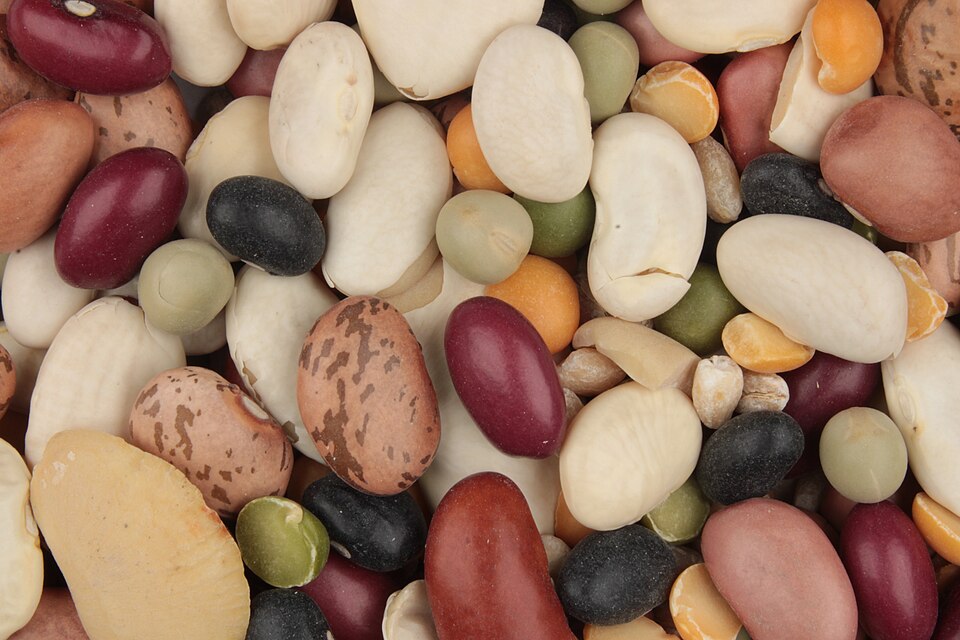
A flat, creamy-green bean with a buttery, starchy texture also known as butter beans.
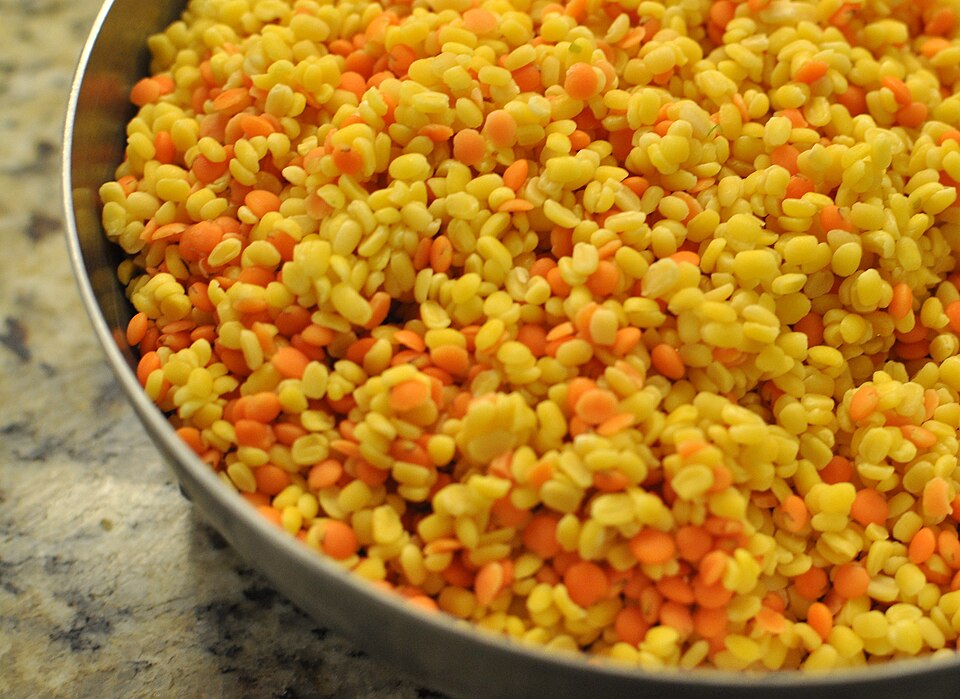
A split, hulled red lentil that cooks quickly into a soft, golden mash used in Indian cuisine.
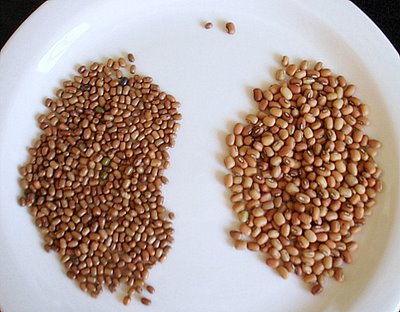
A small, brown-speckled bean commonly sprouted in Indian cuisine for salads and curries.
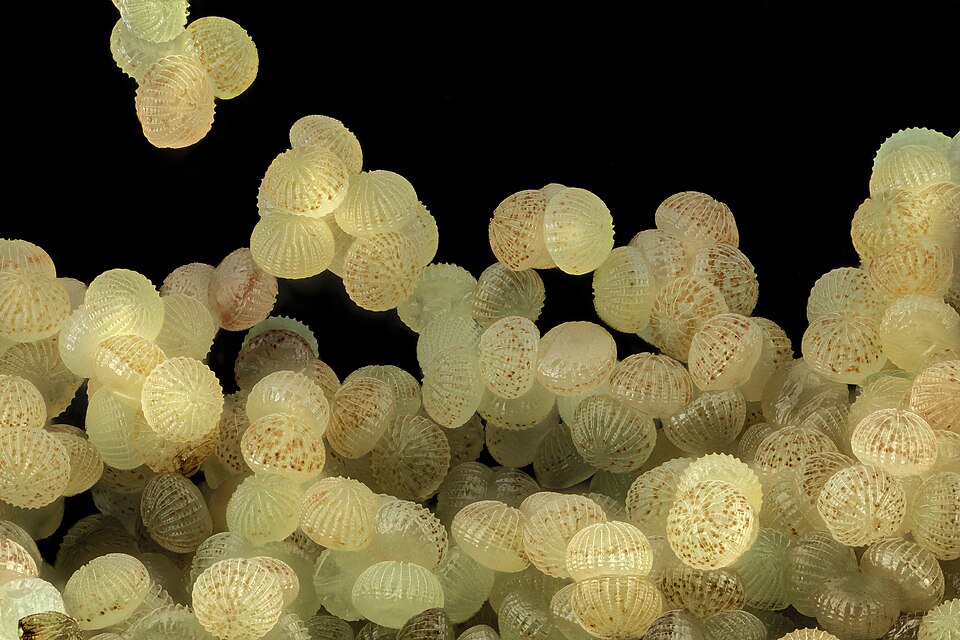
A small, drought-resistant bean with a nutty flavor, commonly sprouted or used in Indian curries.
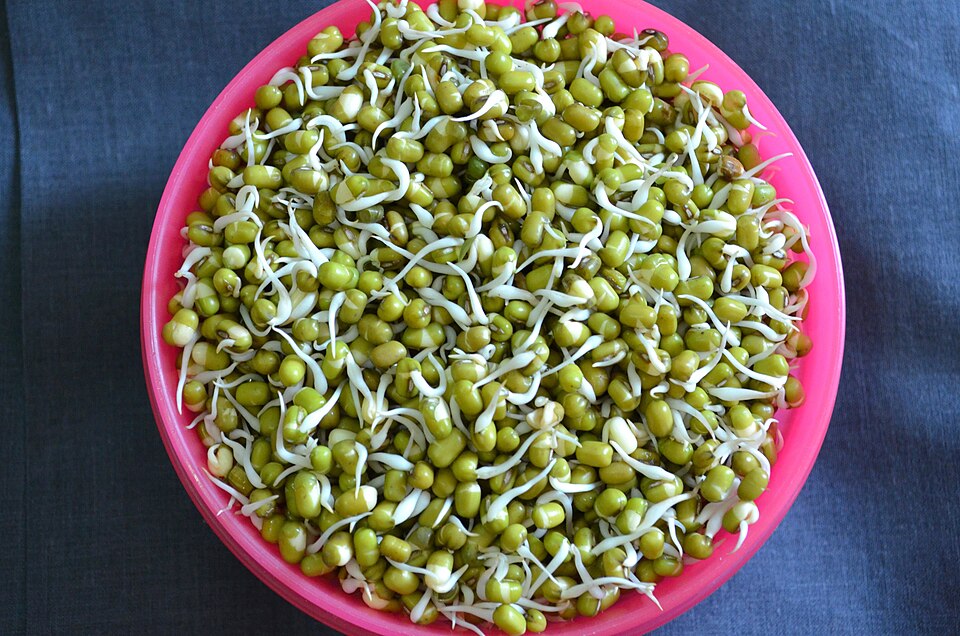
Crunchy, white sprouts from germinated mung beans, commonly used in stir-fries and salads.
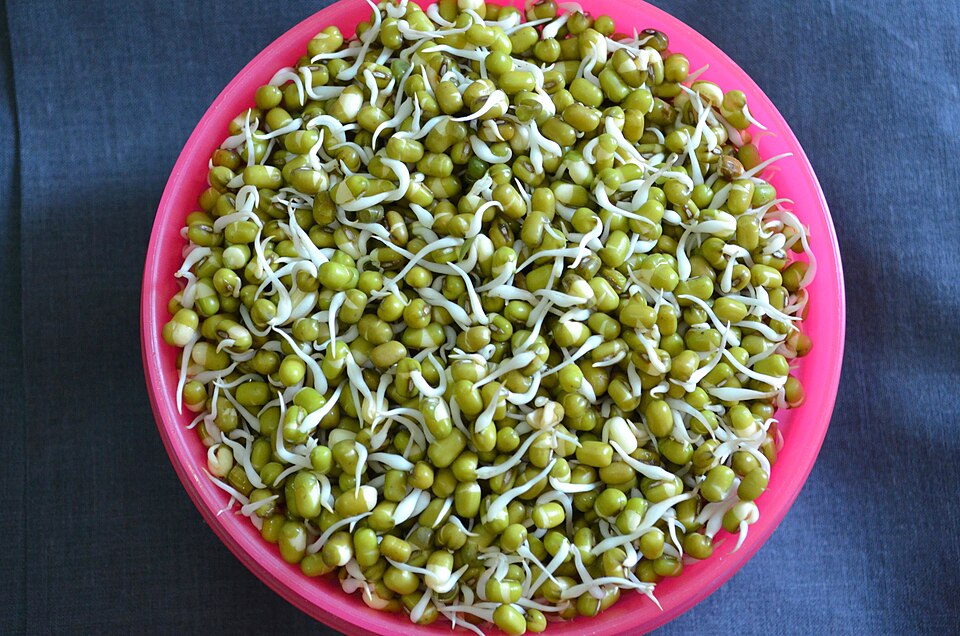
Small, green beans with a mild, sweet flavor used whole or split in Indian dals and East Asian desserts.
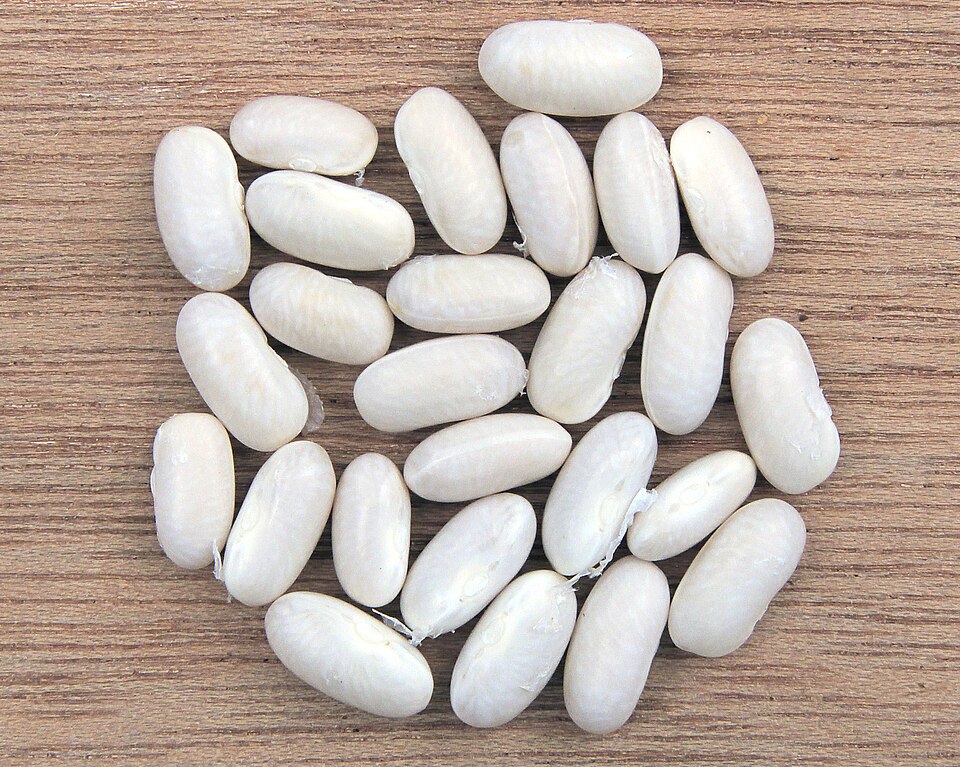
Small, white, oval beans with a mild, delicate flavor commonly used in baked beans and soups.

A small, oval legume with a nutty flavor and firm texture, commonly used in Indian dals and Caribbean stews.
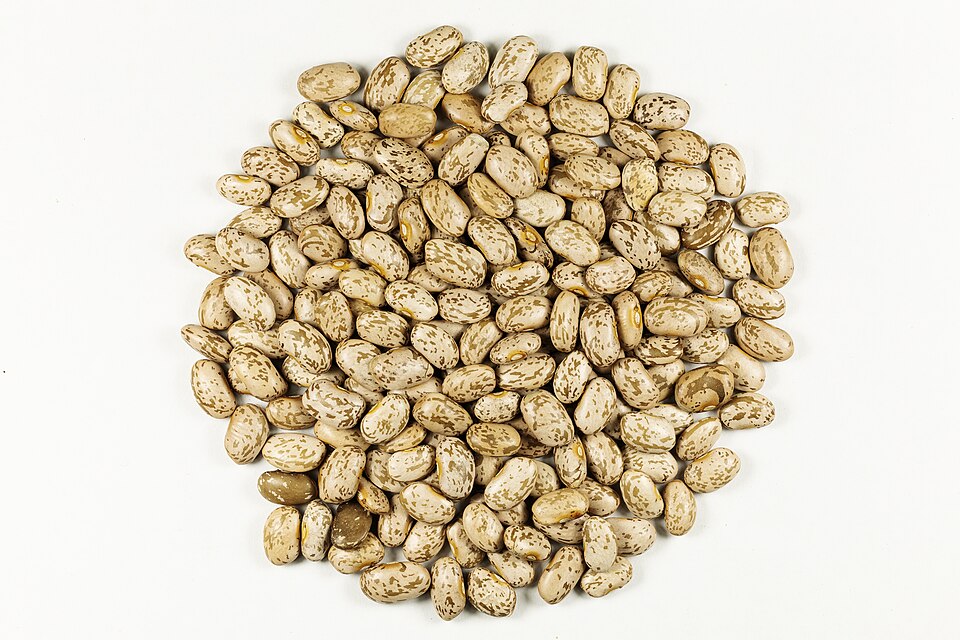
A beige-speckled bean that turns pink when cooked, with a creamy texture popular in refried beans.

A small, white bean similar to adzuki, commonly grown in Asian countries for their edible seeds.
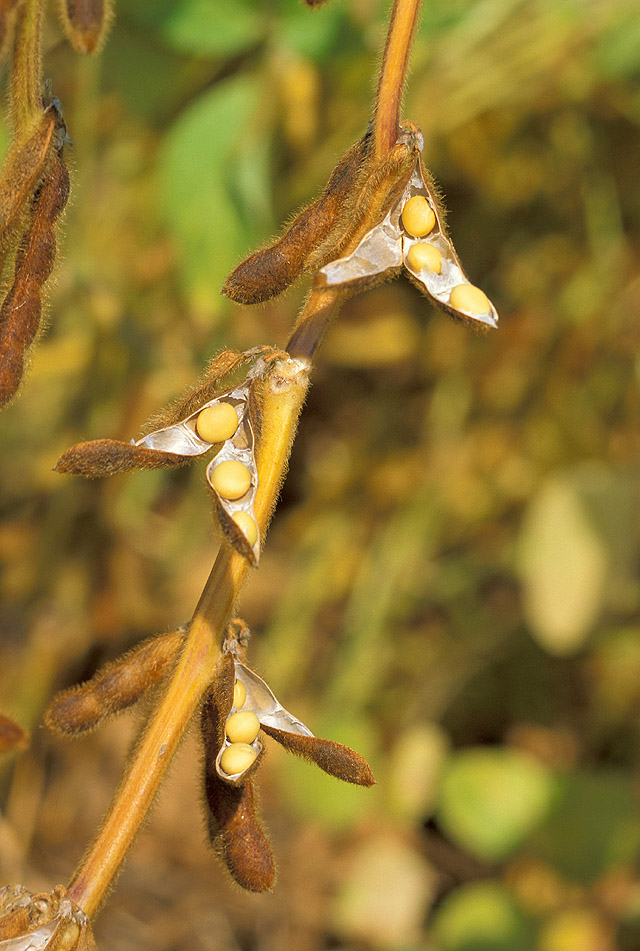
A high-protein, versatile legume used to make tofu, tempeh, soy milk, and edamame.
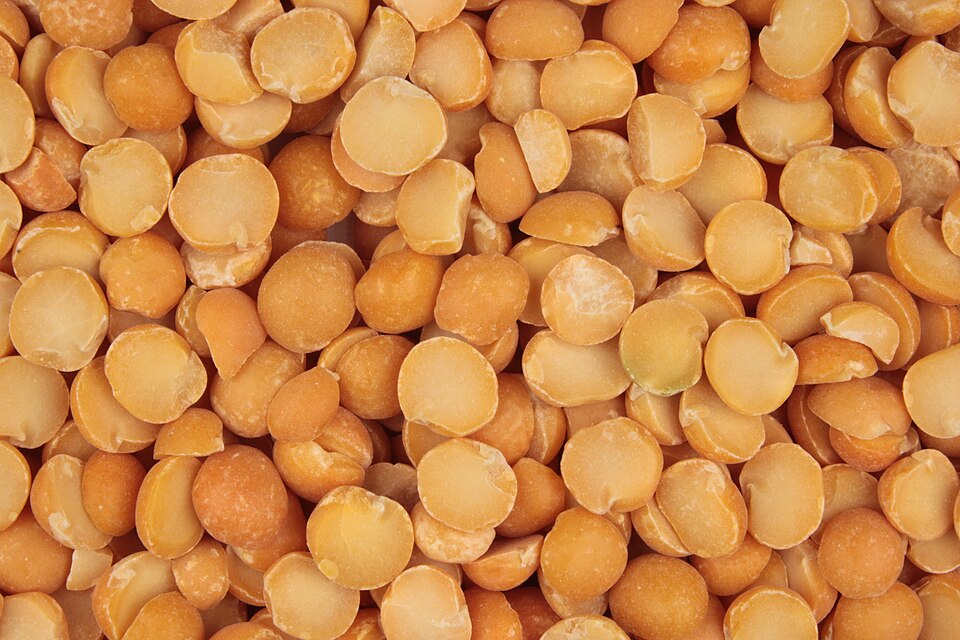
Dried, split green peas with a mild, earthy flavor that break down into a thick, hearty soup.
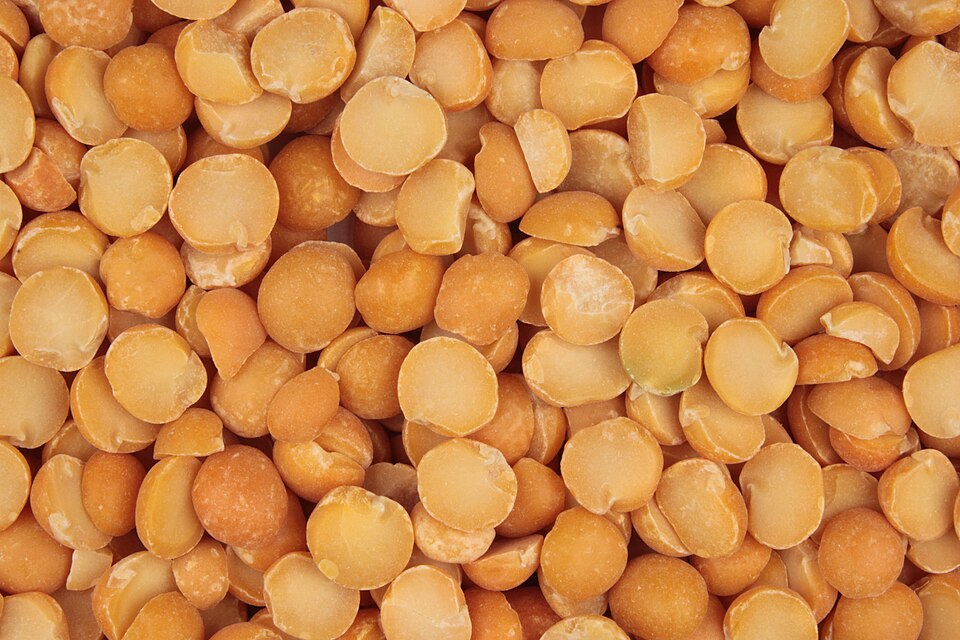
Dried, split yellow peas with a mild, slightly sweet flavor used in soups and Indian dals.
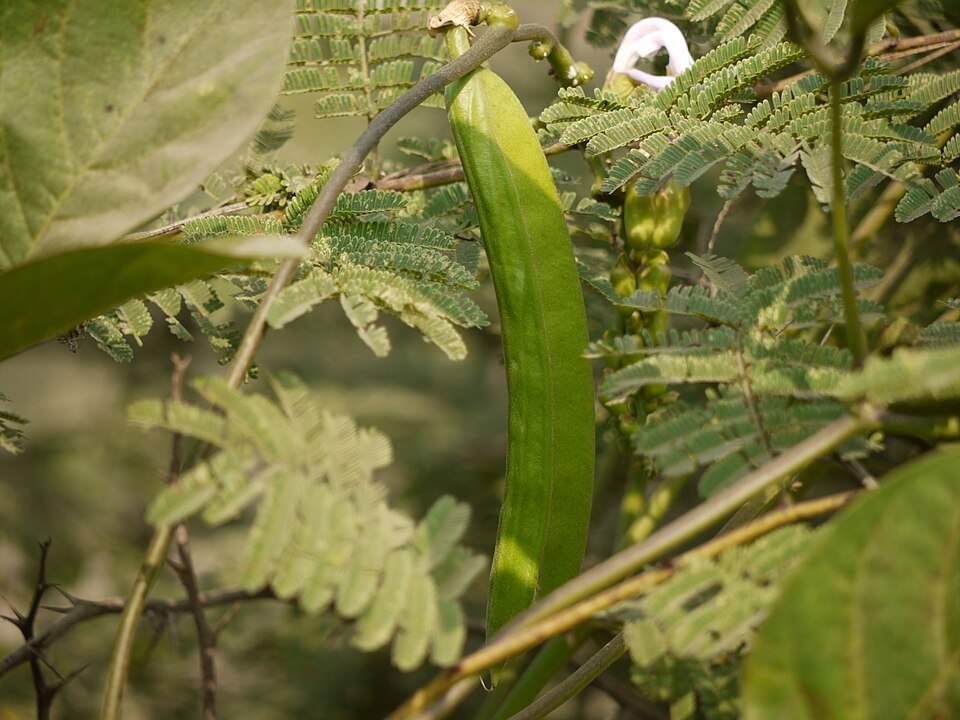
A large, flat bean pod with a flavor similar to green beans, popular in Asian cuisines.
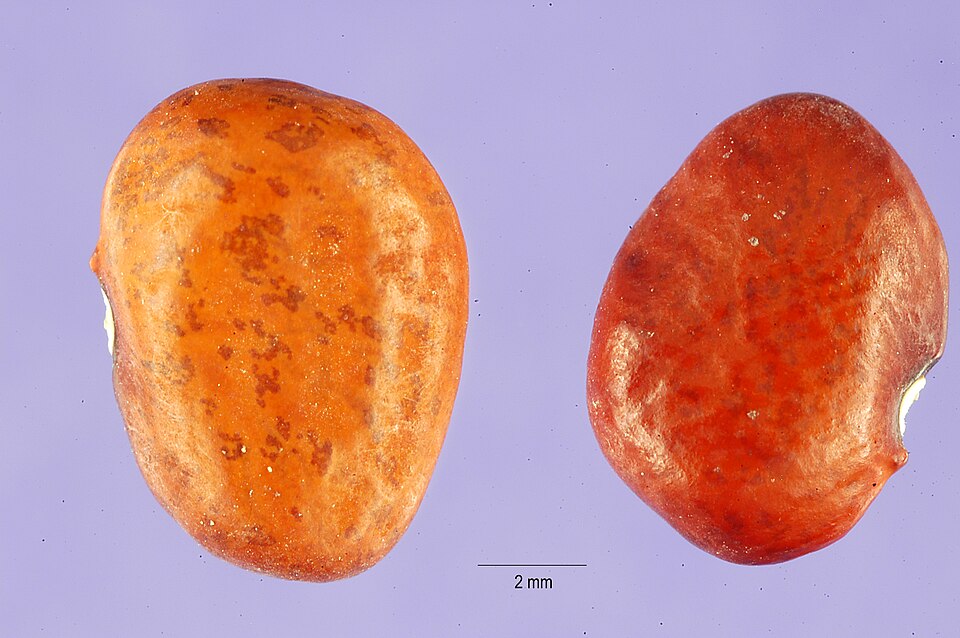
A drought-resistant bean native to the Southwest US with a sweet, chestnut-like flavor.
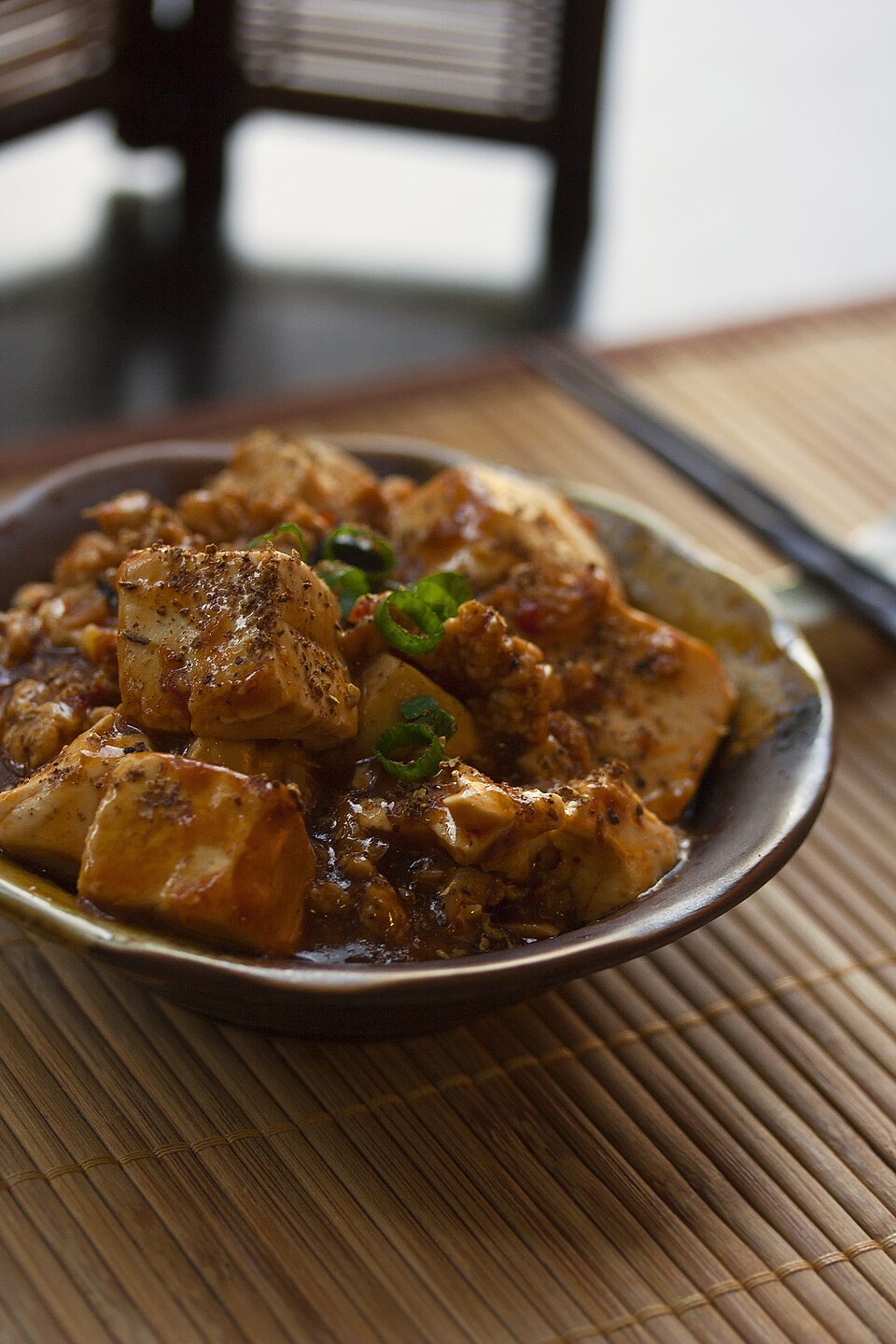
A soft, protein-rich soybean curd with a neutral flavor that absorbs marinades and seasonings well.
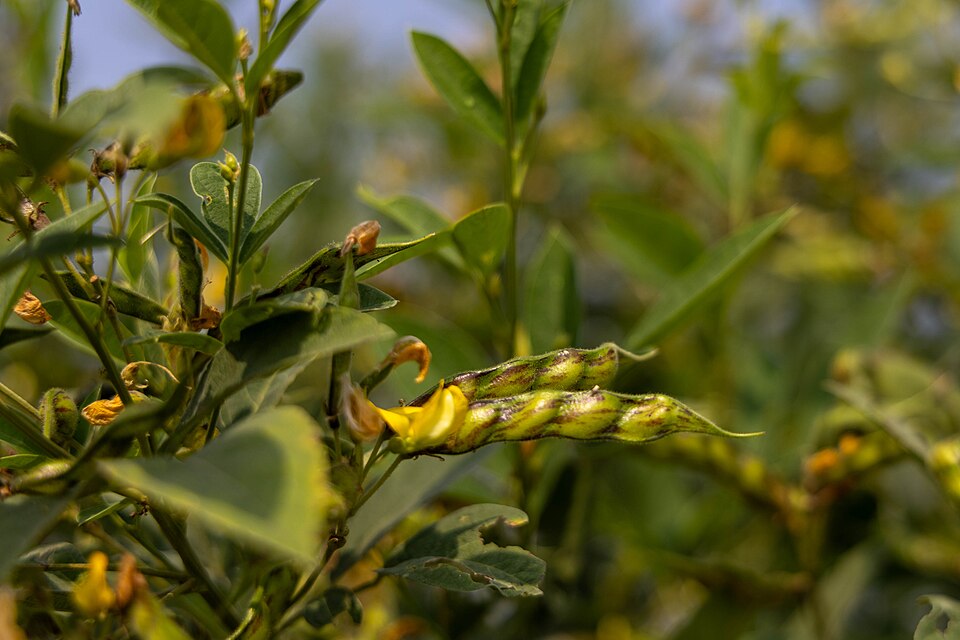
A split, hulled pigeon pea with a mild, earthy flavor, a staple lentil in Indian households.
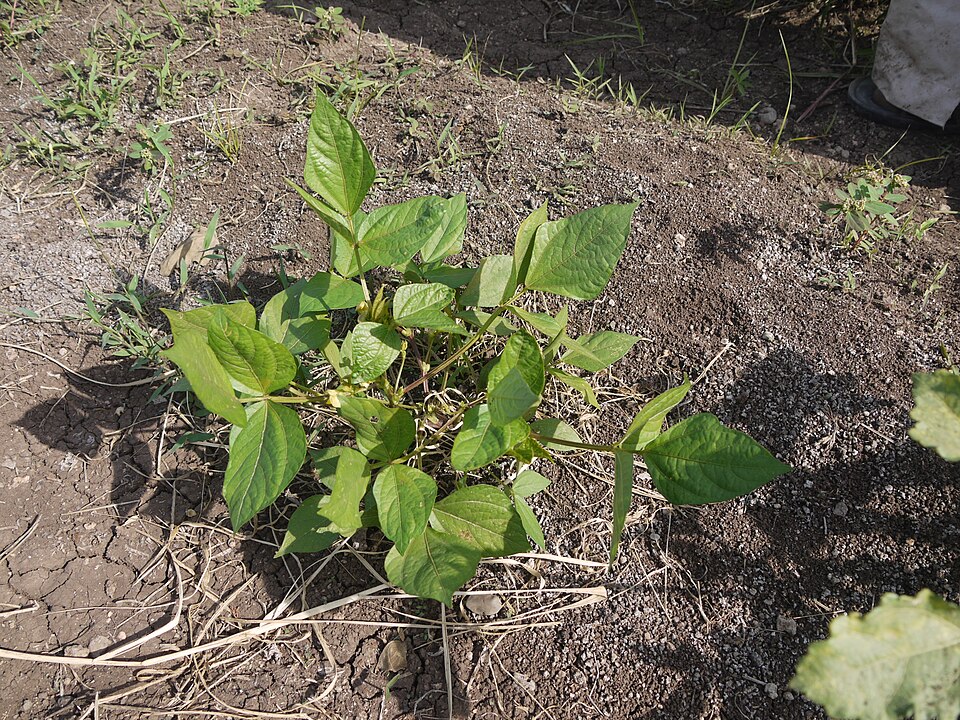
A black-skinned bean with a white interior, used whole or split in Indian dals and dosa batter.

A large, flat bean with a meaty texture used in Indian and Southeast Asian culinary preparations.

A climbing legume with velvety pods, valued for their nutritional profile and medicinal uses.
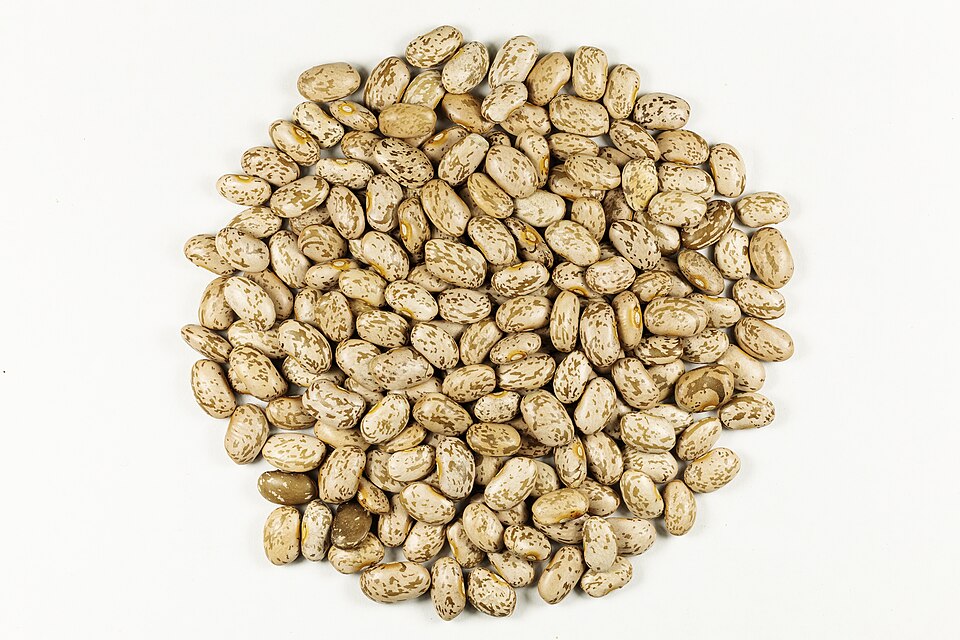
A large, creamy white bean with a nutty, mild flavor used in Italian minestrone and salads.
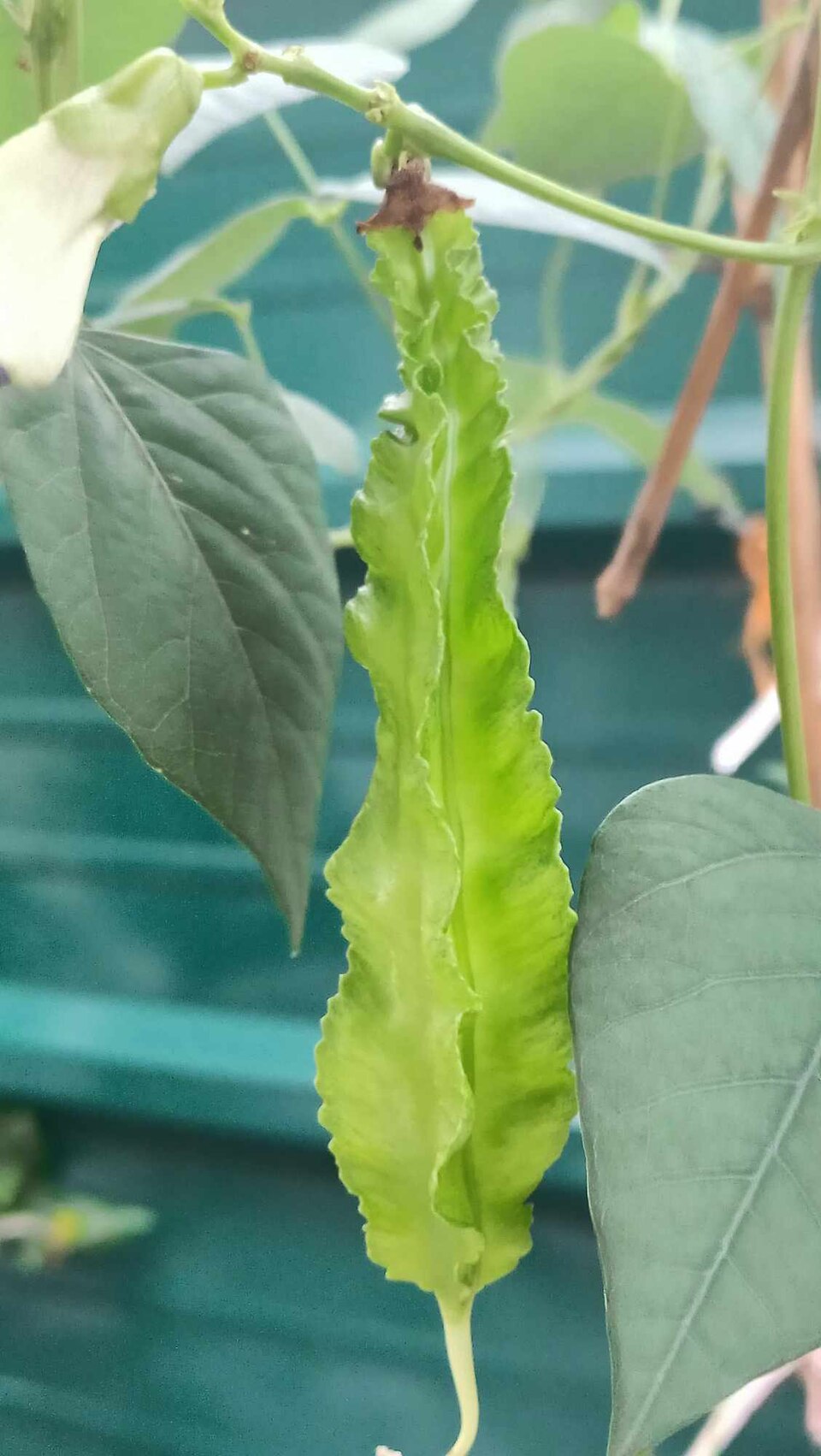
A four-angled bean with a flavor similar to asparagus, all parts of which are edible.
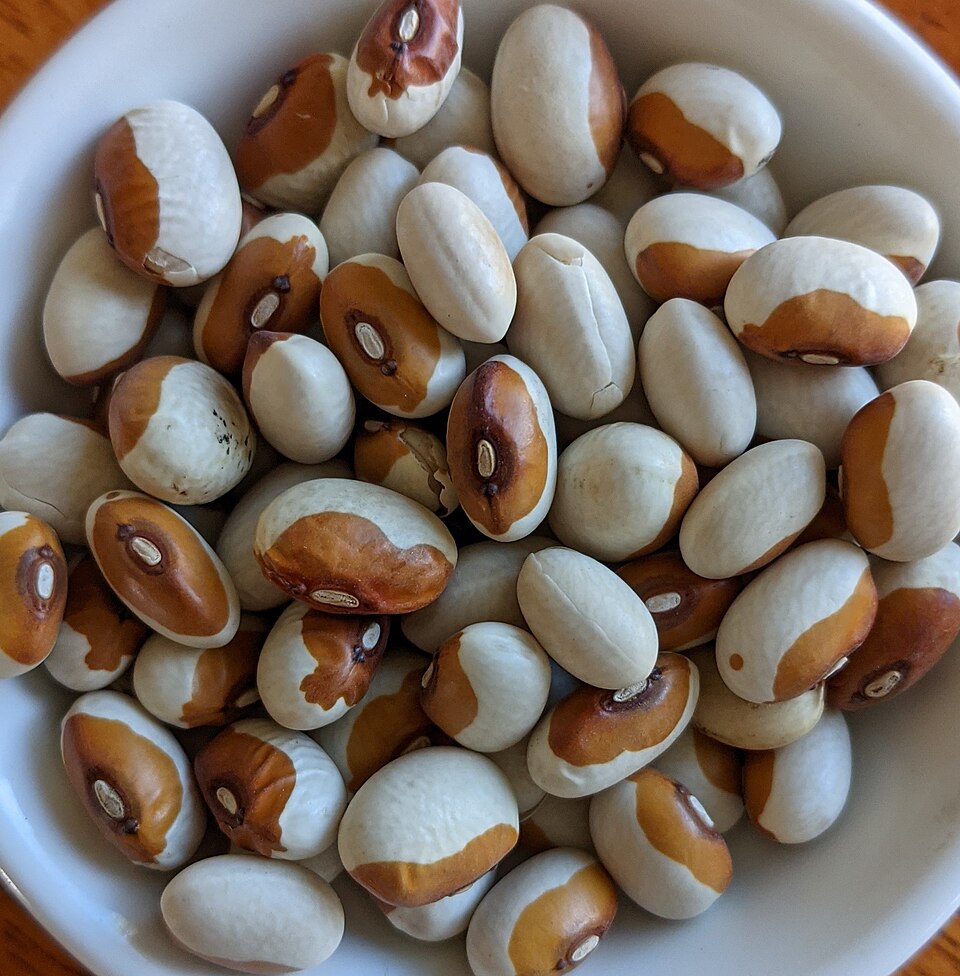
A tender, golden-yellow bean pod variety with a mild, sweet flavor used fresh or pickled.
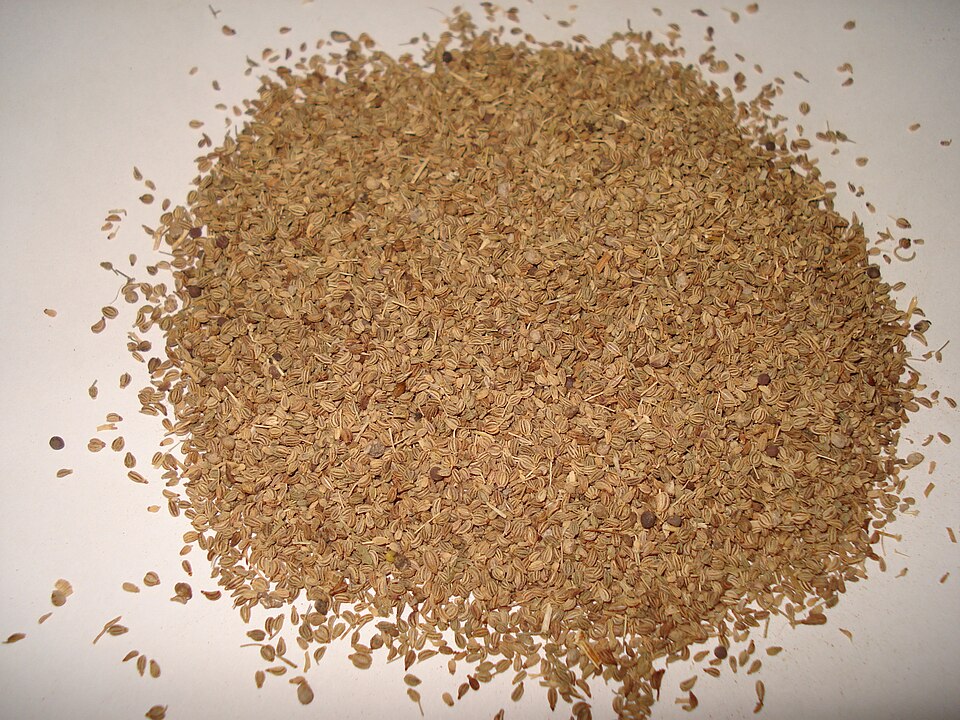
A seed-like fruit with a strong thyme-like flavor used in Indian cooking and digestive remedies.
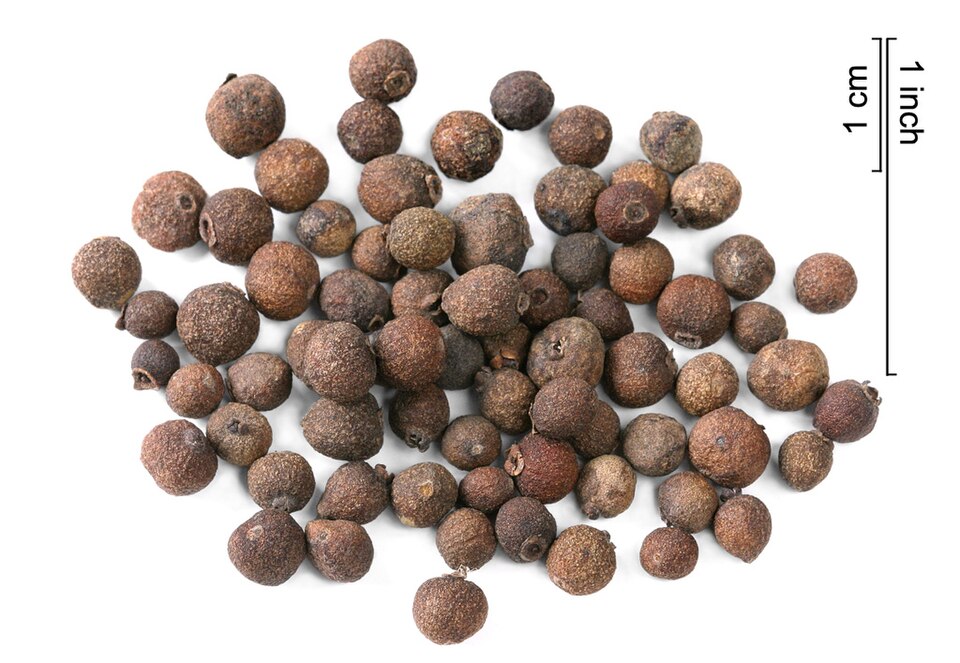
A dried berry combining flavors of cinnamon, clove, nutmeg, and pepper, used in baking and savory dishes.
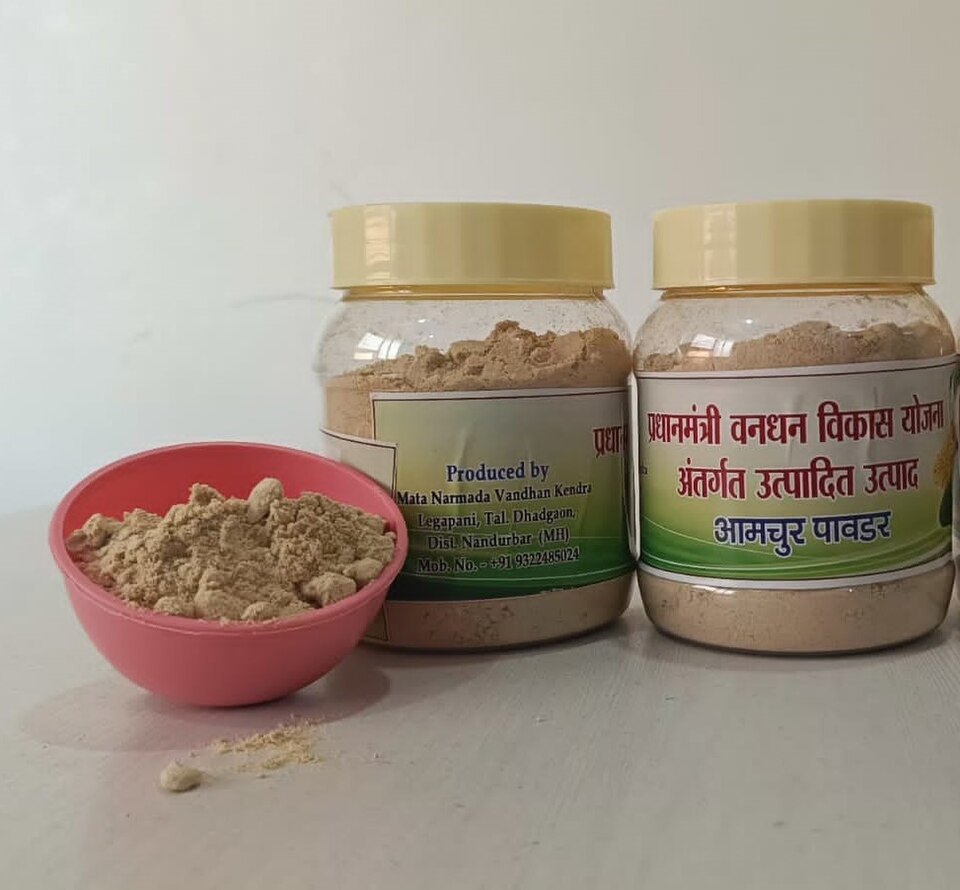
A tangy powder made from dried unripe green mangoes used as a souring agent in Indian cuisine.
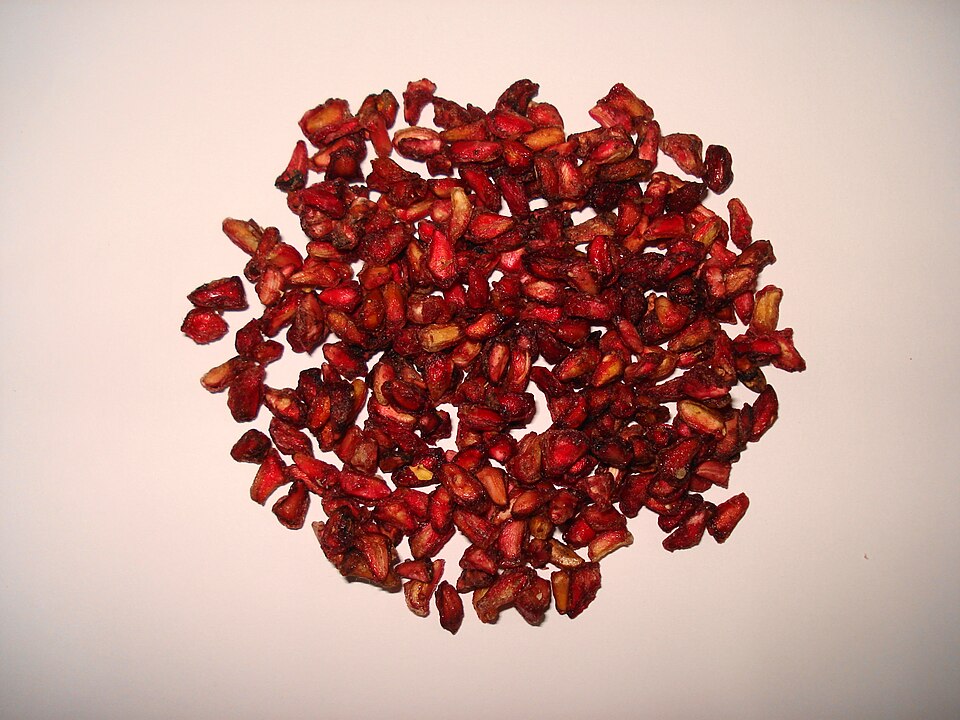
Dried pomegranate seeds used as a souring and flavoring agent in Indian and Middle Eastern dishes.
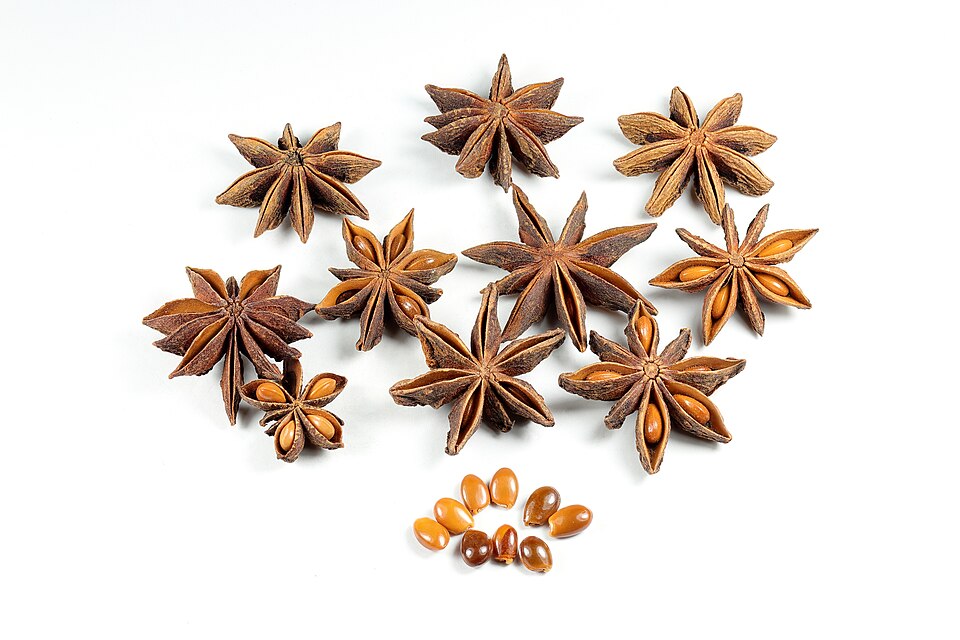
A small seed with a strong licorice flavor used in baking, liqueurs, and digestive teas.
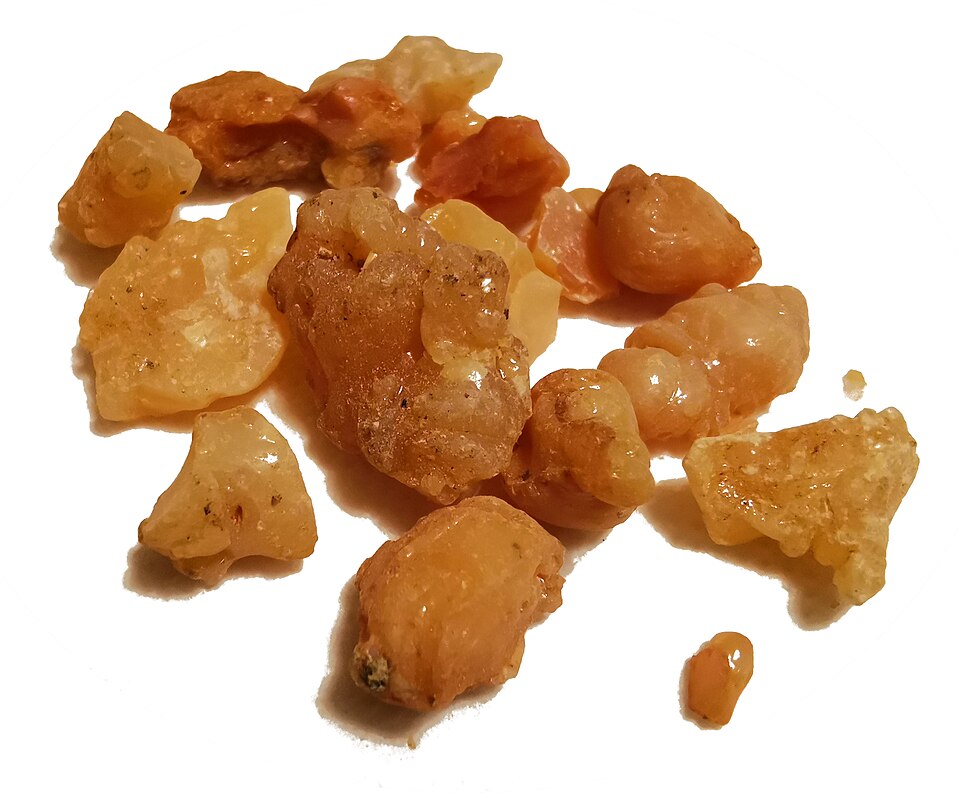
A pungent resin used as a digestive aid and flavor enhancer in Indian vegetarian cooking.
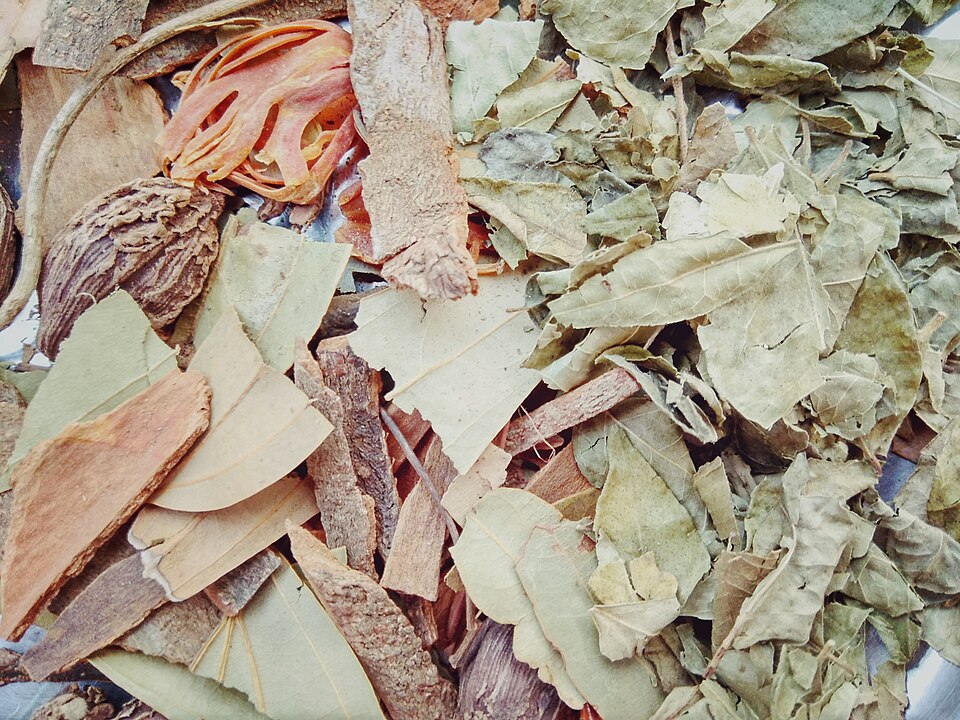
An aromatic leaf from the laurel tree used to flavor soups, stews, and braised dishes.
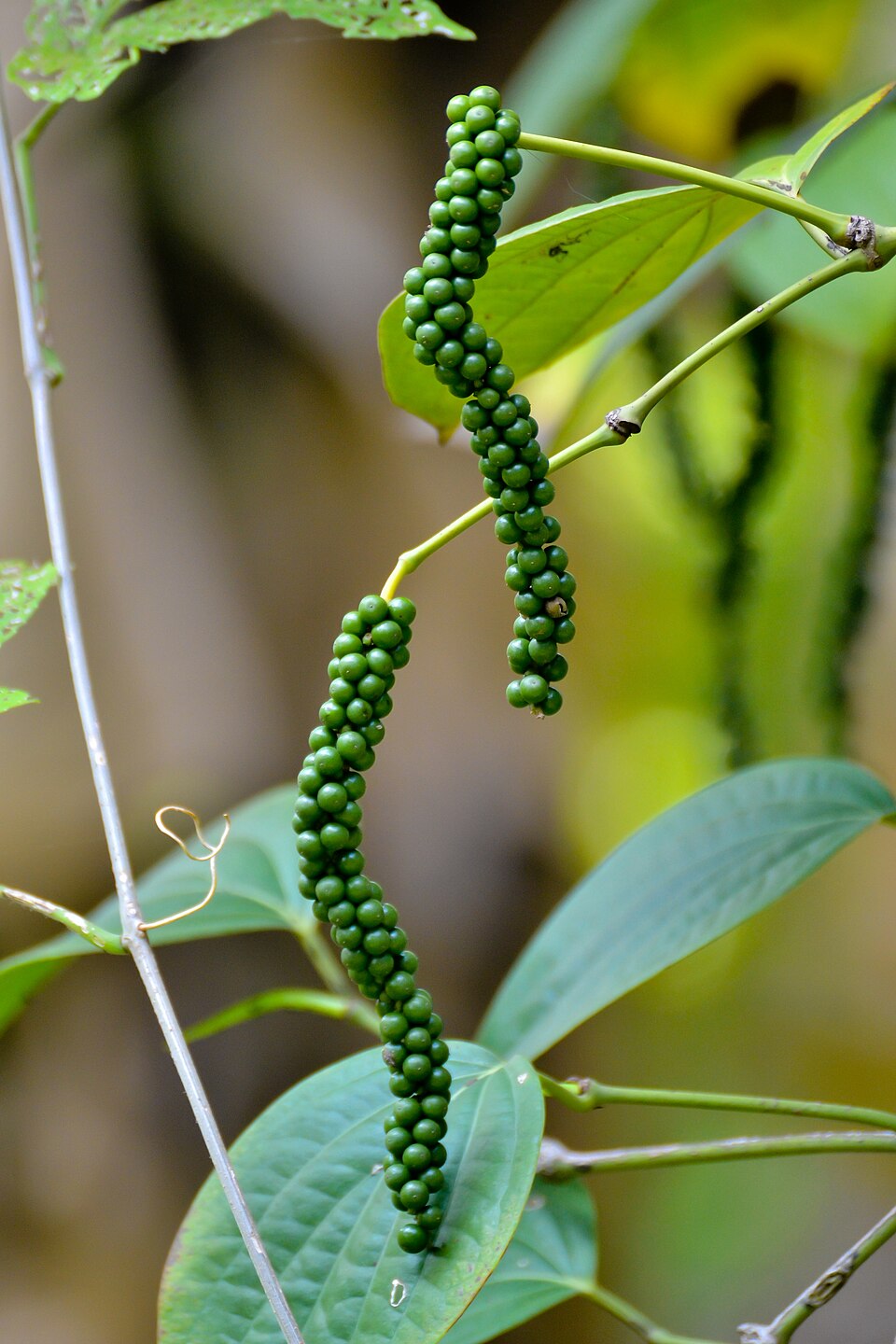
A pungent spice made from dried peppercorns, widely used as a table seasoning and flavor enhancer.
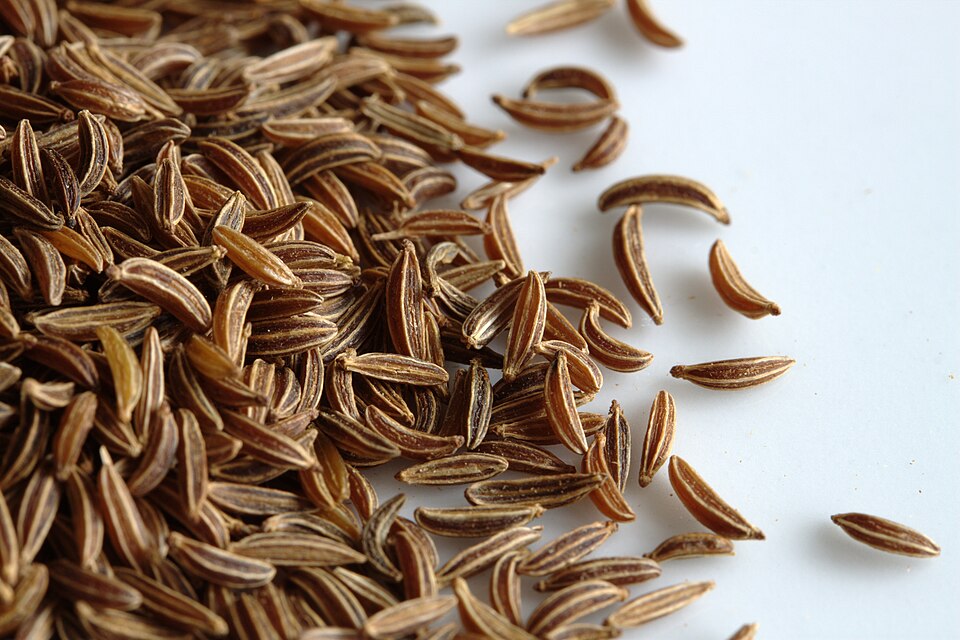
A crescent-shaped seed with a warm, anise-like flavor used in rye bread, sauerkraut, and liquors.
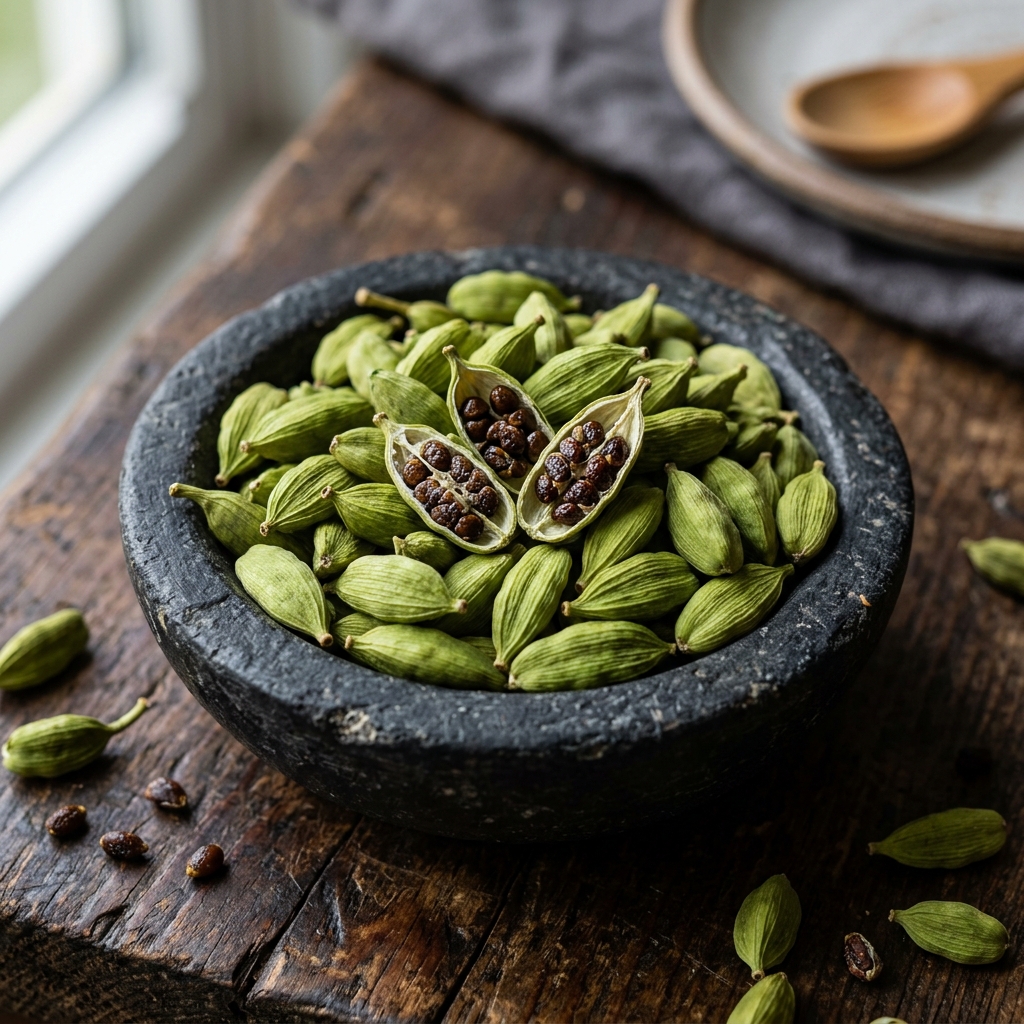
A highly aromatic pod spice with a sweet, floral flavor used in chai, baking, and curries.

A thick-barked cinnamon variety with a strong, pungent flavor commonly used in baking and cooking.
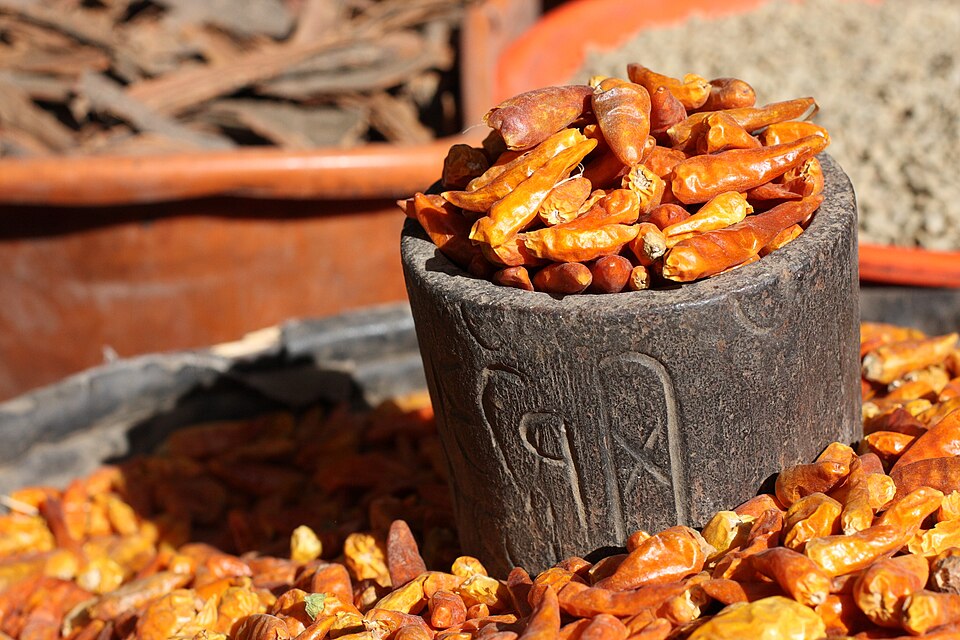
A hot chili pepper used to spice dishes and for its capsaicin-based pain relief properties.
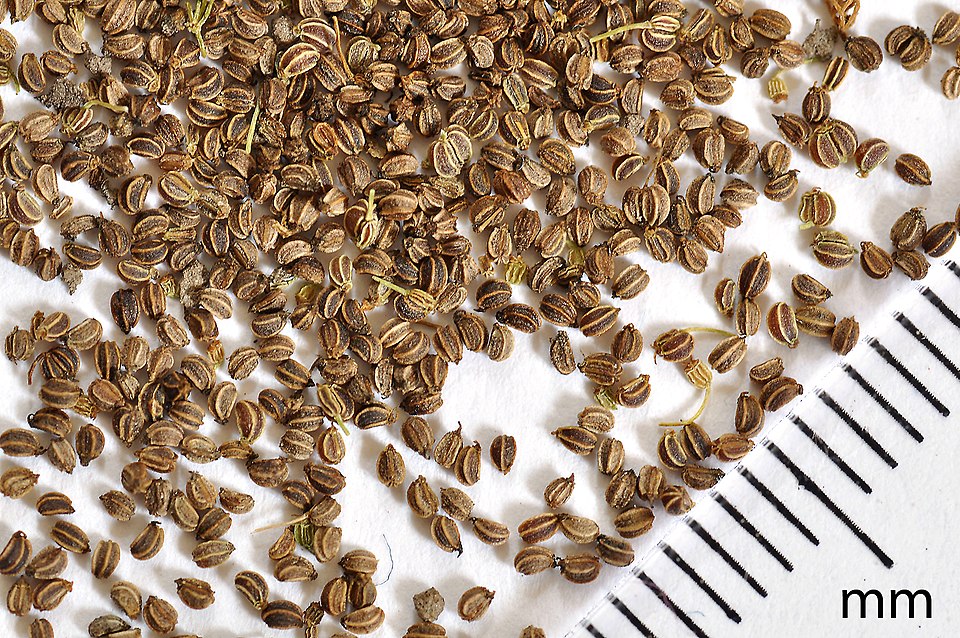
A tiny brown seed with a strong celery flavor used in pickling, coleslaw, and spice blends.
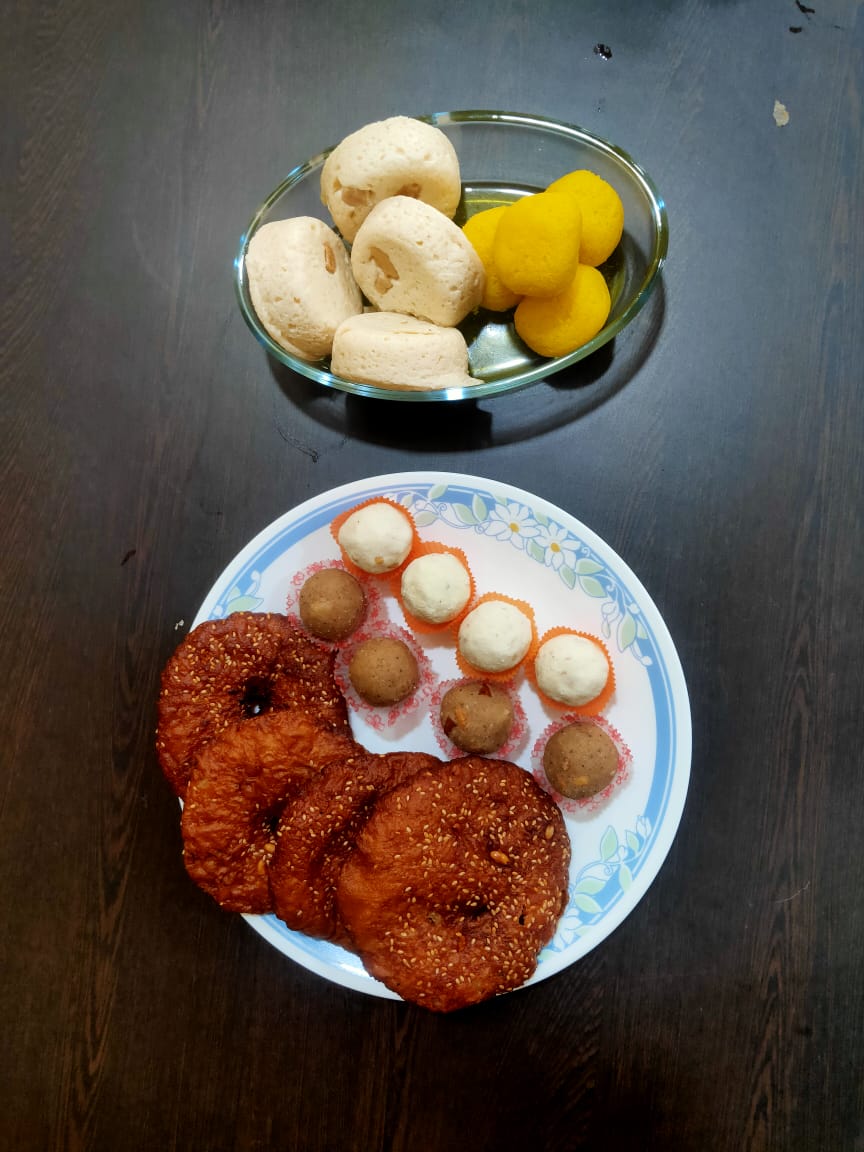
A fresh Indian cheese used as a base for desserts and savory dishes.
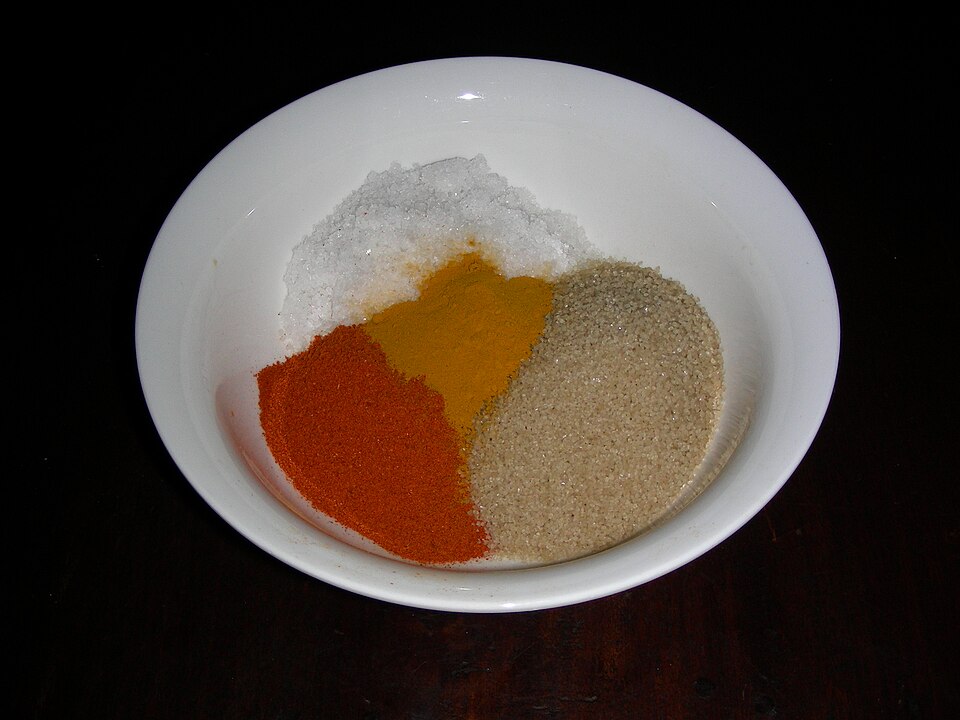
A ground blend of dried chilies and spices used to add heat and color to Mexican and Indian cuisines.
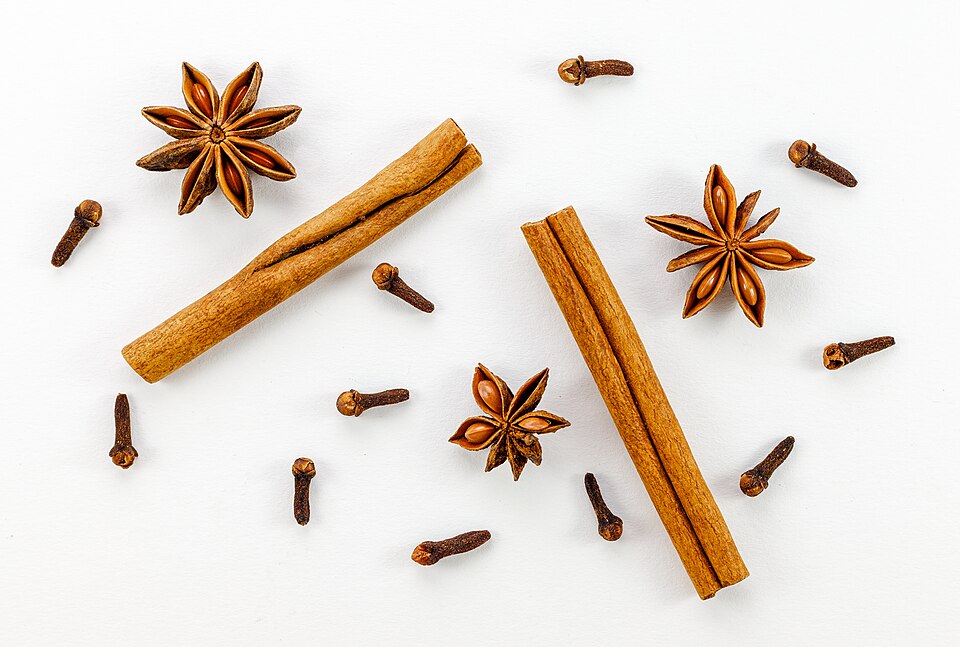
A sweet and warm spice from tree bark used in baking, desserts, and savory dishes worldwide.
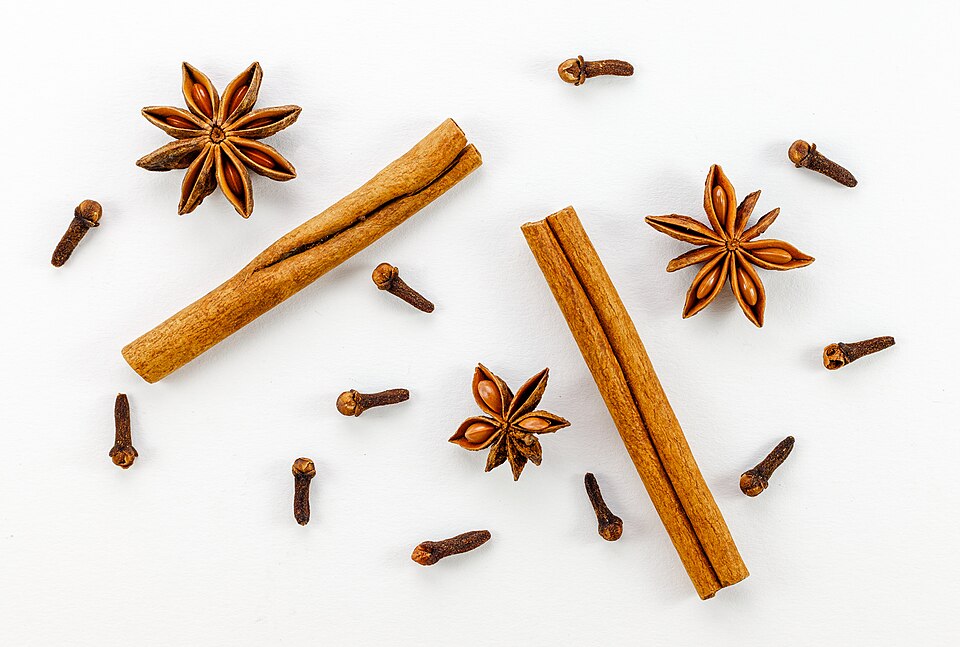
A dried flower bud with an intensely pungent, sweet flavor used in spice blends and mulled beverages.
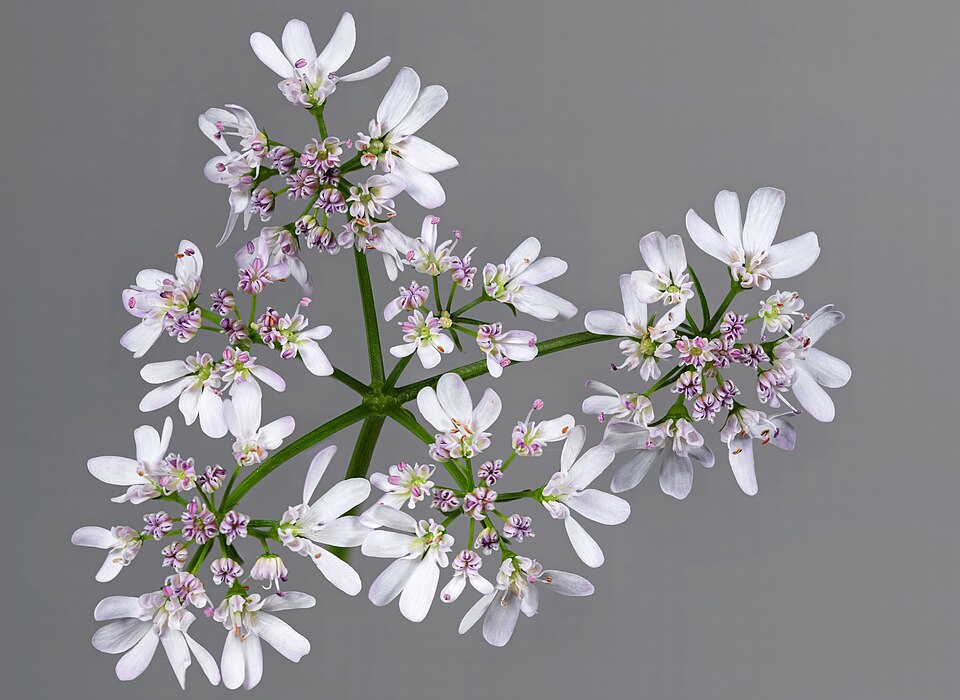
A warm, citrusy seed from the cilantro plant used whole or ground in curries and spice blends.
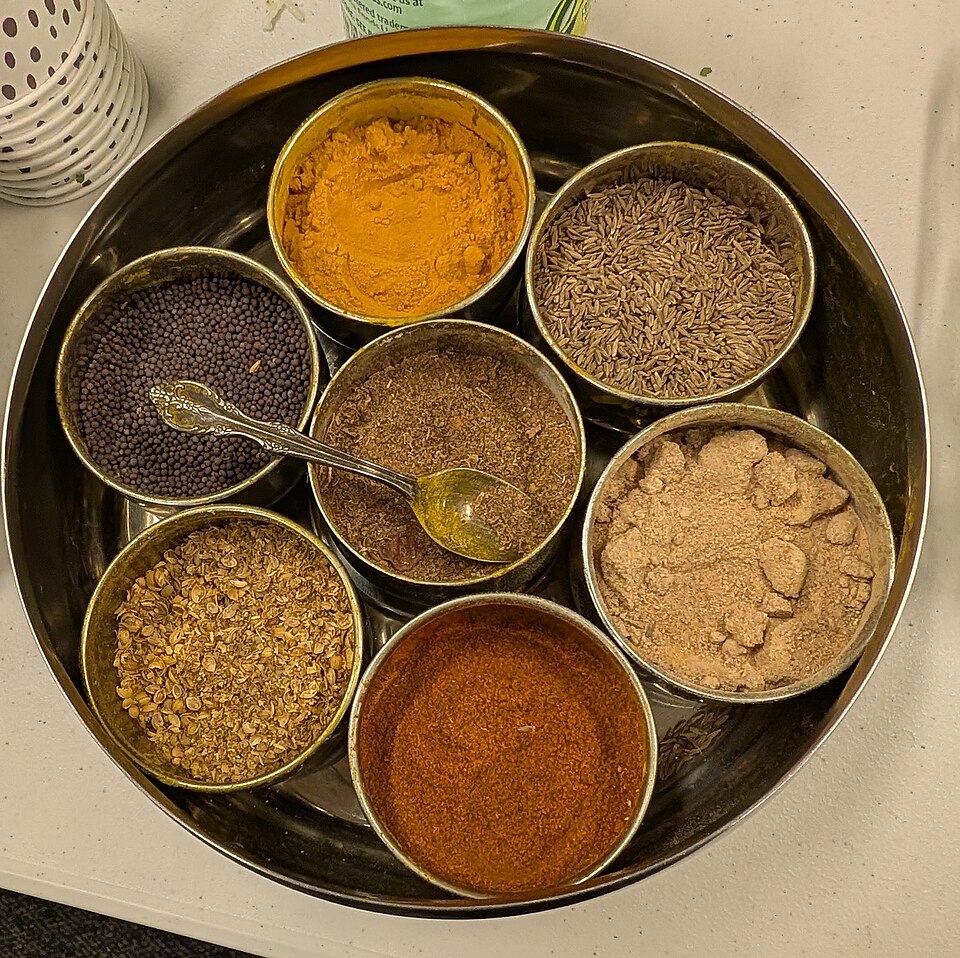
A warm, earthy seed with a distinctive aroma essential in Indian, Mexican, and Middle Eastern cuisines.
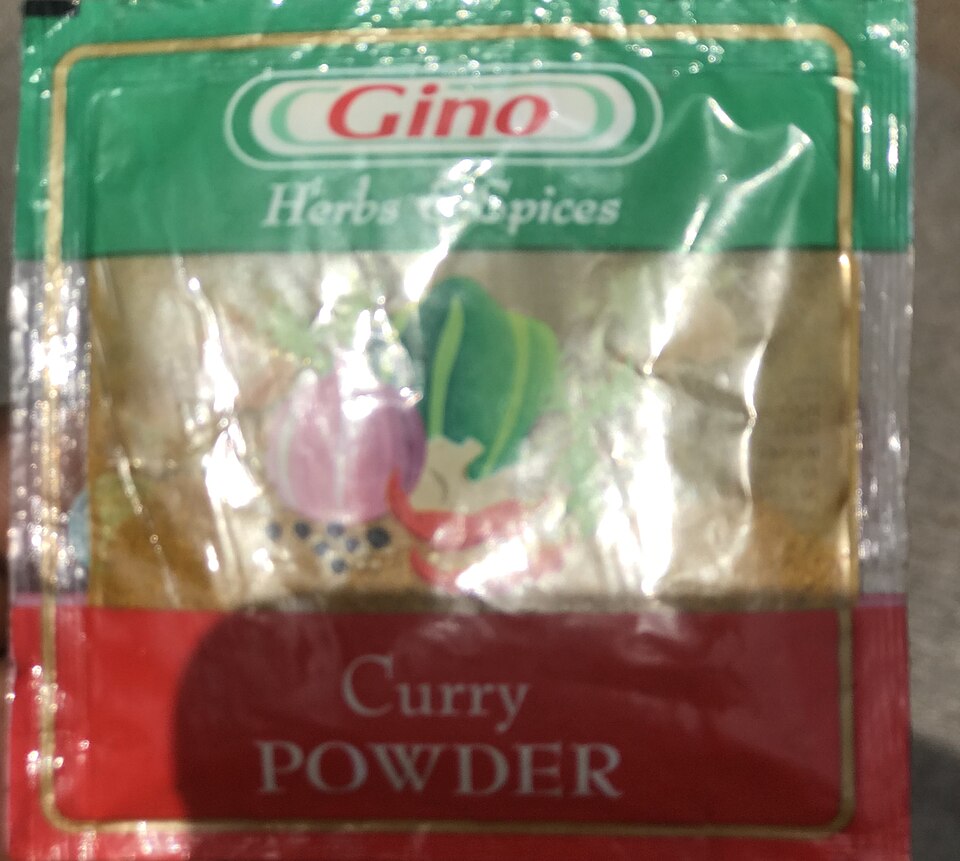
A blended spice mix containing turmeric, cumin, coriander, and other spices used in Indian-style dishes.
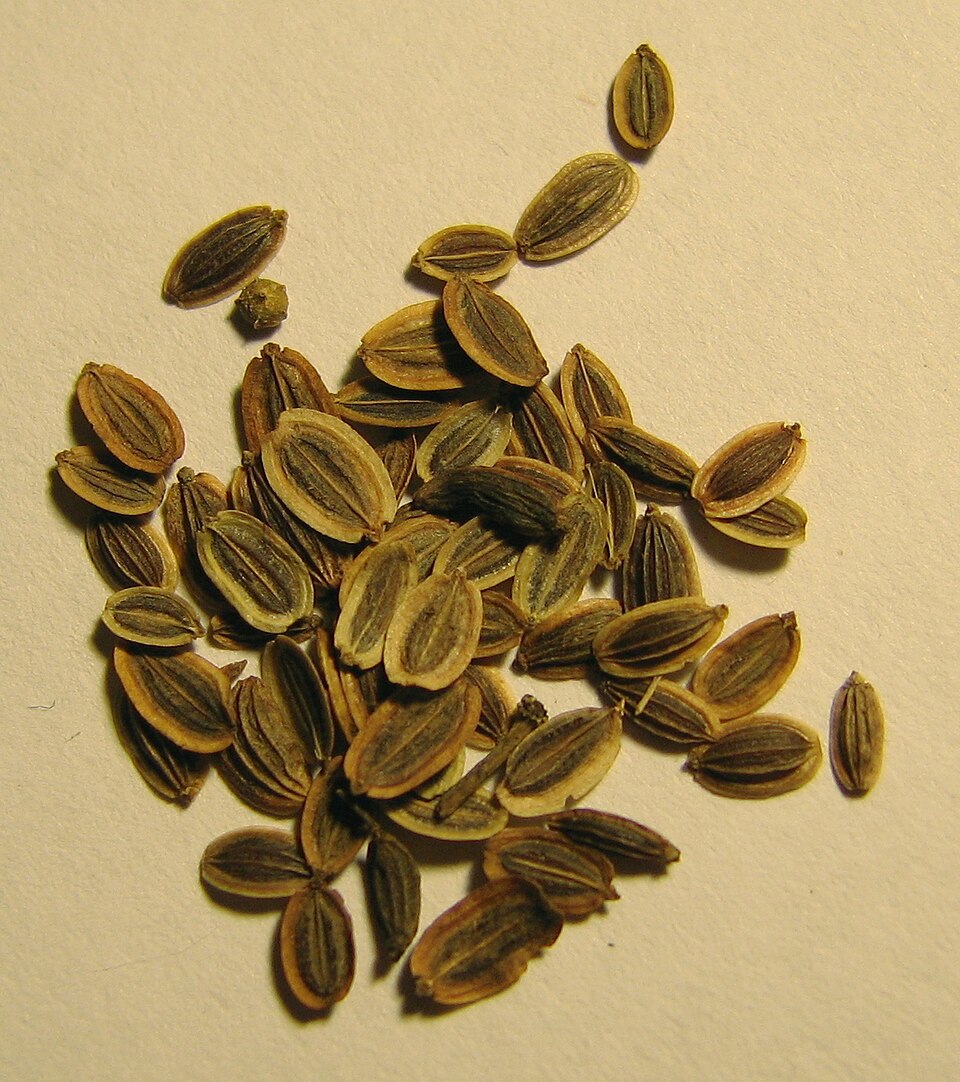
A flat, oval seed with a flavor similar to caraway, used in pickling, breads, and spice blends.
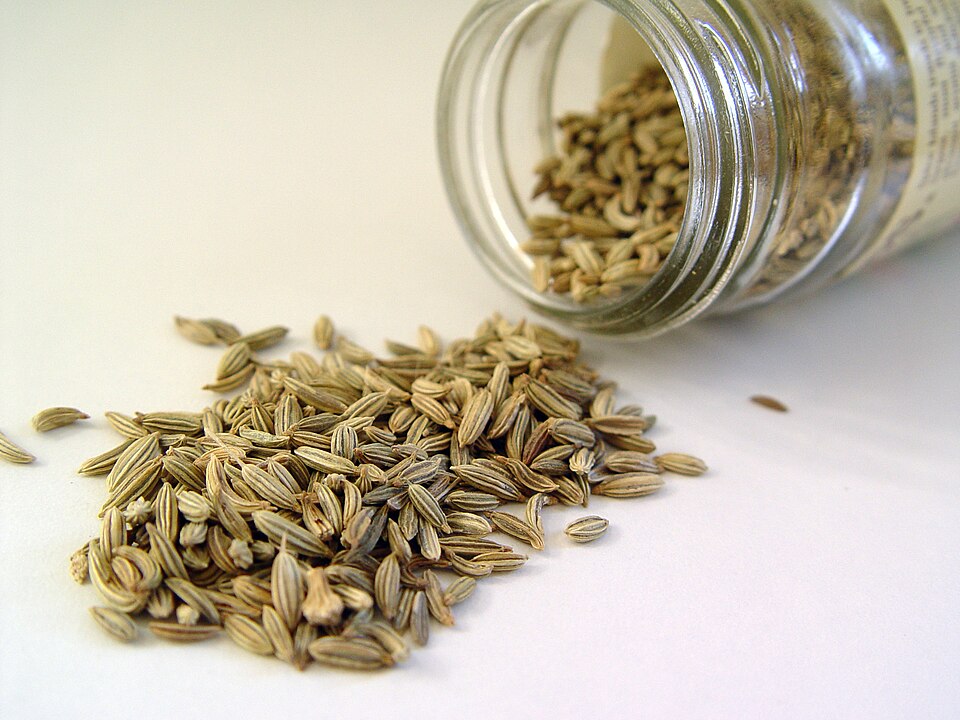
A sweet, licorice-flavored seed used as a digestive aid and spice in Indian and Italian cooking.
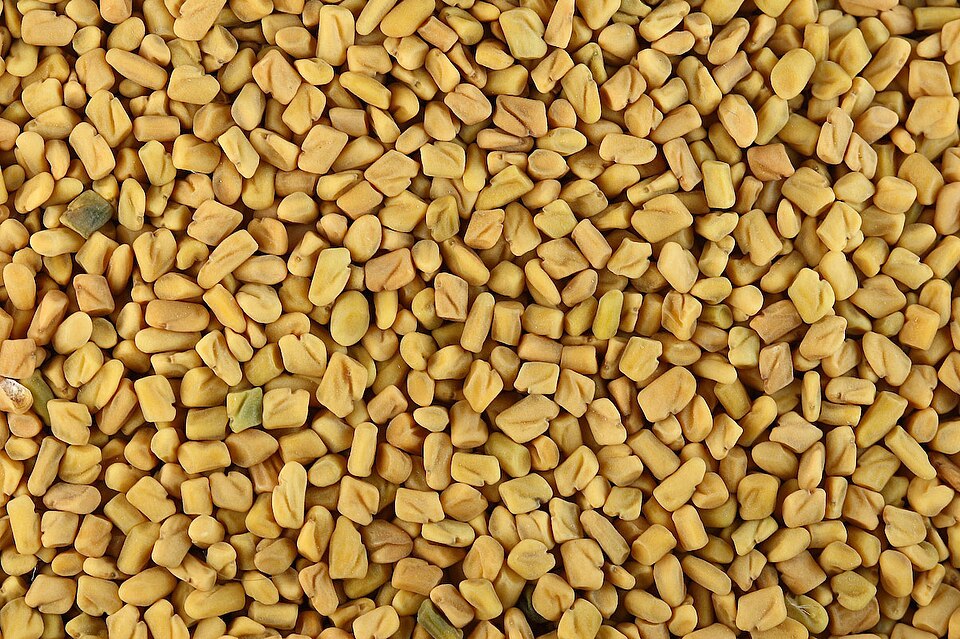
A bitter, maple-scented seed used in Indian curries and spice blends like panch phoron.
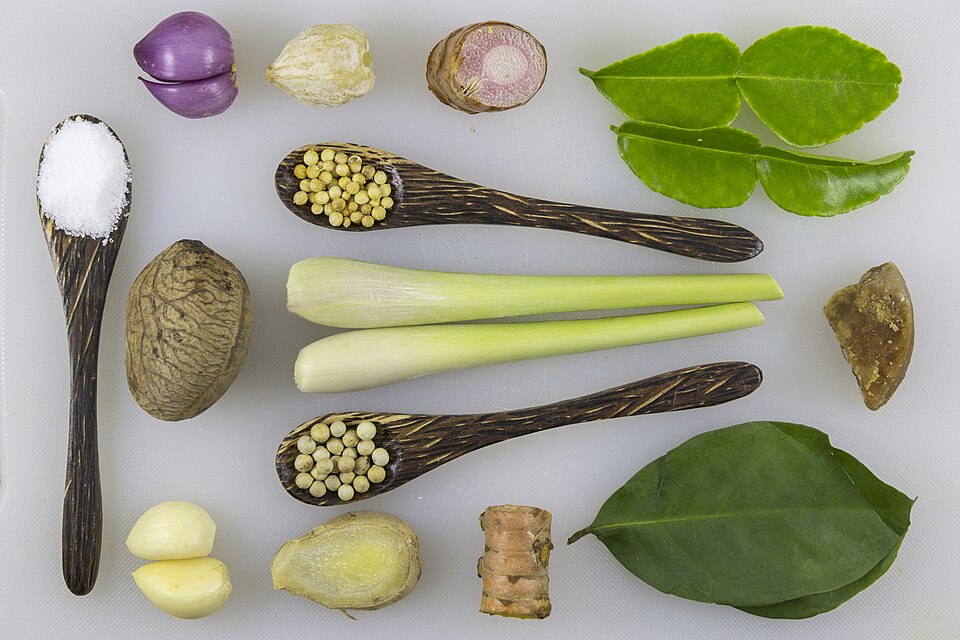
A rhizome similar to ginger with a sharp, citrusy pine flavor used in Thai and Indonesian cooking.
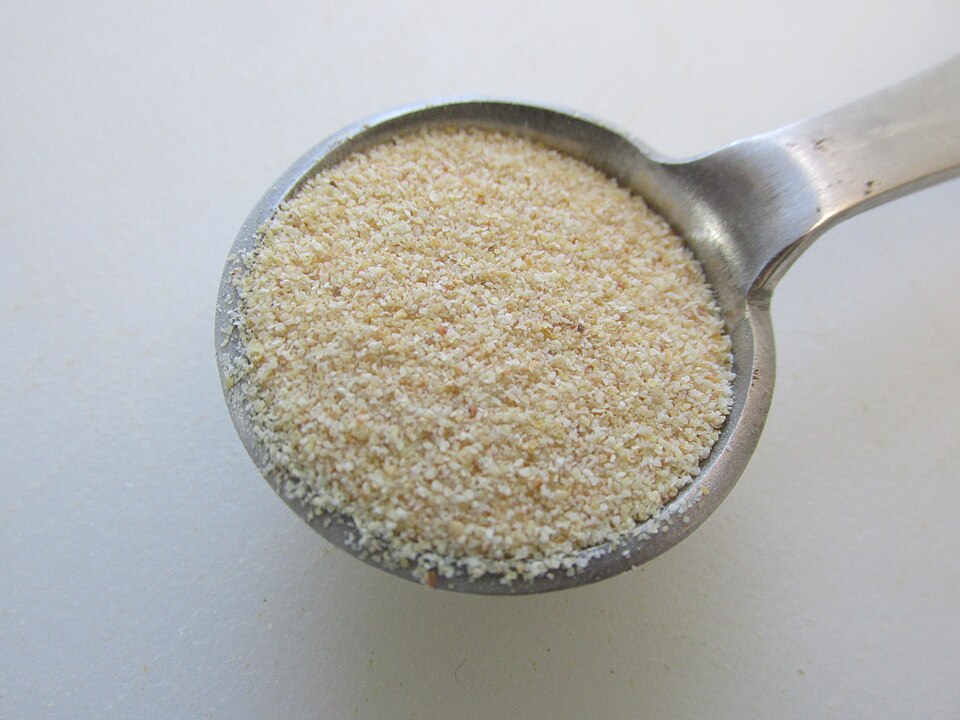
A dehydrated ground garlic used as a convenient seasoning for meats, sauces, and vegetables.
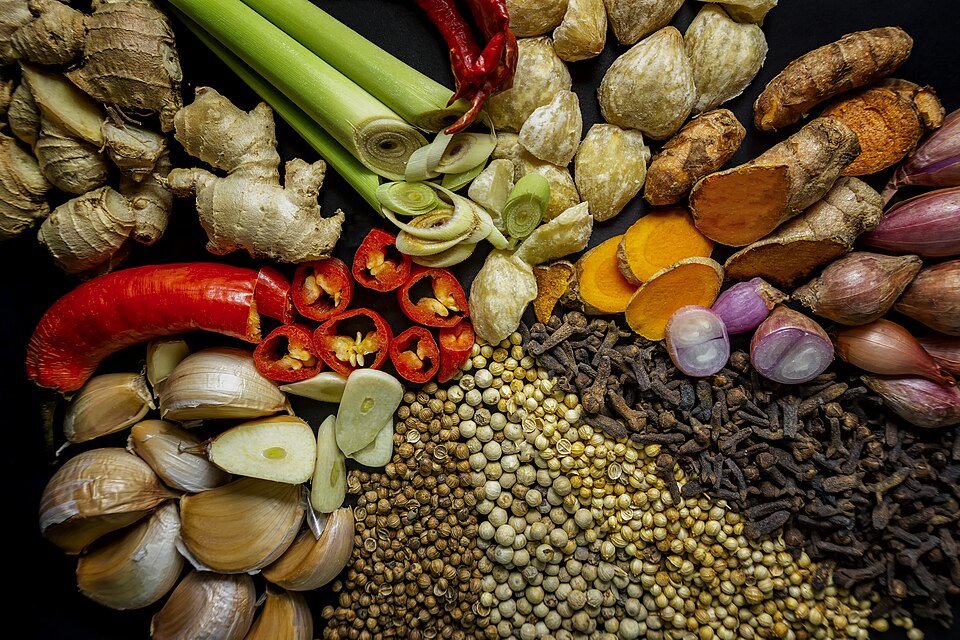
A dried, powdered ginger root used in baking, spice blends, and marinades for its warm, spicy flavor.
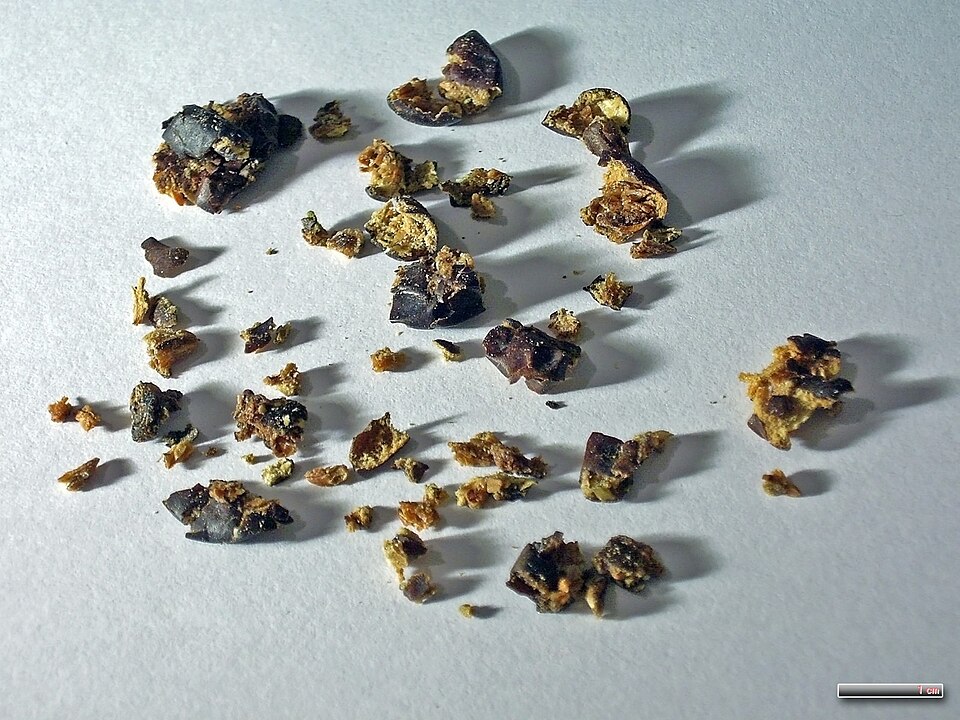
A small pine-scented berry used to flavor gin, game dishes, and sauerkraut.
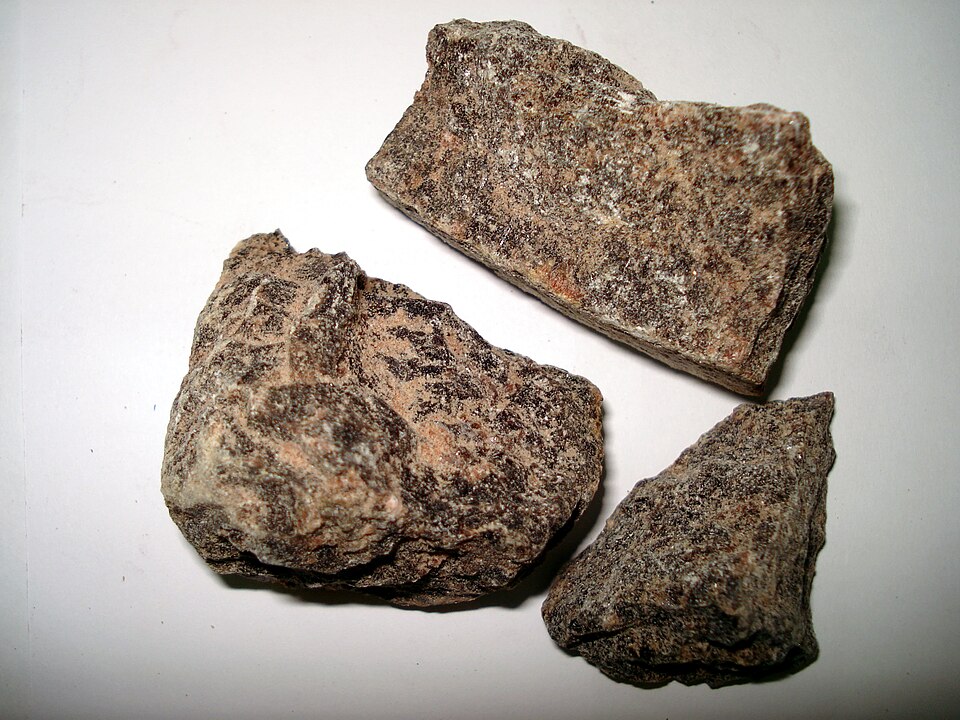
A volcanic rock salt with a pungent, sulfurous aroma used in Indian chaats and chutneys.
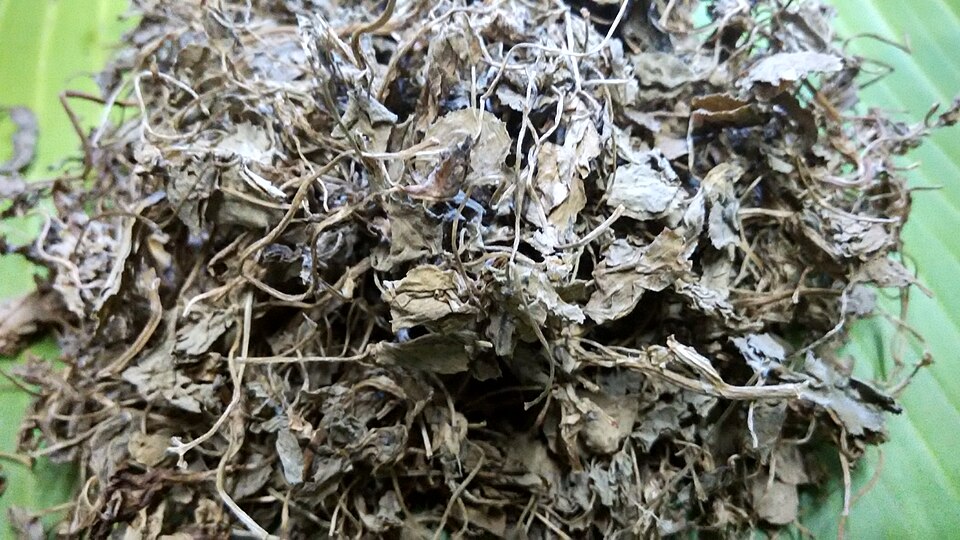
Dried fenugreek leaves used as a herb in Indian cooking for their intense, slightly bitter aroma.
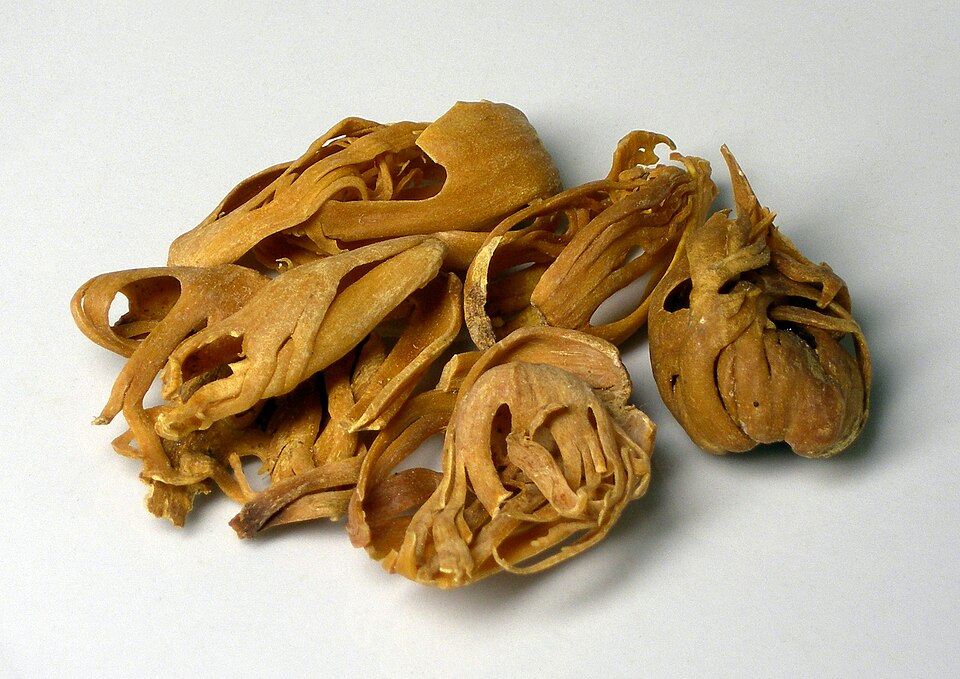
A lacy aril surrounding the nutmeg seed, with a similar but more delicate warm, sweet flavor.
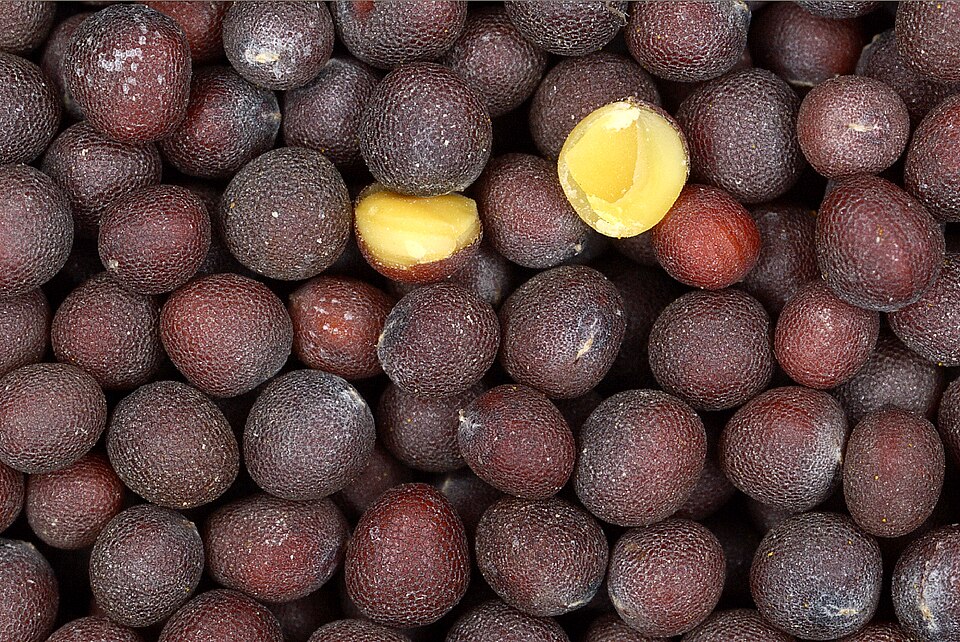
A small round seed with a sharp, pungent heat used whole or ground in pickling and cooking.
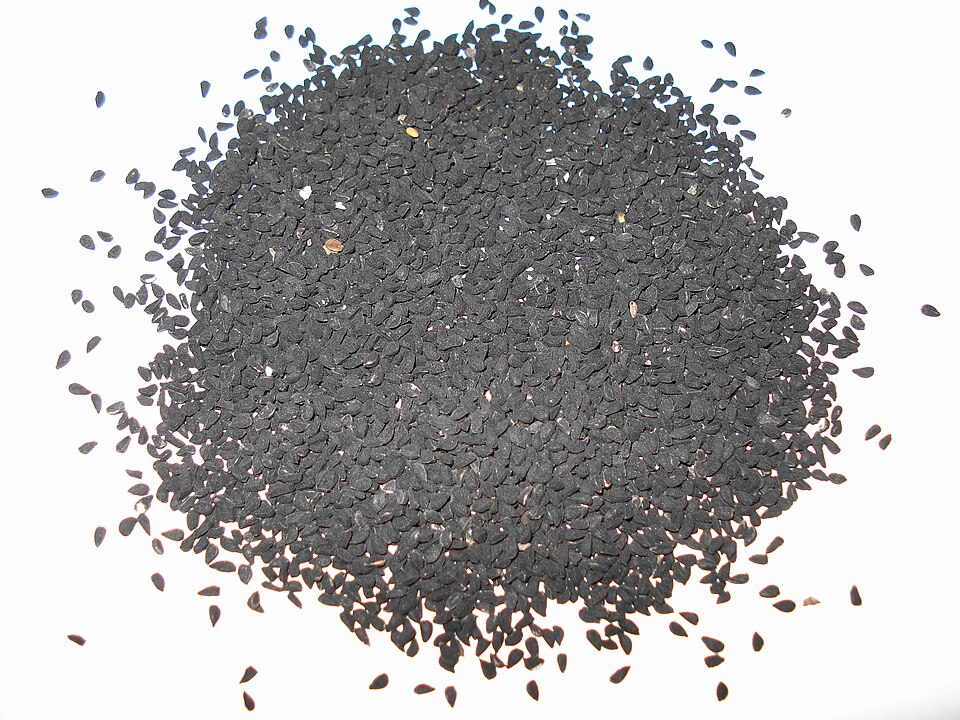
A small black seed with a pungent, onion-like flavor used in Indian and Middle Eastern cuisine for its aromatic and medicinal properties.
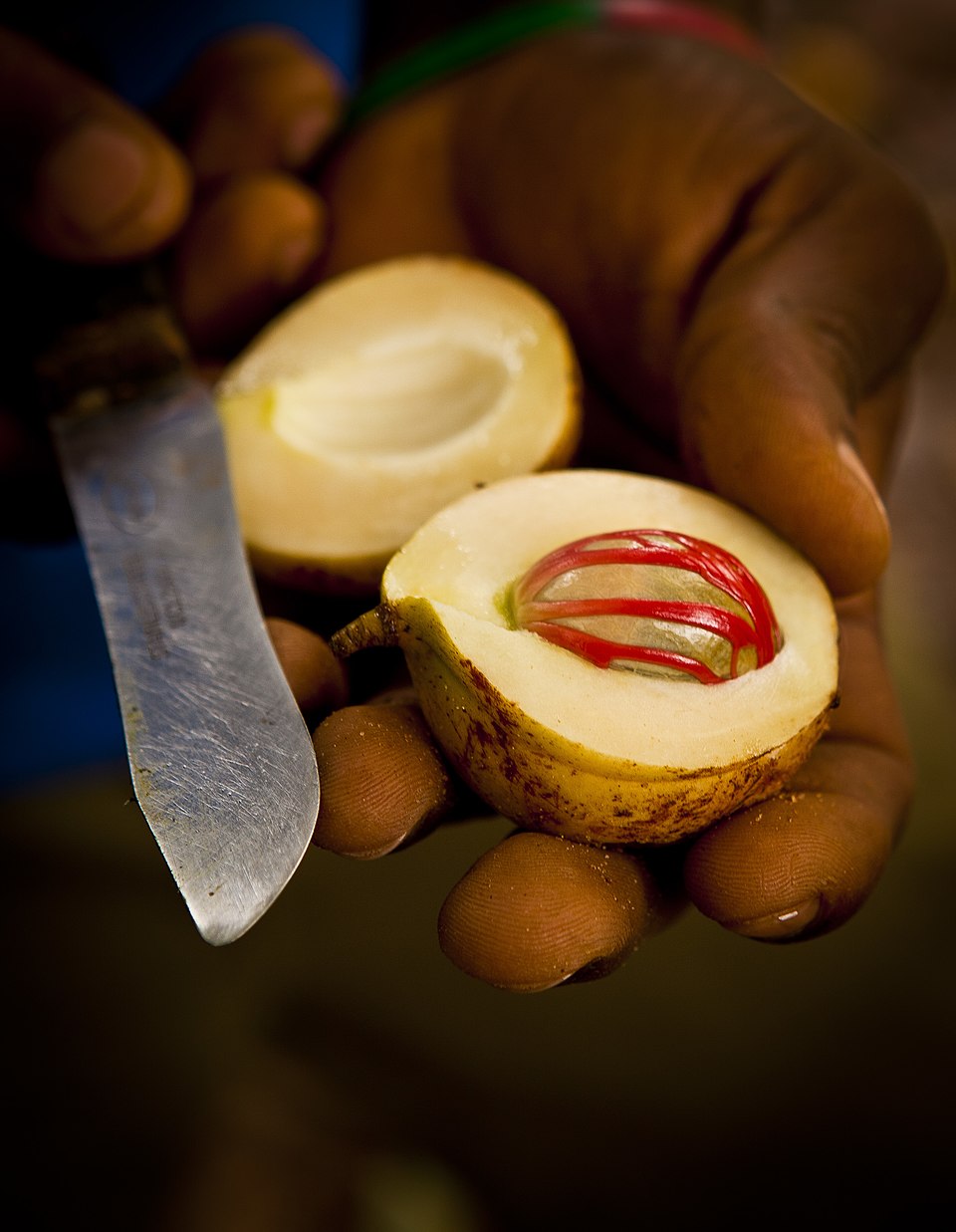
A warm, aromatic seed used grated in sweet and savory dishes, especially baking and eggnog.
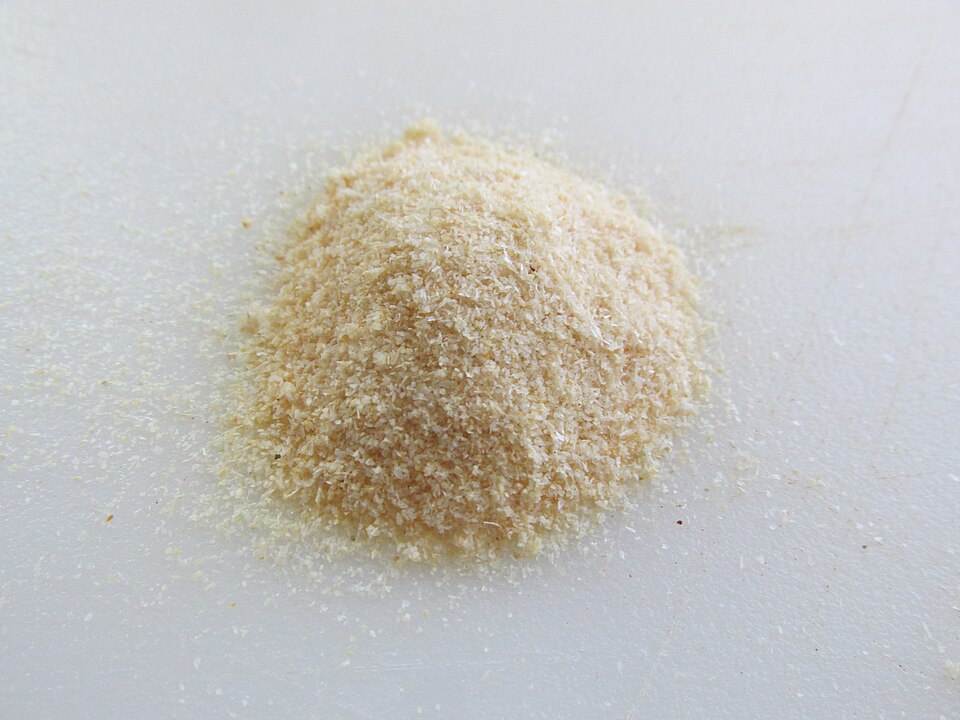
A dehydrated ground onion used as a convenient seasoning for rubs, soups, and dips.
A ground red spice made from dried peppers, ranging from sweet to hot, used in Hungarian and Spanish cuisines.
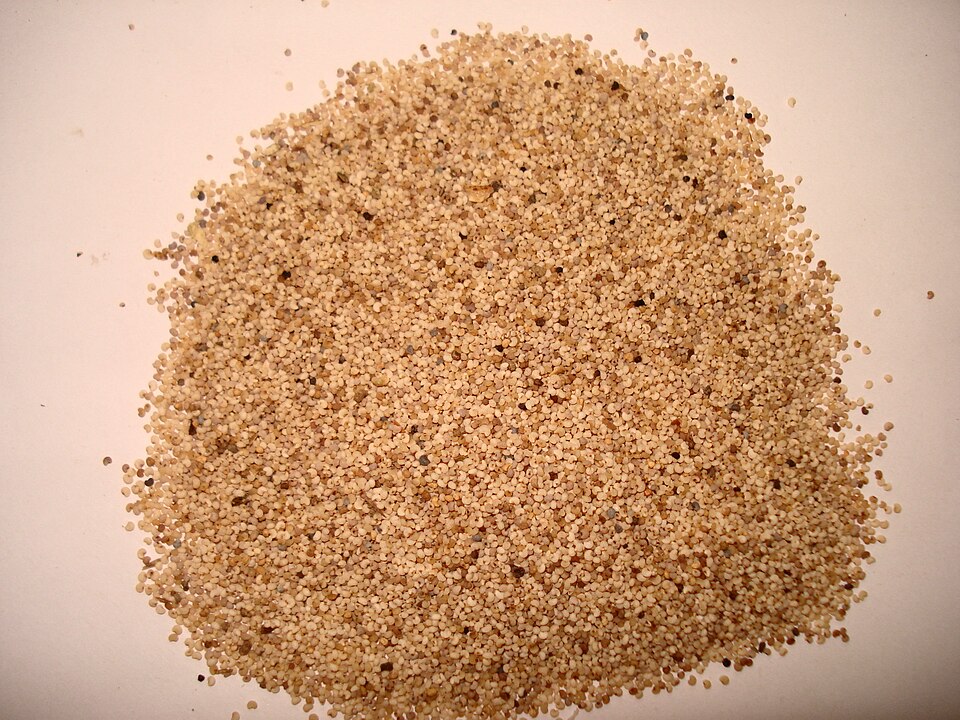
A tiny nutty seed from the opium poppy used in baking, pastries, and Indian curries.

Dried piney needles of the rosemary plant used as a seasoning for roasted meats and vegetables.
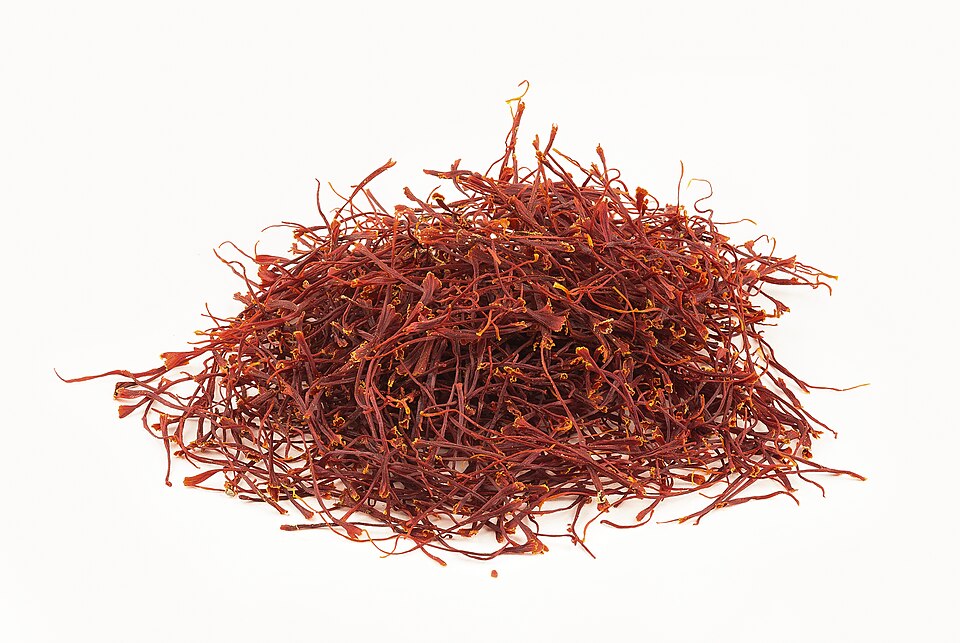
The world's most expensive spice, dried stigma of crocus flowers, used for color, flavor, and aroma.
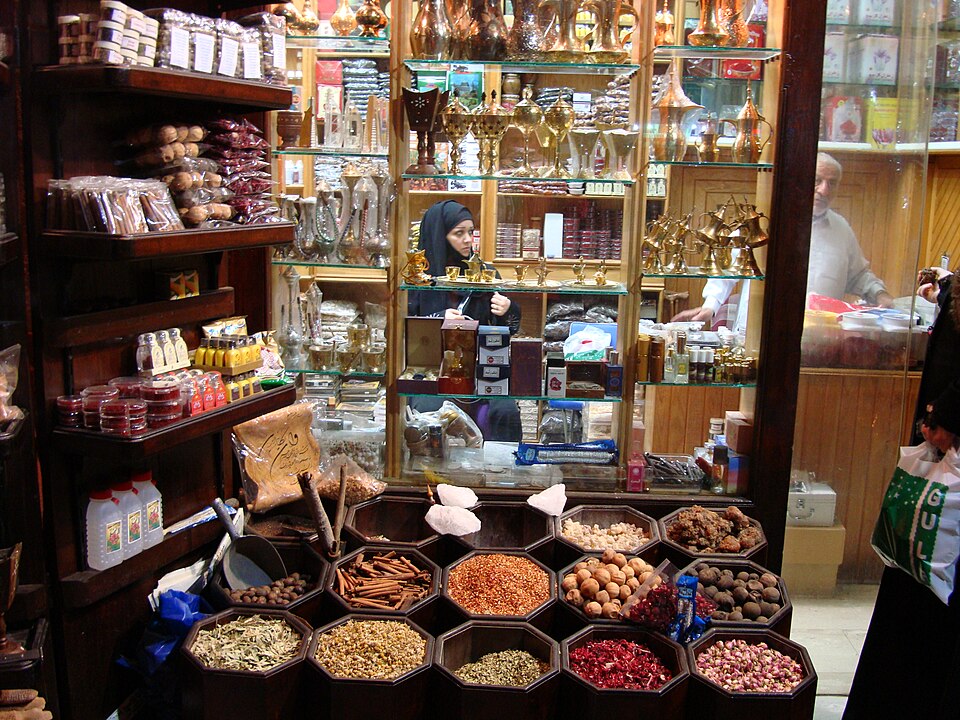
Dried ground sage leaves with an earthy, slightly peppery flavor used in stuffing and sausages.
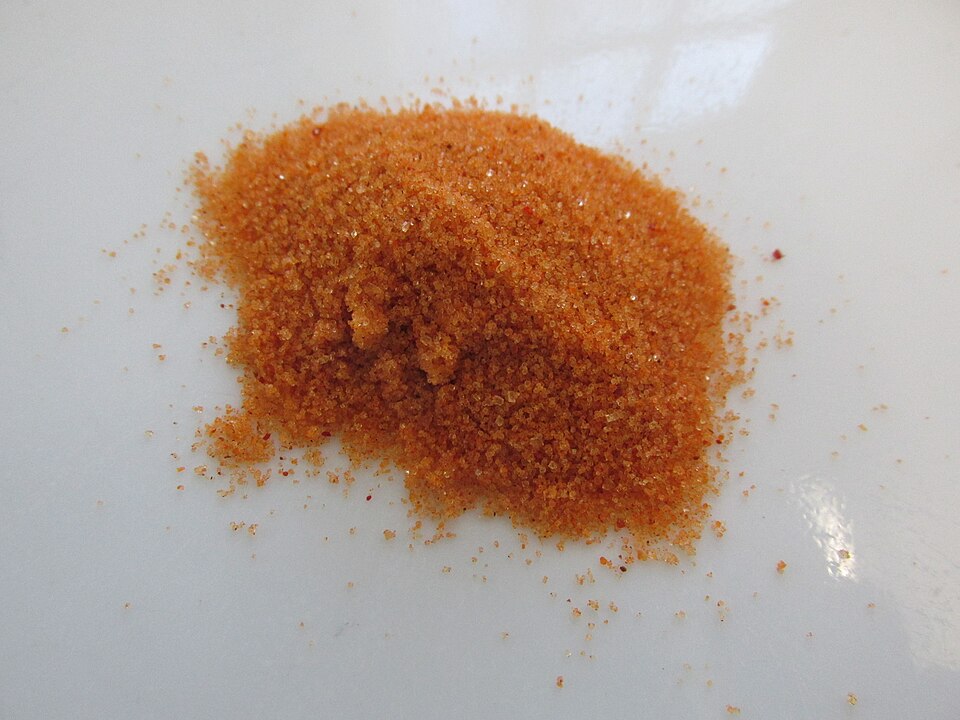
A crystalline mineral essential for human health, used universally for seasoning and food preservation.
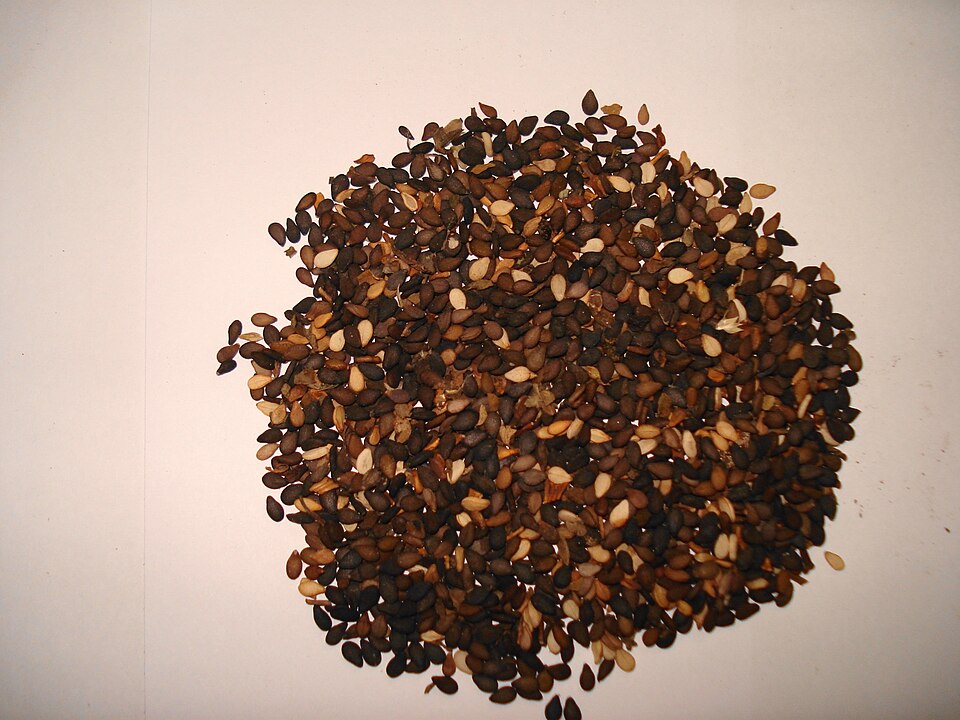
A small oil-rich seed with a nutty flavor used in baking, tahini, and Asian cuisine.
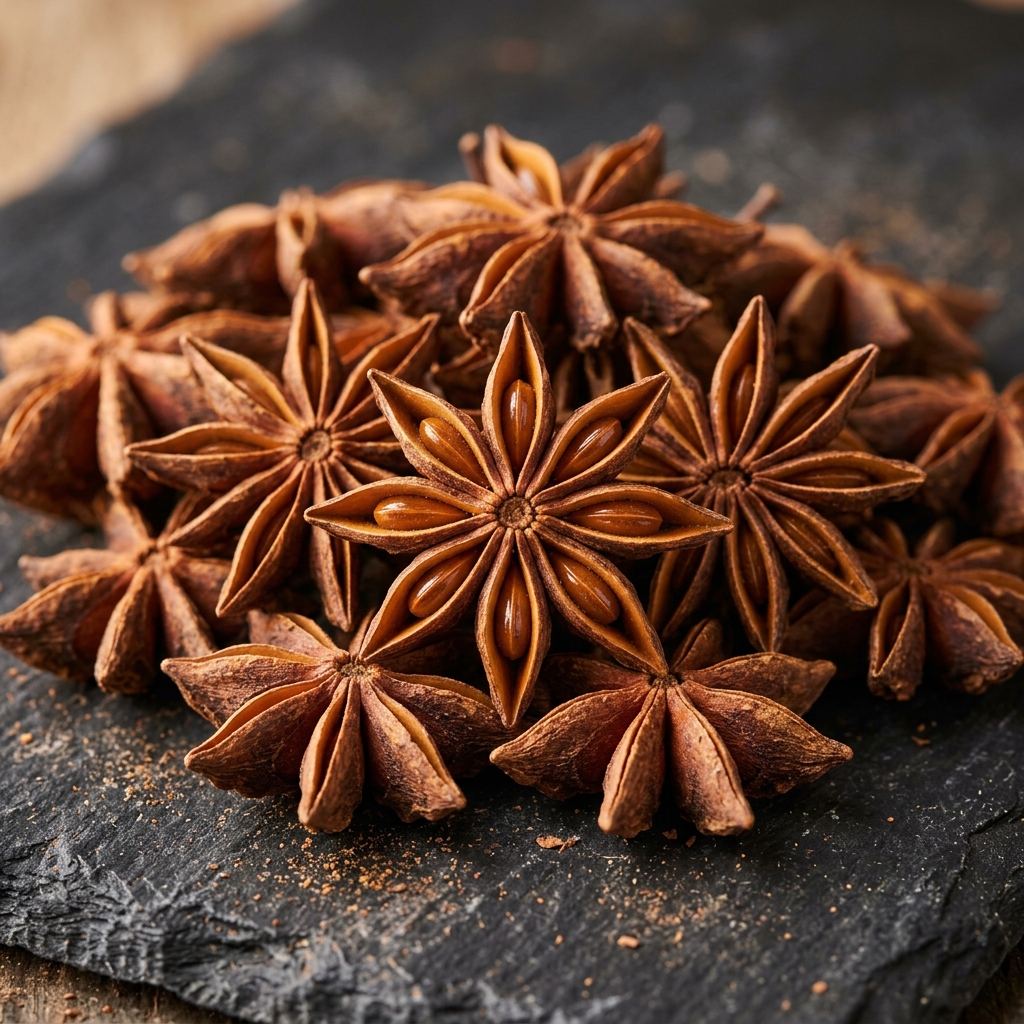
A star-shaped pod with a strong licorice flavor used in Chinese five-spice and Vietnamese pho.
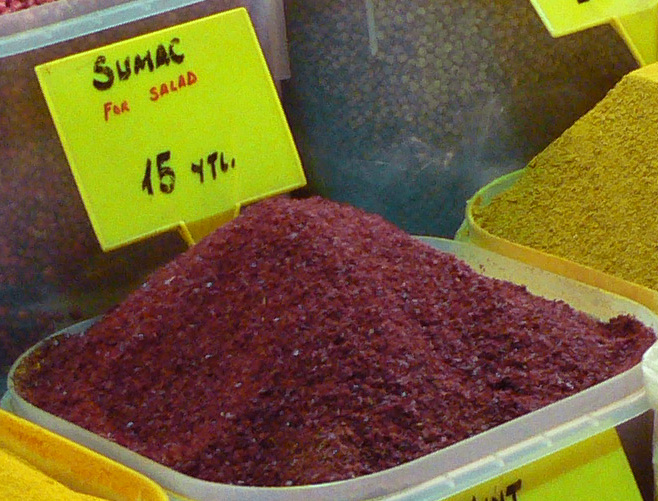
A tangy, lemony red spice made from dried sumac berries used in Middle Eastern and Mediterranean dishes.
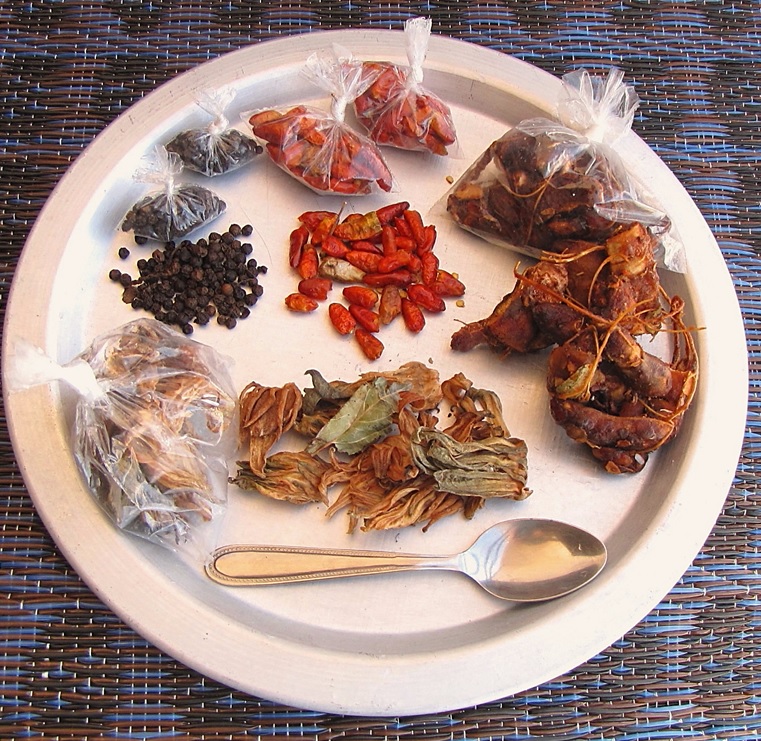
A sweet-sour pod pulp used as a tangy flavoring agent in Asian, Indian, and Mexican cuisines.
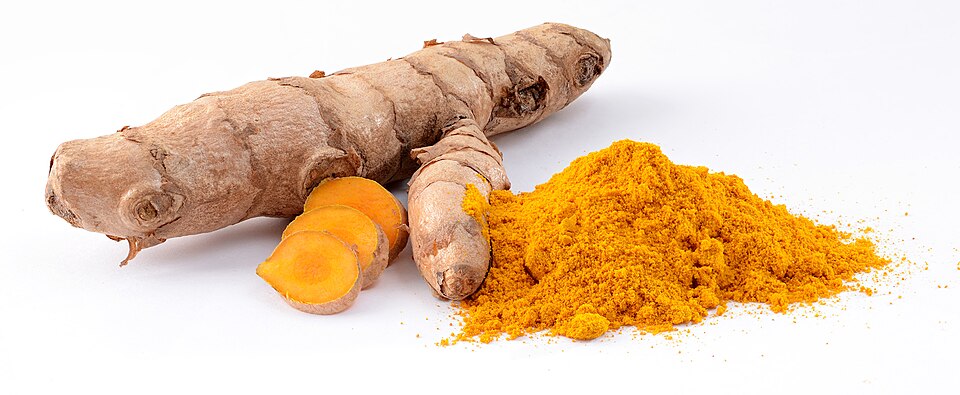
Turmeric (Ground) is a flavorful spice that provides turmeric, ground-turmeric, spice benefits. Beyond cooking, it offers various health-promoting properties.
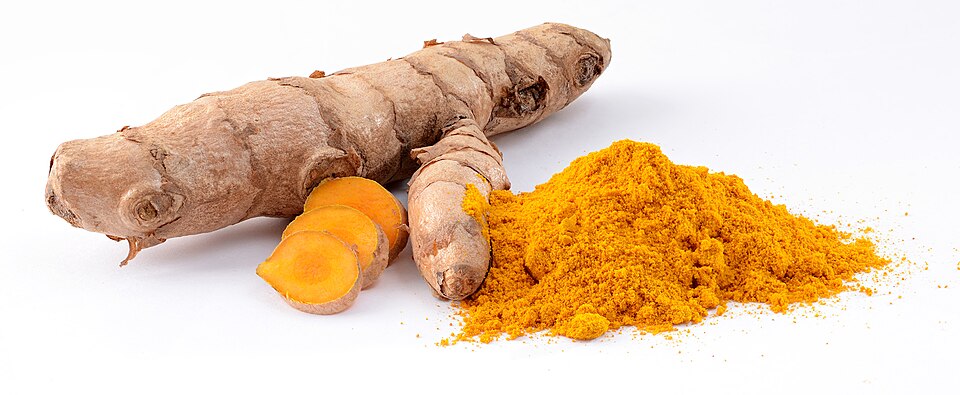
A bright yellow root used as a spice and medicinal herb for its powerful anti-inflammatory curcumin.

An aromatic extract from vanilla orchid pods used to flavor desserts, beverages, and baked goods.
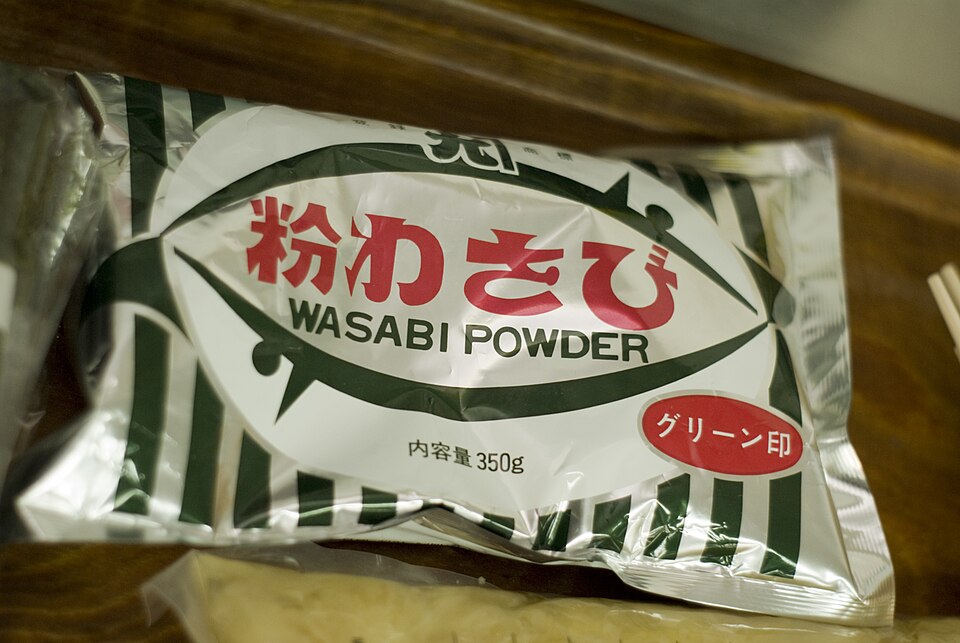
A pungent green Japanese horseradish paste traditionally served with sushi and sashimi.

A milder pepper made from hulled peppercorns used in light-colored sauces and Asian cooking.
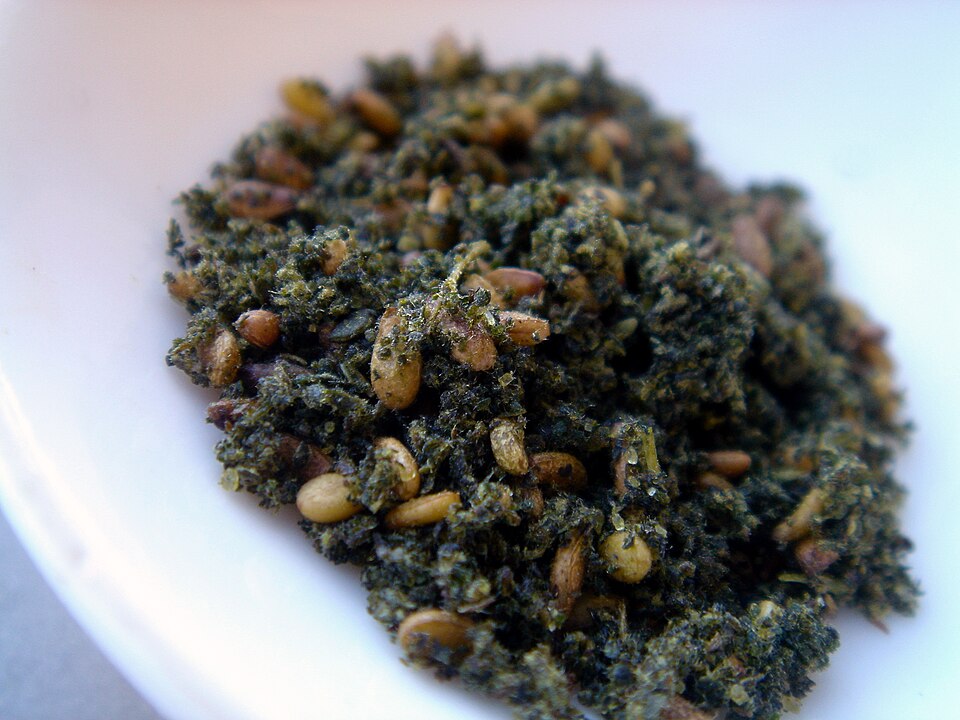
A Middle Eastern spice blend of thyme, sumac, sesame seeds, and salt with a tangy, herbal flavor.