Loading HealthVerse
Loading\u2026
Loading\u2026
Proper skin hydration involves both internal water intake and external moisturizing to maintain the skin barrier and prevent dryness and cracking.
Proper skin hydration involves both internal water intake and external moisturizing to maintain the skin barrier and prevent dryness and cracking.
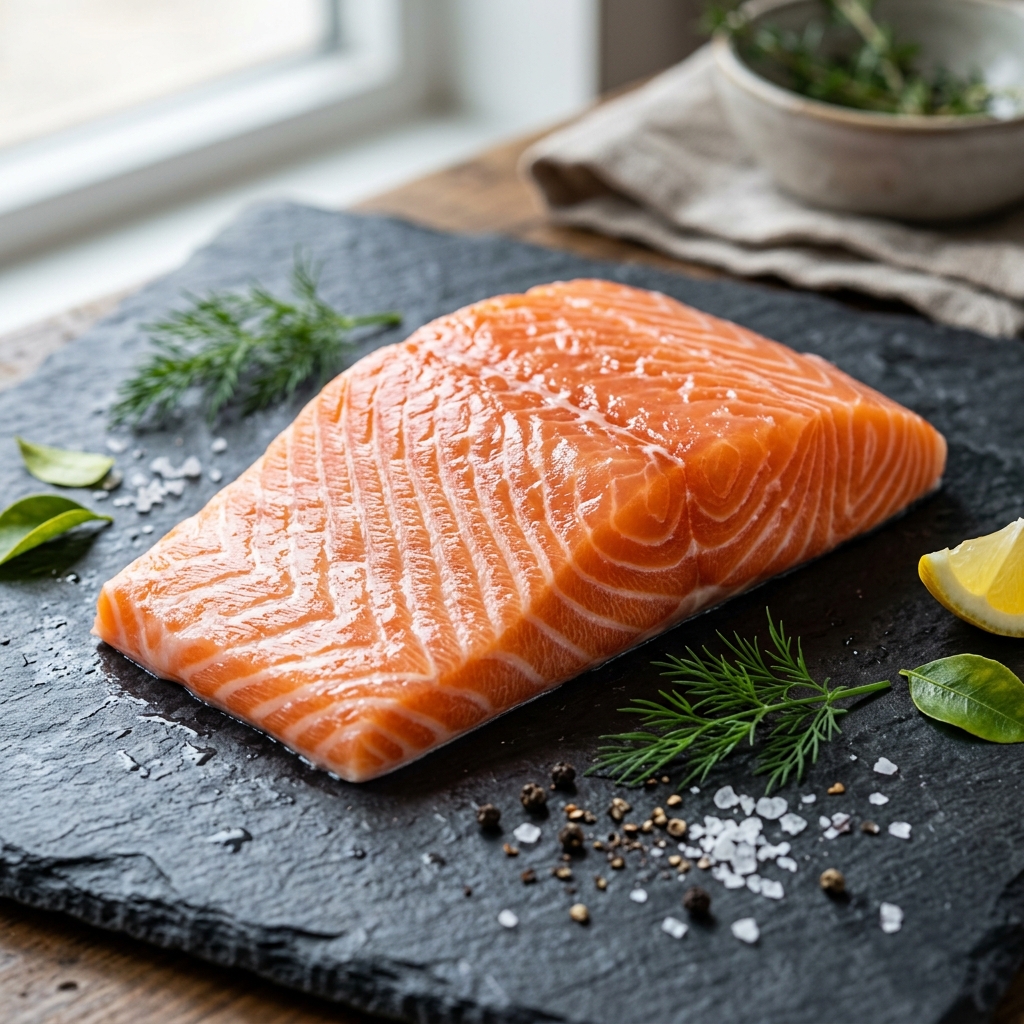
Salmon is one of the most nutrient-dense foods available, providing exceptional levels of omega-3 fatty acids (EPA and DHA), high-quality complete protein, vitamin D, B vitamins, selenium, and astaxanthin. Regular consumption supports cardiovascular health, brain function, eye health, reduces inflammation, and may lower the risk of heart disease, cognitive decline, and certain cancers.
Beneficial Context
A root vegetable rich in beta-carotene, vitamin A, fiber, and complex carbohydrates with a sweet flavor.
Beneficial Context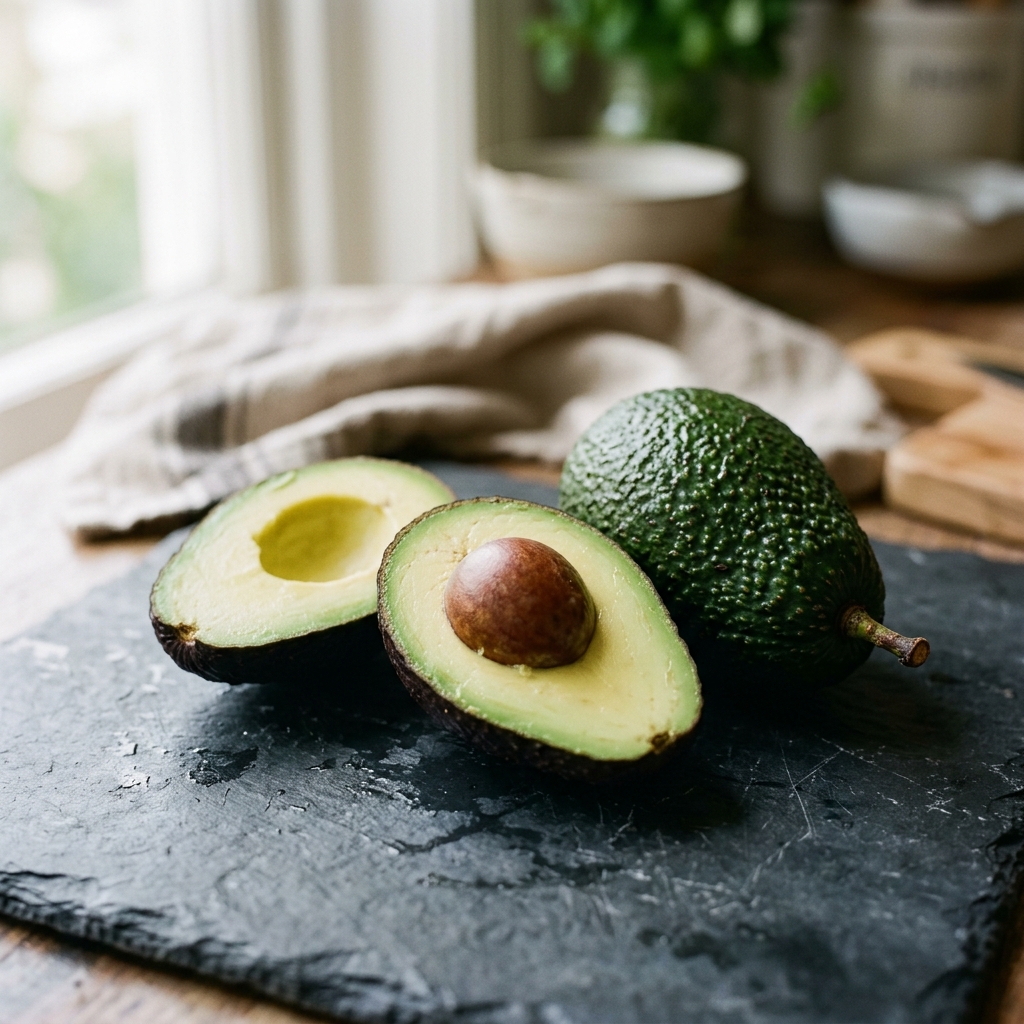
Avocados (Persea americana) are unique fruits exceptionally rich in heart-healthy monounsaturated fats (primarily oleic acid), fiber, potassium, vitamin K1, folate, vitamin E, and lutein. Unlike most fruits, they are low in sugar and high in healthy fats, supporting cardiovascular health, nutrient absorption from other foods, weight management, eye health, and cognitive function.
Beneficial Context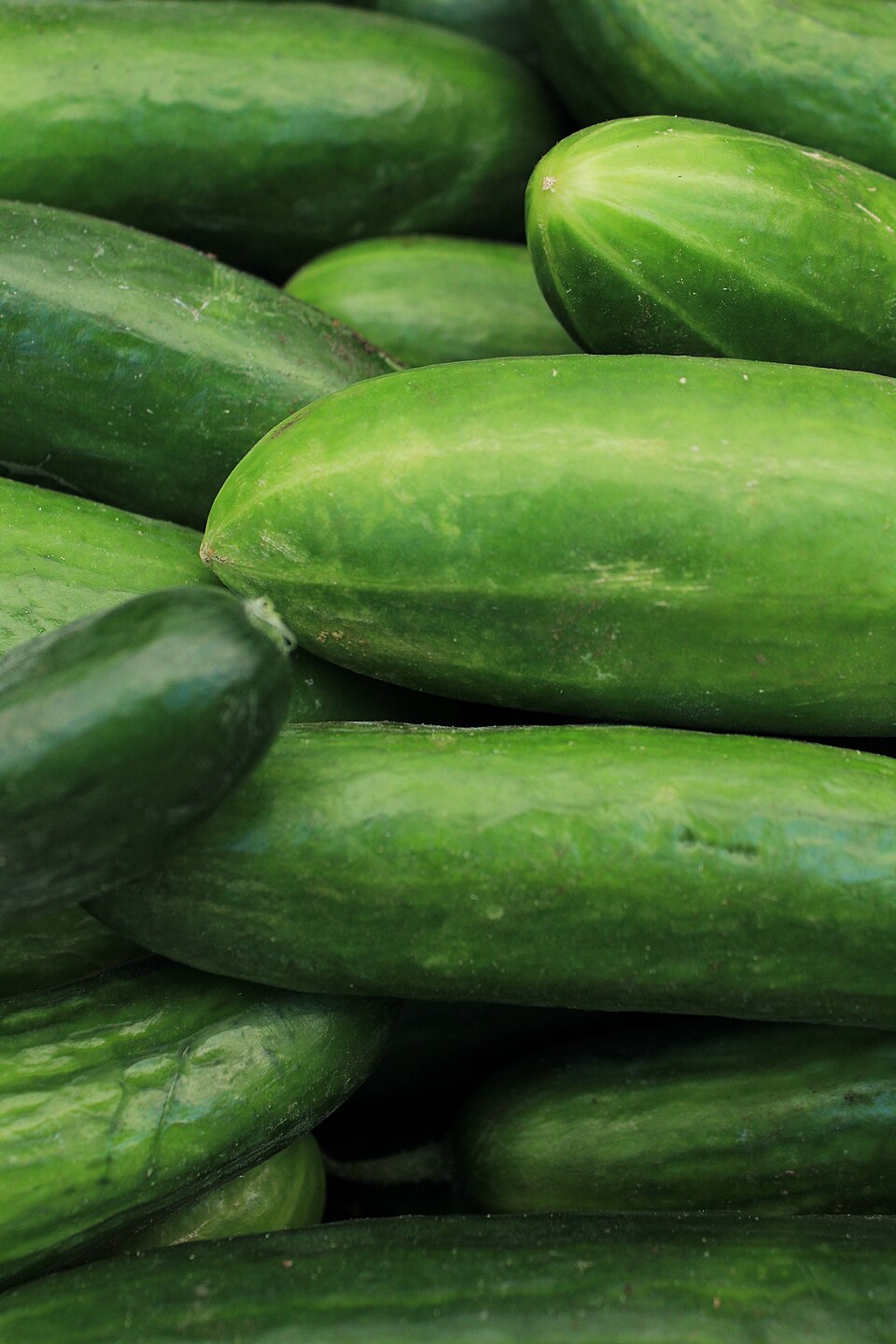
A refreshing, hydrating vegetable with high water content, low calories, and containing vitamins K and C.
Beneficial ContextContextually connected pathways expanding from Skin Hydration
Browse the central knowledge graph to discover interconnected topics and lifestyle guides.
Search across 560+ canonical health entities, nutrients, and anatomical models.
Take interactive quizzes, explore 3D anatomy, and study evidence-based health courses.
⚠️ Disclaimer: This information is for educational purposes only. Always consult a healthcare professional for medical advice.